SNL's New Sketch Takes a Sharp Jab at Musk: A Tech Titan's Public Opinion Crisis
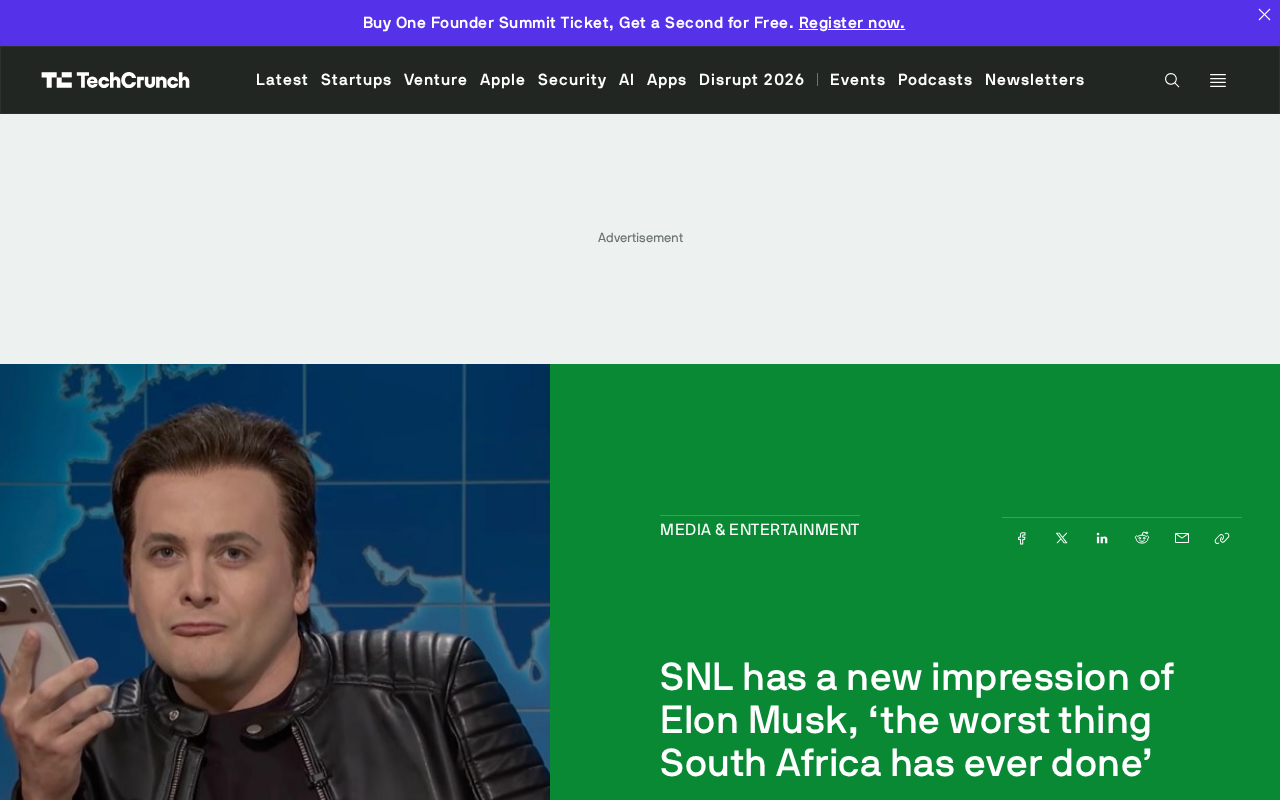
SNL's new sketch roasts Musk with a savage line, reflecting how tech leaders have become late-night comedy regulars.
SNL's latest episode rolled out a parody sketch targeting Elon Musk, with "the worst thing to ever happen to South Africa" as its core punchline. The piece argues this isn't an isolated jab but part of late-night comedy's sustained treatment of tech executives as a satirical reservoir. The reasons: the contrast between grand narratives and impulsive remarks, expanding public influence, and a natural fit for impersonation. The line spreads because it simultaneously creates a memorable hook, controversy, and a reason to share. A single bit has limited impact, but repeated portrayals settle into the underlying color of public perception—tech leaders are shifting from revered innovators to teased public figures.
When Late-Night Comedy Sets Its Sights on Tech Titans
Saturday Night Live (SNL) seems to be sharpening its knives for tech executives. In a recent episode, the long-running late-night comedy show took aim at Elon Musk, rolling out a brand-new parody sketch and delivering what may be the harshest line of the night—calling Musk "the worst thing to ever happen to South Africa."
The line itself is steeped in exaggerated mockery, but its virality says one thing clearly: in the court of public opinion, Musk's image is being constantly redefined, and late-night comedy is one of the most sensitive thermometers around.
The Real Context Behind the Sketch
To be clear, the source material offers only a minimal framework: SNL aired a new parody bit targeting Musk, with that "worst thing to happen to South Africa" line as the core punch. The material does not disclose the sketch's specific plot, cast, air date, or any ratings or engagement data.
Still, the observation that "SNL is sharpening its knives for tech executives" is itself worth pondering. It suggests this isn't an isolated jab but rather a sustained creative tendency—late-night comedy is treating tech leaders as a reliable reservoir of satirical material.
For a public figure who dominates headlines year-round and whose words and actions are highly dramatic, being parodied by SNL is almost a rite of passage. The only difference is that this time, the gift box contains razor blades.
Saturday Night Live (SNL) is a live sketch comedy show that premiered on NBC in 1975, built around a fixed format of one guest host per episode plus a musical performance. Its core segments include Weekend Update, a parody of news broadcasting, and various political and cultural satire sketches. SNL holds a special "agenda-setting" function in American pop culture: being parodied often means someone has entered the public symbol sequence of mass recognition, and the intensity and frequency of the parody are often seen as a barometer of public sentiment. Historically, SNL has repeatedly shaped the public images of political figures through parody, so its sustained attention to tech executives is itself a cultural signal worth decoding.
Why Tech Titans Have Become a Goldmine for Late-Night Comedy
There are structural reasons why tech executives frequently enter the comedy spotlight.
First, the gap between persona and reality. Tech leaders often package themselves in a "changing the world" narrative, yet their off-the-cuff remarks in public and impulsive posts on social platforms often stand in stark contrast to that grand narrative. Comedy's greatest strength is ripping that gap open for all to see.
Second, the expansion of public influence. When tech companies' decisions can affect employment, information dissemination, and even public policy, the people at the helm are no longer just business figures—they are public actors who need to be scrutinized. Satire is a low-cost, high-reach form of scrutiny.
Third, the natural fit for impersonation. Musk himself is highly recognizable—his accent, body language, and cadence are all distinctive, providing excellent material for impression-based performance. SNL's signature skill is amplifying the traits of public figures to absurd degrees.
Late-night comedy refers to talk shows and sketch programs aired in the late-night slot on the U.S. East Coast, with representative shows including SNL, The Tonight Show, and The Daily Show. This genre has gradually become part of American public discourse since the 1960s, and its targets of satire typically shift with changes in the social power structure—from politicians and celebrities to today's tech giants. Compared with serious news, late-night comedy's criticism relies more on exaggeration, contrast, and quotable punchlines, making it easier to spread secondhand on social platforms, forming a chain of "jokes going viral—public opinion fermenting—serious media following up." Understanding this media characteristic helps explain why SNL's ribbing of Musk quickly became a talking point.
Why a Single Line About "the Worst Thing" Spread So Fast
The line's sting isn't on the factual level—it's clearly not a literal historical assessment—but in how it compresses multiple emotions into one short sentence.
It accomplishes three things at once: creating a memorable hook, creating controversy, and creating a reason to share. Whether a late-night comedy bit can break out often depends on whether it has this kind of "quotability." From this angle, SNL's创作 this time was precise.
For Musk, the cumulative effect of such ribbing should not be underestimated. A single bit may be just entertainment, but when a similar image repeatedly appears in mass-culture products, it gradually settles into the underlying color of public perception.
The Public Opinion Situation of Tech Leaders Is Changing
This SNL parody can be seen as a microcosm of a broader trend: tech leaders are shifting from "innovators to be looked up to" to "public figures to be teased."
This shift isn't aimed at any one person. As the tech industry's social influence continues to expand, public expectations of tech leaders are also rising—and the higher the expectations, the greater the satirical space created by the gap. Late-night comedy merely makes this process concrete.
For those who follow tech public opinion, what's worth watching isn't any single bit but the frequency and intensity with which such content appears—they often precede criticism from serious media, reflecting the direction of public sentiment in advance.
Conclusion
With one exaggerated line, SNL once again pushed Musk into the public opinion spotlight. The source material offers no further details, but the phenomenon of "tech executives becoming late-night comedy regulars" is itself telling enough: in the public eye, tech leaders are no longer just entrepreneurs but cultural symbols that must be constantly interpreted, scrutinized, and even joked about.
Related articles
Mysterious Synchronized Disturbances Hit Global Power Grids — German Team Finds the Culprit
Mysterious synchronized power drops hit grids worldwide. A German team found the culprit. This article explains the coordinated disturbances, the research breakthrough, and what it means for grid monitoring and operations.
NVIDIA Board Investigates Espionage Ca…
NVIDIA Board Investigates Espionage Case: CEO's Admission of Extramarital Affair Sparks Internal Turmoil
NVIDIA's board has launched an espionage investigation following the CEO's admission of an extramarital affair. This article analyzes the background, corporate governance logic, and potential impact on NVIDIA, noting that current information is limited and should be viewed rationally.
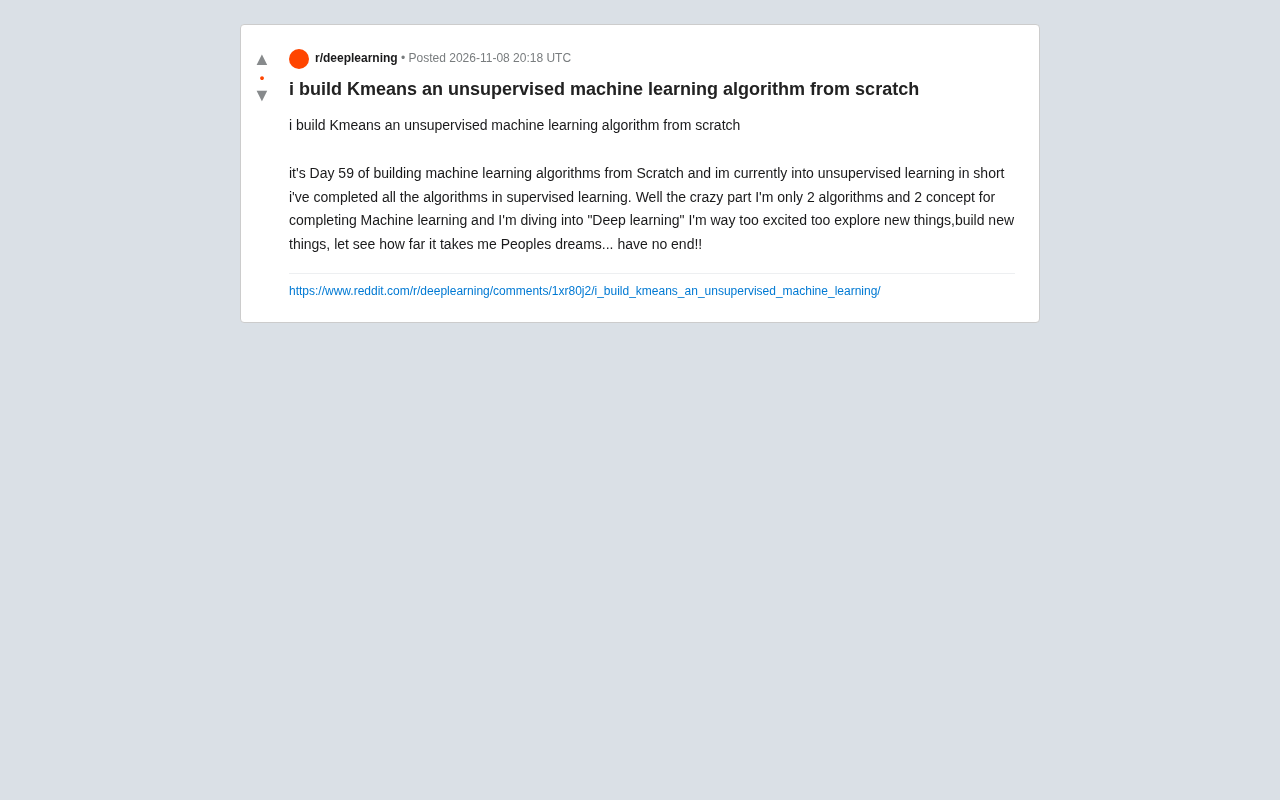
Writing K-Means from Scratch: One Developer's Journey into Machine Learning
A developer shares day 59 of writing K-Means from scratch: finishing all supervised learning algorithms and entering unsupervised learning, covering K-Means++ initialization, vectorized distances, convergence and empty clusters.