Southern Company SCOUT System: A Complete Analysis of AI-Driven Intelligent Storm Response
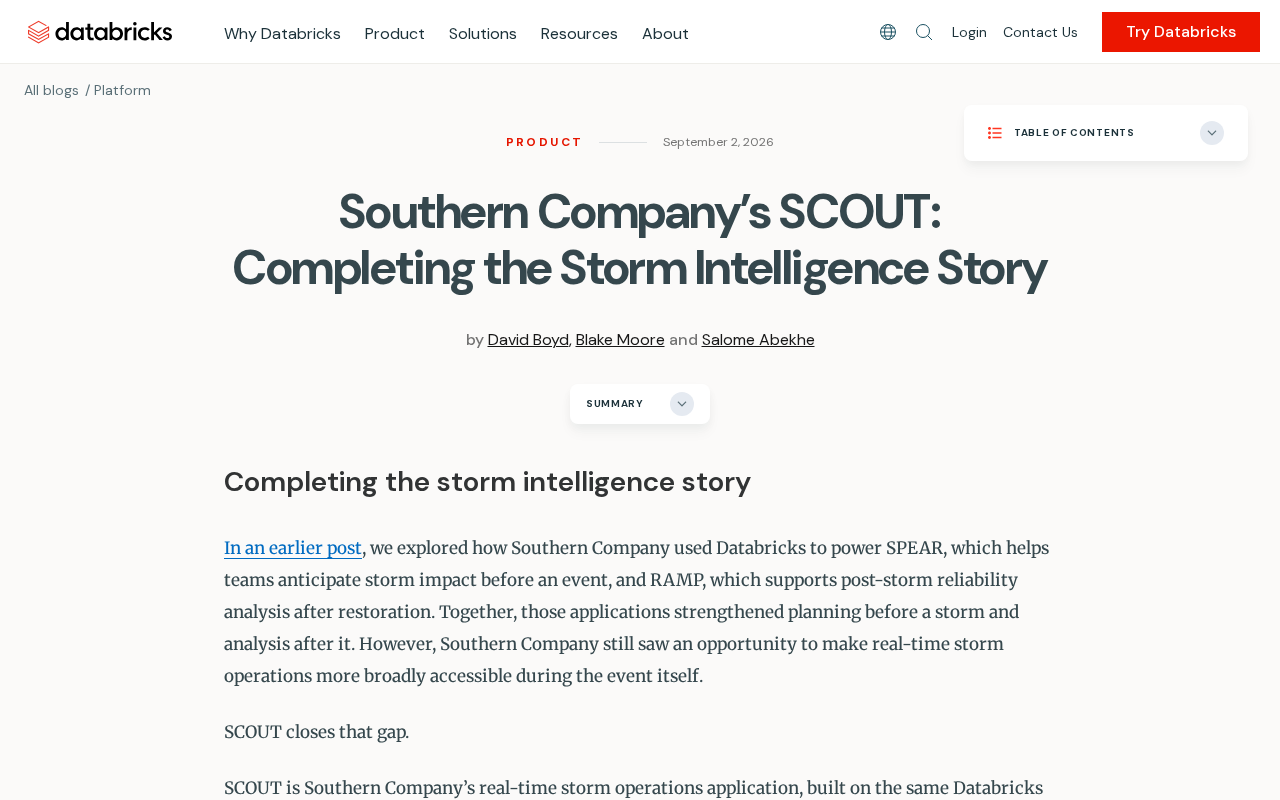
SCOUT integrates prediction, monitoring, and AI-driven dispatch to transform storm response for utilities.
Southern Company's SCOUT system completes the storm intelligence chain by providing minute-level grid visibility through smart meter networks and optimizing repair crew dispatch using AI algorithms. It integrates meteorological data, sensor readings, and historical patterns to enable proactive response—prioritizing critical infrastructure and maximizing restoration efficiency during extreme weather events.
From Storm Warning to Intelligent Response: A Complete Closed Loop
For electric utilities, widespread power outages caused by severe weather represent one of the most challenging operational issues. When hurricanes, blizzards, or severe convective storms strike, the ability to rapidly assess damage scope, efficiently deploy repair resources, and restore power as quickly as possible directly impacts the daily lives and public safety of millions of customers. Southern Company's SCOUT system is an intelligent storm response solution developed precisely to address these challenges.
Southern Company is one of the largest utility holding companies in the United States, headquartered in Atlanta, Georgia. Its subsidiaries include Alabama Power, Georgia Power, and Mississippi Power, serving approximately 9 million customers across the southeastern U.S. with electricity and natural gas. Because its service territory lies along the Gulf Coast—a region frequently hit by hurricanes—the company has long faced severe extreme weather threats, driving continuous investment and innovation in storm response technology.
In previous explorations, Southern Company demonstrated how to use data analytics and machine learning to predict potential storm impacts on the grid. The emergence of SCOUT marks the company's establishment of a complete technical chain in the Storm Intelligence domain—achieving full-cycle intelligence from pre-event prediction through real-time monitoring to post-event recovery.
What is "Storm Intelligence"
The core concept of storm intelligence is to integrate meteorological data, grid infrastructure data, historical outage records, and real-time sensor information to provide electric utilities with decision-support capabilities spanning the entire lifecycle.
Traditional emergency response often relies on manual experience and post-event section-by-section inspections—inefficient and slow to respond. By leveraging AI and big data technologies, utilities can predict which areas are most likely to be damaged before a storm arrives, pre-deploy repair crews and material reserves, and transform reactive response into proactive defense. This conceptual shift is closely related to the electric industry's recent emphasis on Grid Resilience. Unlike the traditional "reliability" concept (which focuses on continuity of supply measured by metrics like SAIDI and SAIFI during normal operations), resilience emphasizes the power system's ability to rapidly absorb shocks, maintain critical functions, and restore normal operations when subjected to high-impact extreme events such as hurricanes, ice storms, and earthquakes. The U.S. National Academies of Sciences, Engineering, and Medicine explicitly identified grid resilience as a key national energy security priority in their 2017 report, driving development of intelligent resilience enhancement solutions including SCOUT.
How SCOUT Completes the Intelligent Response Chain
If prediction systems answer "what impact will the storm have," then SCOUT addresses the critical question of "how should we act after the storm occurs." It fills the gap between prediction and actual repair dispatch, creating a true closed loop for storm response.
Real-Time Situational Awareness: Minute-Level Grid Visibility
SCOUT's core value lies in providing real-time grid situational awareness. The system integrates multi-source data from smart meters, line sensors, drone inspections, and field crew feedback to construct a dynamically updated grid "health map."
Smart meters play a critical role as the "sensor network" at the grid edge. As a core component of Advanced Metering Infrastructure (AMI), smart meters enable two-way communication and remote reading, reporting data every few seconds to minutes. Unlike traditional mechanical meters, they allow utilities to determine in real-time whether a particular meter is experiencing an outage without manual inspection. In storm scenarios, millions of smart meters form an extremely wide-coverage monitoring network capable of mapping the precise scope and boundaries of outages in a short time.
Operations centers can intuitively see:
- Which lines have been interrupted
- Which areas and customers are affected
- How repair progress is advancing in each zone
This capability is especially critical for large-scale outage events. Under traditional models, utilities often need hours or even days to fully understand damage extent, whereas SCOUT's intelligent analysis can compress this to minute-level timeframes, securing precious golden hours for repairs.
Resource Dispatch Optimization: Maximizing Limited Resources
Beyond situational awareness, SCOUT also handles resource dispatch optimization. Facing numerous damage points scattered across a vast geographic area, efficiently deploying limited repair forces is a classic operations research optimization problem.
From a mathematical perspective, this belongs to a complex variant of the classic Vehicle Routing Problem (VRP), a well-known NP-hard problem in combinatorial optimization. In the power repair scenario, complexity far exceeds typical logistics delivery—the system must simultaneously consider fault priority, dynamically changing road conditions (such as routes blocked by fallen trees or flooding), skill differences among repair crews, and equipment configurations, among other constraints. Modern solution methods typically combine metaheuristic algorithms (such as genetic algorithms and simulated annealing) with machine learning prediction models to approximate optimal solutions within acceptable time frames.
SCOUT uses intelligent algorithms to comprehensively weigh the following factors, providing optimal dispatch recommendations:
- Damage severity: Prioritize critical damage that could trigger secondary disasters
- Number of affected customers: Prioritize lines that restore power to the most users
- Real-time crew locations: Reduce ineffective travel and shorten arrival times
- Critical facility priority: Ensure hospitals, emergency centers, and other vital customers receive priority restoration
This means critical infrastructure receives the fastest power restoration while overall outage recovery efficiency is significantly improved.
Technical Architecture and Data-Driven Approach
SCOUT's capabilities are underpinned by modern data infrastructure and powerful cloud computing. Integrating and real-time processing of multi-dimensional data across meteorology, geography, grid, and customers requires high-performance data pipelines and analytics engines.
From a technical implementation perspective, SCOUT's real-time data processing capabilities are built on modern streaming data architecture. Typical technology stacks include message queue systems like Apache Kafka for data ingestion and buffering, stream processing engines like Apache Spark or Flink for real-time computation, and cloud-native data lakes or warehouses (such as AWS S3, Azure Data Lake, Snowflake) for storage and analysis. The elastic scalability of cloud computing platforms is particularly important in storm scenarios—while data volumes are relatively stable during normal times, sensor data, customer reports, and meteorological information experience explosive growth during storms. Cloud architecture can scale computing resources on demand to handle peak loads, preventing system overload when it's needed most.
Multi-Source Data Integration: Breaking Information Silos
The complexity of power systems means no single data source can provide a complete decision-making view. SCOUT's design philosophy is to integrate as many data sources as possible:
- Satellite meteorological data: Track storm path and intensity changes
- Ground sensor readings: Real-time line status monitoring
- Historical outage patterns: Identify high-risk areas and weak points
- Social media feedback: Capture user-reported outages and damage
Through multi-source data fusion, the system forms more comprehensive and accurate situational assessments than any single channel could provide.
Deep Application of AI and Machine Learning
Based on data fusion, machine learning models play core roles in prediction and optimization. Whether predicting equipment failure risks or estimating time required for different repair routes, AI models can provide quantified estimates based on massive historical data, helping dispatchers make more precise decisions.
This "data + algorithms + human decision-making" collaborative model leverages AI's advantages in massive data processing while preserving human experiential judgment in complex situations. This human-machine collaboration design philosophy is especially important in critical infrastructure domains—purely automated decisions may produce misjudgments when facing unprecedented extreme scenarios, while complete reliance on humans cannot handle information overload. The organic combination of both represents the most pragmatic path at this stage.
Implications for Electric Industry Intelligence
Southern Company's SCOUT practice provides a highly valuable reference for digital transformation across the entire utility industry. It demonstrates that AI technology is not only suitable for cutting-edge research or consumer internet scenarios, but can also create tangible value in traditional infrastructure operations.
For critical industries like electricity that affect national welfare and people's livelihoods, the significance of intelligence lies not only in improving daily operational efficiency, but more importantly in enhancing system resilience and risk resistance. As extreme weather events become increasingly frequent due to climate change, building intelligent storm response systems has evolved from "nice to have" to an unavoidable imperative. According to statistics from the National Oceanic and Atmospheric Administration (NOAA), economic losses in the United States from weather and climate disasters have climbed significantly over the past decade, with over 20 weather disaster events each year causing losses exceeding $1 billion from 2020 to 2023. Scientific research indicates that global warming leads to increased atmospheric moisture content, resulting in intensified hurricanes, increased frequency of heavy precipitation events, and altered winter storm patterns. For power infrastructure, overhead lines face more frequent tree falls, ice loading, and wind pressure damage, making intelligent storm response systems a necessity rather than an option.
Conclusion
SCOUT completes the final piece of Southern Company's storm intelligence landscape, integrating prediction, monitoring, and response into a coherent intelligent system. This case clearly demonstrates how data-driven approaches and AI enablement can be solidly implemented in the traditional energy industry, providing a replicable path for other electric utilities and utility companies in their intelligence exploration.
As related technologies continue to mature, power systems are poised to respond to every future storm more rapidly and intelligently, maximizing protection of customer power safety and normal societal operations.
Related articles
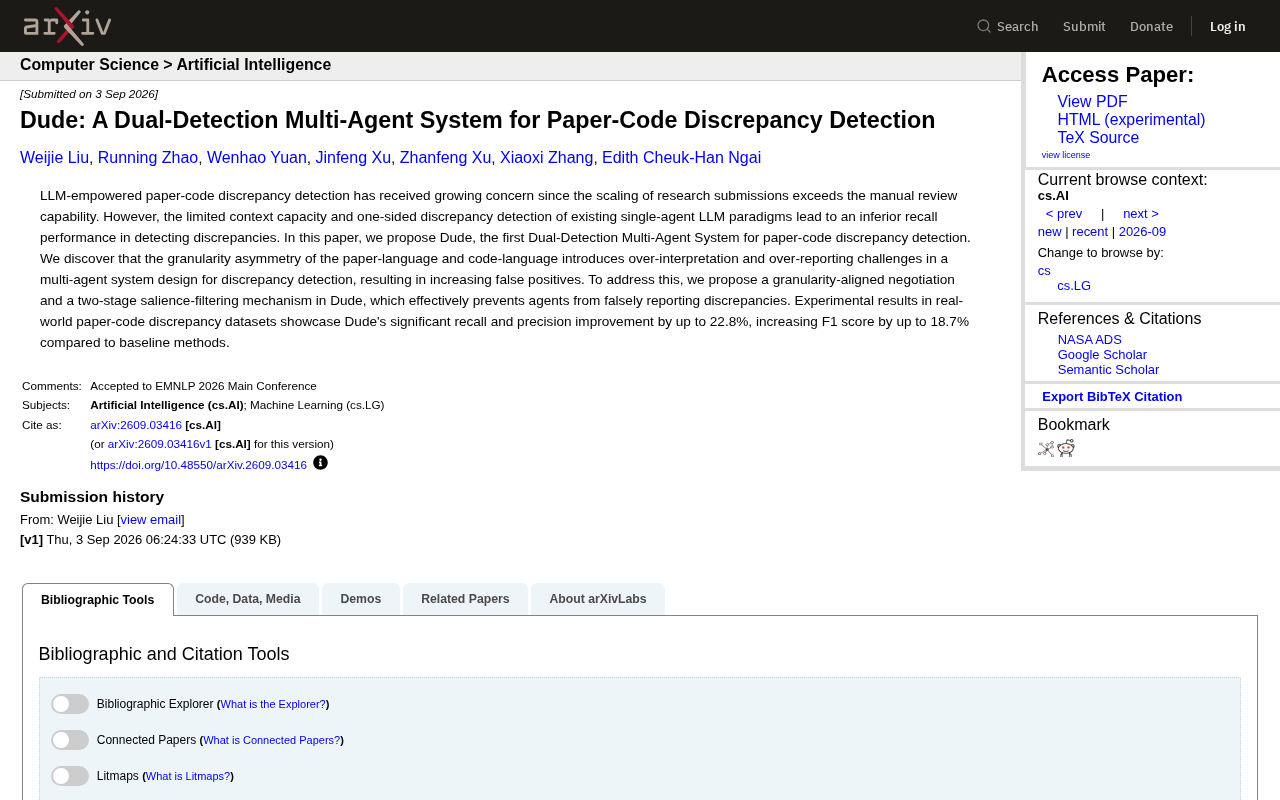
The Dude System: How Dual-Detection Multi-Agent AI Catches Inconsistencies Between Papers and Code
Dude is the first dual-detection multi-agent system for paper-code discrepancy detection, using granularity-aligned negotiation and two-stage salience filtering to boost recall and precision by up to 22.8%.
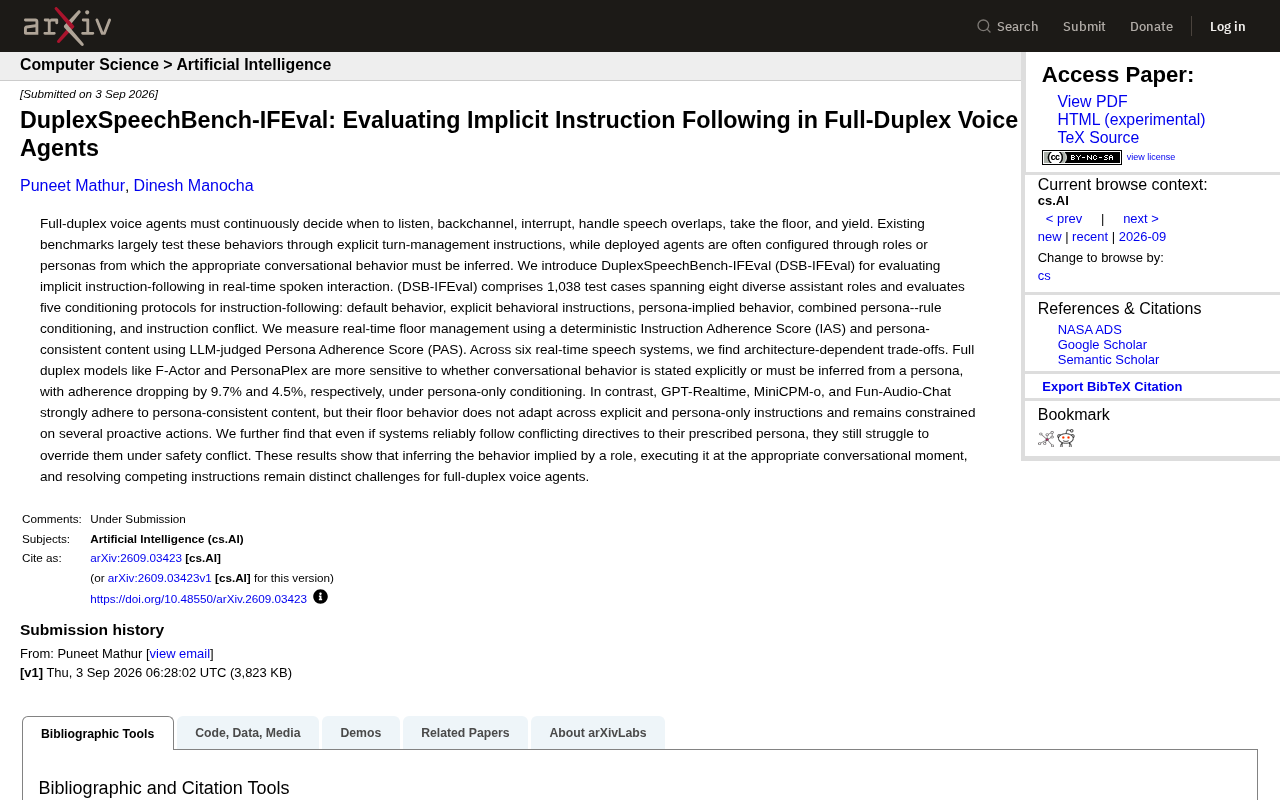
Implicit Instruction Following in Full-Duplex Voice Assistants: DSB-IFEval Benchmark Analysis
In-depth analysis of the DSB-IFEval benchmark reveals full-duplex voice assistants' capability gaps in implicit instruction following, persona reasoning, and conflict resolution. Covers comparative testing of six voice systems and examines behavioral vs. content trade-offs driven by architectural differences.
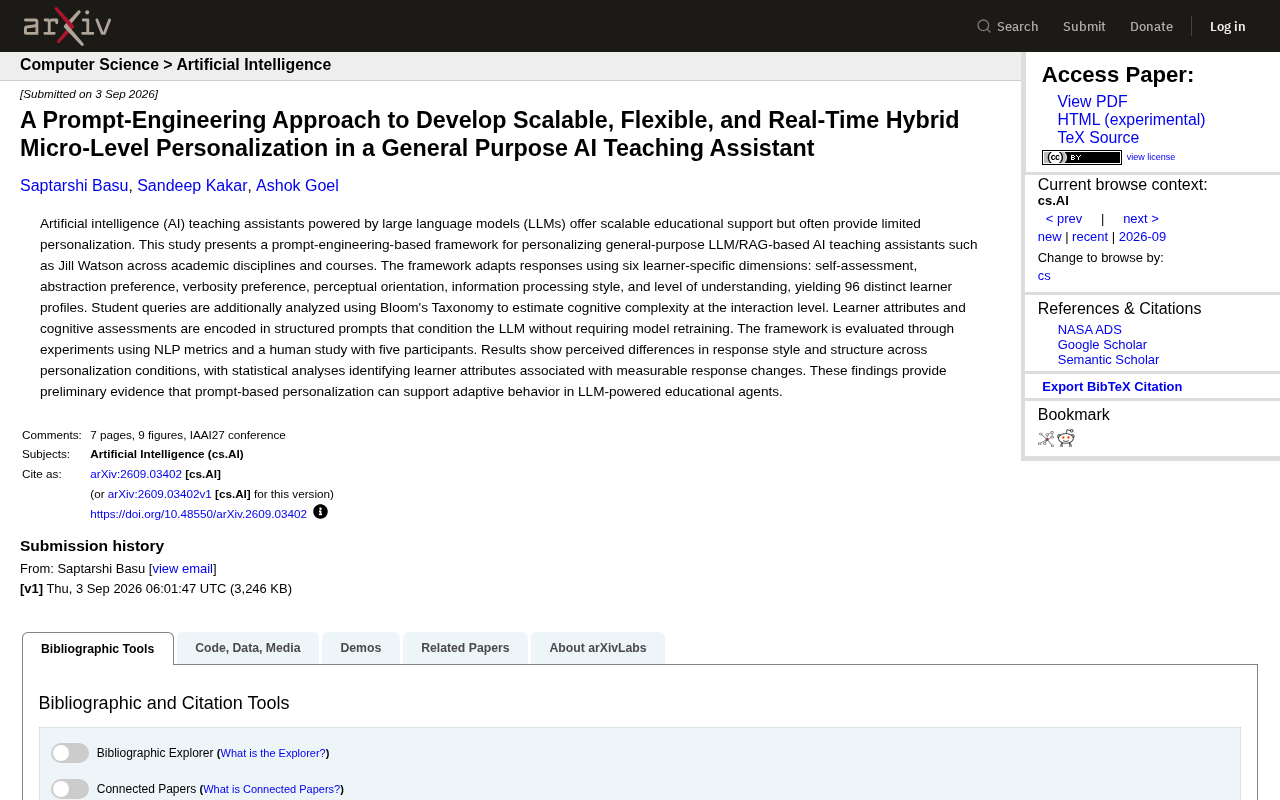
Personalizing AI Teaching Assistants with Prompt Engineering: A Deep Dive into the Six-Dimension Learner Profile Framework
Explore a prompt engineering framework for AI teaching assistants using six-dimension learner profiles and Bloom's Taxonomy to deliver 96 personalized teaching styles without model retraining.