Stackness: The Social Home for Developer Tools — Show Off Your Stack
Stackness lets developers publicly share and discover tech stacks with a built-in MCP server for AI integration.
Stackness is a developer tool platform centered on "tech stack social sharing," letting users bundle their editors, frameworks, and AI assistants into a shareable Stack Profile. Through social features like following others and posting workflow updates, it turns tool discovery into a trust-based feed. It's completely free and includes a built-in MCP server, making stack data directly queryable by AI assistants like Cursor and Claude. Ranked #9 on Product Hunt with 77 upvotes, its opportunity lies in the growing vibe coding community, while its main challenge remains the cold-start and retention problem common to all social platforms.
A "Tech Stack Social Platform" Built for Developers
Every developer has their own favorite toolkit — editors, frameworks, CLI tools, AI coding assistants, deployment platforms. These choices are usually scattered across personal blogs, GitHub dotfiles, or random tweets, with no single place to showcase them all. Stackness aims to fill that gap, positioning itself as "The social home for your dev tools."
The core idea is straightforward: Show your stack. Developers can publicly share the tools, workflows, and methodologies they use to build products, packaging their entire stack into a single shareable link. The product has received 77 upvotes and 14 comments on Product Hunt, ranking #9 for the day, listed under the Productivity, Developer Tools, and Tech categories.
What Problem Does It Actually Solve
There's a long-standing information need in the developer community: what tools is everyone else using? Especially with the rise of "vibe coding" — a style of development that's intuitive and heavily AI-assisted — the variety and pace of tool changes have accelerated. Stackness targets exactly this audience: not just traditional developers, but the new generation of "vibe coders."
According to the official description, Stackness offers several key capabilities:
- Build a shareable Stack Profile: Bundle your tools into a single link for easy one-shot sharing;
- Post your "moves": Log the adjustments and experiments you make to your workflow;
- Follow people you trust: Keep tabs on developers whose taste you respect, and reference their tool choices;
- Watch tools rise and fall: See, in a social feed, which tools are gaining traction and which are fading out.
This design transforms "tool discovery" from a passive search behavior into a recommendation mechanism based on social trust. Instead of browsing a ranked list, you see what the people you admire are actually using.
Free Pricing and the MCP Server Bonus
Two details are worth noting. First, the product is completely free, lowering the barrier to entry. Second, it ships with a built-in MCP server.
MCP (Model Context Protocol) is a protocol standard that has gained rapid traction in the AI tooling ecosystem, enabling AI models to establish standardized connections with external data sources and tools. By providing an MCP server, Stackness goes beyond being a static display page — it becomes a data source that AI assistants can directly read and query. In theory, developers could let an AI agent look up someone's tech stack, aggregate tool trends, or reference that information directly within their coding environment.
This move pushes Stackness from being a "social business card" toward becoming a "structured data platform consumable by AI" — aligning with the broader ecosystem's growing appetite for MCP compatibility.
Opportunities and Challenges From a Product Perspective
The idea behind Stackness isn't complicated, but the success of social products almost always hinges on whether network effects can kick in. The core challenge it faces is the classic cold start problem: only when enough influential developers join and consistently update their stacks does it become valuable for others to follow and reference.
Its differentiation lies in treating "tools" themselves as social currency. Compared to GitHub's code-centric social graph or Twitter/X's opinion-driven one, Stackness focuses on a more vertical, more practical dimension — what you use to build things. For people who frequently need to evaluate tools and set up dev environments, this is a real and recurring pain point.
That said, it's worth being realistic: attempts at "sharing setups" and "showing off tools" are nothing new, and most have struggled to retain users over time. Whether Stackness can find its growth curve by leveraging MCP integration and the rise of the vibe coding community remains to be seen.
Conclusion
Stackness carves out a niche around developer tool showcasing and discovery, using social mechanics to reorganize the information around "what others are using," while adding practical and forward-looking value through its free model and built-in MCP server. For developers and vibe coders who love tinkering with tools and following others' workflows, it's worth a try. Whether it can clear the cold-start hurdle common to social products will be the defining factor in its long-term value.
Related articles
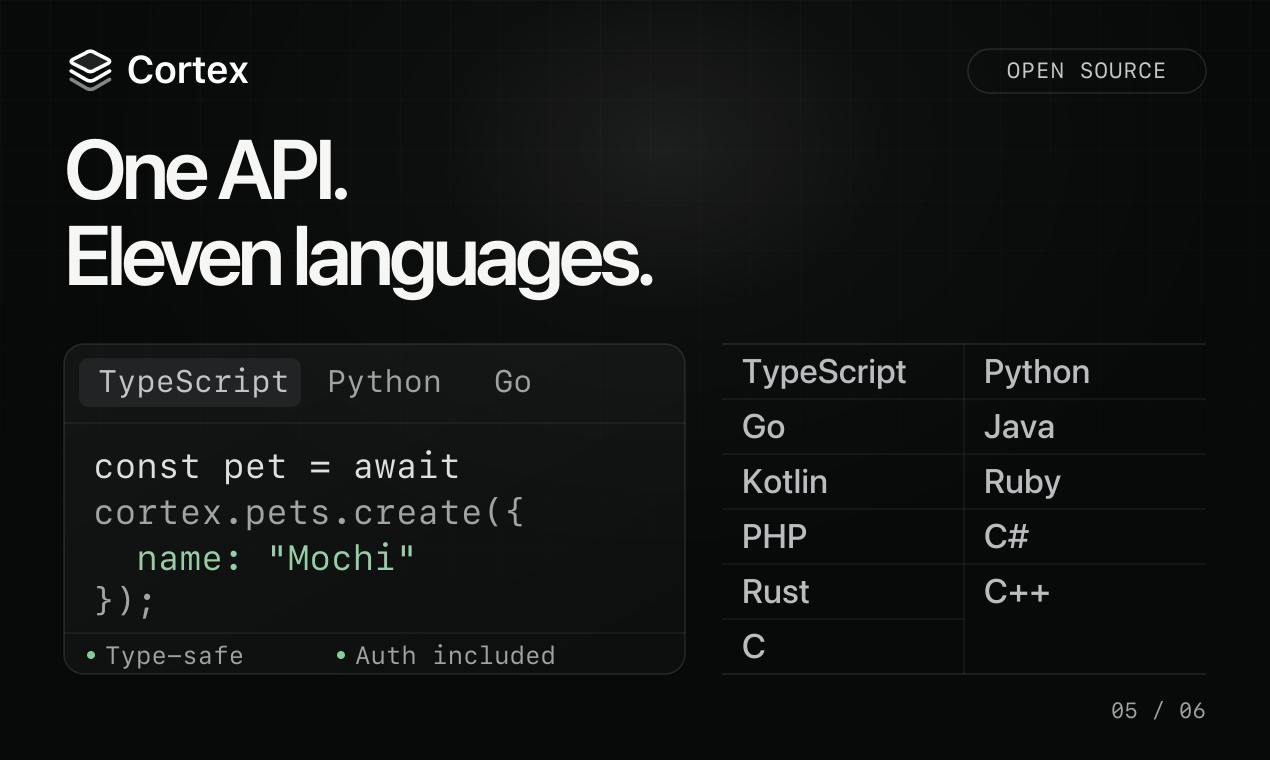
Cortex: Convert API Specs into Docs, SDKs, and MCP Servers in One Click
Cortex is an open-source tool that converts OpenAPI, GraphQL, gRPC and more into interactive docs, typed SDKs in 11 languages, and MCP servers for AI agents.
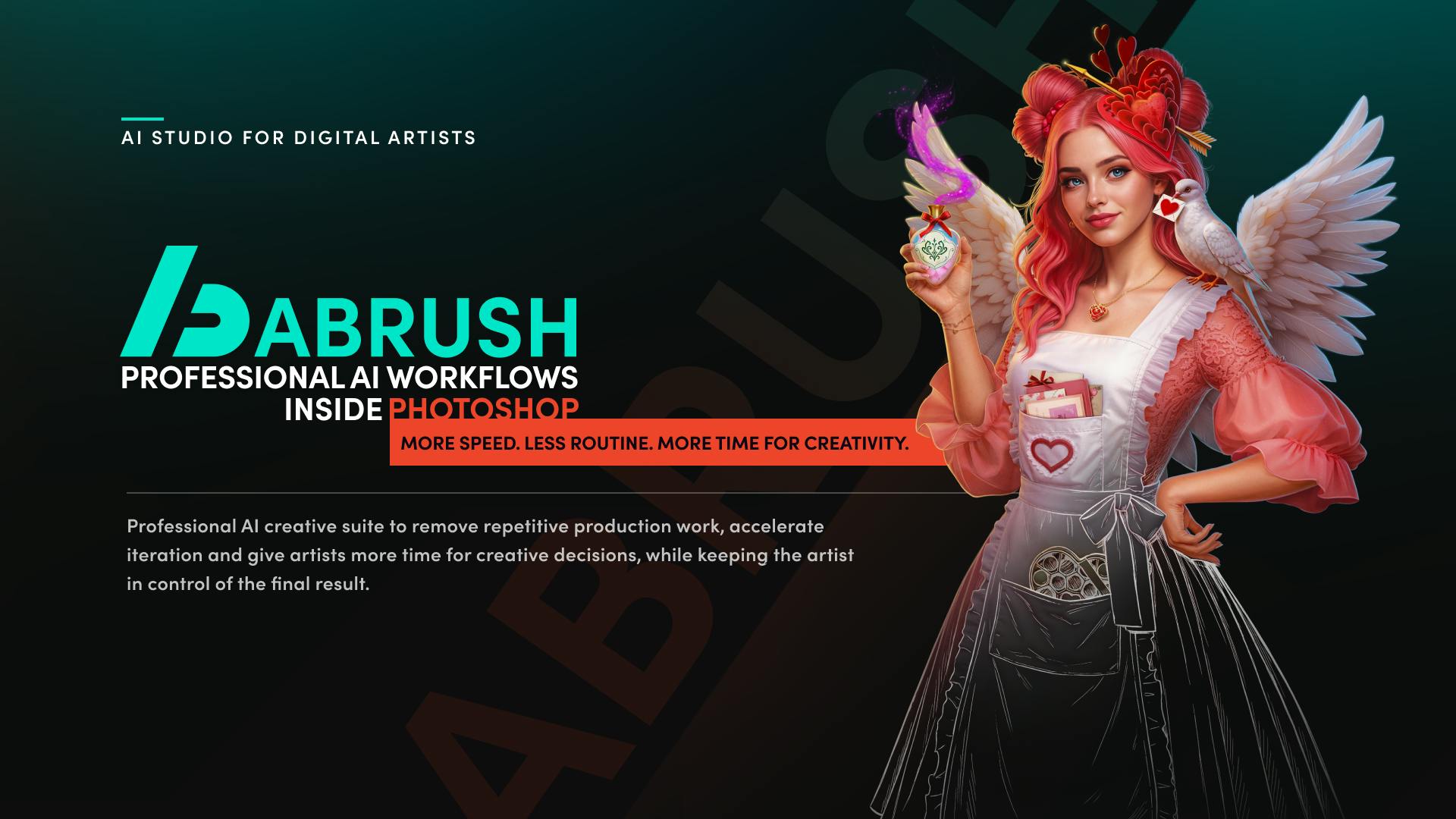
ABrush: An AI Studio Built for Digital Artists
ABrush is an AI studio for digital artists, ranked #4 on Product Hunt. It embeds leading AI models into existing workflows to remove repetitive tasks, speed up iteration, and keep artists in control.
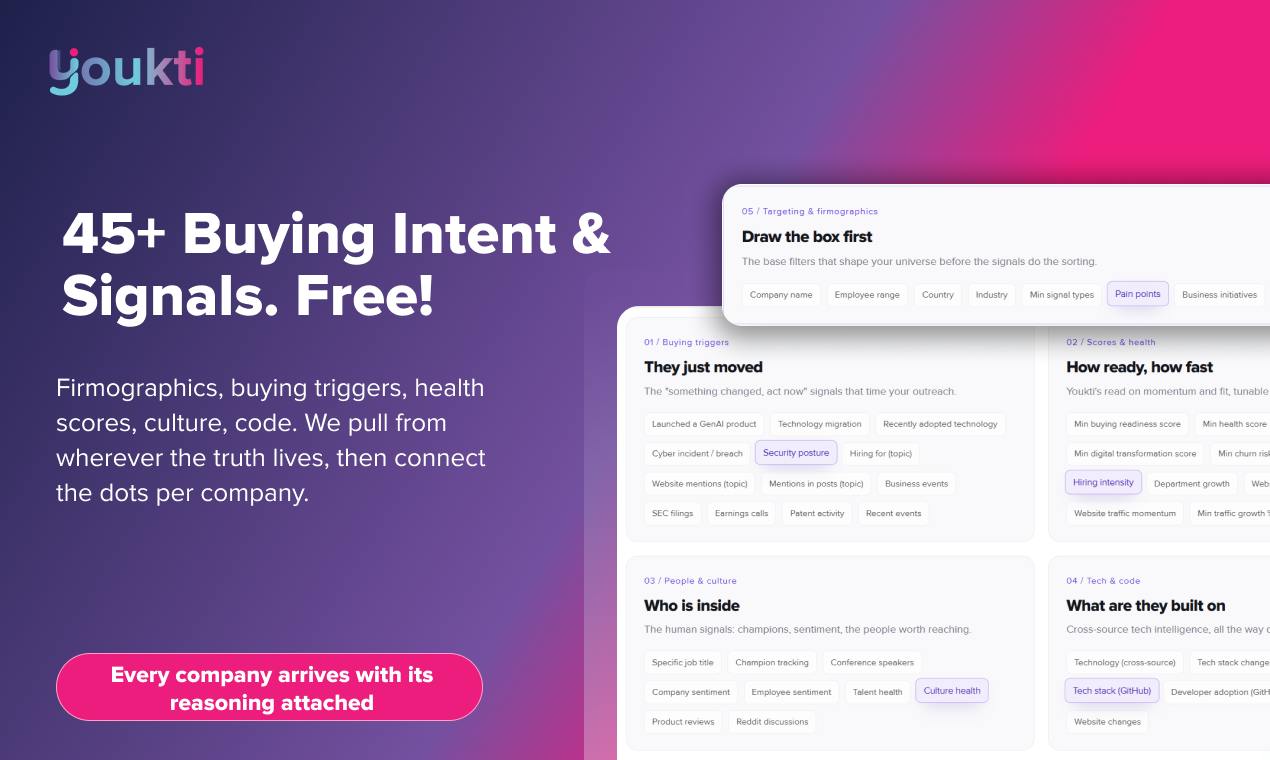
Youkti: An AI That Remembers Every Deal and Tells Your Sales Team What to Do Next
Youkti is an AI sales assistant that hit #2 on Product Hunt. It remembers every account, conversation, and deal — then tells your team exactly what to do next. Contact data, buying signals, and intent data are all free.