Steam Frame In-Depth Review: A Wearable PC Built for Hardware Enthusiasts
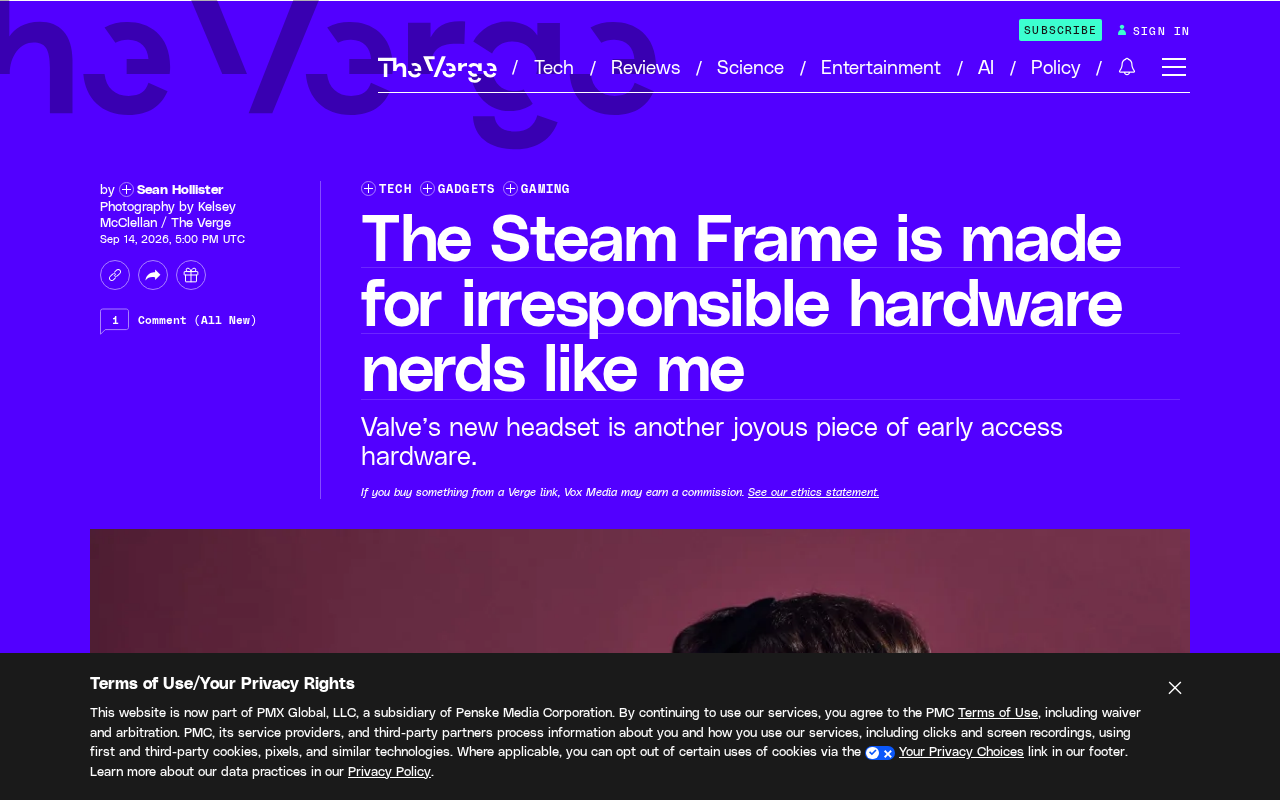
Valve's Steam Frame is a $1,000+ wearable PC built for hardware tinkerers, not mainstream VR users.
Valve's Steam Frame positions itself as a "wearable PC" rather than a VR headset, priced at $1,059 (256GB) to $1,299 (1TB) — two to three times the cost of comparable devices. After nearly three weeks of testing, the core takeaway is that Steam Frame brings a full PC environment to a head-mounted form factor, continuing Valve's open-platform philosophy. Its target audience is unmistakable: hardware enthusiasts willing to pay for freedom and tinkering potential, not value-focused casual consumers.
A Wearable Device That Goes Against the Grain
Valve's Steam Frame is not just another VR headset. After nearly three weeks of intensive testing, this device — defined as a "wearable PC" — reveals a product philosophy that diverges sharply from mainstream headsets. It's neither a piece of entertainment hardware chasing the VR wave nor a lightweight consumer experience product. It's more like a full-fledged computer you wear on your head.
The price tag alone sets it apart: the 256GB model starts at $1,059, while the 1TB version climbs to $1,299. That's two to three times the cost of comparable headsets — enough to give most consumers pause. But that's precisely the point. The target user profile here is unmistakably clear: tech enthusiasts who enjoy tinkering with hardware and pushing devices to their limits.
The Product Positioning Behind the High Price
Dismissing Steam Frame as "an expensive headset that missed the VR boom" fundamentally undersells Valve's ambitions. With this product, Valve continues its trademark open-platform philosophy — attempting to bring the full capabilities of a PC into a wearable form factor, rather than building a closed entertainment ecosystem.
That positioning naturally defines the audience. For users who simply want to experience VR gaming, there are plenty of cheaper alternatives on the market. But for hardware enthusiasts who want to run a complete PC environment on a headset and experiment with unconventional use cases, Steam Frame offers a degree of freedom that's hard to find elsewhere. The original reviewer openly describes themselves as an "irresponsible hardware enthusiast" — a self-deprecating label that perfectly captures the product's core appeal.
Who Will Actually Pay for It
Steam Frame's premium pricing isn't a positioning mistake — it's Valve's deliberate market filter. Rather than chasing volume, Valve is targeting a niche segment of users willing to pay for playability and openness. This audience doesn't prioritize value for money; they care about how many limits a device can break and how many unconventional use cases it can unlock.
Valve's long-standing open-platform philosophy is well established in the Steam ecosystem. The Steam Deck handheld console is the most obvious precedent — it runs a full SteamOS (based on Linux), and users can install Windows, swap out the SSD, or modify the system at a low level. This stands in stark contrast to the closed ecosystems of Sony and Nintendo. Steam Frame follows the same logic: instead of relying on a closed app store and proprietary OS like Meta Quest, it integrates a complete PC computing environment into a head-mounted form factor. In theory, users can run any compatible software, access the full file system, and connect external peripherals. The essential difference between a "wearable PC" and a "VR headset" is that the former isn't limited to immersive content — it brings everyday PC workflows to a device worn on your head.
In consumer electronics, "hardware enthusiast" typically refers to users who find genuine enjoyment in modding, overclocking, flashing firmware, or pushing devices beyond their official limitations. Their core demand isn't "does it work" but "can I tinker with it" — these are the people who willingly spend hours debugging driver compatibility, manually compiling software packages, or troubleshooting edge-case scenarios. While this group is relatively small, their influence in hardware communities is significant: their in-depth reviews and modification logs often help a broader audience unlock unofficial potential from devices. Historically, Valve relied on exactly this kind of user — their word-of-mouth and community contributions helped the Steam Deck rapidly mature within the Linux gaming ecosystem. Steam Frame follows the same playbook.
Initial Observations After Three Weeks of Testing
After nearly three weeks of continuous use, Steam Frame left a strong impression in the category of "exploring hardware boundaries." It feels more like a blank canvas waiting to be developed than a polished, out-of-the-box experience. For users who enjoy digging in and getting their hands dirty, this "not-quite-finished" quality is actually part of the appeal.
That said, this product characteristic also means it's not for everyone. Casual users with little interest in tinkering will likely find the return on investment questionable. The value of Steam Frame is deeply tied to the technical curiosity and exploratory drive of the person using it.
Closing Thoughts: A Niche Product with a Clear-Eyed Vision
Steam Frame represents a rare product philosophy: instead of courting the mass market, it precisely serves a well-defined niche. At a time when VR/AR hardware is becoming increasingly commoditized, Valve has chosen to use a high price and high degree of freedom to filter for true hardware enthusiasts.
For tech-minded users who crave the ultimate tinkering experience and don't mind paying a premium for it, Steam Frame offers a genuinely unique platform. For mainstream consumers, it may simply be an "overpriced" device. Whether it's worth it ultimately comes down to one question: are you, too, an "irresponsible hardware enthusiast"?
Related articles
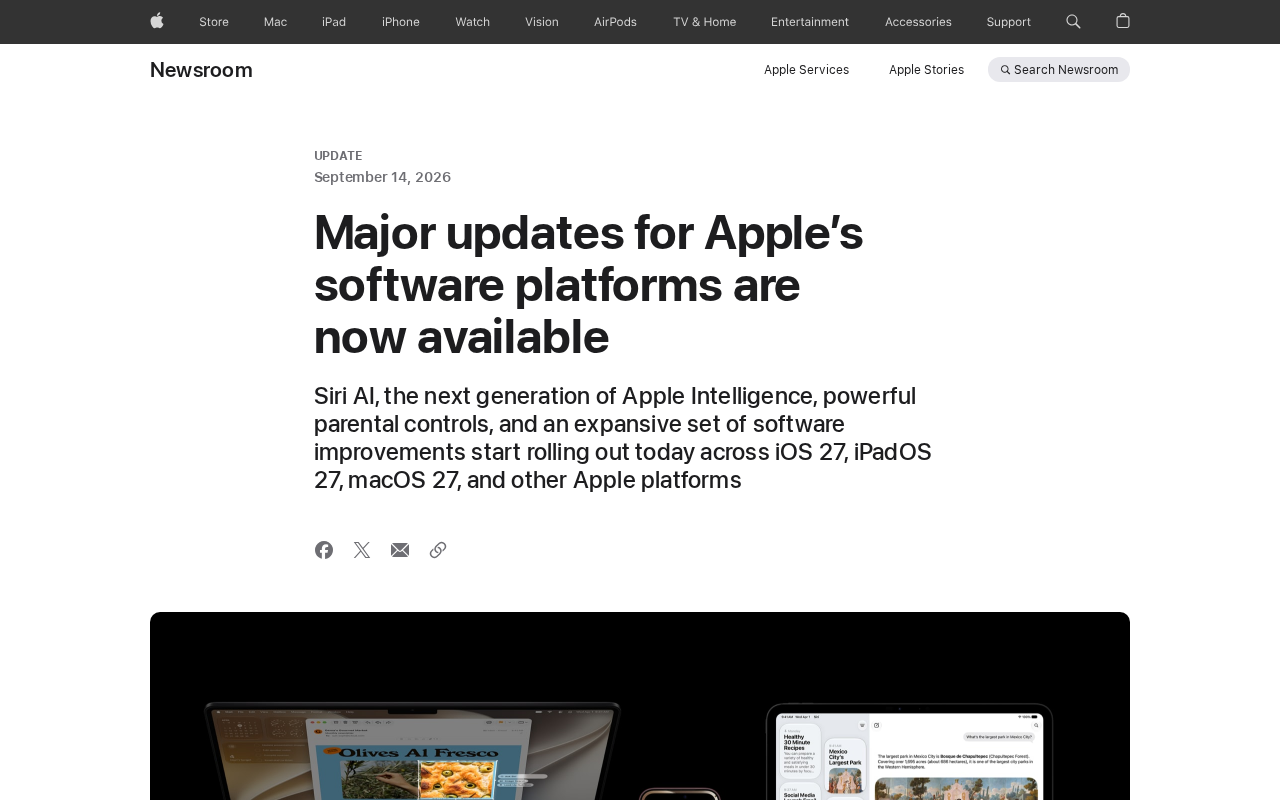
iOS 27, iPadOS 27, and macOS 27: The Information Gap Behind a Discussion
A Hacker News post about iOS 27, iPadOS 27, and macOS 27 sparked speculation about Apple unifying its version numbering. Here's how to read it with limited info.

ComfyUI Prompt Studio: A Workflow for Turning Reference Images into Production-Ready Prompts
ComfyUI Prompt Studio is an open-source workflow that auto-generates production-ready image prompts, multi-model custom prompts, and MiniMax video scripts from reference images.

K2 Horizon 7B: A Small Model Punching Above Its Weight
K2 Horizon 7B ranks between Qwen 3.6 27B and 35BA3b on the Artificial Analysis Intelligence Index, delivering near-mid-tier intelligence at 7B parameters — a strong local deployment option.