TechCrunch Disrupt 2026: A Preview of the VC Judge Lineup for Startup Battlefield 200

TechCrunch Disrupt 2026's Startup Battlefield 200 features next-gen VC judges; early bird registration closes September 25.
TechCrunch Disrupt 2026's Startup Battlefield 200 will feature a "next wave of VCs" as main stage judges — investors likely more attuned to today's AI, climate tech, and deep tech trends. A cornerstone of the Disrupt conference that has helped launch companies like Dropbox, making the 200-company finalist list is itself an industry endorsement. For founders, it's a chance to sharpen pitches, gain exposure, and attract investor interest — while adapting to a new generation of evaluators. Early bird registration is open until 11:59 PM PT on September 25, with savings of up to $200.
TechCrunch Disrupt 2026: A Preview of the VC Judge Lineup for Startup Battlefield 200
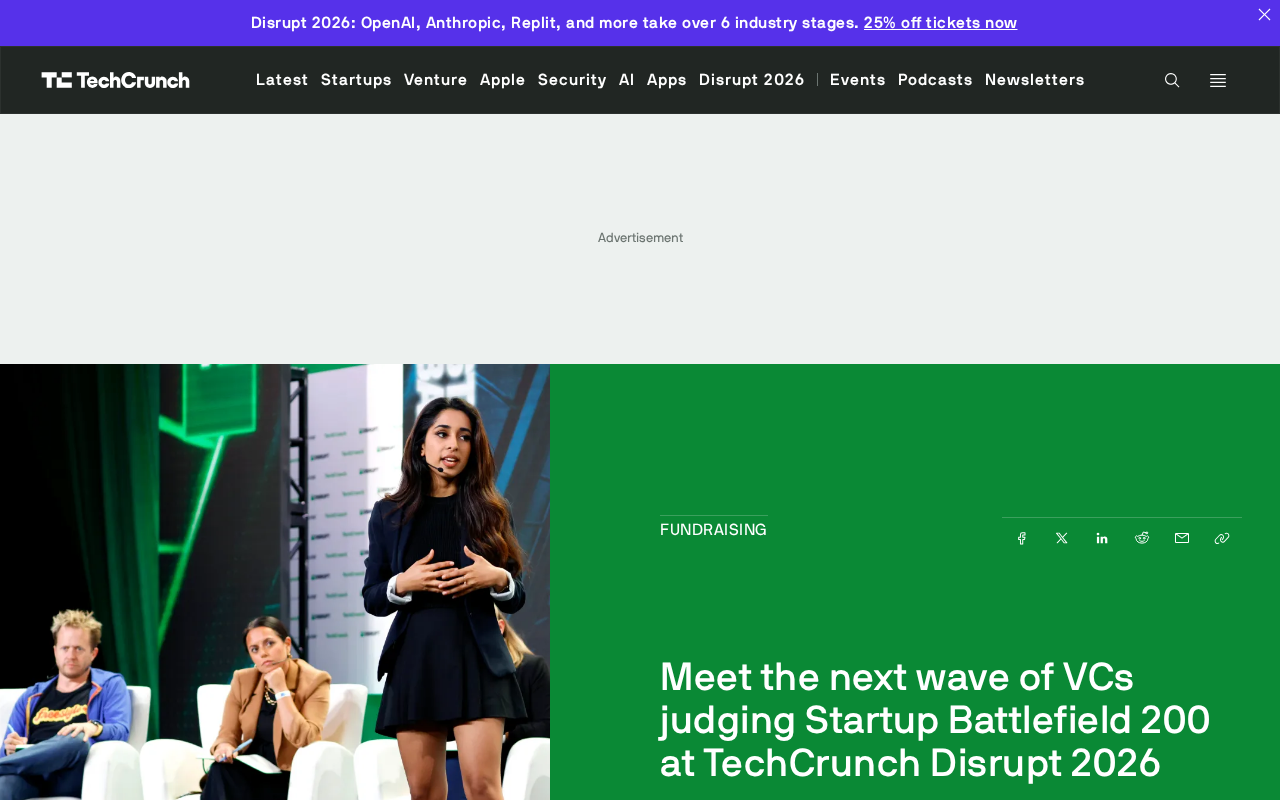
As one of the most closely watched annual events in the tech startup world, TechCrunch Disrupt is once again turning its spotlight on the intersection of the next generation of founders and investors. This year's Startup Battlefield 200 competition will welcome a fresh cohort of venture capitalists as judges, who will evaluate the participating startups on the main stage.
What Is Startup Battlefield 200
Startup Battlefield is the centerpiece of TechCrunch Disrupt, long regarded as a critical launchpad for startups stepping into the spotlight. Built around live pitching, the competition selects a group of high-potential early-stage companies and gives them the chance to showcase their products and vision before top-tier industry investors and a live audience.
The "200" refers to the scale of finalists selected. These companies undergo real-time evaluation from seasoned investors throughout the conference, making competition fierce. For early-stage teams, simply making it onto this stage carries its own weight as an industry endorsement — and the exposure, feedback, and potential investor interest generated here can have a tangible impact on a company's trajectory.
Looking back at its history, Startup Battlefield has been running since TechCrunch Disrupt launched in 2007 — nearly two decades. Alumni include companies like Dropbox, Mint, and Yammer, some of which went on to raise at billion-dollar valuations or successfully IPO. This track record gives the "Battlefield alumni" label a meaningful signal of credibility in the venture ecosystem. The competition typically runs in two phases: preliminary rounds held in smaller exhibition spaces, followed by finals on the main conference stage. Judges assess startups across dimensions including business model, market size, team capability, and technological defensibility through live Q&A and scoring. Beyond the trophy, the most valuable outcome for winning teams is often the sustained wave of media coverage and inbound investor interest that follows in the weeks after the competition.
Why the New Generation of VC Judges Matters
The official emphasis on a "next wave of VCs" serving as judges is a signal worth paying attention to. Generational shifts in the investment world often bring changes in focus areas and evaluation criteria — emerging investors may have sharper instincts for specific sectors like AI, climate tech, and developer tools, and may be more willing to back contrarian but high-potential bets.
For competing companies, this means facing not just partners from traditional legacy funds, but a cohort of judges who may be more closely attuned to today's technology waves. That's both an opportunity and a challenge: how clearly you can communicate your product's differentiated value and market thesis within a limited pitch window will directly shape your performance.
The "generational shift" in venture capital typically refers to a systemic transfer of decision-making authority — from LP capital structures down to GP-level investment power. Over the past decade, a new generation of funds that grew up alongside mobile internet, SaaS, and crypto — including younger partners at a16z, the next-gen investors at Founders Fund, and a wave of "operator VCs" who made the leap from founder to investor — have been gradually displacing the traditional incumbents in early-stage deal-making. These investors tend to weight technical feasibility and product depth more heavily than the logic of a polished business plan alone. They also generally show higher appetite for deep tech sectors like AI infrastructure, biotech, defense tech, and climate hardware than the previous generation did. For competing founders, understanding the portfolio and public views of the judges on stage can help you align your pitch more precisely with their mental frameworks.
Registration Details and Early Bird Pricing
According to the official announcement, interested attendees must register by 11:59 PM Pacific Time on September 25 to qualify for early bird pricing — saving up to $200 on tickets — and secure a front-row seat to this high-intensity startup pitch competition.
For practitioners looking to stay current on the venture landscape, find collaboration opportunities, or simply immerse themselves in the startup ecosystem, the early bird window is a moment worth acting on. Registering early not only saves money but also tends to translate into a better on-site experience.
Value for Founders and Industry Observers
The value of Startup Battlefield extends well beyond the competition results themselves. For founders, it's an opportunity to systematically stress-test their business model and sharpen their pitching skills. For investors and industry observers, it's an early window into emerging startup trends. Past Battlefield cohorts have produced companies that went on to become household names — which is why it continues to draw global attention year after year.
With a new lineup of VC judges set to be revealed, how this year's 2026 competition reflects shifting investment winds is well worth watching.
Note: This article is based on the official event preview published by TechCrunch. For the confirmed judge roster and event details, please refer to official announcements as they are released.
Related articles

A Single Prompt Triggers a Global PHP Security Storm: Is AI a Savior or a Hidden Risk?
A single AI prompt triggered a global PHP security crisis affecting Wikipedia and the Internet Archive. This article reviews the incident, analyzes the OpenAI-Amazon controversy, and explores the security paradox of lowered vulnerability discovery barriers in the AI era and developer response strategies.

When AI Is Taken Away: How Reliance on Shortcuts Undermines Your Problem-Solving Resilience
A study of 1,222 people found that after using AI to answer questions, once AI was removed, people gave up on more problems than a control group that never used AI. The article analyzes the impact of AI reliance on learning resilience and metacognition, and explores design implications for AI learning tools.

Carta and NewView Partner to Let Startup Employees Cash Out Equity Early
Carta and NewView Capital partner to simplify startup tender offers, helping employees sell equity early. Analysis of the mechanism, liquidity pain points, and impact.