The Contagion of Fear: Why AI Doomsday Claims Deserve Scrutiny
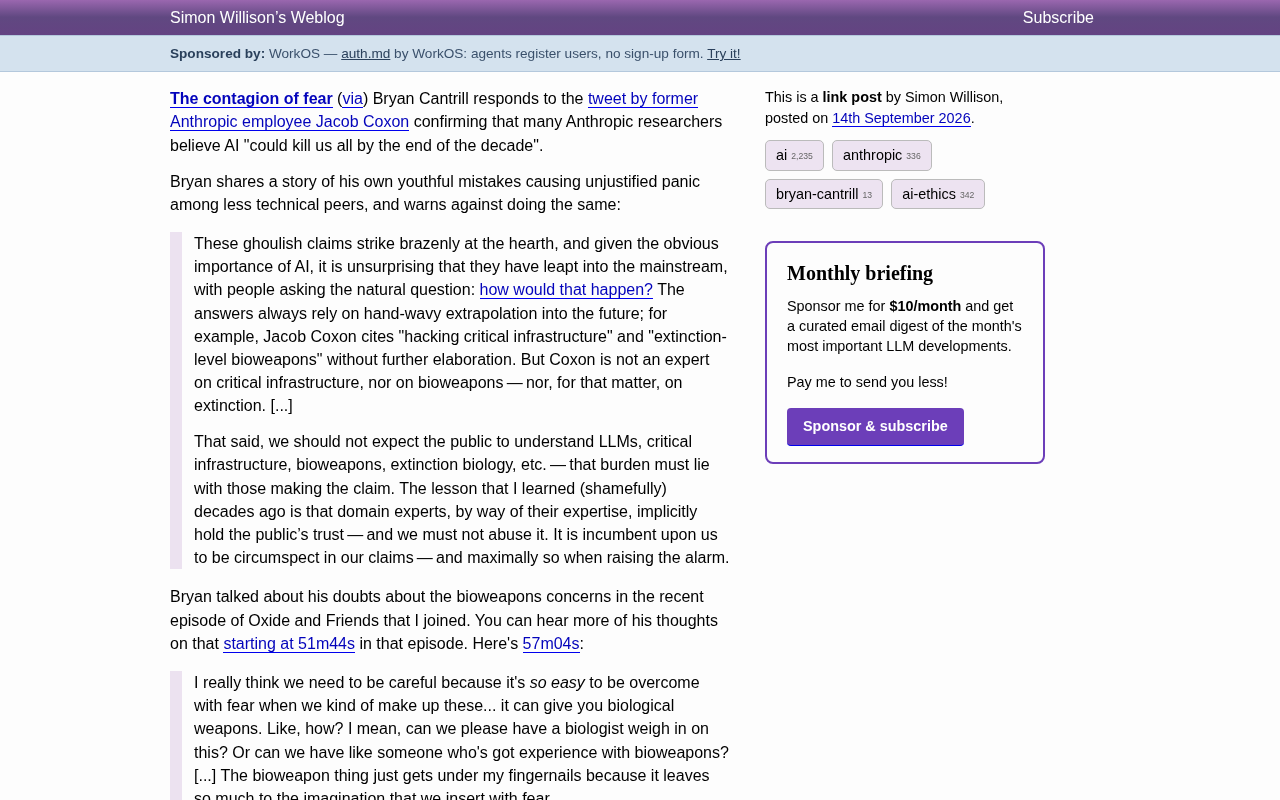
Bryan Cantrill argues AI doomsday predictions rely on vague speculation and abuse the public's trust in technical experts.
Oxide co-founder Bryan Cantrill wrote a response to a former Anthropic employee's claim that AI could "kill us all within a decade," raising a core question about expert responsibility: doomsday predictions rely on hand-wavy speculation, and the speakers are often not genuine experts in the relevant fields (critical infrastructure, bioweapons, extinction biology). Drawing on a personal experience of causing unjustified panic in his youth, Cantrill argues that domain experts implicitly hold public trust and must meet a higher burden of proof when sounding alarms. He is especially critical of the vagueness in bioweapon narratives — it is precisely that ambiguity that lets fear fill the evidential void and spread rapidly.
Systems engineer and Oxide Computer Company co-founder Bryan Cantrill recently wrote a response to a widely discussed statement — former Anthropic employee Jacob Coxon publicly confirmed on social media that many researchers inside Anthropic believe AI could "kill us all within a decade." Cantrill's piece cuts straight to the point with its title: The Contagion of Fear. Rather than directly debating whether the doomsday scenario is right or wrong, he targets a more fundamental question: what responsibility do technologists bear when they issue catastrophic warnings to the public?
The "Hand-Wavy" Arguments Behind Doomsday Claims
Coxon outlined two pathways through which AI might cause extinction: "attacking critical infrastructure" and "creating extinction-level bioweapons." Alarming enough — but Cantrill sharply identifies the problem: these claims come with zero technical elaboration.
"These spine-chilling assertions strike at humanity's deepest fears without any shame," Cantrill writes. "Given AI's obvious importance, it's no surprise they've entered mainstream discourse. People naturally ask: how exactly would this happen? And the answer always relies on hand-wavy speculation about the future."
He further challenges the speaker's credentials: Coxon is not an expert in critical infrastructure, nor in bioweapons, nor in extinction biology. In other words, when an AI researcher issues extinction-level warnings well outside their own domain, the credibility of those claims deserves serious skepticism.
Public Trust Must Not Be Abused
The most compelling argument in Cantrill's piece draws on a personal experience from his own youth. He candidly admits that decades ago, his own recklessness caused unjustified panic among peers who were less technically experienced than himself. That episode of "shame" taught him an important lesson.
"Domain experts implicitly hold the public's trust by virtue of their expertise — and we must never abuse that trust," he writes. "We have a responsibility to be careful about our claims — and especially when sounding alarms, we must be more careful than ever."
This argument touches on an ethical dimension that often goes unacknowledged in AI safety discussions. The public cannot possibly understand all the intricacies of large language models, critical infrastructure, bioweapons, and extinction biology — so the burden of proof should squarely fall on those making the claims. When someone with an expert halo declares "AI will kill us all" without offering any substantive mechanistic explanation, they are effectively drawing down on the credibility of the entire technical community.
Bioweapon Fears: Imagination Filling the Void Left by Evidence
Cantrill is particularly sharp in his critique of the bioweapon concern specifically. In an episode of the Oxide and Friends podcast he co-hosts with Simon Willison, he laid out his skepticism in detail (the relevant discussion starts at 51:44).
"I really think we need to be careful, because when we make up these claims, it's so easy to get swallowed by fear… 'It can give you bioweapons.' How? I mean, can we get a biologist to weigh in? Or someone with actual bioweapons experience?" Cantrill said on the show. "The bioweapons thing drives me the most crazy, because it leaves so much to the imagination, and we fill that space with fear."
This gets at the core mechanics of how doomsday narratives spread: the vaguer and more open-ended the claim, the more it activates fearful imagination. A warning that lacks any concrete technical pathway is, paradoxically, easier to spread precisely because of its ambiguity — and that is the very essence of the "contagion of fear."
The Bigger Question Behind the Debate
Cantrill's critique is not a denial that AI carries risks, nor an argument for ignoring potential harms. What he genuinely opposes is the mode of expression that abandons professional grounding in favor of fear-based appeals. At a moment when AI capabilities are advancing rapidly and public attention is at an all-time high, every public statement made by a technical practitioner can be amplified enormously.
It is worth considering that Anthropic, as a company whose core mission centers on AI safety, lends a particular ideological coloring to the doomsday concerns expressed by its internal researchers. Whether such claims stem from rigorous risk assessment, or have inadvertently become instruments for shaping industry discourse and regulatory direction, is something the public can rarely distinguish. This is precisely the real-world significance of Cantrill's insistence that the burden of proof lies with the speaker.
For readers who follow AI ethics and safety, this debate offers a valuable evaluative framework: when confronted with any catastrophic prophecy, it's worth asking — is the speaker a genuine expert in the relevant domain? Does their claim provide a verifiable, concrete mechanism? Or does it rely purely on vague speculation about the future to stoke our deepest fears?
In an era of near-instantaneous information spread, maintaining that kind of critical vigilance may matter more than any single alarm ever could.
Related articles
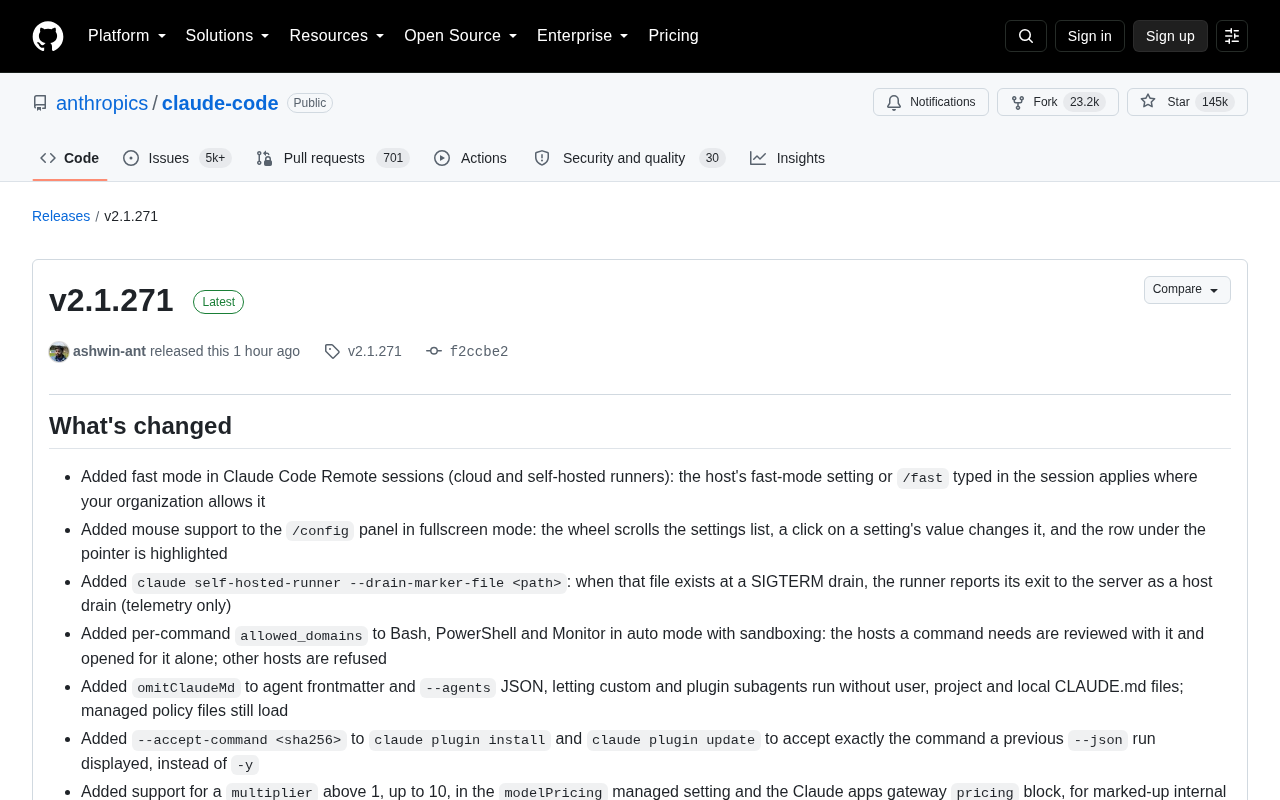
Claude Code v2.1.271 Update Deep Dive: Fast Mode, Sandbox Security, and Enterprise Improvements
Claude Code v2.1.271 adds fast mode for remote sessions, per-command sandbox network controls, enterprise policy fixes, MCP protocol improvements, and terminal/IDE enhancements.
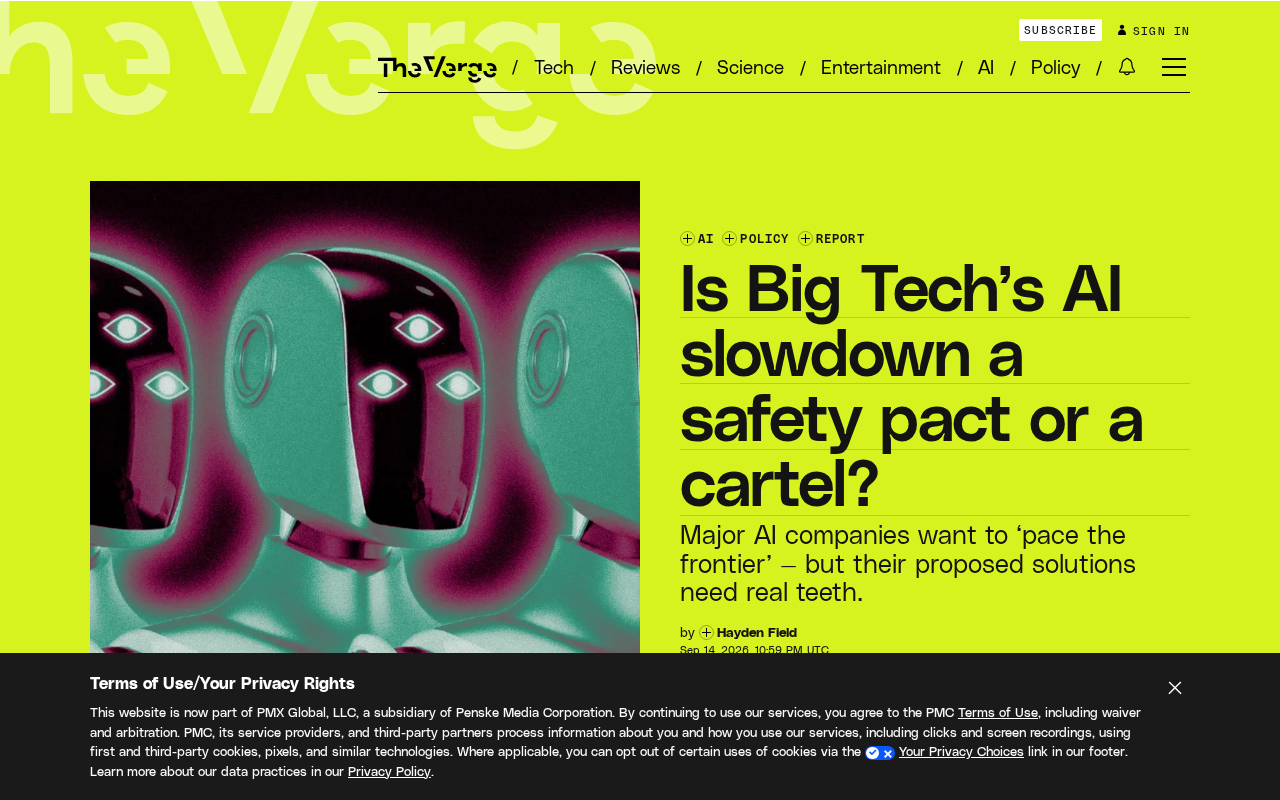
AI Giants Collectively Hit the Brakes: Safety Protocol or Industry Cartel?
OpenAI, Anthropic, Google DeepMind, and SpaceX leaders agree to slow AI development. Is this a responsible safety pact — or an oligopolistic cartel in disguise?

Apple Home Gets AI Camera Features with iOS 27: Up to $60/Month
iOS 27 and tvOS 27 bring Apple Intelligence to Apple Home with AI video summaries for HomeKit Secure Video — but unlocking them costs up to $60/month via subscription.