The Mechanical Keyboard Renaissance: How Keychron Is Redefining the Peripheral Experience

How Keychron brought mechanical keyboards from geek niche to mainstream with smart pricing and a versatile lineup.
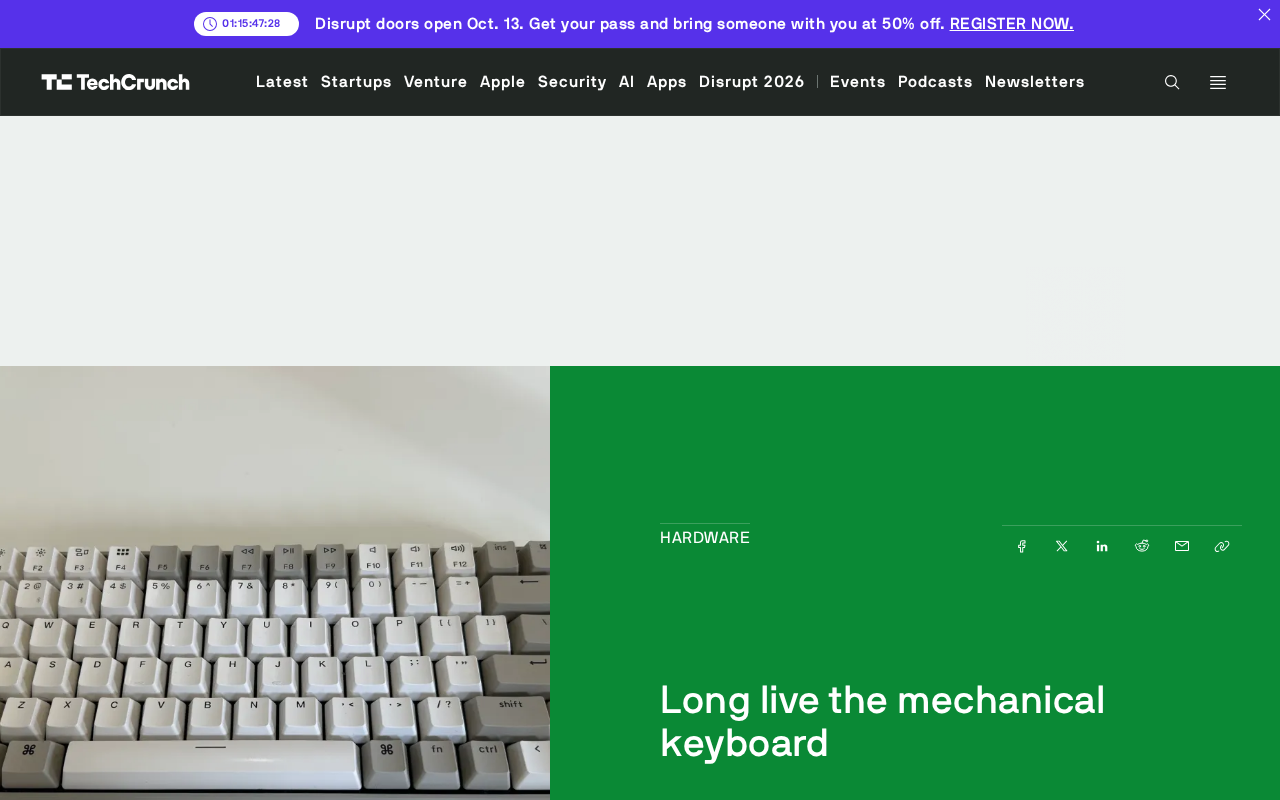
Mechanical keyboards never died — they're making a strong comeback as consumers rediscover the value of tactile feedback and personal expression. Keychron is the defining brand of this wave: launching on Kickstarter, it nailed wireless connectivity, Mac compatibility, and fair pricing to reach users outside traditional retail channels. Its K2 anchors the lineup as a high-value flagship, while variants like an all-wood model generate buzz and attract enthusiasts. The deeper logic: as software and services blur together, people are once again willing to pay for a desk object worth caring about — and features like hot-swap switches and custom keycaps turn keyboards into a platform for self-expression.
Why Mechanical Keyboards Are Back in the Mainstream
In an era dominated by ultra-thin laptops and touchscreens, many assumed bulky mechanical keyboards would quietly fade away. The reality has been quite the opposite — mechanical keyboards haven't just survived; they've staged a powerful comeback. From gamers to programmers to everyday office workers who simply care about how typing feels, more and more people are returning to keyboards with physical switches.
Driving this trend is a new generation of brands with a sharp eye for niche demand. Keychron is perhaps the most iconic among them. Through competitive pricing and a broad product lineup, it has brought mechanical keyboards — once a niche hobby for tech enthusiasts — to a much wider audience.
A Brand Story That Started on Kickstarter
Keychron's rise is a textbook case from the crowdfunding era. After launching on Kickstarter, the brand quickly made a name for itself by nailing three things: wireless connectivity, Mac compatibility, and reasonable pricing — earning the trust of its first wave of core users.
The value of crowdfunding went beyond raising capital. It gave a fledgling brand a way to validate market demand directly and, critically, to build a community of early adopters willing to spread the word. For Keychron, this approach helped it sidestep the distribution barriers that traditional peripheral makers rely on, reaching users who cared deeply about typing feel but weren't willing to pay for high-end custom builds.
The Product Lineup: From Entry-Level to Personalized
Today, Keychron has built out a product matrix that spans a wide range of needs. The K2 sits at the center of the lineup as its high-value flagship — a well-rounded option in terms of specs and price that has become many users' go-to first mechanical keyboard.
A Diverse Range of Options
Beyond the volume-driving K2, Keychron has launched a variety of differentiated versions to suit different aesthetics and use cases. The most talked-about is a model featuring a full wooden chassis — swapping out the typical plastic or aluminum shell for natural wood. It delivers a distinct look and feel while signaling the brand's willingness to experiment with materials and design.
This strategy of "one core product plus multiple personalized variants" is a classic playbook in today's peripheral market: anchor the lineup with a reliable, well-regarded hero product, then generate buzz and attract enthusiasts through limited editions or special materials.
One of the core differentiators in mechanical keyboards is the switch. Switches determine how a key actuates — the force required, whether there's tactile feedback, and what it sounds like. The three main categories are: linear switches (e.g., Red), which offer smooth, bump-free keypresses suited to gaming; tactile switches (e.g., Brown), which provide light tactile feedback and work well for both typing and gaming; and clicky switches (e.g., Blue), which have a pronounced tactile bump and audible click, making them a favorite among typing enthusiasts. Most Keychron products let users choose their preferred switch type, and several models support hot-swappable sockets — allowing switches to be swapped out without soldering, dramatically lowering the barrier to customization. On the brand side, beyond the iconic Cherry MX, alternatives like Gateron and Kailh offer a broader range of price points and feel profiles, and are commonly featured in Keychron's configurations.
The Logic Behind the Mechanical Keyboard Revival
The return of mechanical keyboards fundamentally reflects a renewed consumer focus on the quality of the experience. In a world where software and services are increasingly commoditized, people are willing to pay for better tactile feedback, customizable keycaps and switches, and a desk accessory that actually has character.
Features like hot-swap sockets, swappable switches, and custom keycaps have transformed the keyboard from a standardized tool into a platform for ongoing tinkering and personal expression. Brands like Keychron have tapped directly into this mindset — lowering the entry barrier with accessible pricing and opening the door for more people to discover what mechanical keyboards have to offer.
As long as people care about the real, physical sensation between their fingertips and their devices, this seemingly "outdated" product category will continue to thrive.
The maturation of the custom keyboard ecosystem is a structural factor that can't be overlooked in driving this revival. On the keycaps side, profiles like SA, DSA, and XDA — along with the community-driven Group Buy model for pre-ordering limited-run designs — have turned keyboards into objects with both practical utility and collectible value. On the layout side, options ranging from standard full-size 104-key boards to compact 75%, 65%, and even 40% layouts cover every preference, from those who need a number pad to those who want to maximize desk space. This ecosystem thrives in communities like Reddit's r/MechanicalKeyboards, where a virtuous cycle of content creation and peer recommendations has flourished — and provided brands like Keychron with fertile ground for organic word-of-mouth growth.
Related articles

Why Does the Tesla Roadster Need to Fly? A Deep Dive into Musk's Wild Demo
Tesla's Roadster launch showed wall-climbing, upside-down driving, and flying stunts—but The Vergecast notes the demo car may lack a battery, the Rocket version is invite-only and not street-legal, and the website terms don't guarantee delivery. After nine years of delays, why does this car still need to exist?

AI Is Not a Replacement: Human-AI Collaboration Through the Lens of Factory Root Cause Analysis
Starting from factory root cause analysis, this article explains how AI accelerates evidence chain construction rather than replacing human experts, exploring the pragmatic implementation logic and business value of 'AI supporting people rather than replacing them.'

AI Agent Decision Auditing: Building an Evidence Chain in Regulated Workflows
Starting from a Reddit discussion, this article analyzes three core issues in AI agent decision auditing within regulated workflows: what fields audit records should contain, how to handle feedback latency for erroneous decisions, and how to continuously calibrate LLM judge consistency with human judgment.