TONAUT: A Synthesizer, Drum Machine, and 8-Track Tape Workstation on iPhone

TONAUT packs 9 engines, 41 drum kits, and 8-track tape into an iPhone for $19.99, focusing on performance over programming.
TONAUT is an iOS music creation app priced at $19.99 as a one-time purchase with no subscription or account. It includes 9 synth engines, over 500 tones, 41 drum kits, a chord pad, 16 effects, and an 8-track tape-style sequencer, aiming to let users "play" rather than "program" on iPhone. Five switchable housings and key LEDs compress the operation path for phone screens. AUv3 support arrives free in version 2.0. Currently at early exposure, ranked #16 on Product Hunt.
Music creation apps often find themselves caught between "feature bloat" and "subscription traps," but TONAUT has chosen a more direct path: cramming 9 synth engines, 41 drum kits, and 8-track tape recording into an iPhone, priced at $19.99 with a one-time purchase—no subscription, no account registration. This iOS audio tool, which ranked #16 on Product Hunt, aims to let musicians "play" rather than "program."
A Design Philosophy Built for Performance
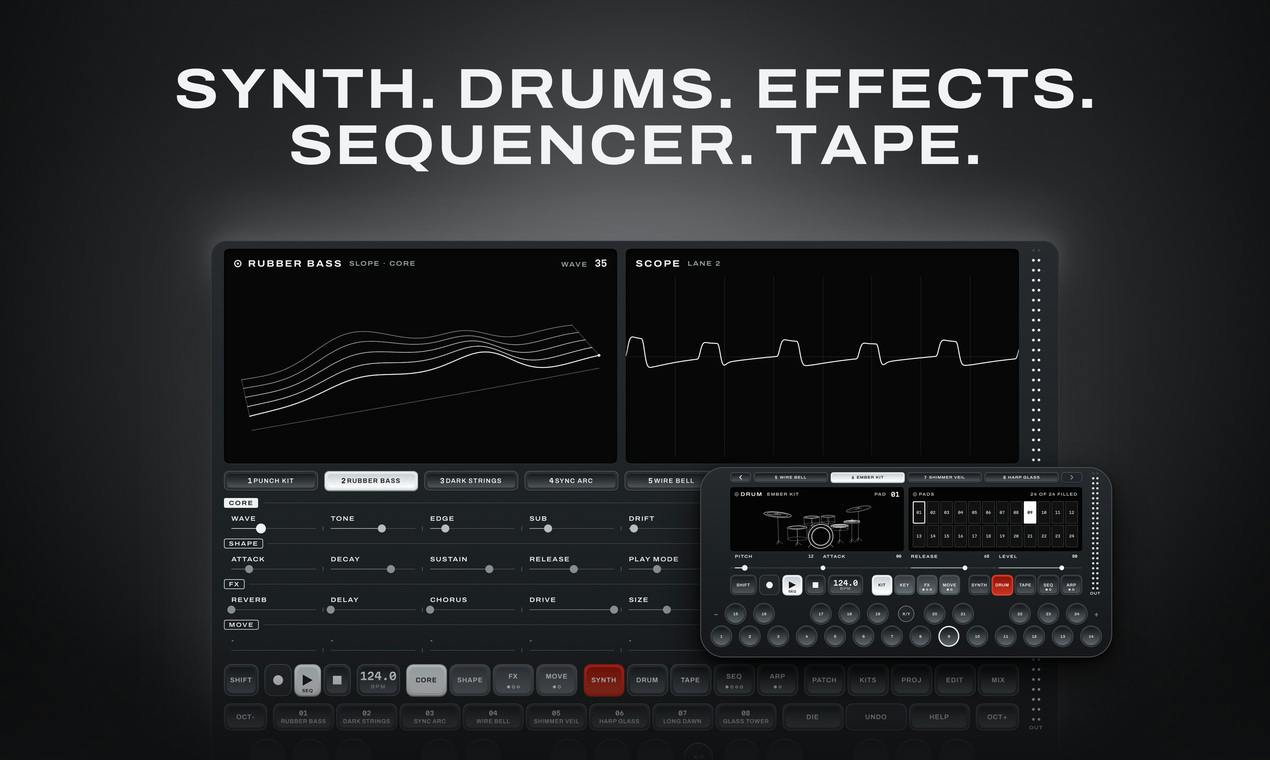
TONAUT's official description repeatedly emphasizes one phrase: played rather than programmed. This isn't marketing fluff—it's the starting point that determines the entire interaction logic. Traditional DAW or sequencer apps typically require users to first set the BPM, draw MIDI notes, configure routing, and then hit play; TONAUT instead integrates the synthesizer, drum machine, and sequencer at the same interface level, letting fingers directly trigger sound.
For iPhone users, screen space is a hard constraint. TONAUT's solution is to offer five "housings" on iPhone, complete with key LED indicators. This skeuomorphic housing switching is essentially a set of preset layout schemes for different performance scenarios—users don't have to dig through menus for parameters; instead, swapping the "body" swaps the entire control logic.
DAW and Sequencer: DAW (Digital Audio Workstation) refers to software systems used for recording, editing, mixing, and producing audio, such as Logic Pro and Ableton Live. A sequencer is the core component responsible for organizing notes or audio clips along a timeline, traditionally presented as a MIDI event list or piano roll. Mobile DAWs often inherit desktop logic, requiring users to configure project parameters before playback, resulting in a steep learning curve. TONAUT deliberately downplays this "engineering" workflow, compressing the sequencer into tape-style tracks that can be triggered improvisationally—essentially replacing the DAW's editing mindset with an instrument's performance mindset.
Hardware-Grade Spec Sheet: 9 Engines, 500 Tones, and 8-Track Tape
Judging by the specs, TONAUT's ambitions go beyond a "toy-grade" synthesizer. It includes 9 synth engines, over 500 tones, 41 drum kits, a chord pad, 16 effects, and an eight-track sequencer. More importantly, there's the "8-track tape" design—organizing multi-track audio through the metaphor of tape recording means users can record performance clips into tracks like operating an old four-track machine, rather than relying on MIDI event lists.
This combination sits in the upper-middle tier of iOS music apps. The 9 synth engines cover common types like subtractive synthesis and FM, while the 41 drum kits provide rhythmic material ranging from electronic to acoustic. The addition of a chord pad lowers the barrier to harmonic performance, and 16 effects ensure sound shaping can be done standalone without external plugins.
Subtractive Synthesis and FM Synthesis: Subtractive synthesis starts from harmonically rich waveforms (such as sawtooth or square waves) and shapes the tone by cutting frequency bands with filters—it's the classic method of analog synthesizers. FM synthesis (frequency modulation) uses one signal to modulate the frequency of another, producing complex harmonics like metallic timbres and bell sounds, with the Yamaha DX7 as its iconic example. TONAUT's 9 built-in engines cover both categories, meaning it can deliver warm analog-style pads as well as strongly digital tones, meeting the common sound needs of electronic music production.
One-Time Purchase and the "No Account" Strategy
TONAUT is priced at $19.99, works on both iPhone and iPad, and is a one-time purchase. The official statement is clear: no subscription, no account. In a landscape where music software is broadly shifting to subscription models, this choice deserves special mention.
Subscriptions benefit developers with continuous cash flow, but for users they mean long-term costs and usage barriers—forget to renew and you may lose access to your project files. TONAUT's buyout model simplifies the decision to one step: pay, use. The absence of an account system also means user data stays local, with no worries about cloud sync or privacy terms. For mobile musicians who want to "open and play," this lightweight approach is itself part of the product experience.
Interestingly, AUv3 support will be provided free in version 2.0. AUv3 is the iOS audio unit standard, meaning TONAUT can in the future run as a plugin within host apps like AUM and Cubasis, working alongside other sound sources and effects. This will significantly expand its use cases—from a standalone workstation to a piece of the ecosystem puzzle.
AUv3 (Audio Unit v3): AUv3 is the audio unit plugin standard established by Apple for iOS and macOS, allowing sound sources and effects to be loaded by host apps as standalone apps. Music apps supporting AUv3 can run in hosts like AUM, Cubasis, and GarageBand, chaining with other plugins into custom signal chains. For users, this means an app's value is no longer limited to standalone use but can integrate into existing workflows; for developers, it requires following Apple's plugin packaging specifications. TONAUT offering AUv3 free in version 2.0 essentially positions "ecosystem compatibility" as a future growth point rather than a launch selling point.
The Trade-offs of a Mobile Music Workstation
The competitive edge of iPhone music apps has never been "how many features" but "whether features can be invoked within thumb's reach." TONAUT compresses the operation path with housing switching, key LEDs, and chord pads—the direction is right. But the information density of 9 engines, 500 tones, and 16 effects may still create overly deep hierarchies on a phone screen—which is exactly what the five housing designs need to address.
Another variable is the absence of AUv3. Before 2.0 arrives, TONAUT is a relatively closed workstation that can't directly connect with users' existing iOS audio ecosystems. For advanced users accustomed to building signal chains in AUM, this may be a reason to wait and see; but for lightweight users who want something they can "pick up and make a complete beat with," the closed nature actually reduces configuration burden.
Currently the product has 7 votes and 3 comments on Product Hunt, ranking #16—an early exposure stage. The $19.99 buyout price sits in the middle range for iOS music apps—lower than professional-grade hosts, higher than simple drum machines. Whether it's worth it depends on whether users want a standalone performance tool or a plugin module within an ecosystem.
One-line Summary
TONAUT packs 9 engines, 41 drum kits, and 8-track tape into an iPhone for a $19.99 one-time purchase, focusing on performance rather than programming.
Paragraph Summary
TONAUT is an iOS music creation app priced at $19.99 as a one-time purchase, with no subscription and no account. It includes 9 synth engines, over 500 tones, 41 drum kits, a chord pad, 16 effects, and an 8-track tape-style sequencer, aiming to let users directly "play" rather than "program" on an iPhone. The design compresses the operation path through five switchable housings and key LEDs to adapt to the hard constraints of phone screens. AUv3 plugin support will be provided free in version 2.0, at which point it can integrate into host ecosystems like AUM. The product is currently in an early exposure stage, ranking #16 on Product Hunt. There's tension between its closed workstation positioning and future pluginization, making it better suited for users seeking lightweight, standalone creation.
Related articles
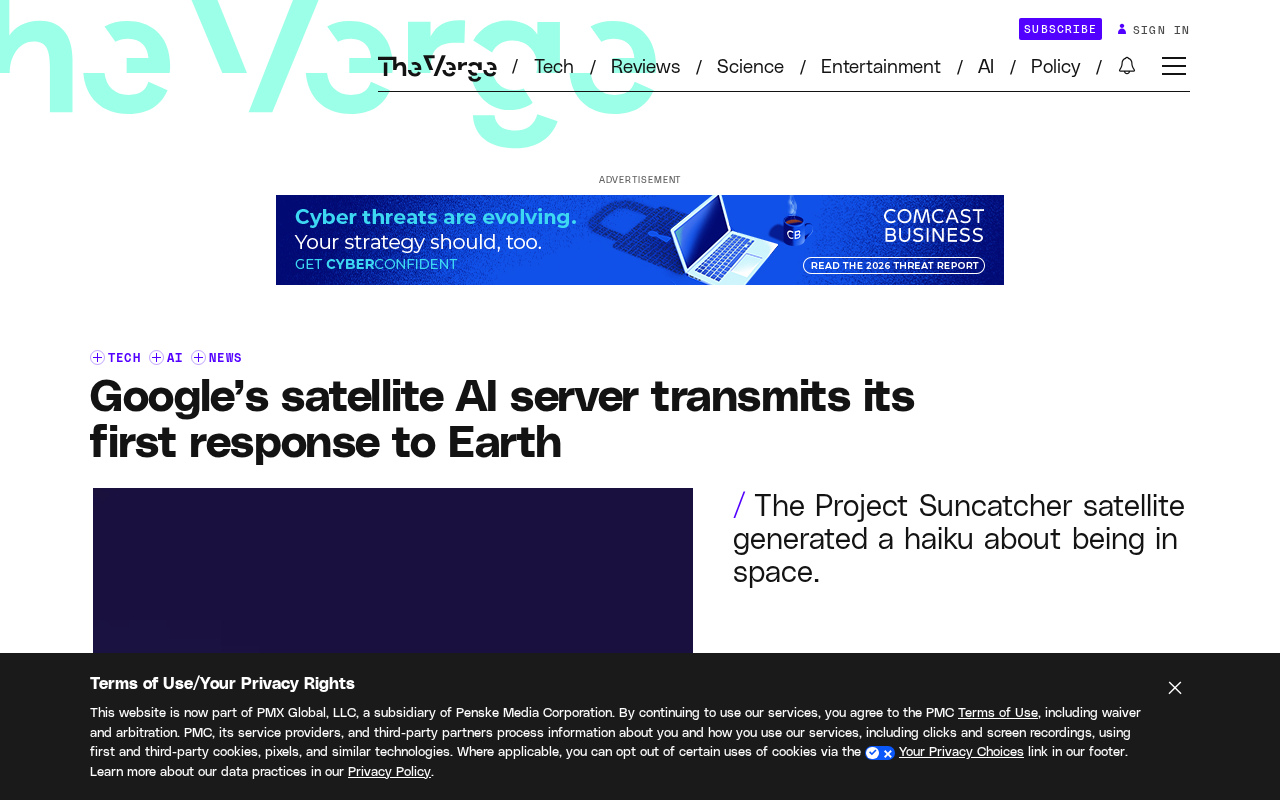
Google's Satellite AI Server Reaches Orbit: Gemma Model Generates First Reply in Space
Google's TPU-equipped satellite powers up in orbit, with the onboard Gemma 4 model generating the first reply from space. This article analyzes the technical path, real-world constraints, and implications for edge computing and satellite remote sensing.
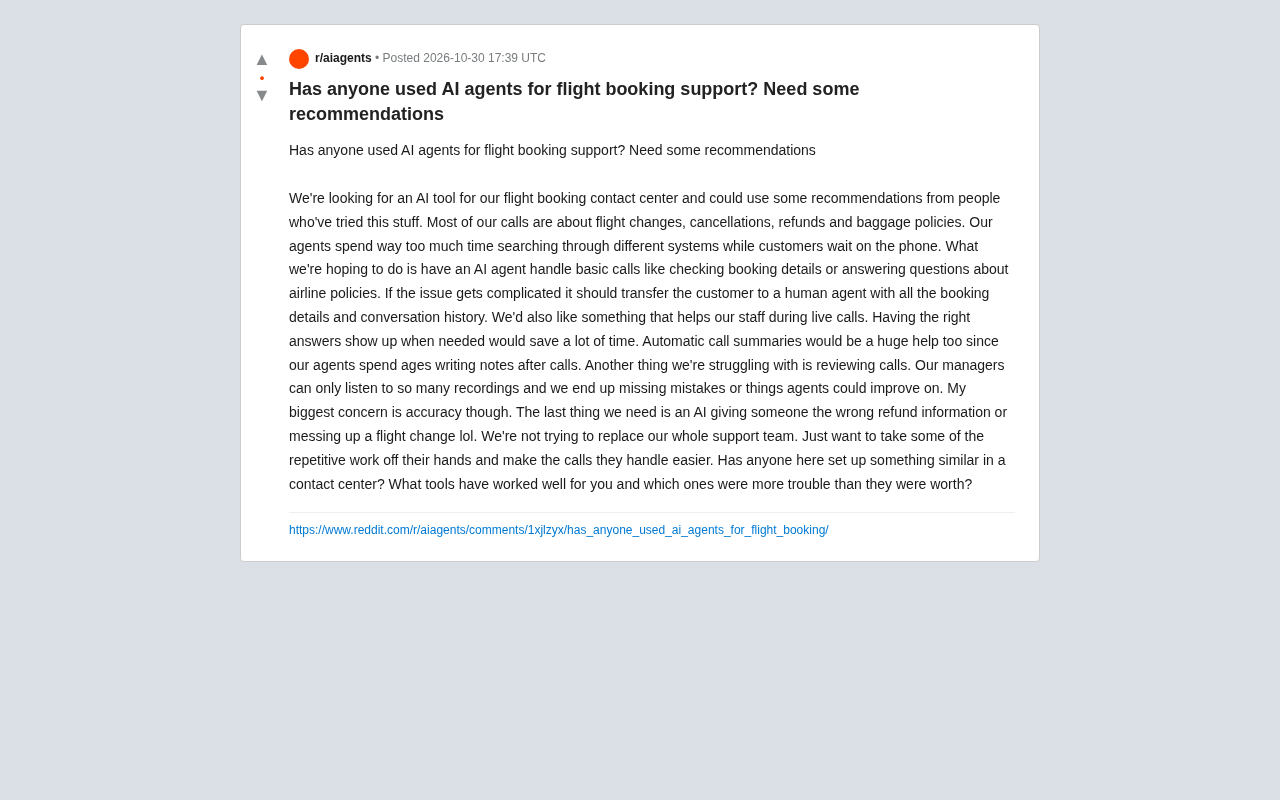
AI Agents for Flight Booking Customer Support: Real Needs and Implementation Challenges
Starting from a real Reddit question, this article breaks down four needs for introducing AI Agents into flight booking call centers: basic Q&A, agent assist, call summarization, and quality inspection, and analyzes accuracy concerns and handoff boundary design.
Vercel Unifies Runtime Cache: Data Cache Merges into Runtime Cache
Vercel merges Data Cache into Runtime Cache, unifying storage quotas and billing for Next.js fetch cache, unstable_cache, getCache, and use cache: remote. Pro and Enterprise projects get more storage, and cache reads/writes are now billed at Runtime Cache pricing.