Tripmojo: The AI Travel Agent That Checks You In

Tripmojo's AI Agent Mojo takes over the travel execution layer, from check-in to bill splitting.
Tripmojo is an "Agentic travel app" that earned 130 upvotes on Product Hunt, centered on AI travel agent Mojo taking over the execution of a journey. It starts by syncing booking emails into a shared itinerary, then attempts check-in, saves boarding passes, flags delays and gate changes, and manages dynamic plans and bill splitting. Free on iOS and Android, but "tries to" check-in wording means reliability is still the key test.
From Booking Emails to a Shared Itinerary: Mojo's First Step
We've seen plenty of travel apps, but most stop at "helping you search flights and compare hotels." Tripmojo aims to go a step further — it takes over the execution side of the trip as well. This product, which earned 130 upvotes and ranked #2 on Product Hunt for the day, defines itself as an "Agentic travel app," with its core selling point being that an AI travel agent named Mojo actually "runs" your entire journey.

Tripmojo's starting point is pragmatic: it syncs your booking emails and consolidates flight, hotel, and car rental information scattered across your inbox into a shared itinerary. This seems simple, but it solves the most common information asymmetry problem in group travel — everyone has a confirmation email, but nobody knows what the complete itinerary looks like.
After consolidation, Mojo's role shifts from "organizer" to "executor." According to the official description, this AI Agent answers questions in group chats, initiates polls, finds locations, and turns trip planning into a collaborative effort. Compared to traditional itinerary management tools, Tripmojo's difference lies in being an active participant in decision-making rather than a passive recorder.
Agentic AI differs from traditional generative AI or conversational assistants in its key capability for "autonomous execution." Ordinary AI assistants are typically passive and responsive: the user asks a question, the model answers, and the next action is still up to humans. Agentic AI, however, is designed to perceive goals, break down tasks, invoke external tools or APIs, and autonomously advance processes when preset conditions are met, only requesting human confirmation at critical junctures. In travel scenarios, this means the Agent can monitor flight status, automatically execute operations when the check-in window opens, and proactively adjust subsequent arrangements upon detecting delays. This model demands far higher reliability, depth of tool integration, and error handling mechanisms than pure information retrieval products — which is precisely why Tripmojo positions itself as an "Agentic travel app" rather than an ordinary AI assistant.
On Travel Day: Check-in, Boarding Pass, Delay Alerts
Where Tripmojo truly distinguishes itself is on travel day. Mojo attempts to check you in, saves your boarding pass, flags delays and gate changes, and reminds you when it's time to leave. Each of these actions is a small feature in isolation, but together they cover exactly the points where travel day most often goes wrong.
This is also the substantive meaning of the "Agentic" label. Many products on the market turn "AI travel assistant" into a conversational search box — the user asks, it answers, and the burden of decision-making and execution remains with the person. Tripmojo's approach is to let the Agent take over actions with clear trigger conditions — flight status changes, check-in windows opening, departure times approaching — the system judges and advances on its own, with users only needing to confirm when necessary.
Check-in is a seemingly simple but highly standardized process node in air travel. Traditionally, passengers need to complete check-in within 24 to 48 hours before departure (depending on airline rules) through the airline's website, app, or airport counter, obtaining a boarding pass and confirming their seat. For an AI Agent, the difficulty of check-in lies not in operational complexity but in cross-system integration: accessing airline check-in interfaces or web pages, handling login credentials, dealing with varying processes and captchas across different airlines, and parsing returned boarding pass formats. Additionally, variables such as check-in window opening times, oversales, and special seat requests all affect execution outcomes. This is precisely the context behind Tripmojo's official use of the phrase "tries to check you in" — check-in is an action with clear trigger conditions but whose success rate is constrained by external systems, and the Agent needs to clearly inform users of failures and offer alternatives.
During the Trip: Dynamic Itinerary and Bill Splitting
Once at the destination, Mojo continues to maintain the day's plans, keeping the itinerary current with actual circumstances, while also handling bill splitting. Splitting costs on group trips has always been a hassle, and putting it into the same shared itinerary makes logical sense — expenses and itineraries inherently belong to the same context.
From a product design perspective, Tripmojo has chosen a "full-process coverage" path: planning, booking, execution, and expense tracking all happen in one space. The benefit is that context is never lost, and the Agent has complete information for judgment; the cost is that every link must be good enough, or users will still fall back to specialized tools.
Bill splitting is a high-frequency activity in group travel that easily causes friction. The traditional approach is to use dedicated expense-splitting tools (like Splitwise) or manual bookkeeping, but these tools are disconnected from itinerary information — users need to additionally record who paid for what and which part of the trip it corresponds to. Tripmojo embeds bill splitting into the context of the shared itinerary, which in theory allows the Agent to automatically associate expenses with itinerary nodes (e.g., "this dinner belongs to free time on the third evening"), reducing manual entry burden. This "context reuse" is a typical advantage of Agentic products: once the same Agent has complete itinerary information, it can share state across planning, execution, and expense tracking without requiring users to repeatedly switch between tools and re-enter data. However, the accuracy of bill splitting depends on how payment information is obtained, and public information has not yet explained how Tripmojo collects expense data.
Two Points Worth Watching
Platform and openness. Tripmojo is available for free on iOS and Android. This pricing strategy lowers the barrier to trying it, but it also means the product's business model has not been disclosed in public information — how it will monetize going forward is worth watching.
The reliability boundary of the Agent. Actions like check-in and gate changes demand extremely high accuracy — the cost of a single erroneous alert could be a missed flight. The official description uses phrasing like "tries to check you in," indicating that execution links still carry the possibility of failure. For Agent products of this kind, how failures are handled and how users are informed that "this didn't get done" will determine reputation more than the success path.
Summary
Tripmojo represents a product direction that is taking shape: AI is no longer just an information tool before travel, but is entering the execution layer during the trip. Whether it can gain a foothold depends on how stable Mojo is in real flights, real group chats, and real bill-splitting scenarios. For users who frequently travel in groups and don't want to switch between multiple apps, this is a product worth adding to the watchlist.
One-line Summary
Tripmojo uses AI Agent Mojo to take over the travel execution layer, covering the full process from check-in to bill splitting.
Paragraph Summary
Tripmojo is an "Agentic travel app" that earned 130 upvotes on Product Hunt, with its core being an AI travel agent named Mojo that takes over the execution links of a journey. Starting from syncing booking emails and generating a shared itinerary, it goes on to attempt check-in on travel day, save boarding passes, flag delays and gate changes, and maintain dynamic plans and bill splitting throughout the trip. Unlike conversational AI assistants, Tripmojo lets the Agent autonomously advance actions under clear trigger conditions, with users only needing to confirm when necessary. The product is free on iOS and Android, but official descriptions use "tries to" phrasing for operations like check-in — execution reliability and failure handling mechanisms remain key tests of whether it can gain a foothold.
Related articles

AI Code Generation Is Getting Cheaper—Validation Is the Real Challenge
Code generation is getting cheaper, and the bottleneck is shifting to validation. Drawing on Satya Nadella's interview, this piece analyzes coding agents' specifications, multi-model review, separation of permissions, organizational changes, and how engineers can turn a single fix into reusable team capability.
Saparo: The Shopping AI Agent That Stacks Discounts Automatically, Topping Product Hunt
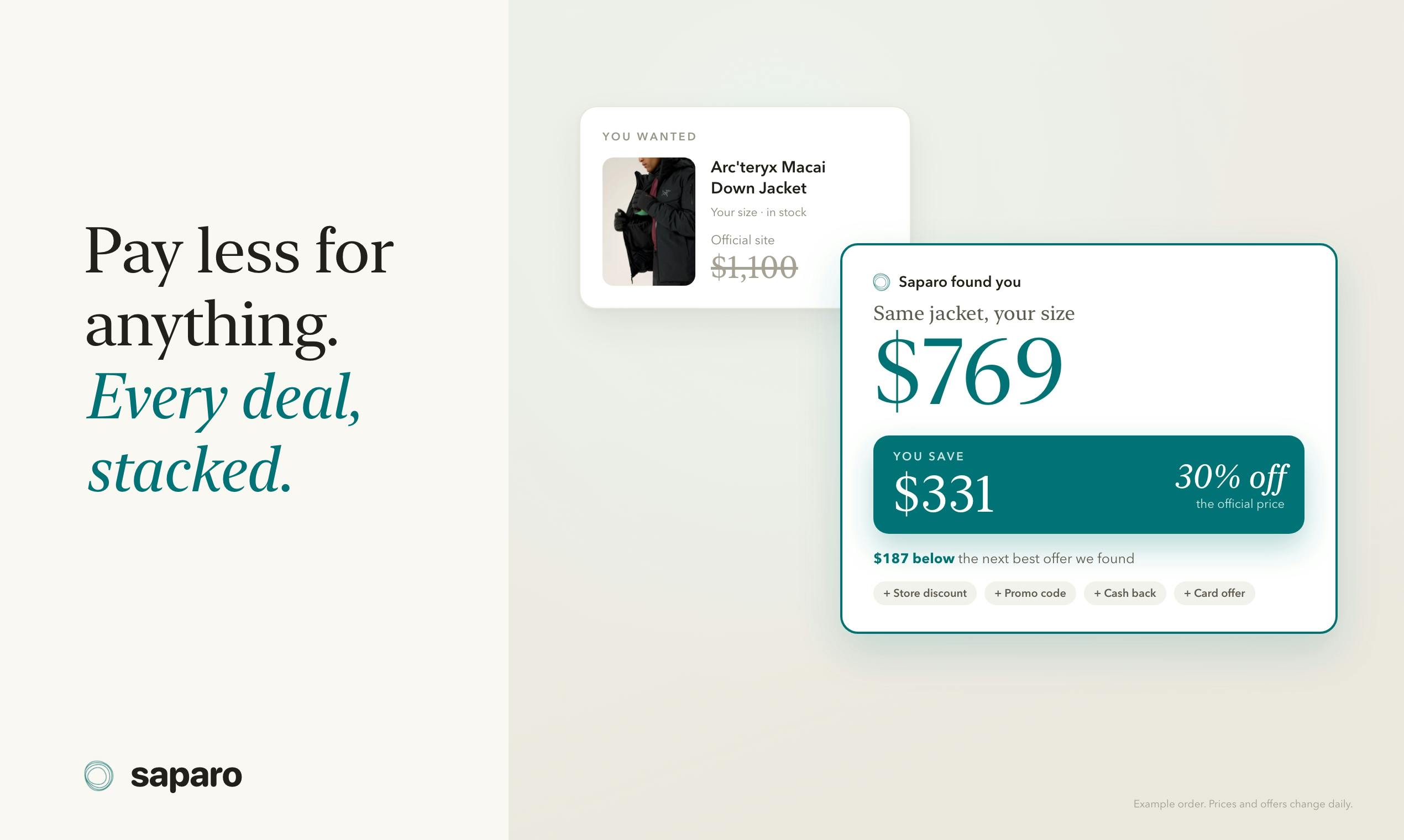
Saparo is an AI shopping agent that automatically stacks discounts, topping Product Hunt. It finds the same item, matches sizes, combines promo codes and cashback, ranks by total cost including shipping and taxes, and leaves final payment to the user.
Bookella: A Reading Tracking App That Uses AI to Help You Read More
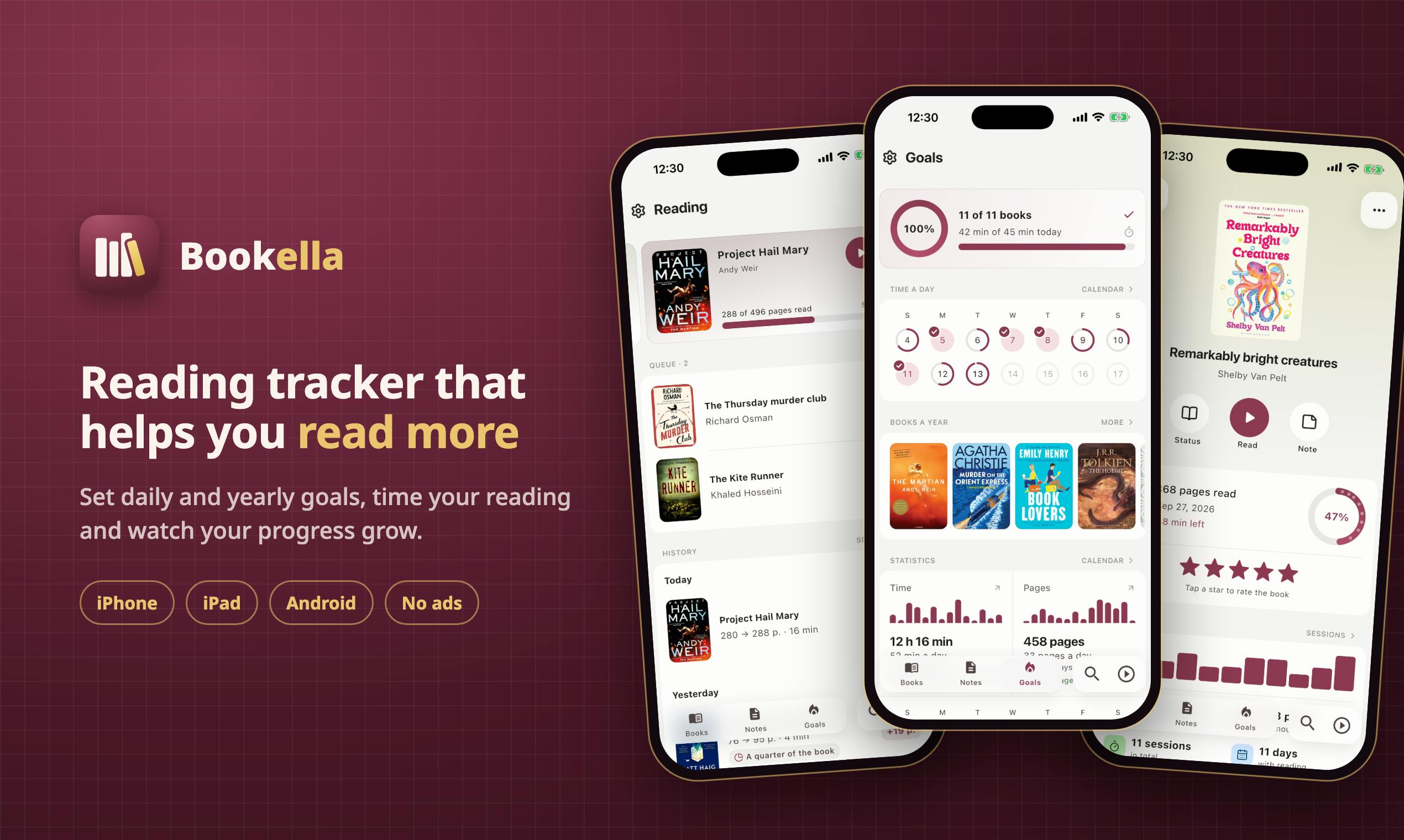
Bookella is a reading tracking and family library app with quick book addition, reading goals, AI book selection, and data import, available on iPhone, iPad, and Android, ad-free.