U.S. House Passes Legislation Requiring AM Radio as a Free Standard Feature in All New Cars
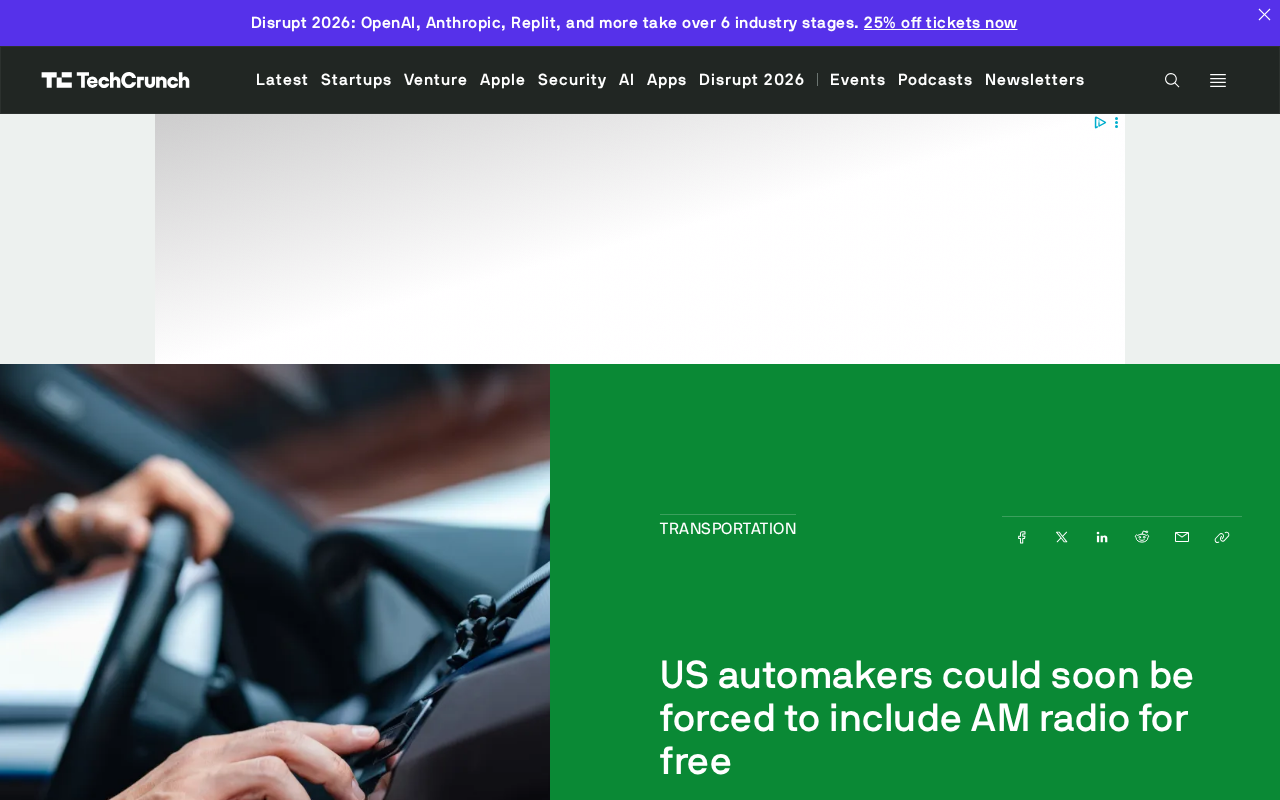
U.S. House passes bipartisan bill requiring all new cars to include AM radio as a free standard feature.
The U.S. House of Representatives passed legislation by a rare bipartisan supermajority requiring all new vehicles to include AM radio at no charge, blocking automakers from making it a paid subscription feature. The move stems from AM radio's wide coverage and strong penetration, making it one of the most reliable emergency communication channels during power outages or network failures. EV manufacturers had been considering dropping the feature due to motor-generated interference, while the broader industry trend of converting standard features into subscriptions raised regulatory concerns. The bill still requires Senate approval and a presidential signature to take effect, but the broad consensus suggests strong prospects for passage.
House Passes AM Radio Bill with Rare Bipartisan Consensus
The U.S. House of Representatives recently passed landmark legislation by an overwhelming majority, requiring all newly manufactured vehicles to include built-in AM (amplitude modulation) radio. The bill received rare bipartisan support, reflecting the unique role AM radio plays in American public life.
In an era of deepening political polarization, a high-margin cross-party vote carries significant weight on its own. It signals that lawmakers broadly agree AM radio is more than an outdated entertainment technology — it represents a wider public interest concern.
Why AM Radio Still Matters
As in-car entertainment systems have shifted wholesale toward streaming, Bluetooth, and digital radio, a number of automakers — electric vehicle manufacturers in particular — have begun considering the removal of AM radio from new vehicles. The reason: EV motors generate electromagnetic interference that degrades AM signal reception, leading manufacturers to simply drop the feature to streamline design and cut costs.
Legislators, however, are focused on AM radio's public safety value. The AM band offers wide coverage and strong penetration, making it one of the most reliable channels for governments to deliver emergency information during extreme weather events, natural disasters, or large-scale power outages. When cellular networks and the internet go down, AM radio keeps working.
AM (Amplitude Modulation) radio operates in the medium-wave band at 535–1705 kHz. Its physical properties give it distinct advantages in emergency scenarios: medium-wave signals can travel hundreds to thousands of kilometers along the Earth's surface, and unlike FM or digital signals, they don't require line-of-sight transmission — they can travel around hills and buildings. FEMA's Integrated Public Alert and Warning System (IPAWS) still lists AM radio as one of its core distribution channels. Multiple major disasters throughout history — including the 2003 Northeast blackout and Hurricane Katrina — have demonstrated that when cell towers lose power and the internet collapses, AM stations running on backup generators remain the last reliable source of authoritative information for the public. This is why "who controls AM radio" has always been a strategically significant question in emergency management.
The Industry Battle Behind the Legislation
The core tension driving this bill is a tug-of-war between public policy and industry costs. Automakers want the freedom to determine vehicle configurations based on market trends and technological direction, while regulators argue that commercial considerations must not be allowed to erode emergency communications infrastructure.
The word "free" in the bill's language is particularly important — it's designed to prevent manufacturers from effectively eliminating AM radio by converting it into a paid subscription feature. In recent years, a number of automakers have begun moving formerly standard features like heated seats and remote start into subscription tiers. If AM radio were folded into this model, its effectiveness as a universal public emergency channel would be directly undermined.
Feature-as-a-Service has become an emerging business model for automakers: using OTA (over-the-air) technology, vehicle hardware is pre-installed at the factory, but software-level feature unlocks require ongoing payment from users. BMW once offered heated seat monthly subscriptions, Tesla charges annual fees for Enhanced Autopilot, and GM brands have bundled telematics services into subscription packages. For automakers, this model transforms a one-time sale into recurring revenue. Critics, however, argue that placing safety- or emergency-related features behind a paywall carries clear public interest risks — if a user hasn't paid or their subscription has lapsed, critical functions simply stop working. The bill's explicit "free" language is a preemptive legislative response to exactly this trend.
Potential Impact on the Auto Industry
If the bill ultimately becomes law, automakers will be required to retain AM radio hardware in all new vehicles and address signal interference issues in EV environments. This will likely mean additional shielding design work and engineering investment — but relative to the overall cost of a vehicle, the impact is relatively modest.
It's worth noting that passage in the House is just one step in the legislative process. The bill still needs to pass the Senate and be signed by the President before it takes effect. That said, given the broad consensus demonstrated in this vote, its prospects for moving forward are widely viewed as favorable.
For consumers, this legislation is unlikely to carry any short-term downsides. If anything, it ensures that a time-tested emergency communications tool won't be quietly erased in the march of technological progress.
Related articles
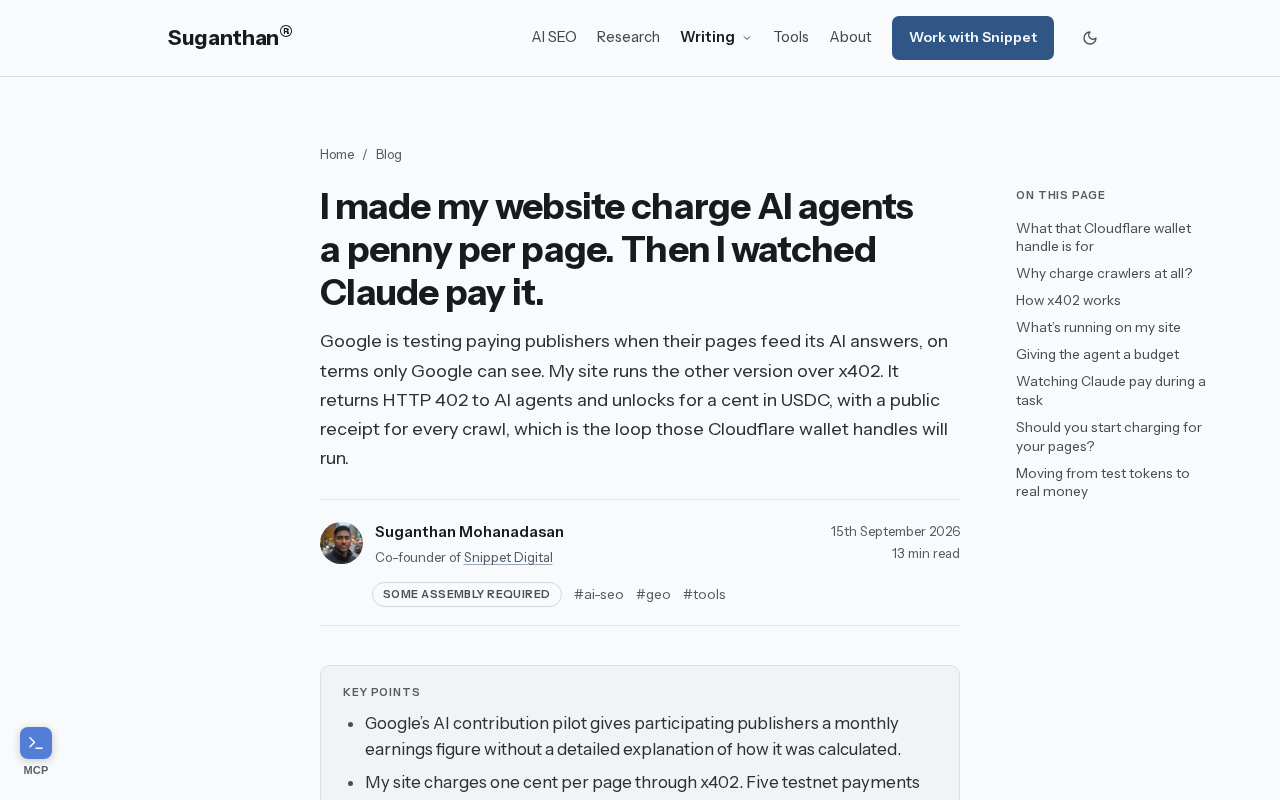
Charging AI Agents Per Web Page: I Watched Claude Pay a Penny Per Visit
A developer charged AI agents one cent per page and watched Claude pay automatically. This experiment reveals new possibilities for micropayments, agent economics, and content monetization.
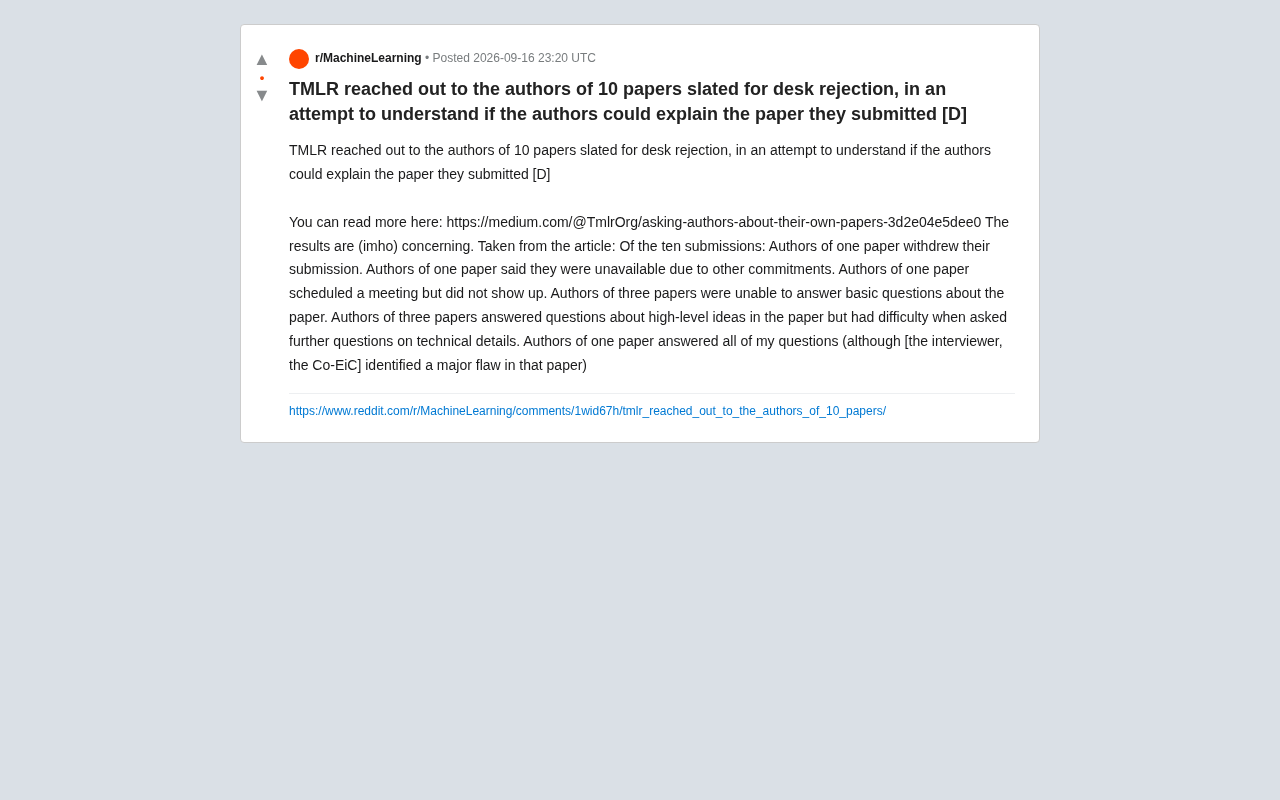
TMLR's Bold Experiment: Asking Authors to Explain Their Own Papers — The Results Are Alarming
TMLR contacted authors of 10 desk-rejected papers and asked them to explain their submissions. The results were alarming — none passed. A wake-up call on AI-era academic integrity.

Snap Launches Specs Intelligence: A Cross-Platform AI Assistant Coming to iOS and Mac
Snap launches Specs Intelligence, an anticipatory AI assistant connecting digital accounts for work and travel, coming to iOS and Mac to compete with Meta Muse and Gemini Spark.