Valve Is Still Weighing When and How to Launch Steam Deck 2
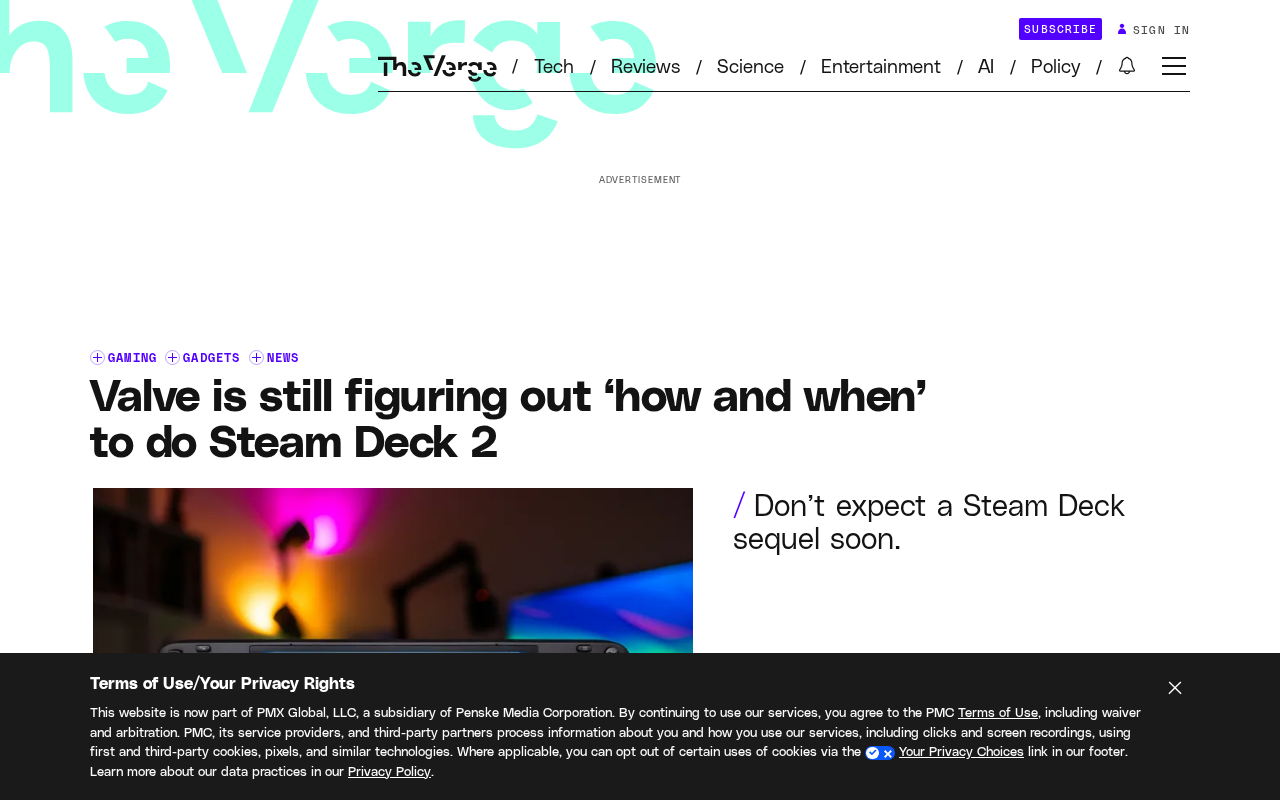
Valve completes its SteamOS hardware lineup but continues to hold off on Steam Deck 2 until a true generational leap is possible.
Valve has unveiled the Steam Controller, Steam Machine, and Steam Frame, completing a multi-scenario hardware ecosystem around SteamOS — but Steam Deck 2 remains without a timeline. A Valve designer says the company is still working out "how and when" to release a sequel, insisting it won't launch one just for a performance boost. Meanwhile, Valve is opening SteamOS to third-party handheld makers, widening its software moat while waiting for mobile chip efficiency to take a true generational leap.
Valve's Hardware Lineup Is Complete — So Where Is Steam Deck 2?
With the Steam Controller, Steam Machine, and the newly unveiled Steam Frame now released, Valve has rounded out its next-generation hardware portfolio. Yet the one device players are most eager to see — a next-gen Steam Deck — remains conspicuously absent. When pressed for answers, Valve has offered no firm timeline. Designer Pierre-Loup revealed the company is still thinking through "how and when" to deliver such a product.
This cautious stance is hardly surprising. The original Steam Deck carved out a unique space in the handheld market through its open SteamOS ecosystem, solid performance, and relatively accessible pricing — and in doing so, sparked the broader PC handheld category. That success means every step toward a sequel carries heightened expectations and greater risk.
"Better Performance" Isn't a Good Enough Reason
Valve has stated its position on Steam Deck 2 multiple times: it won't release a sequel just for the sake of a performance bump. The company wants the next generation to deliver a meaningful generational leap — not an incremental update. Underlying this philosophy is a clear-eyed understanding of the current power efficiency bottlenecks in mobile chips.
Handheld form factors are extremely sensitive to power consumption and thermal limits. Achieving a significant performance jump while maintaining reasonable battery life within a constrained chassis is no easy feat. Valve clearly has no intention of following certain competitors down the "high performance, short battery life" path. Waiting for more mature chip architectures and better power efficiency ratios has become the key variable in answering the "when" question.
The Strategic Value of a Complete Hardware Ecosystem
What's worth noting is that Valve launched three products — the Steam Controller, Steam Machine, and Steam Frame — in one go, signaling a shift in its hardware strategy from single-product breakthroughs to ecosystem building. The Steam Machine returns Valve to the living room gaming space, the Steam Frame points toward VR and headset use cases, and the Steam Controller rounds out the peripheral layer. Together, they form a multi-scenario hardware matrix built around SteamOS.
Within this broader strategy, the Steam Deck serves as the core entry point for on-the-go gaming, and its successor needs to be positioned in coordination with the entire ecosystem. This may be part of why Valve keeps emphasizing "how" — the next-gen handheld isn't just a faster device; it needs to play a more significant role in cross-device experiences and system-level cohesion.
A Crowded and Maturing Handheld Market
Since the original Steam Deck launched, a wave of Windows-based handhelds has flooded the market — the ROG Ally, Legion Go, and others — while chip makers like AMD have continued releasing APUs tailored for portable devices. Increased competition puts pressure on Valve, but it also means the upstream supply chain and technical ecosystem are maturing rapidly.
SteamOS, built on a Linux foundation with the Proton compatibility layer, has established a meaningful differentiation advantage over Windows-based handhelds in terms of system smoothness and user experience. By opening SteamOS to third-party manufacturers, Valve is further widening its software moat. This approach — hardware restraint paired with broad software expansion — gives Valve the luxury of patience on timing. Rather than rushing new hardware to capture market share, it can wait for both the technology and the ecosystem to be truly ready.
Conclusion: Patience May Be the Best Strategy
For players eagerly awaiting Steam Deck 2, the wait is likely to continue in the near term. But given Valve's consistent product philosophy, that wait may not be a bad thing. Rather than releasing a sequel with marginal improvements, it makes more sense to act when power efficiency, user experience, and ecosystem integration are all ready.
The seemingly vague statement of "how and when" actually reveals Valve's high bar for Steam Deck 2. In an increasingly competitive handheld market, this restraint may well be the key to maintaining its long-term competitive edge.
Related articles
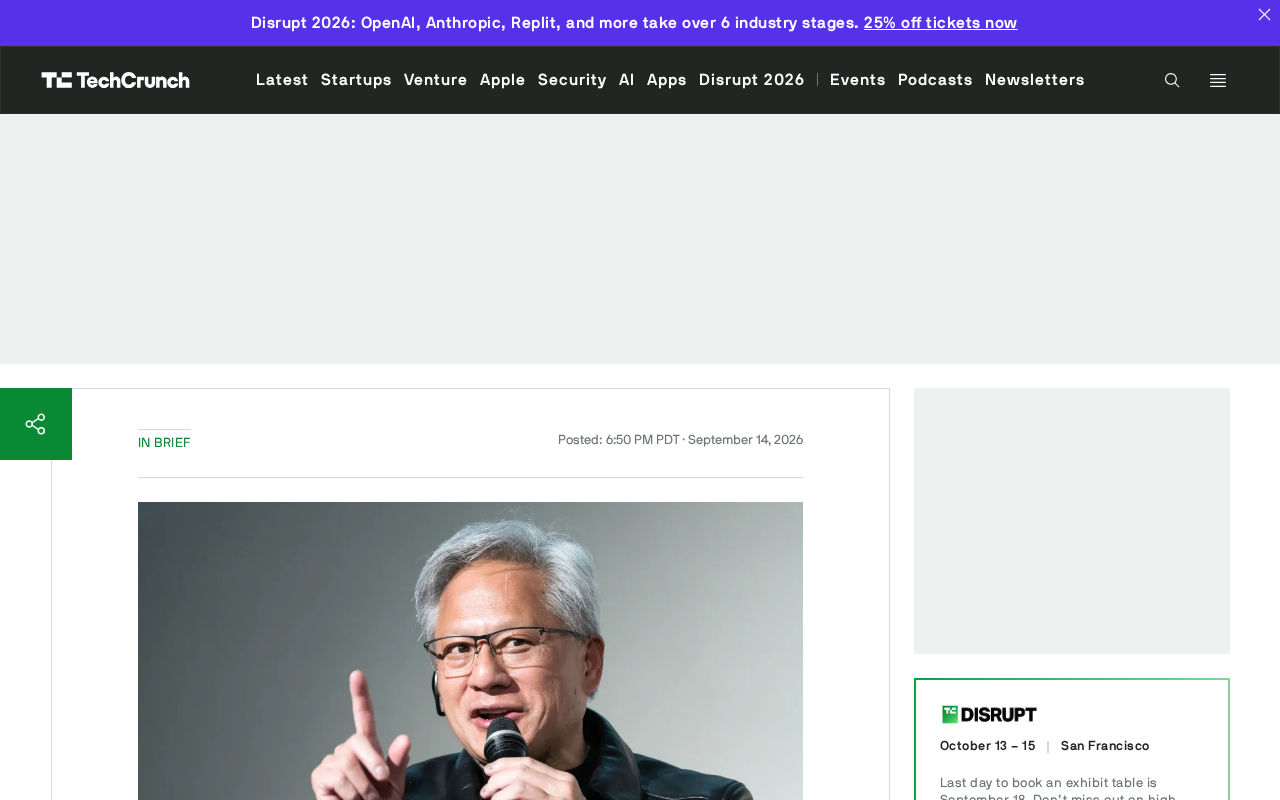
Jensen Huang Takes Trump's Call in Public — But It's the Phone in His Hand That Steals the Show
NVIDIA CEO Jensen Huang took a live call from Trump in public, but observers couldn't stop talking about the phone in his hand. Here's what the moment reveals.
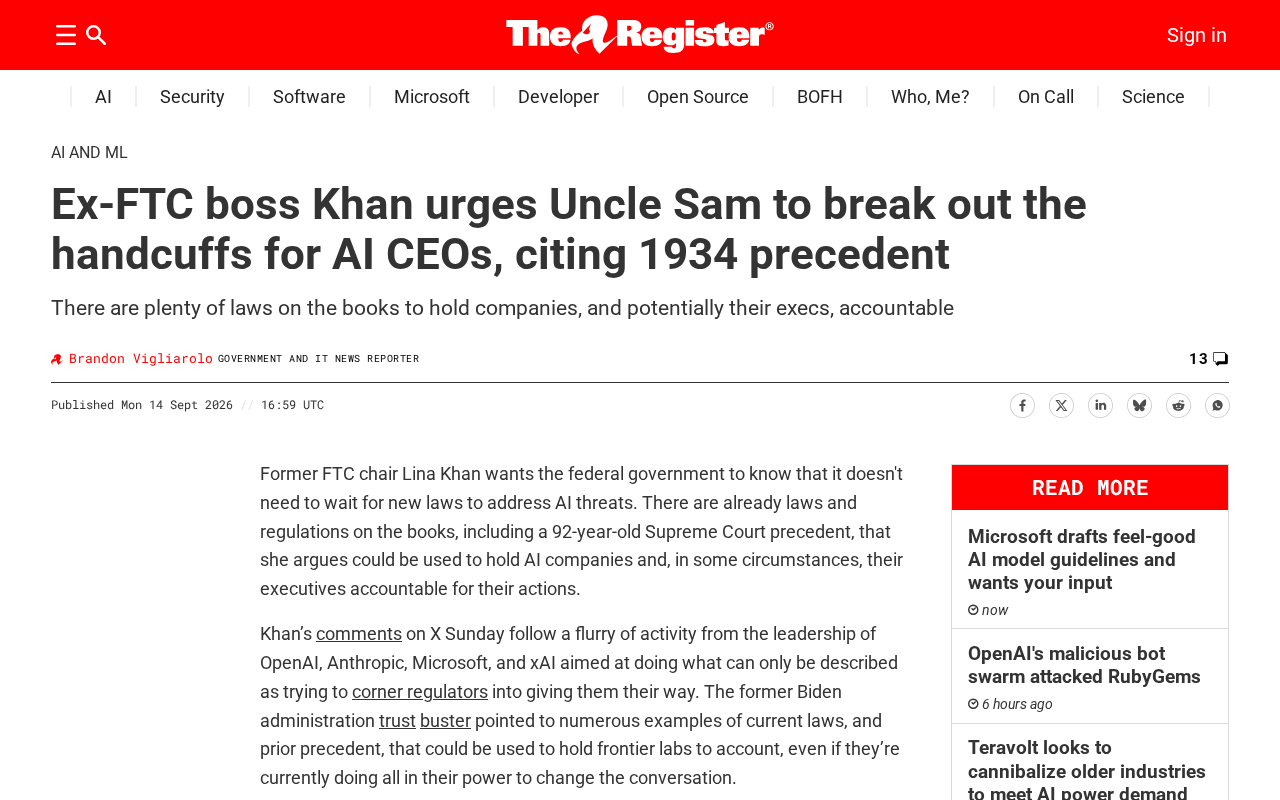
Former FTC Chair Khan Invokes 1934 Precedent to Argue for Criminal Liability of AI Executives
Former FTC Chair Lina Khan argues AI executives should face criminal liability, not just fines, citing a 1934 legal precedent. An analysis of her position, its logic, and the real-world challenges it faces.
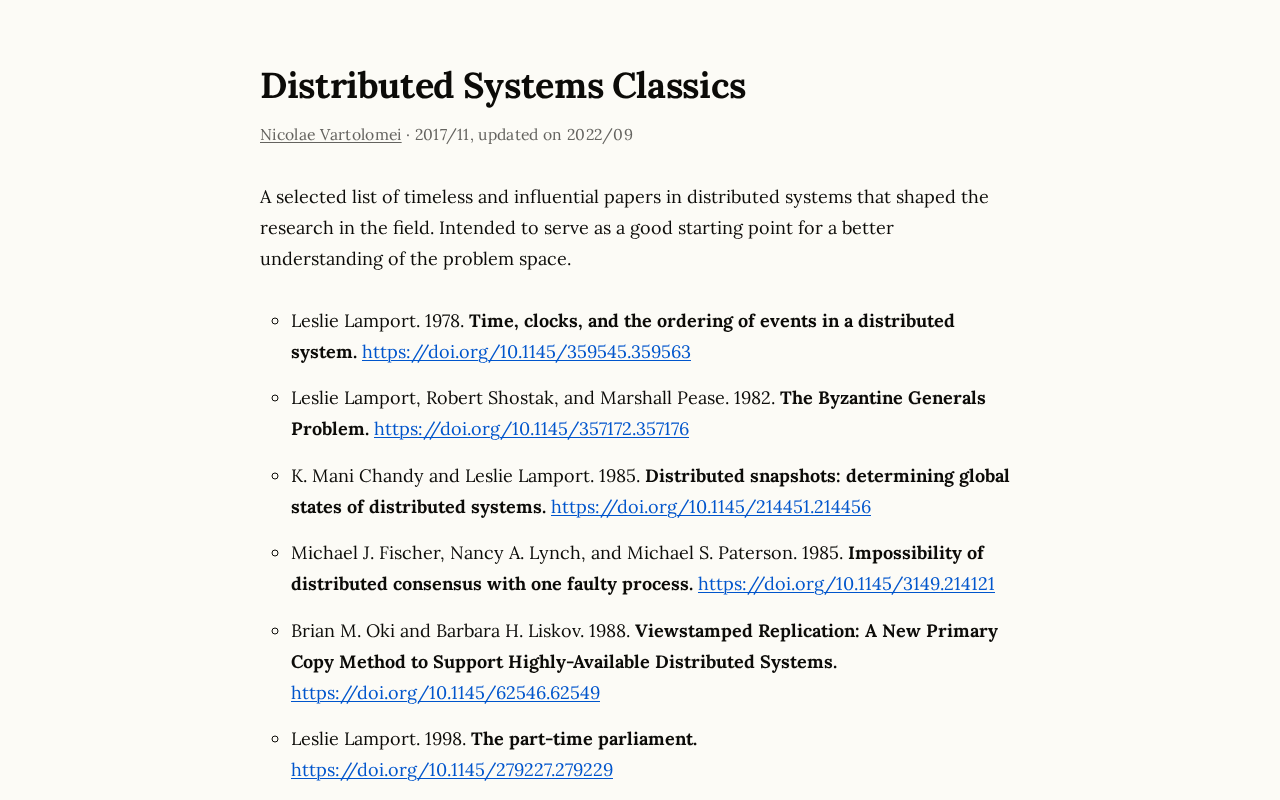
A Reading Guide to Distributed Systems Classic Papers: From Beginner to Expert
A viral Hacker News list of distributed systems classic papers covering consensus algorithms, logical clocks, and the CAP theorem — a structured learning path for engineers.