Vercel AI SDK Releases @ai-sdk/svelte 4.0.283 Patch Update
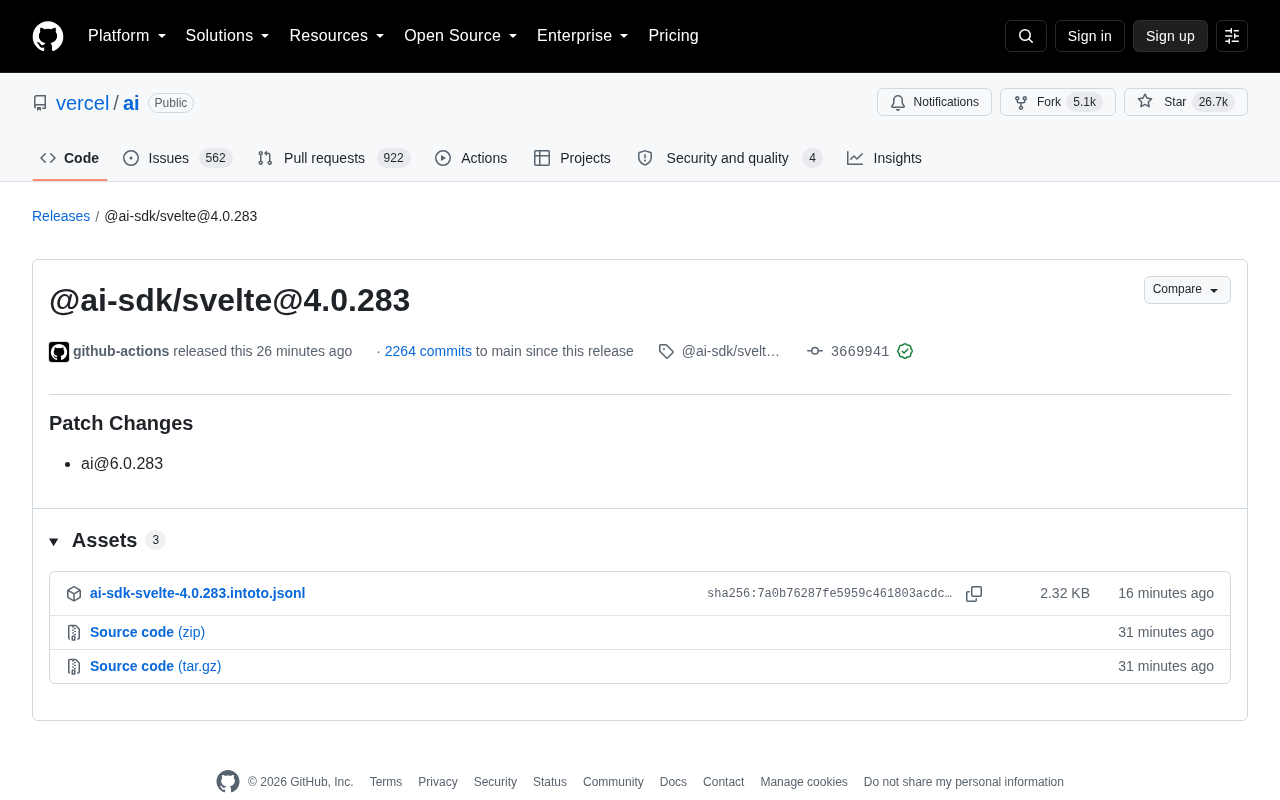
Vercel AI SDK releases @ai-sdk/svelte@4.0.283 patch update, synced with core library ai@6.0.283 — no breaking changes.
Vercel's AI SDK project released `@ai-sdk/svelte@4.0.283`, a patch update synced with `ai@6.0.283`, published via GitHub Actions with GPG signature verification. The `@ai-sdk/svelte` package is an adapter for the Svelte framework that wraps streaming responses and message state management into Svelte-native reactive patterns. This patch update contains no breaking changes and developers can upgrade via `npm i @ai-sdk/svelte@4.0.283`, though running existing tests afterward is recommended.
Version Update Overview
Vercel's open-source AI SDK project recently released @ai-sdk/svelte@4.0.283 via GitHub Actions. This is a patch-level update, primarily syncing with the core dependency ai@6.0.283.
According to the release information, this update was pushed by GitHub Actions on September 14th and verified with an official GitHub GPG signature (GPG key ID: B5690EEEBB952194), ensuring the integrity and authenticity of the release artifacts. The vercel/ai repository has now accumulated over 2,264 commits, with 26.7k stars and 5.1k forks, making it one of the most widely followed AI development toolkits in the JavaScript/TypeScript ecosystem.
What Is @ai-sdk/svelte
@ai-sdk/svelte is the official adapter package provided by Vercel AI SDK for the Svelte framework. The AI SDK is a toolkit that helps developers rapidly build AI-powered applications by abstracting common logic for interacting with large language models — such as streaming responses, message state management, and tool calling.
For different frontend frameworks, the AI SDK provides corresponding binding packages. The Svelte version allows developers using that framework to integrate AI capabilities like chat and completions in a way that aligns with Svelte's reactive paradigm, without needing to manually handle low-level streaming data parsing or state synchronization.
Svelte takes a different approach from React and Vue — its core characteristic is compiling reactive logic into native JavaScript at build time rather than using a virtual DOM at runtime. This results in smaller bundle sizes and lower runtime overhead. Svelte's reactivity relies on the compiler analyzing variable assignments at build time and automatically generating DOM update code, which differs significantly from React hooks or Vue's Composition API in terms of state management style. @ai-sdk/svelte is designed precisely for this paradigm, wrapping the AI SDK's streaming state into Svelte stores or reactive variables so developers can bind AI message streams directly using $store syntax — without manually managing the synchronization between WebSocket or SSE event listeners and DOM updates.
The Significance of a Patch Update
According to the changelog, the core change in version 4.0.283 is syncing with the ai@6.0.283 update. Patch releases with tightly aligned version numbers like this typically indicate that the framework adapter is staying in sync with the core library to address compatibility issues or incorporate minor improvements.
For developers, patch-level updates generally do not include breaking changes, making them relatively safe to apply. However, since the original release notes don't list specific bug fixes or feature additions, it's advisable to review the full changelog for ai@6.0.283 before upgrading in production environments to assess the potential impact on your project.
Semantic Versioning (SemVer) is a widely adopted version naming convention in the open-source ecosystem, using the format MAJOR.MINOR.PATCH. A PATCH increment indicates backward-compatible bug fixes, a MINOR increment indicates new backward-compatible features, and a MAJOR increment signals breaking changes. The 283 in @ai-sdk/svelte@4.0.283 is the PATCH number, theoretically meaning the upgrade won't break existing API calls. It's worth noting that keeping adapter packages (like @ai-sdk/svelte) tightly version-synced with the core library (ai) is a common coordinated release strategy in monorepo multi-package management, designed to prevent intermediate states where the adapter and core library have incompatible APIs.
Recommendations for Svelte Developers
If you're building AI applications with Svelte, keeping @ai-sdk/svelte in sync with the core ai package version is a good practice. The frequent small version releases also reflect a high level of maintenance activity from the Vercel AI SDK team — an iteration pace of over two thousand commits provides a reasonable assurance of the tool's long-term reliability.
Upgrading is straightforward via your package manager, for example: npm i @ai-sdk/svelte@4.0.283. After upgrading, it's recommended to run your existing test suite to verify that key paths such as chat streaming rendering and message handling are functioning correctly.
Related articles

RTX 5090 Stock Crisis: Why Third-Party Sellers Are Charging $9,500
NVIDIA's RTX 5090 has vanished from U.S. online retail, with third-party sellers asking up to $9,500. Here's how AI compute demand is driving GPU prices to extremes.
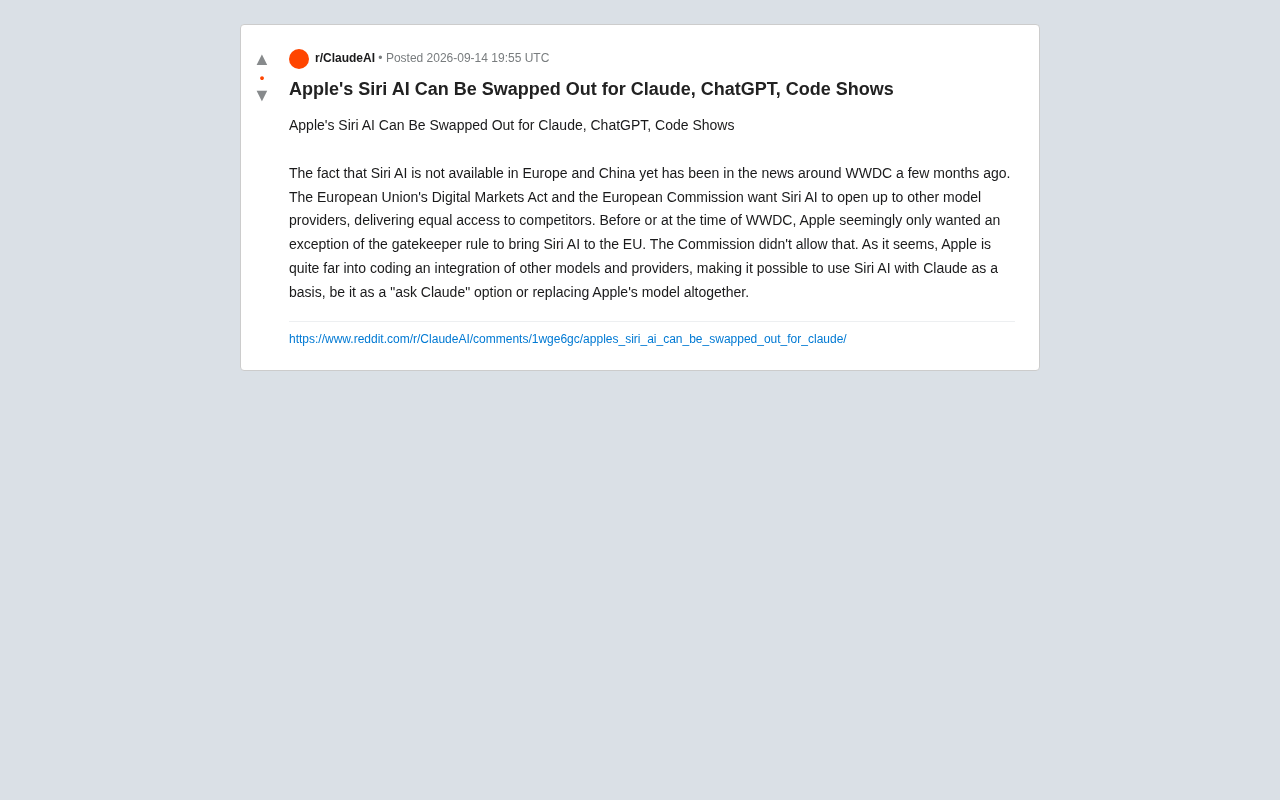
Apple Siri May Support Swapping in Claude and ChatGPT — Code Already Shows Signs
Leaked code shows Apple is developing third-party AI model integration for Siri, potentially allowing users to swap in Claude or ChatGPT under EU DMA pressure.
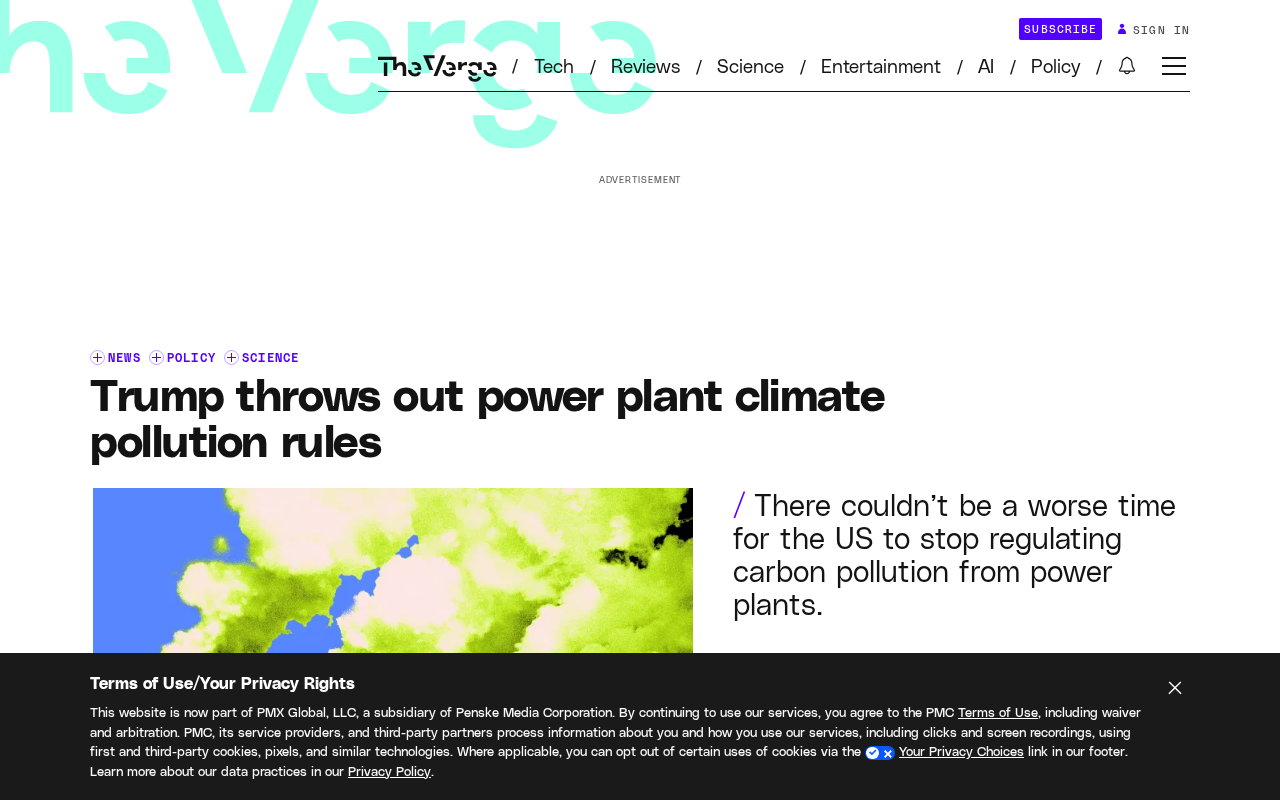
EPA Moves to Scrap Power Plant Greenhouse Gas Emission Standards Amid Surging AI Energy Demand
The EPA plans to eliminate all power plant greenhouse gas emission standards, just as AI, EVs, and manufacturing drive electricity demand higher — making U.S. power potentially far dirtier.