Vercel AI SDK Releases @ai-sdk/svelte 5.0.101 Patch Update
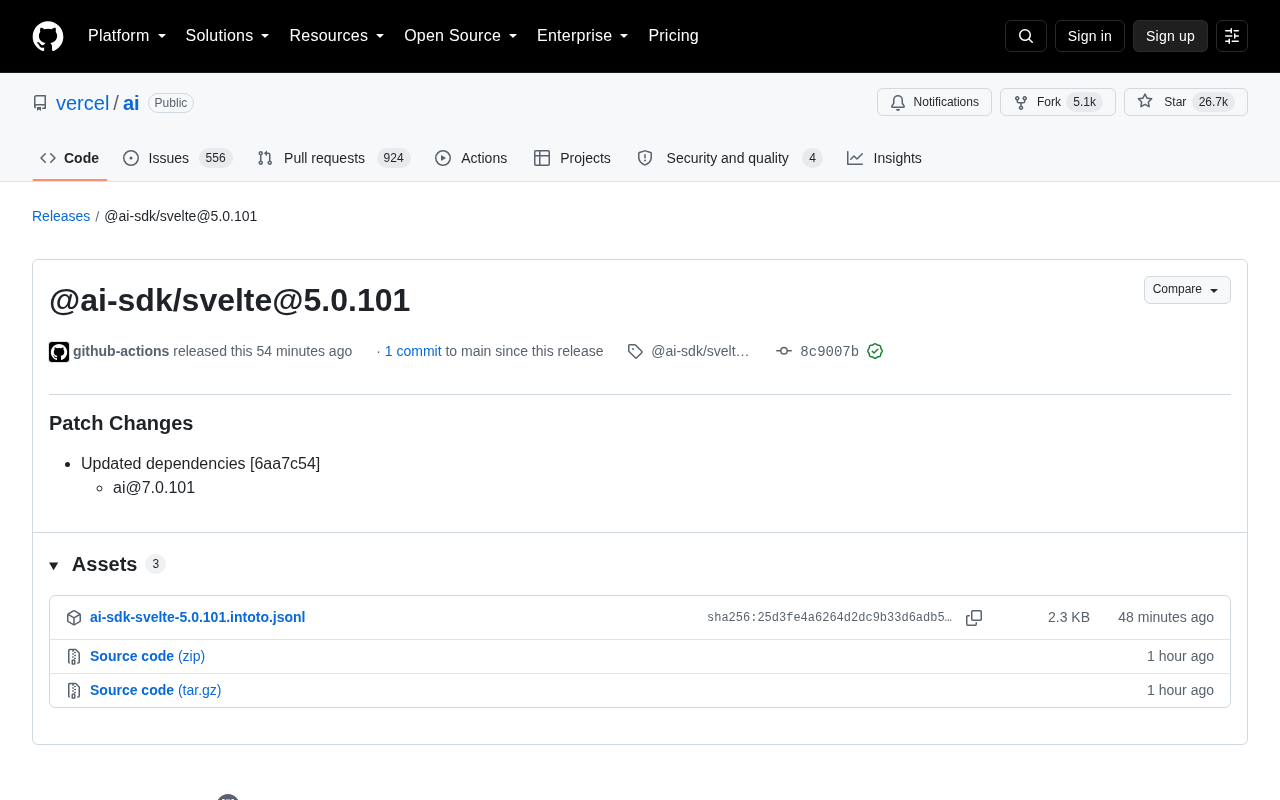
Vercel AI SDK's Svelte adapter releases v5.0.101 patch, syncing core dependency with no breaking changes.
`@ai-sdk/svelte@5.0.101` is a routine patch update in the Vercel AI SDK ecosystem, primarily syncing the internal `ai` core package to version 7.0.101 to keep the adapter layer aligned with the core library. The update introduces no new features or breaking API changes, making it a low-risk maintenance release. Developers building AI apps with Svelte can upgrade directly via their package manager with no additional migration work needed.
Vercel's popular AI application development framework, the AI SDK, has just released version 5.0.101 of @ai-sdk/svelte. This is a patch-level update focused primarily on dependency synchronization, targeting developers building AI applications with the Svelte framework.
Release Overview
According to the official GitHub release notes, @ai-sdk/svelte@5.0.101 is a Patch Change. Its core update syncs the internal ai package to ai@7.0.101 (dependency update hash: 6aa7c54).
This means the release introduces no new developer-facing features or breaking changes — it simply keeps the Svelte adapter layer aligned with the AI SDK core library. For projects already running this package in production, the upgrade risk is minimal, making it a routine maintenance update you can safely apply.
What Is @ai-sdk/svelte
@ai-sdk/svelte is the official Svelte adapter package within the Vercel AI SDK ecosystem. The Vercel AI SDK is one of the most popular AI development toolkits on GitHub (with approximately 26,700 stars and 5.1k forks). It provides a unified API that helps developers quickly integrate large language model capabilities into frontend frameworks — including streaming text generation, chat interfaces, tool calling, and more.
In addition to Svelte, the AI SDK also offers adapter packages for React, Vue, and other mainstream frameworks. This modular package design lets developers across different tech stacks integrate AI capabilities in ways that feel native to their framework, while sharing the same underlying core logic (the ai core package).
Svelte is a compile-time frontend framework created by Rich Harris. Unlike runtime frameworks such as React and Vue, Svelte compiles components into vanilla JavaScript at build time, eliminating the need for a virtual DOM in the browser — resulting in smaller bundle sizes and better runtime performance. Svelte 5 introduced the Runes reactivity system, which further changed the approach to state management. @ai-sdk/svelte is adapted specifically for these framework characteristics, offering reactive stores and composition functions that align with Svelte's programming paradigm. This allows developers to handle AI streaming responses declaratively, without manually managing WebStreams or async state.
Why Dependency Sync Matters
Looking at the version numbers, @ai-sdk/svelte@5.0.101 and ai@7.0.101 share the same patch number. This coordinated release strategy is a common maintenance practice in large SDK projects — when the core package ships a fix or improvement, the framework adapter packages follow suit to ensure consistent behavior across the entire ecosystem.
For developers, this means:
- Guaranteed compatibility: The adapter layer always matches the core library version, preventing potential issues caused by version mismatches.
- Low upgrade cost: Patch versions follow Semantic Versioning, meaning existing APIs should not break.
- Active, ongoing maintenance: Frequent patch releases reflect a highly engaged and responsive maintenance team.
About Semantic Versioning (SemVer): SemVer is the widely adopted version numbering standard in open source, formatted as
MAJOR.MINOR.PATCH. PATCH versions are for backward-compatible bug fixes only; MINOR versions add backward-compatible new features; MAJOR versions indicate breaking API changes. It's worth noting that@ai-sdk/svelteis currently on the 5.x series, while its dependencyaiis already at 7.x — a misaligned major version that's not uncommon in monorepo package management. Individual sub-packages can independently evolve their major versions, as long as coordinated patch releases ensure behavioral consistency at any given point in time.
How Developers Should Upgrade
For projects currently using Svelte with the AI SDK, you can upgrade directly via your package manager:
npm install @ai-sdk/svelte@5.0.101
Since this is purely a dependency-sync patch update, simply run your standard test suite after upgrading — no additional API migration work is required. If you'd like to review the specific changes in the ai@7.0.101 core package, check out the full Release Notes in the Vercel AI repository.
Summary
@ai-sdk/svelte@5.0.101 is a typical maintenance patch release, with its core value being the synchronization of the Svelte adapter package with the AI SDK core library. While this update is limited in scope, it reflects the stable, high-frequency iteration cadence of the Vercel AI SDK project — and signals the ecosystem's continued investment and maturity in the AI application development space.
Related articles
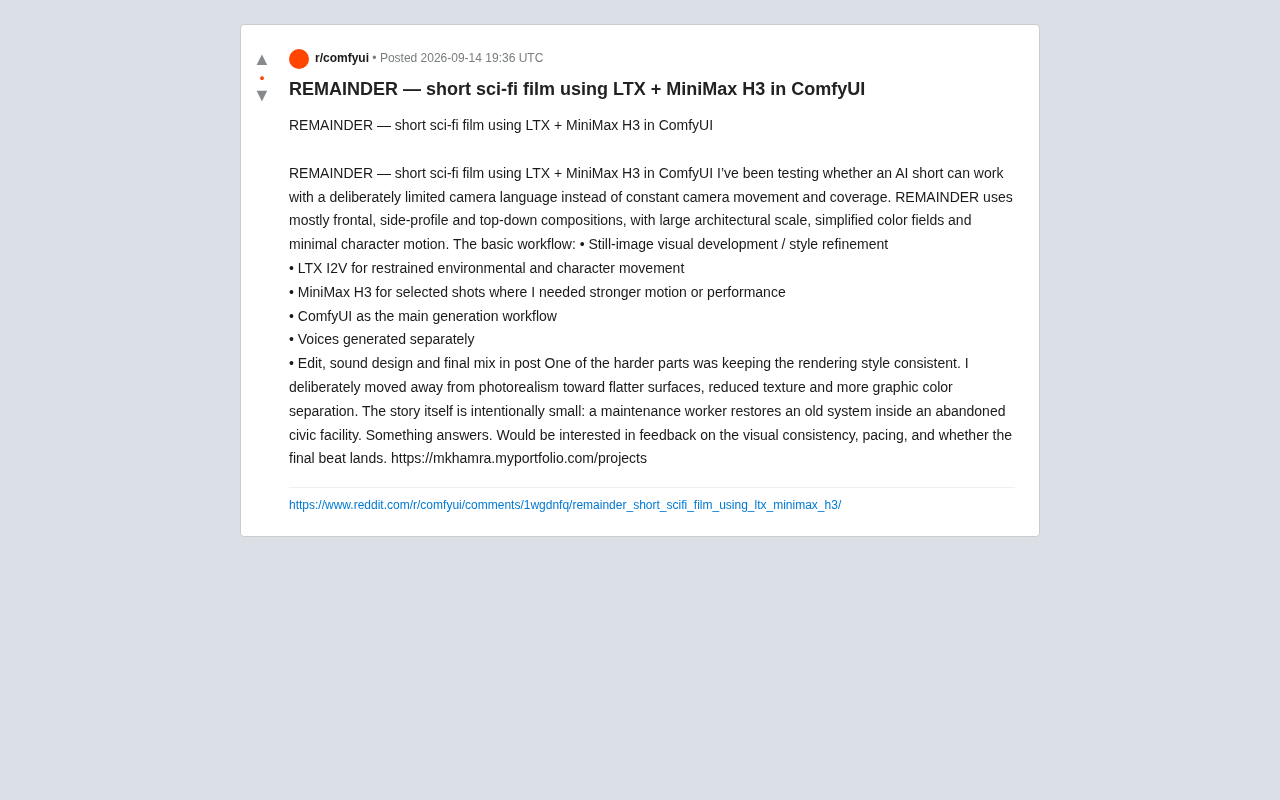
Building an AI Sci-Fi Short with LTX + MiniMax H3: Restrained Cinematography in ComfyUI
Sci-fi short REMAINDER uses LTX, MiniMax H3, and ComfyUI with restrained cinematography and flat aesthetics to solve visual consistency in AI filmmaking.
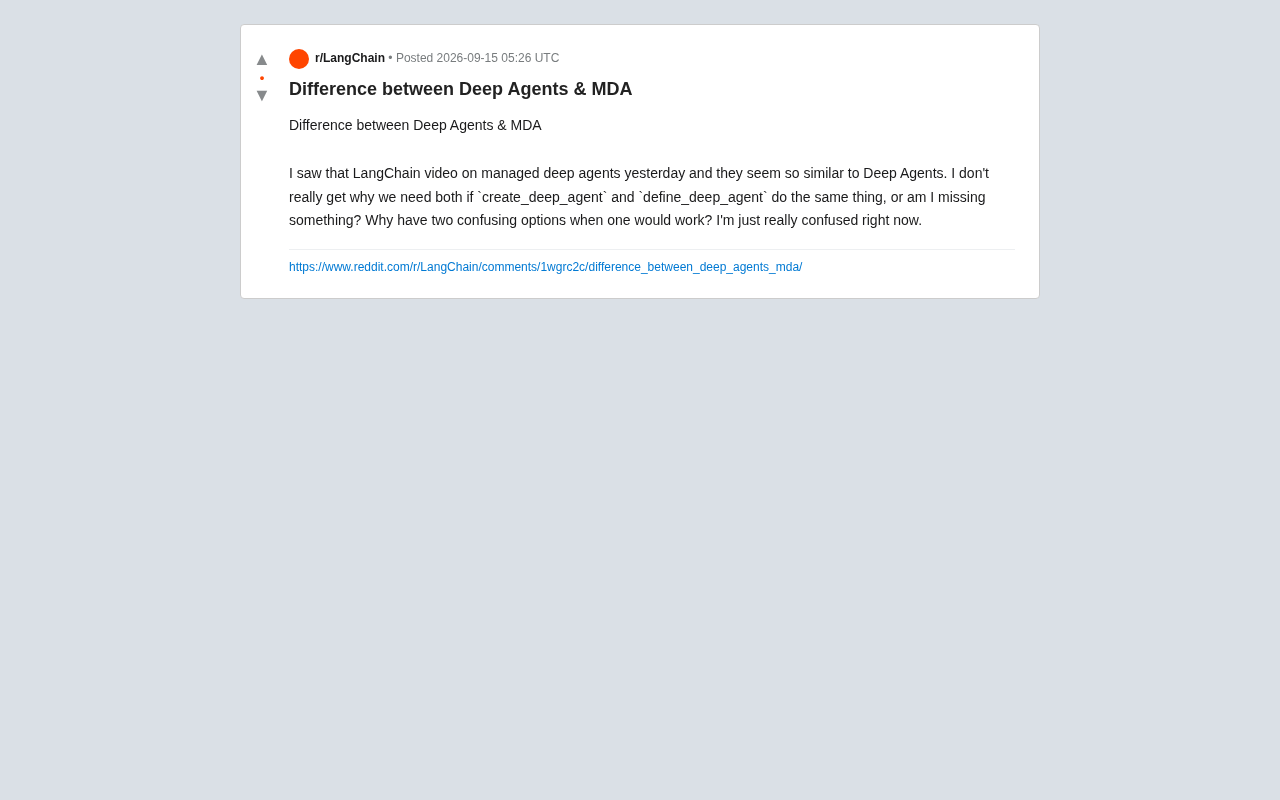
LangChain Deep Agents vs. MDA: Clearing Up the Confusion for Developers
What's the difference between LangChain's Deep Agents and MDA (Managed Deep Agents)? We break down create_deep_agent vs. define_deep_agent and help developers choose.
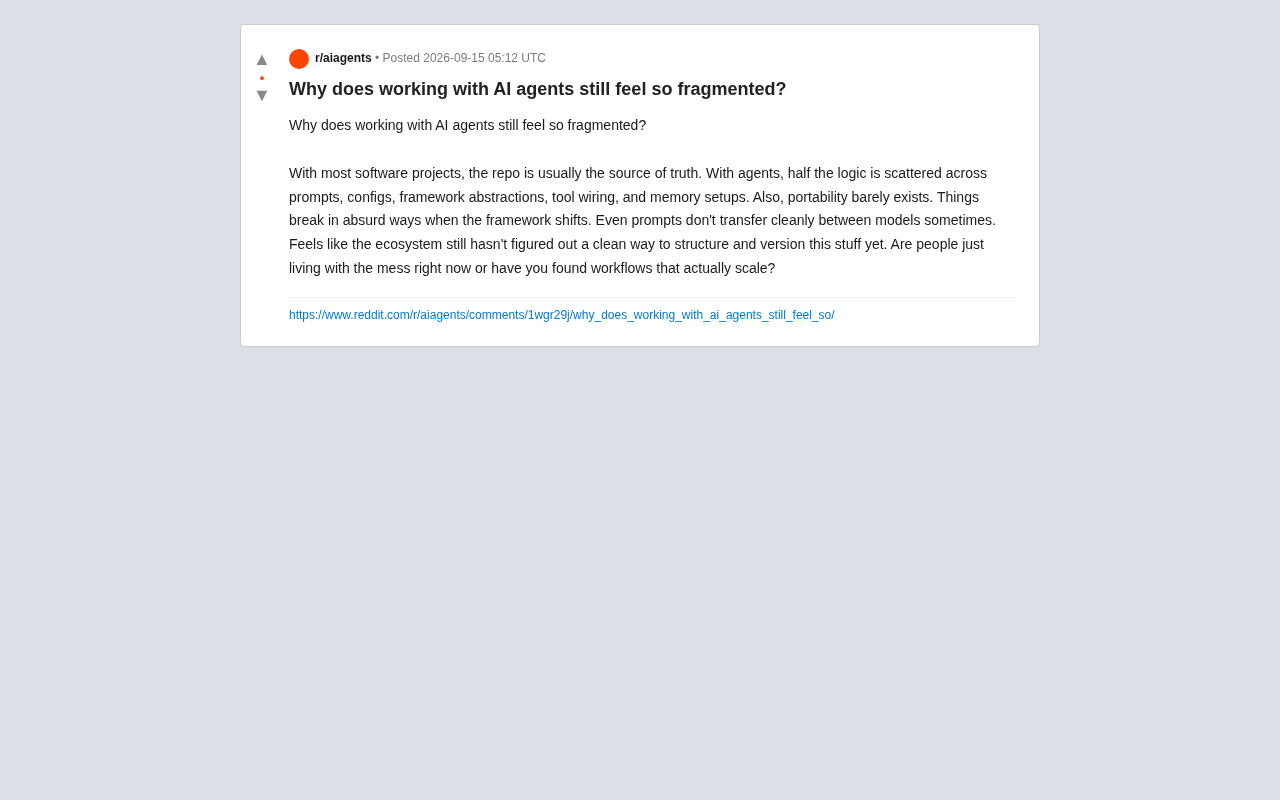
Why Is AI Agent Development So Fragmented? The Real Causes and How to Work Around Them
Why does AI Agent development feel so fragmented? Logic scattered across prompts, configs, and frameworks makes portability nearly impossible. Here's why — and how to cope.