Vercel AI SDK Releases sandbox-vercel@1.0.111 Patch Update
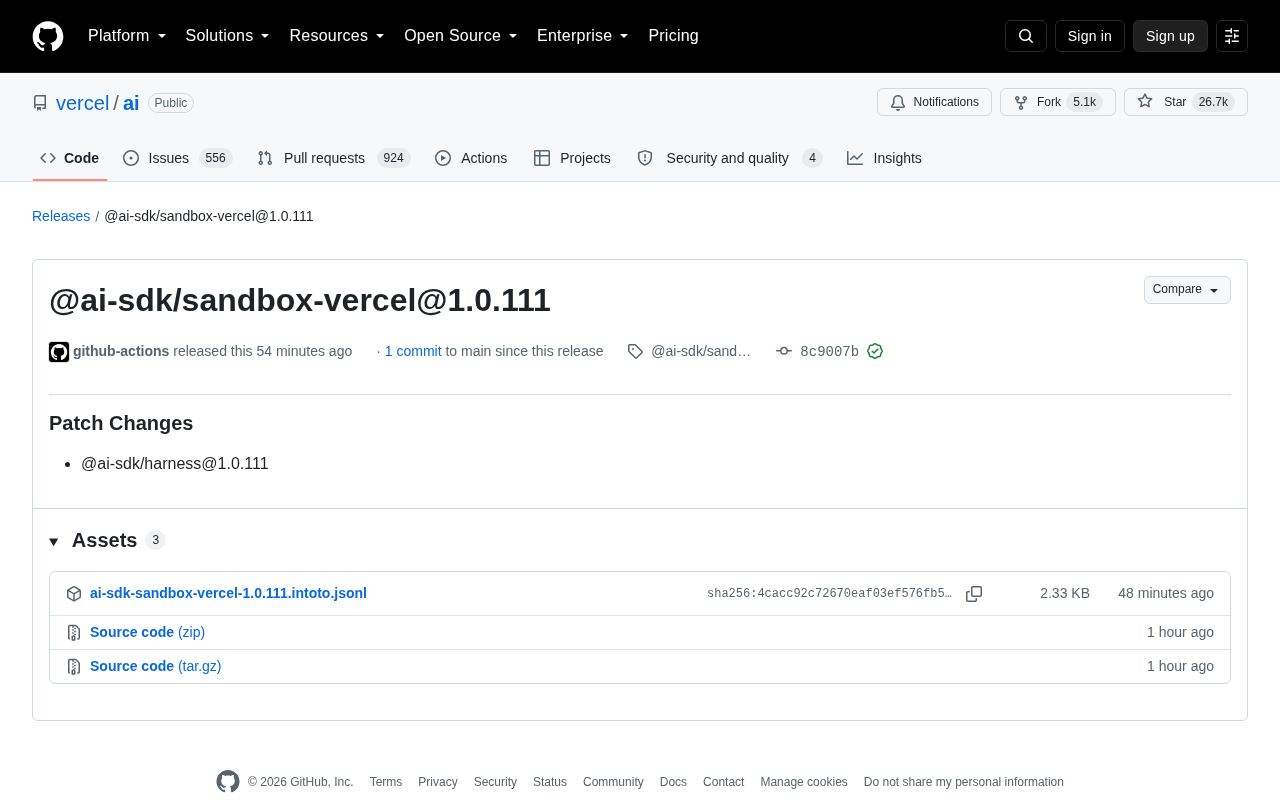
Vercel AI SDK releases sandbox-vercel@1.0.111 patch update with dependency sync and no breaking changes.
Vercel's official AI SDK project released `@ai-sdk/sandbox-vercel@1.0.111`, a routine patch update whose primary change is a synchronized upgrade of the internal dependency `@ai-sdk/harness@1.0.111`. The two sub-packages sharing the same version number reflects the project's monorepo unified versioning strategy, helping reduce cross-package compatibility issues. The release was automated via GitHub Actions with a GPG-verified signature. For developers already using Vercel AI SDK, patch updates like this typically contain no breaking changes and are safe to adopt after reviewing the Changelog. With ~26.7k GitHub stars and an active maintenance cadence, the project's high-frequency releases mean fast fixes — but also require teams to establish clear upgrade evaluation workflows.
Overview
Vercel's officially maintained AI SDK project recently released @ai-sdk/sandbox-vercel@1.0.111. This is a patch-level update focused on internal dependency synchronization and minor fixes. As a component package within the Vercel AI ecosystem, this release reflects the AI SDK's continued high-frequency iteration cadence.
According to the release information, this update was published automatically via GitHub Actions and includes a verified GPG signature (key ID: B5690EEEBB952194), ensuring the integrity and trustworthiness of the release artifacts.
What's in This Update
Based on the Changelog provided on the Release page, version 1.0.111 falls under Patch Changes, with the core change being a synchronized upgrade of the bundled dependency @ai-sdk/harness@1.0.111.
Patch versions typically introduce no breaking changes and no new public APIs. They are primarily used for bug fixes, internal dependency updates, or compatibility adjustments. For developers who have already integrated Vercel AI SDK in production environments, this type of release is generally safe to upgrade to.
Notably, the version numbers are in lockstep: sandbox-vercel and harness both sit at version 1.0.111. This reflects the monorepo unified versioning strategy used by Vercel AI SDK, where multiple sub-packages across the repository are updated together in a single release — reducing compatibility issues caused by version mismatches between packages.
About the Vercel AI SDK Project
Vercel's ai repository is one of the most closely watched AI toolkits in the frontend and full-stack development space. Publicly available data shows the project has approximately 26.7k stars and 5.1k forks on GitHub, demonstrating strong community engagement and adoption.
The AI SDK is designed to provide TypeScript/JavaScript developers with a unified interface for integrating large language models, building streaming responses, handling tool calls, and addressing other common AI application scenarios. Sub-packages like sandbox-vercel are typically related to code sandboxing and isolated execution environments — used to run model-generated code or tool logic in a controlled setting.
What High-Frequency Iteration Means
A version number like 1.0.111 makes it clear that the AI SDK operates on an extremely dense release cycle. This kind of rapid patch iteration has two sides for users:
- Advantages: Fast response to bug fixes, timely security and feature updates, and close alignment with upstream model capability changes.
- Challenges: For teams with a more conservative approach to dependency management, frequent version updates require a clear upgrade evaluation process to avoid blindly chasing every patch release.
How Developers Should Respond
For projects currently using Vercel AI SDK, here are some recommended strategies when dealing with patch updates like this one:
Pay attention to the type of change noted in the Changelog. For Patch releases, focus on whether the fixes are relevant to your use case. If the update involves dependency packages (such as harness in this case), confirm whether any transitive dependency changes could affect your existing integration.
While pinning dependency versions, consider batching patch upgrades periodically. This lets you benefit from fixes while keeping regression testing costs manageable. Teams using sandbox-related features should pay particular attention to any behavioral changes in the sandbox execution environment.
Summary
@ai-sdk/sandbox-vercel@1.0.111 is a routine patch release centered on dependency synchronization. While the information in any single update is limited, it reflects the continued, stable maintenance of the Vercel AI SDK project — and serves as a reminder for developers to stay engaged with this rapidly evolving open-source ecosystem.
Related articles
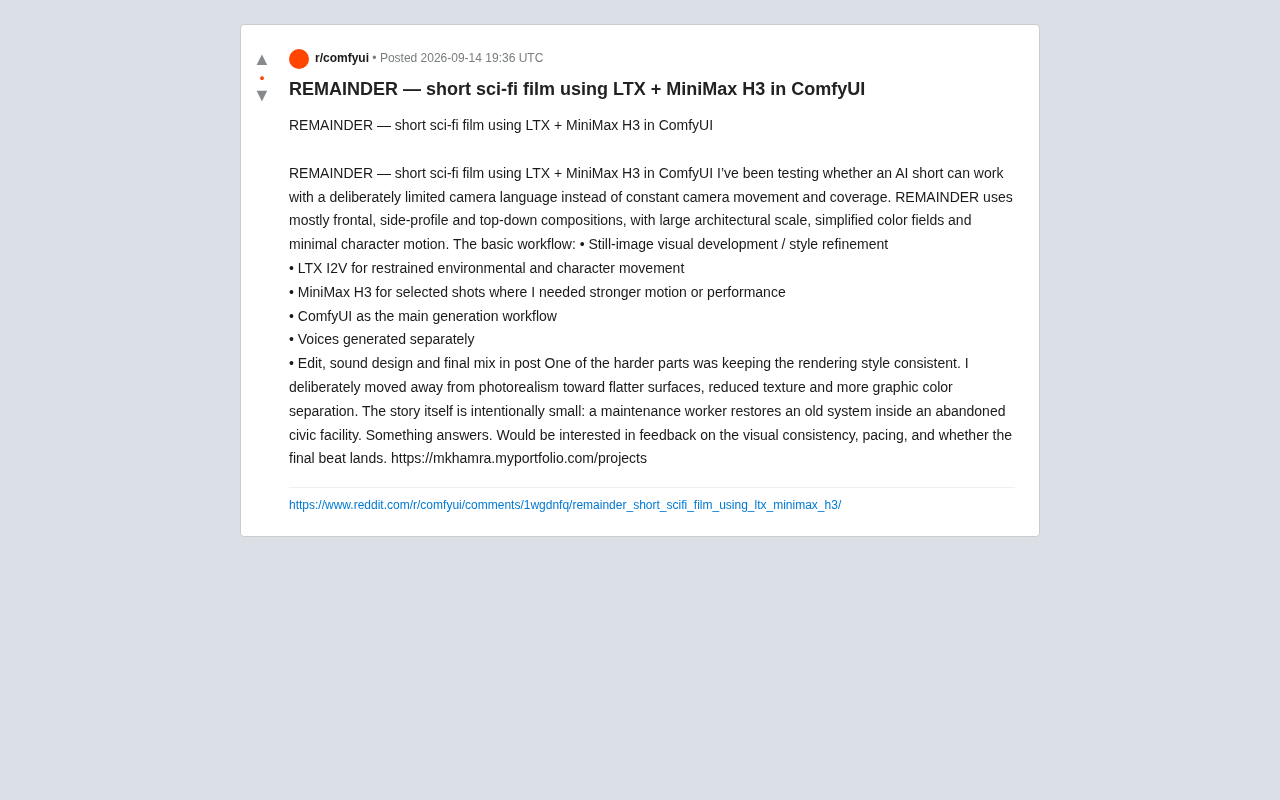
Building an AI Sci-Fi Short with LTX + MiniMax H3: Restrained Cinematography in ComfyUI
Sci-fi short REMAINDER uses LTX, MiniMax H3, and ComfyUI with restrained cinematography and flat aesthetics to solve visual consistency in AI filmmaking.
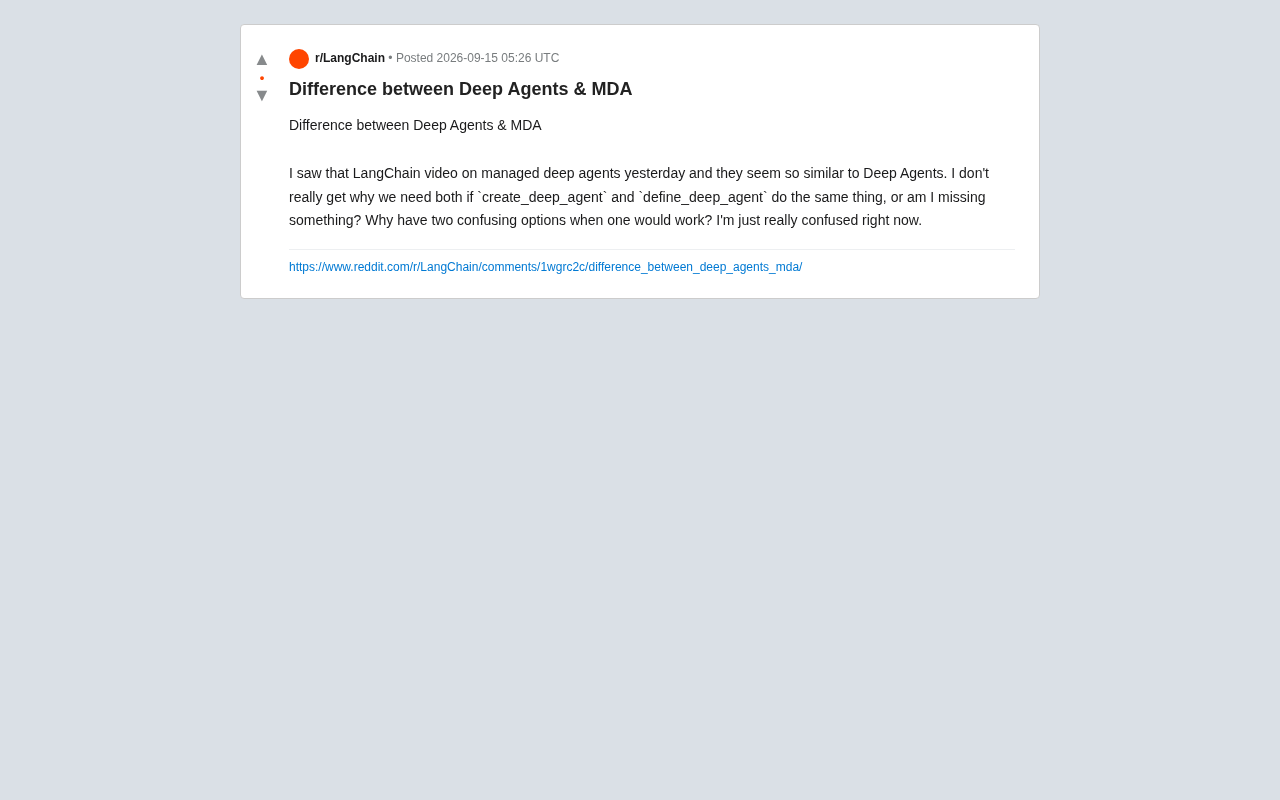
LangChain Deep Agents vs. MDA: Clearing Up the Confusion for Developers
What's the difference between LangChain's Deep Agents and MDA (Managed Deep Agents)? We break down create_deep_agent vs. define_deep_agent and help developers choose.
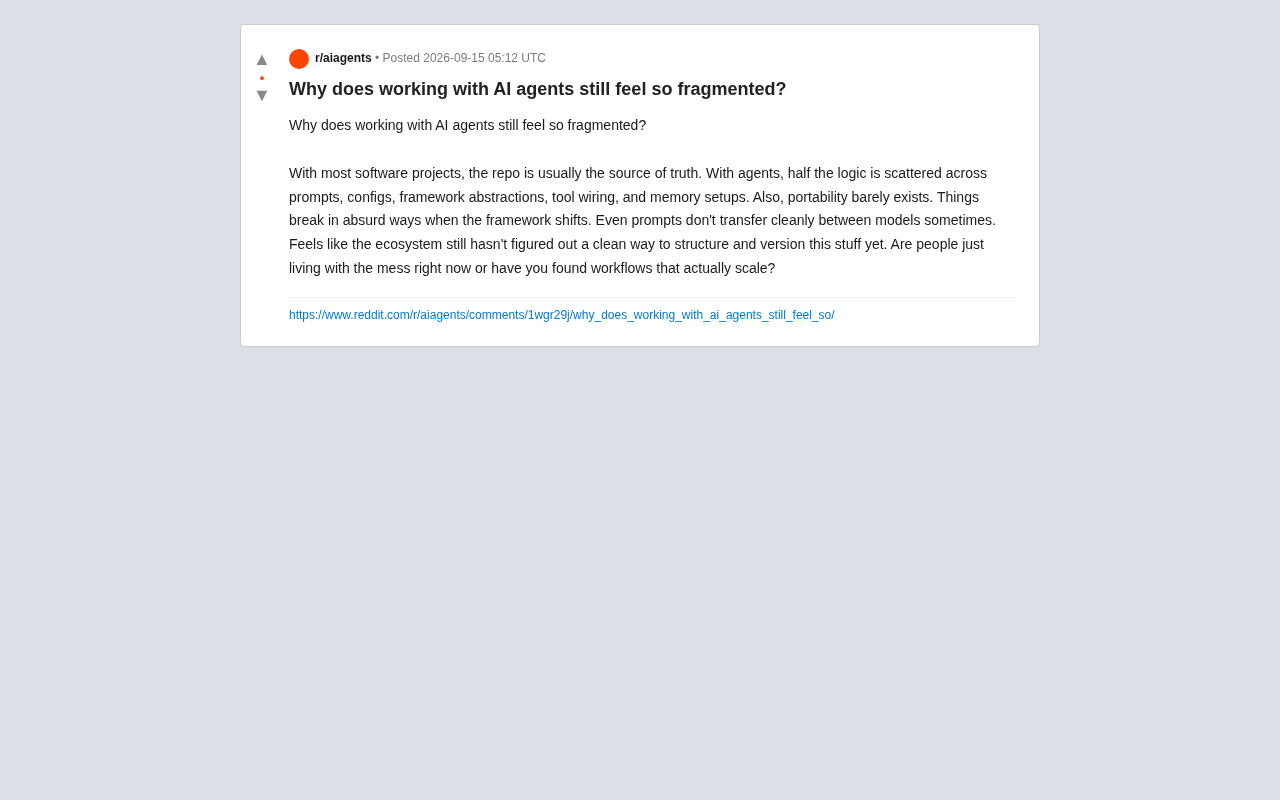
Why Is AI Agent Development So Fragmented? The Real Causes and How to Work Around Them
Why does AI Agent development feel so fragmented? Logic scattered across prompts, configs, and frameworks makes portability nearly impossible. Here's why — and how to cope.