Vibe Coding 5 Mobile Games with Claude Code: Ad Monetization Beats Subscriptions
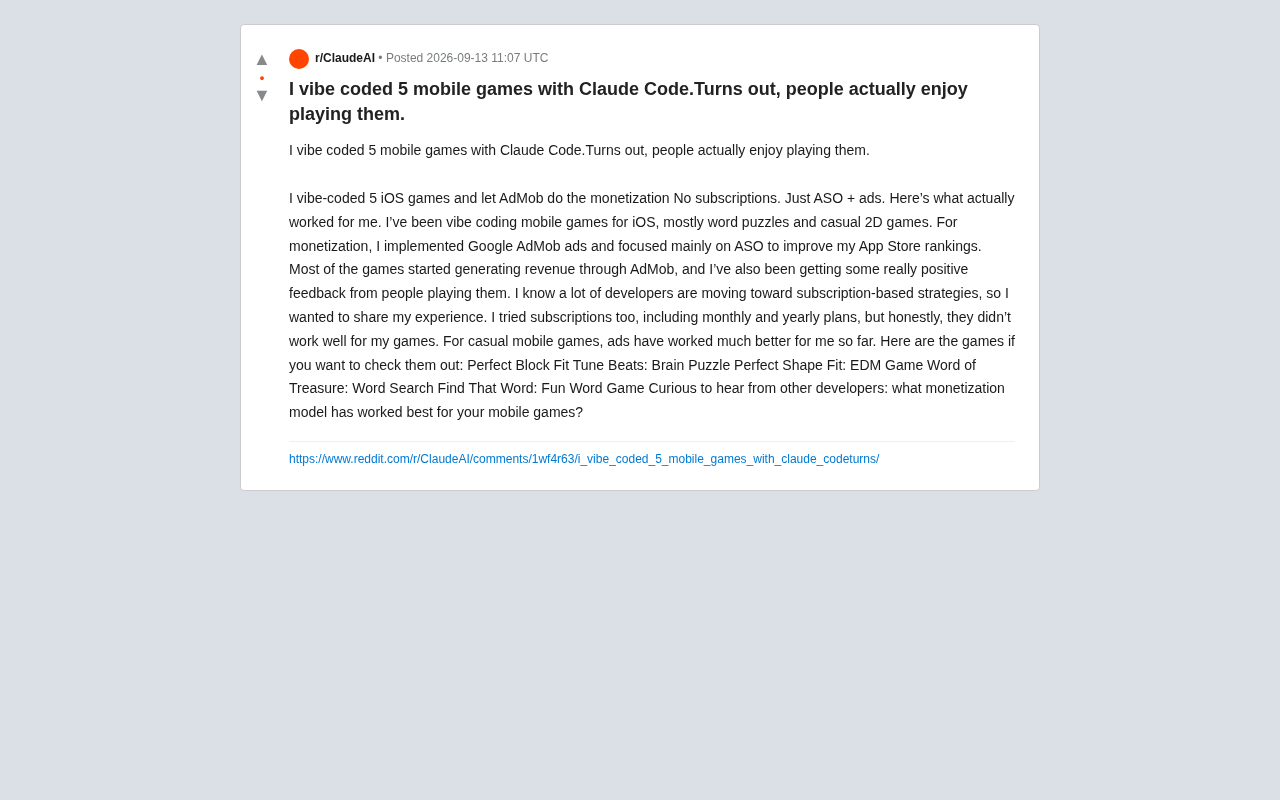
Indie dev ships 5 iOS casual games via Claude Code vibe coding; ad monetization + ASO beats subscriptions.
A Reddit developer shared his experience building 5 iOS casual games solo using Claude Code in a "vibe coding" workflow. His key finding: for casual games, combining Google AdMob ads with App Store Optimization (ASO) significantly outperforms monthly or annual subscriptions. The reason is straightforward — casual game users have short lifecycles and low retention, making ad-based monetization a much better behavioral fit. AI tooling compressed development timelines enough to enable a multi-game, rapid-validation strategy. The post lacks hard revenue and download data, so it's best treated as directional guidance rather than a repeatable formula.
One Developer's Real-World Experiment
Among the many discussions about AI-assisted development, this Reddit developer's post stands out for its refreshing practicality: using Claude Code in a "vibe coding" approach, he independently built 5 iOS games — and people are actually playing them and paying for them.
"Vibe coding" refers to a workflow where the developer leans heavily on AI to generate and iterate code, while focusing their own energy on product direction, experience refinement, and overall pacing — rather than hand-writing every implementation detail. For indie developers, the biggest advantage of this approach is that one person can ship multiple complete products in a short timeframe.
All 5 games he built fall into the casual category, spanning word puzzles and lightweight 2D games:
- Perfect Block Fit
- Tune Beats: Brain Puzzle
- Perfect Shape Fit: EDM Game
- Word of Treasure: Word Search
- Find That Word: Fun Word Game
The names alone tell you what you're getting — low barrier, lightweight gameplay: block fitting, music rhythm, and word search. These games demand relatively little in terms of code complexity, making them ideal candidates for AI-assisted development.
Monetization Strategy: Ads Beat Subscriptions
The part of this post that really deserves attention is the developer's candid reflection on monetization models.
A lot of developers today are shifting toward subscription plans (monthly/yearly) as their go-to answer for stable revenue. But this developer actually tried subscriptions — both monthly and annual — and his conclusion was blunt: for his games, subscriptions simply didn't work.
The combination that actually succeeded was AdMob ads + ASO (App Store Optimization):
- Integrated Google AdMob for monetization
- Put the bulk of effort into ASO to improve App Store rankings
- Most games started generating revenue through ads
His take: for casual mobile games specifically, ad monetization fits user behavior far better than subscriptions. That's not a surprising conclusion — casual game players are often passing through in their spare moments. They'll watch a short ad to keep playing, but they're unlikely to subscribe to a small game they'll probably delete in a few days.
Why This Case Study Is Worth Indie Developers' Attention
This case pulls AI-assisted development down from "impressive demos" to the more grounded question of "can it actually make money?" A few key takeaways stand out.
AI Reduces the Cost of Testing Ideas
In the past, an indie developer might spend months polishing a single game before daring to test it in the market. With tools like Claude Code, the time to ship a lightweight game compresses dramatically — making it viable to run a "launch several, fail fast" strategy and see what sticks. Out of 5 games, something is bound to break through. That's a probability game in itself.
Monetization Models Must Match the Product Category
Subscriptions aren't a universal solution. They work best for apps that deliver ongoing value and see frequent, habitual use — think tools or content services. Casual games have short user lifecycles and weak retention. Ad-based "use it and leave" monetization fits that reality far better. Blindly following the subscription trend could actually hurt your conversion rates.
ASO Is Still the Key to Distribution
For indie developers without big advertising budgets, organic App Store rankings are often the difference between survival and obscurity. This developer made ASO his primary growth lever — which shows that in an era of soaring user acquisition costs, nailing your keywords, title, and icon is still the highest-ROI source of organic traffic.
Some Caveats Worth Keeping in Mind
As a personal experience post, there are notable information gaps. The developer didn't share specific revenue figures, download numbers, or ad eCPM data, so the degree to which things "worked well" is hard to quantify. It's also unclear how many of the 5 games are profitable, or what the individual success rate looks like.
Saying "people genuinely enjoy playing" is more of a subjective read from user feedback than hard data. Readers should treat this as a valuable directional reference — not a formula to copy wholesale.
For the broader developer community, this post surfaces a question that keeps coming up: What monetization model actually works best for your mobile game? The answer clearly isn't one-size-fits-all. It depends on your category, your user profile, and your product positioning. AI tools can help you ship faster, but the monetization puzzle is still something every developer has to solve through their own experimentation.
Related articles
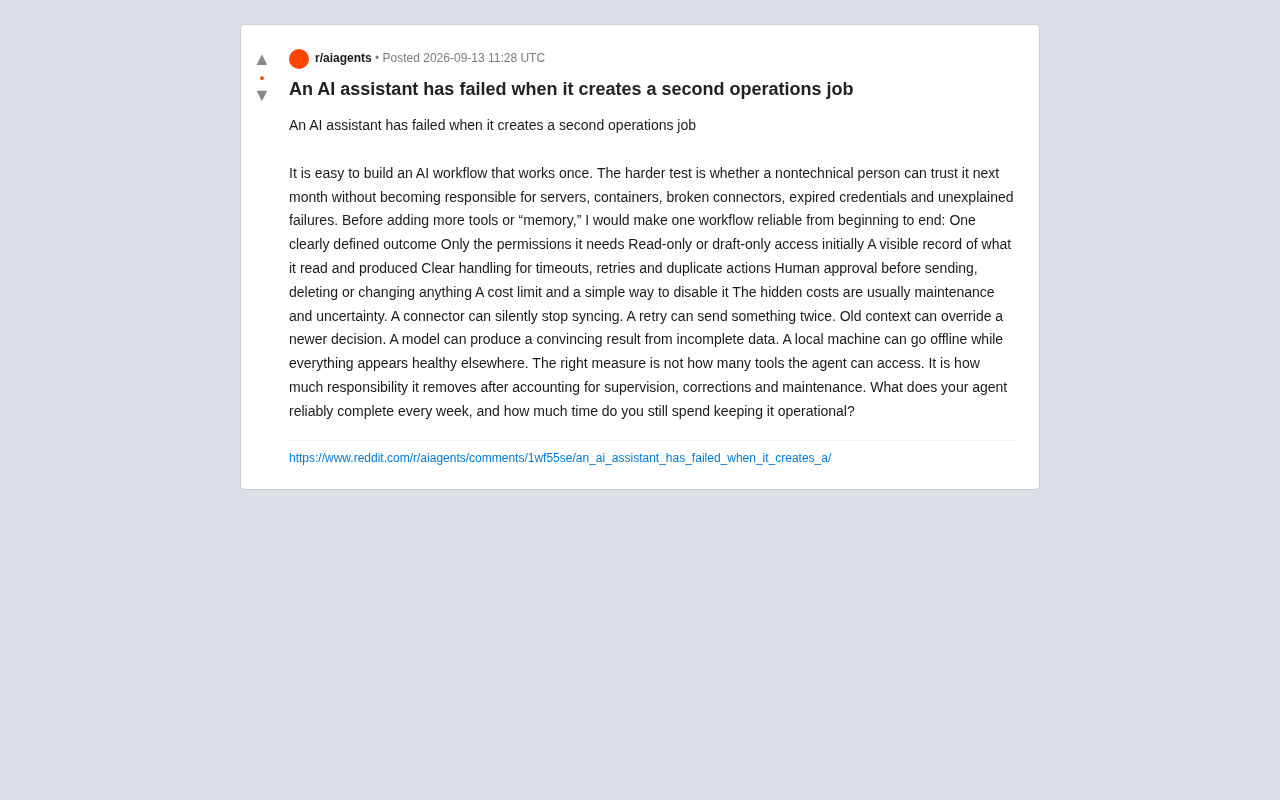
The True Failure of an AI Assistant: When It Creates a Second Operations Job
A Reddit user reframes how to judge AI assistants: they fail when they create a second ops job. Learn how to build end-to-end reliable workflows and measure Agent value by net benefit, not tool count.
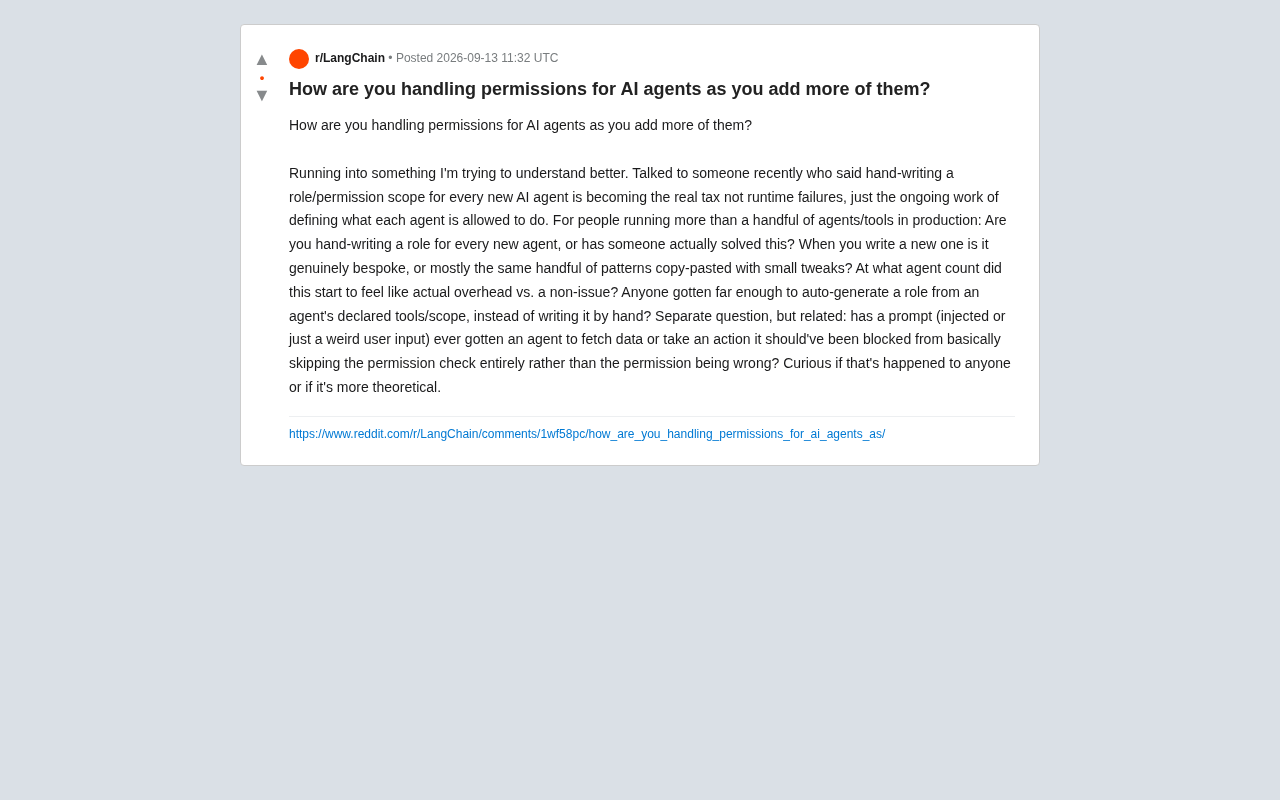
AI Agent Permission Management: Is Writing Roles Manually the New Hidden Tax?
As AI Agent counts grow, manually defining permission roles is becoming a hidden operational burden. This article explores scalability challenges, auto-generated roles, and the security risk of prompt injection bypassing permission checks.
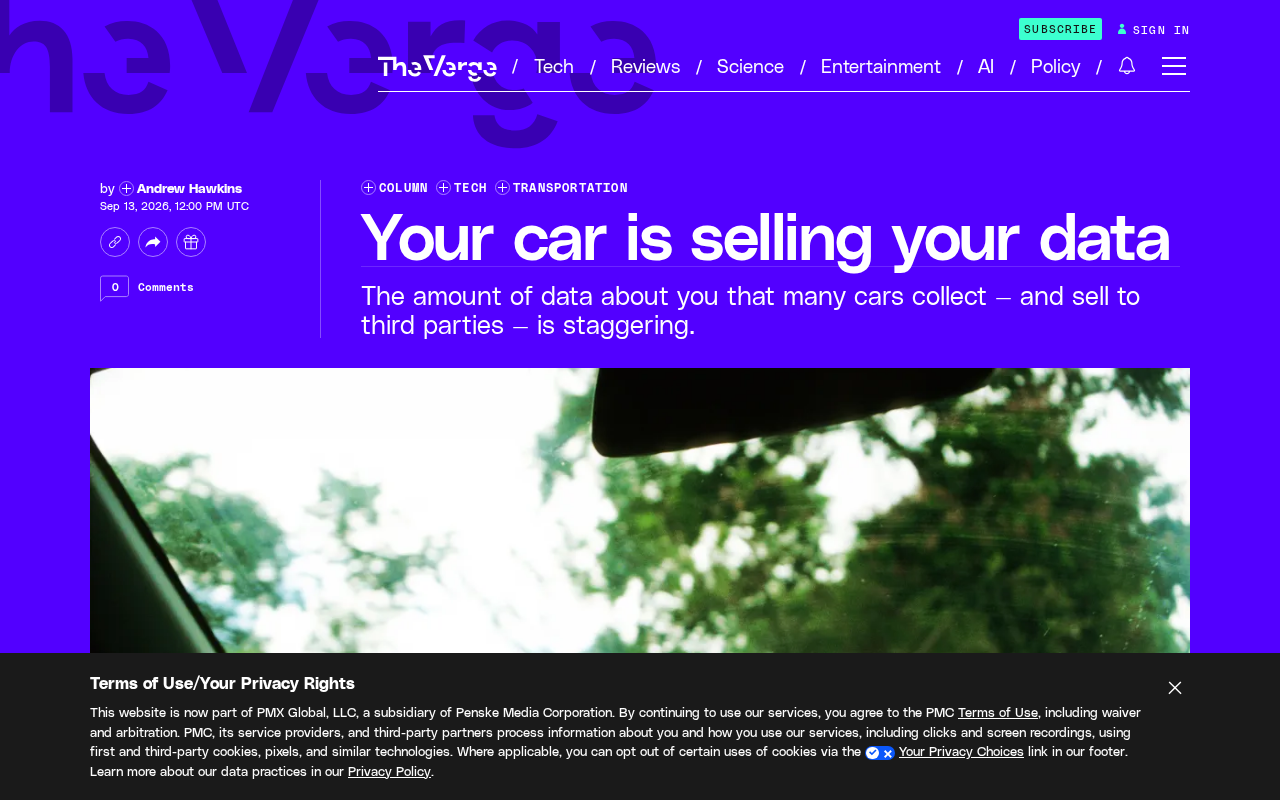
Your Car Is Selling Your Data: A Deep Dive into the Connected Vehicle Privacy Crisis
Modern connected cars continuously collect location, driving habits, and personal data, selling it to insurers and advertisers via data brokers. We break down how it works and what can be done.