Vibe Coding in Practice: How AI-Assisted Creation Makes Personal Projects Possible

How Vibe Coding and AI tools are enabling individual creators to produce professional-quality works solo.
Vibe Coding, coined by Andrej Karpathy, is a creative programming paradigm where developers use AI tools to express intent rather than write code line by line. Through one creator's first AI-assisted project — complete with CG visuals and an original ending song — this article explores how tools like Suno, Midjourney, and Cursor are democratizing complex creative production for solo creators.
What Is Vibe Coding?
Recently, a Bilibili content creator published a trailer for their first "Vibe Coding" project, revealing an opening CG sequence and an original ending song. This emerging concept is quietly gaining traction in the developer community. Vibe Coding refers to a style of programming where developers use AI tools to follow their instincts and creativity — letting the coding process evolve from rigid logical construction into a freer, more artistic creative experience.
The term Vibe Coding was formally introduced by OpenAI co-founder Andrej Karpathy in early 2025. In a social media post, he described a new programming paradigm: developers fully immerse themselves in a creative flow state, delegating the specifics of code generation to large language models (LLMs), while focusing solely on expressing directional intent. The technical foundation for this approach lies in the maturity of AI coding tools — such as GitHub Copilot, Cursor, and Claude — which can interpret natural language descriptions and translate them into executable code, making "intent as code" a practical reality.
Unlike traditional programming, which emphasizes precise control and line-by-line verification, Vibe Coding prioritizes intent expression: developers simply describe the effect or atmosphere they want, and AI transforms vague creative ideas into working code. This model significantly lowers the technical barrier, enabling more people with creative vision — but without deep programming backgrounds — to participate in software and content creation.
How This Project Trailer Reflects the Vibe Coding Philosophy
The trailer opens with an atmospheric CG sequence and closes with an original song, conveying a strong sense of emotional storytelling. "The cleaning robot bumped into my ankle, circled away, and quietly moved on" — this intimate, everyday scene anthropomorphizes a tech product, lending warmth to what is otherwise a cold machine.

This narrative choice itself embodies the core spirit of Vibe Coding — technology is no longer the end goal, but a medium for carrying emotion and expression. With the help of AI tools, the creator transformed the raw sincerity of a "first personal project" into visual CG imagery and a melody worth humming.
The Multifaceted Integration of AI Creative Tools
A complete "project trailer" typically requires a range of capabilities working in concert: CG generation, music composition, copywriting and lyrics, and potentially interactive logic. In the context of Vibe Coding, each of these elements can be handled by different AI tools and then integrated by the creator.
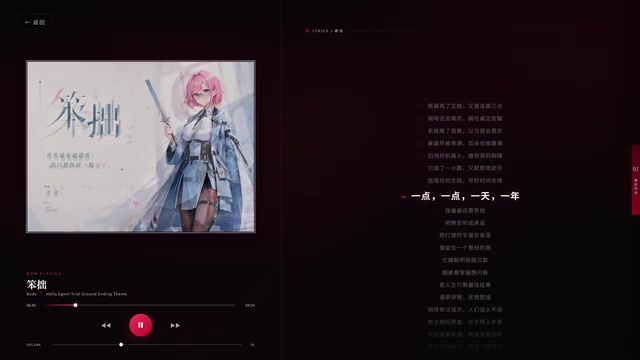
AI Visual Generation: Rapid CG Production
The opening CG can now be produced quickly using AI image and video generation tools. Leading AI visual tools — including video generation platforms like Sora, Runway, and Pika, as well as image generators like Midjourney and Stable Diffusion — are built on diffusion models or Transformer architectures. Diffusion models learn statistical patterns from vast image datasets and can progressively denoise based on a text prompt to generate high-quality visual content. Creators simply provide a scene description, and the tool outputs visuals that match the intended atmosphere — dramatically compressing what used to be weeks of 3D modeling and rendering into a much shorter timeline.
AI Music Generation: Melody Meets Emotion
The melody and lyrics of the ending song can similarly be produced using AI music generation platforms. Next-generation platforms like Suno and Udio have achieved the ability to generate complete songs from text prompts, combining melody generation, harmonic arrangement, vocal synthesis, and lyric writing in a single workflow. Their core technical approaches include Transformer-based sequence modeling for melody and harmony, and neural TTS (Text-to-Speech) for vocal rendering. Lyrics like "I turned longing into torment" and "traded our stories" suggest the creator was aiming for poetic depth and emotional resonance — and modern AI music tools are increasingly capable of capturing emotional arcs, from melancholic lows to soaring highs, bringing AI-generated music closer to the expressiveness of human composition.
New Opportunities for Independent Creators in the AI Era
The significance of this project goes beyond the content itself — it vividly demonstrates what AI-assisted creation makes possible for individual creators. In the past, producing a complete work featuring CG and original music required a professional team and significant financial investment. Today, a solo content creator using the Vibe Coding approach can independently complete the entire workflow from concept to finished product.
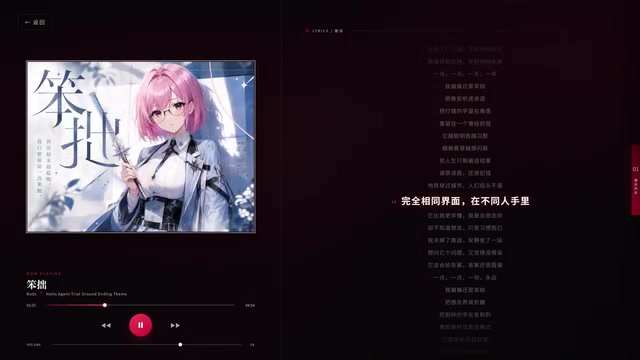
The "democratization of creation" driven by AI tools is, at its core, a generational revolution in productivity. Historically, the printing press lowered barriers to knowledge sharing, digital cameras brought photography to the masses, and non-linear editing software brought video production into the home — each wave of tool innovation led to an explosion in the number of creators. AI-assisted creative tools are fulfilling a similar historical mission: compressing the "audio-visual synthesis" capabilities that once required specialized team collaboration into a toolchain operable by a single individual. This democratization is reshaping the underlying logic of the content ecosystem. As technical barriers fall, the value of creativity itself is amplified. Those with better ideas and more genuine expression will stand out — no longer held back by the high technical cost of execution.
Balancing Emotion and Technology: The True Heart of Vibe Coding
The recurring imagery of "longing," "promises," and "stories" throughout the work reveals a creator intent on exploring emotional connections — between people, and between people and machines — beneath the cold surface of technology. "I wanted to ask him something, but felt there was nothing to say" — this kind of expression directly echoes the ambivalent feeling many people have when interacting with AI: a mix of reliance and detachment.
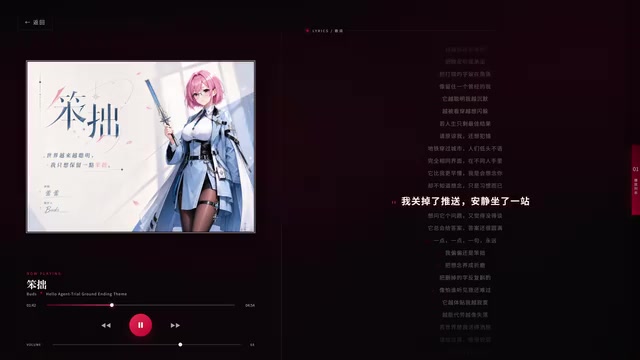
While Vibe Coding makes technical creation easier, what truly moves people is always the emotion and thought a creator pours into their work. AI tools are amplifiers — but creativity and sincerity are the soul of any project.
Closing Thoughts: Follow Your Vibe and Create Something Yours with AI
This creator's first Vibe Coding project trailer is a vivid snapshot of the AI-assisted creative wave. It proves that, with the support of AI tools, individual creators can produce complex, multi-layered works that once required entire teams. As these tools continue to evolve, there's every reason to expect that more independent creators will use the "follow your vibe" approach to produce content that blends technical depth with genuine artistic value.
For readers curious about trying Vibe Coding: start with a small creative idea, and let AI help you turn the images and melodies in your mind into something real and tangible.
Related articles

Disaster and Glory of the Apollo Program: The History We Must Revisit Before Returning to the Moon
From the fatal Apollo 1 fire to Apollo 8's daring lunar orbit to Apollo 11's successful landing—revisiting the disasters, fears, and compromises of the Apollo program and their lessons for today's return to the Moon.

Netflix Trust Exercise Turns Into Firing Trap: Where Are the Boundaries of Corporate Trust?
A Netflix employee was fired after sharing private info in a trust exercise. We analyze the risks of corporate trust exercises and how employees can protect themselves.

AMD CDNA5 Architecture Deep Dive: Technical Evolution and the AI Computing Competition Landscape
Deep analysis of AMD's CDNA5 architecture covering Chiplet packaging upgrades, HBM memory evolution, and low-precision compute optimization, examining how AMD challenges NVIDIA's AI chip dominance.