VibeiDE: Queue AI Coding Tasks in Parallel and Review Results One by One
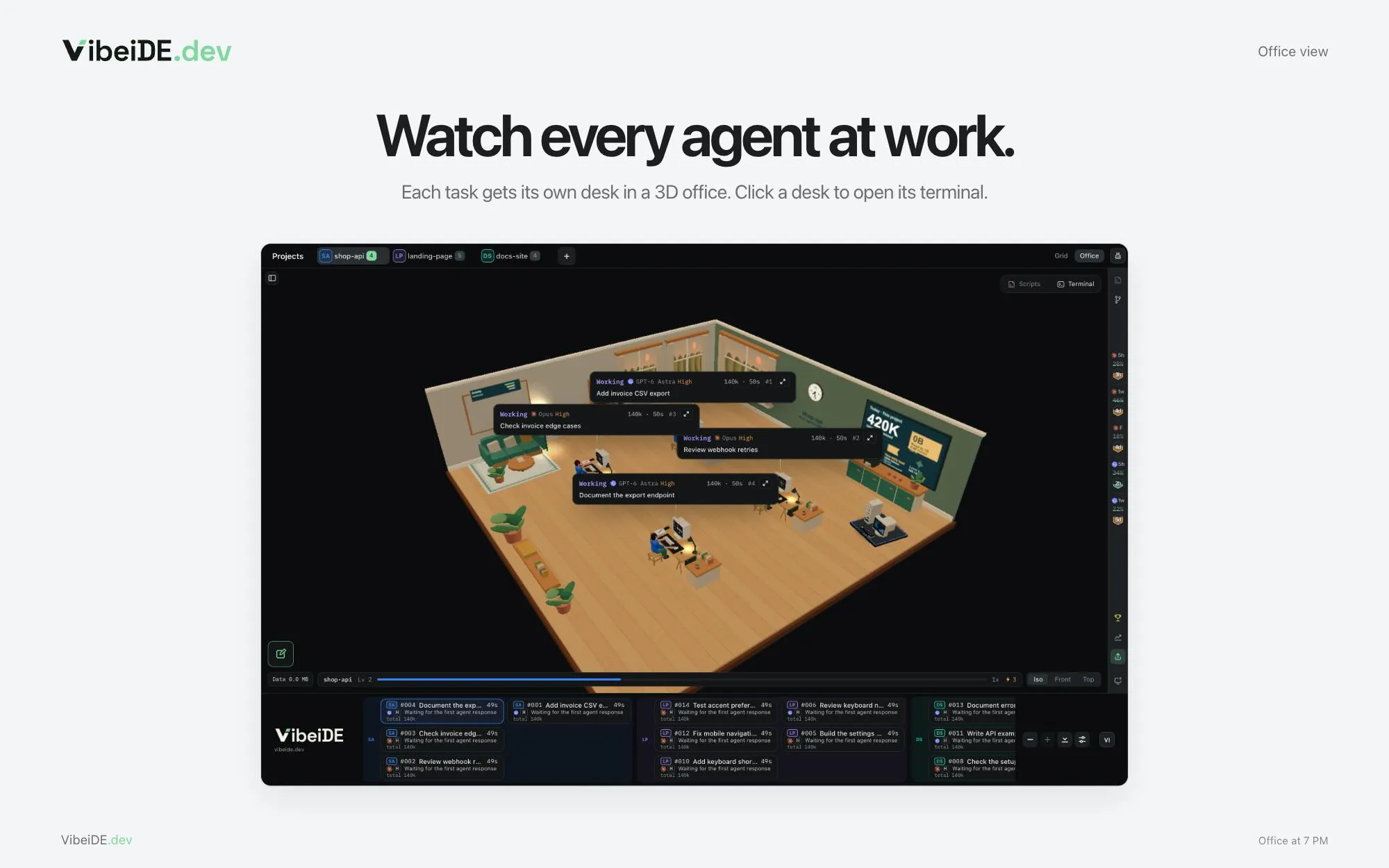
VibeiDE queues Codex and Claude Code tasks across projects, runs them in parallel, and lets you review each result.
VibeiDE is a developer productivity tool launched on Product Hunt that lets users queue Codex and Claude Code tasks across projects, run them in parallel, and centrally review each result. Aimed at developers and solo founders, it reduces context-switching overhead and turns fragmented time into batch task submission. It keeps a human review step, emphasizing final developer control over code quality. Currently it supports only two AI agents and discloses no scheduling details, collaboration features, or rate limit handling. It received 70 votes and ranked #17 on launch day, placing it in early attention; its long-term value depends on expanding its agent ecosystem and polishing the review experience.
Developers juggling multiple projects often have to switch back and forth between AI coding assistants like Codex and Claude Code, manually managing task queues. VibeiDE, newly launched on Product Hunt, aims to solve this pain point: it lets you queue AI agent tasks across projects, run them in parallel, and review each result one by one. It received 70 votes on its first day, ranking #17, in the Productivity, Developer Tools, and Artificial Intelligence categories.
Core Features: Queuing and Parallel Execution
VibeiDE's core logic revolves around "queue" and "parallel." You can add Codex and Claude Code tasks to a queue and let them run simultaneously across different projects. Compared with triggering them manually one at a time, this batch approach makes fuller use of waiting time, and is especially suited to developers who frequently switch between multiple codebases.
The official description emphasizes "queue your tasks across projects," meaning tasks are not confined to a single repository. For solo founders or small teams maintaining multiple projects at once, this can reduce the mental burden of context switching. However, the product does not disclose how tasks are scheduled under the hood, or whether it supports priorities or dependency management; these details remain to be verified through hands-on experience.
AI Coding Assistants and Agentic Programming
Codex and Claude Code are representative AI coding assistants today. Codex originally referred to OpenAI's code generation model and later evolved into an agent form capable of executing programming tasks; Claude Code is Anthropic's terminal-based coding agent, able to understand natural language instructions and directly modify codebases. What these tools have in common is that users issue tasks conversationally, and the agent reads and writes files, runs commands, and generates patches in a local or cloud environment. Unlike traditional code completion, they are closer to "autonomous execution units," so when multiple tasks run in parallel, queueing, scheduling, and result review mechanisms are needed to coordinate them—this is exactly the background against which orchestration-layer products like VibeiDE emerge.
Review One by One: You Remain in Control
Parallel execution easily raises concerns: is AI-generated code reliable? VibeiDE's answer is "review every result"—each task must be manually reviewed after completion. This aligns with the prevailing design philosophy of current AI coding tools: AI generates, humans gatekeep.
From its positioning, it does not pursue full automation but provides a centralized review panel. You can inspect each task's output one by one and decide to accept, modify, or discard it. This design improves efficiency while preserving the developer's ultimate control over code quality.
Human-in-the-loop
In AI coding scenarios, human-in-the-loop refers to a process design in which AI-generated code must be manually confirmed before it can be merged or take effect. It differs from fully automated agents (such as those that automatically submit and merge PRs) by emphasizing human judgment at key checkpoints. VibeiDE's "review every result" is an embodiment of this model: the agent executes, the human accepts. This design reduces the risk of erroneous code entering the main branch, but it also means throughput is limited by the speed of manual review. The industry typically improves review efficiency through diff comparison, automated testing, and risk tiering; VibeiDE currently only mentions a centralized review panel, and its specific assistive features remain unclear.
Target Users: Developers and Solo Founders
The official materials explicitly target "developers and solo founders." Solo founders often have to handle product, development, and operations single-handedly, with severely fragmented time. VibeiDE's queue mechanism allows them to batch-submit tasks before leaving the computer and review results together when they return, turning fragmented time into effective output.
For teams, the tool's value may depend on how complete its collaboration features are. Public information does not mention shared queues or permission management, so it looks more like a personal productivity tool than a team collaboration platform.
Market Positioning and Competitive Landscape
The AI coding assistant space is fiercely competitive, and Codex and Claude Code themselves already provide interactive coding capabilities. VibeiDE's differentiation lies in the "task orchestration layer": it does not replace the underlying models but optimizes the workflow between humans and multiple agents. Products with similar ideas include various AI agent scheduling tools, but VibeiDE has chosen a more vertical coding scenario.
The data of 70 votes and 5 comments on Product Hunt indicates it has attracted early attention but has not yet generated large-scale discussion. A rank of #17 places it in the upper-middle range among products launched that day. As a tool built by Patrik Kelemen, its long-term value depends on whether it continues to integrate more agent types, whether it opens an API, and how well the review experience is polished.
AI Agent Orchestration Layer
The orchestration layer is a software layer between the underlying AI models/agents and the upper-level user workflow, responsible for task queuing, scheduling, concurrency control, result aggregation, and status tracking. It neither trains models nor directly generates code; rather, it addresses the question of "how multiple agents work together." In VibeiDE's case, the orchestration layer treats Codex and Claude Code as callable execution units, distributes tasks across projects, and collects outputs. The technical challenges for such products include rate limit management, context isolation, failure retries, and review interface design. Their value depends on whether they can be more stable and worry-free than manually switching between agents; otherwise, they easily degenerate into simple task list tools.
Potential Limitations and Points to Watch
Based on available information, VibeiDE's shortcomings are also obvious: first, it currently supports only Codex and Claude Code, so its agent ecosystem is limited; second, parallel execution may bring resource consumption and rate limit issues, which the product does not explain how it handles; finally, the review step relies entirely on humans, so if the number of tasks is large, review itself may become a new bottleneck.
For interested developers, it is advisable to obtain access from the official Product Hunt page and try it first on non-critical projects to evaluate queue stability and review efficiency. In an era of rapid iteration in AI coding tools, VibeiDE represents a "orchestration-first" product approach, and its subsequent evolution is worth watching.
One-line Summary
VibeiDE lets developers queue and run Codex and Claude Code tasks in parallel across projects, then review each result manually.
Related articles
Google's Satellite AI Server Reaches Orbit: Gemma Model Generates First Reply in Space
Google's TPU-equipped satellite powers up in orbit, with the onboard Gemma 4 model generating the first reply from space. This article analyzes the technical path, real-world constraints, and implications for edge computing and satellite remote sensing.
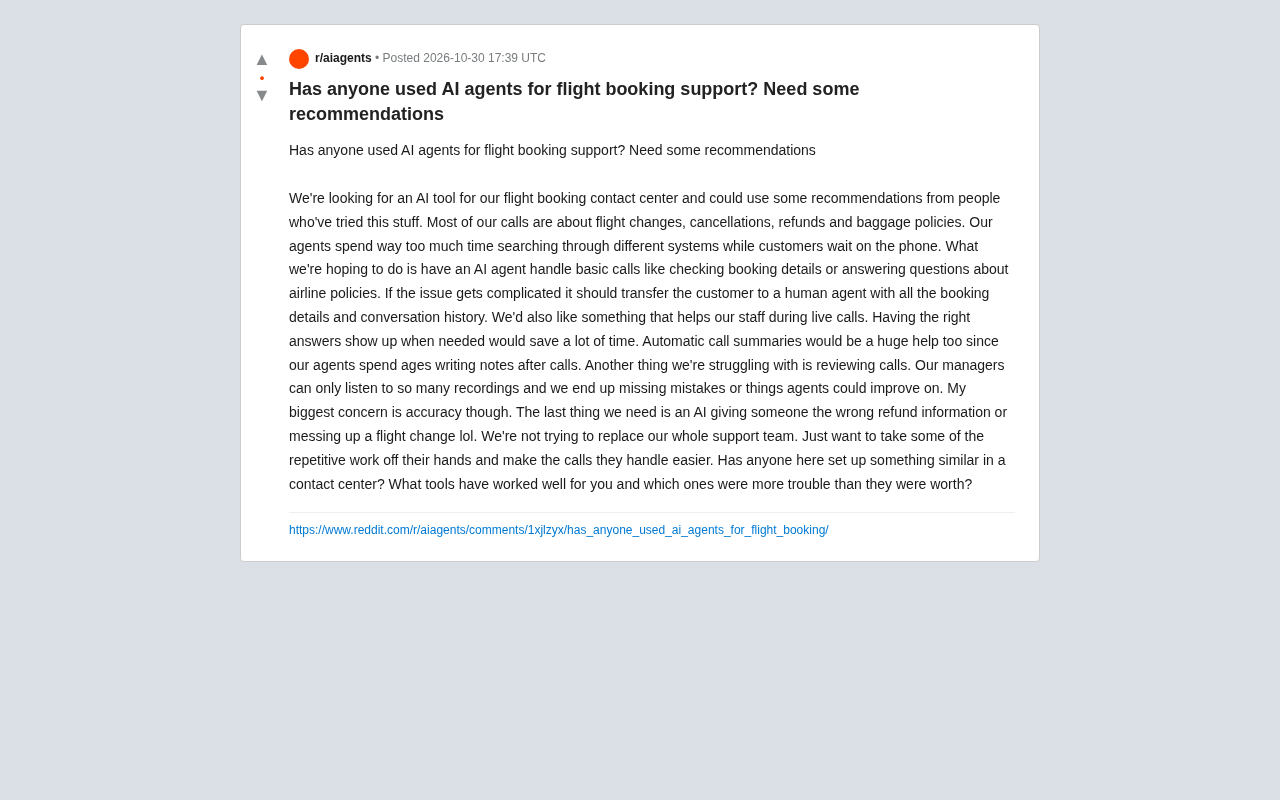
AI Agents for Flight Booking Customer Support: Real Needs and Implementation Challenges
Starting from a real Reddit question, this article breaks down four needs for introducing AI Agents into flight booking call centers: basic Q&A, agent assist, call summarization, and quality inspection, and analyzes accuracy concerns and handoff boundary design.
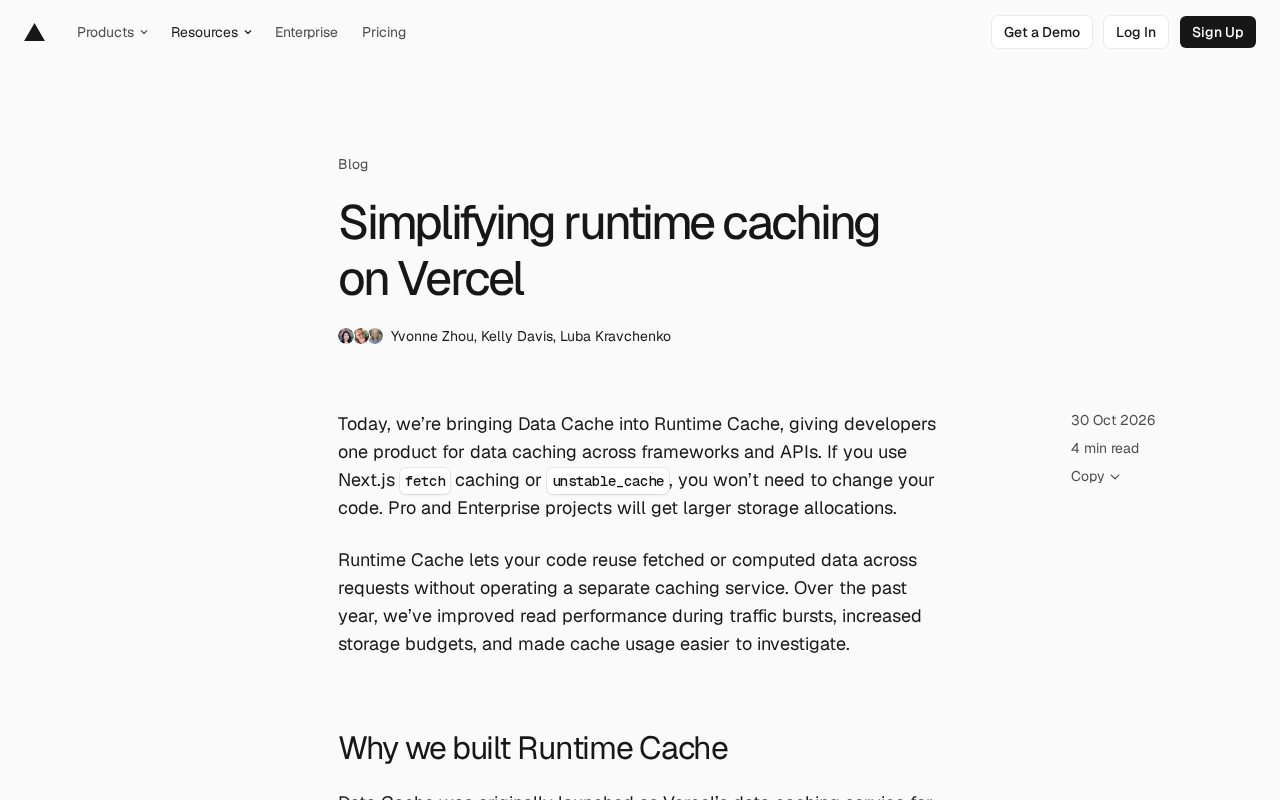
Vercel Unifies Runtime Cache: Data Cache Merges into Runtime Cache
Vercel merges Data Cache into Runtime Cache, unifying storage quotas and billing for Next.js fetch cache, unstable_cache, getCache, and use cache: remote. Pro and Enterprise projects get more storage, and cache reads/writes are now billed at Runtime Cache pricing.