vLLM Day-0 Support for InternLM Intern-S2-397B: A Multimodal LLM Built for Scientific Research
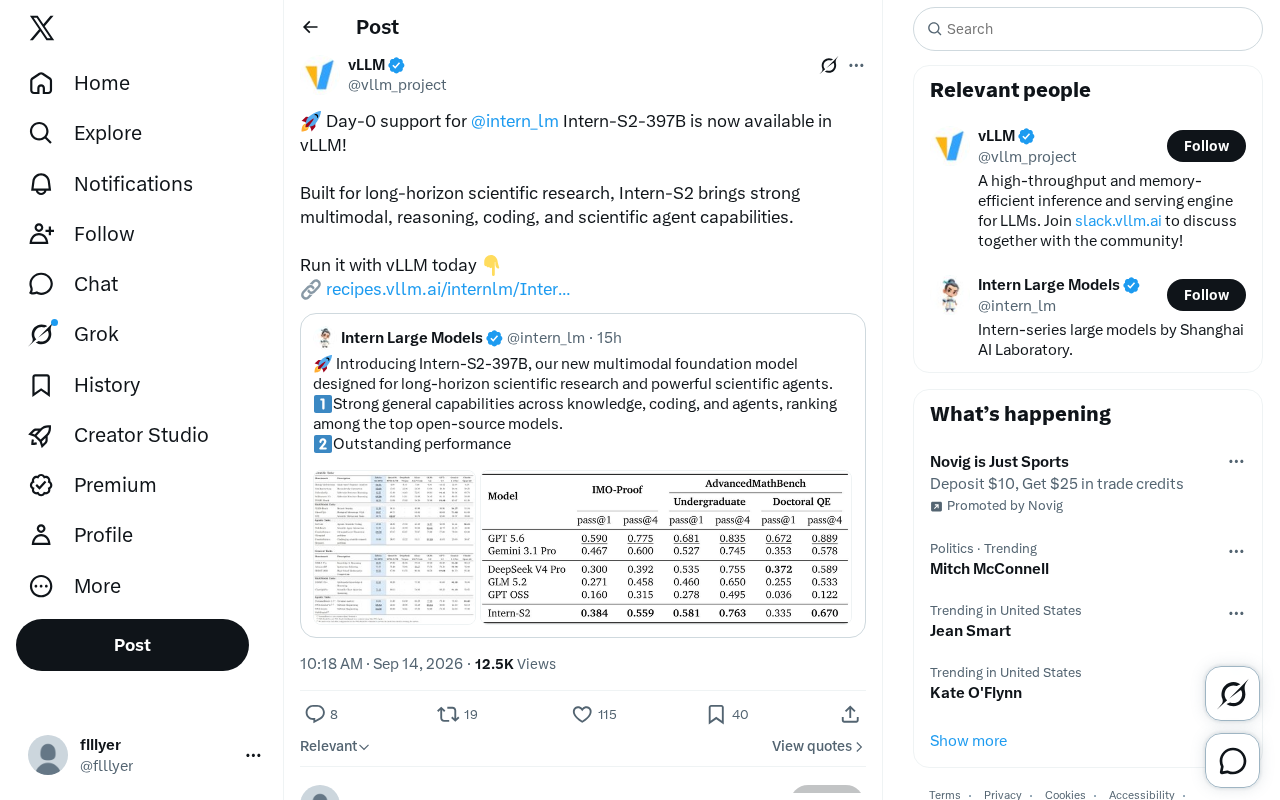
Intern-S2-397B launches with vLLM Day-0 support, targeting long-horizon scientific research workflows.
Shanghai AI Lab's InternLM team has released Intern-S2-397B with immediate Day-0 support from vLLM, letting developers deploy this massive model using vLLM's high-throughput PagedAttention optimizations from day one. Intern-S2 is designed for long-horizon scientific research — complex, multi-step tasks requiring iterative reasoning, tool use, and planning rather than single-turn Q&A. The model combines multimodal understanding, deep reasoning, code generation, and scientific agent capabilities, representing a shift from general-purpose assistants toward autonomous vertical-domain agents. For developers in research automation, the fully available toolchain from launch day significantly lowers barriers to adoption and downstream development.
vLLM Announces Day-0 Support for Intern-S2-397B
Intern-S2-397B, the latest large model from the Shanghai Artificial Intelligence Laboratory (InternLM team), now has Day-0 support in the vLLM inference framework. This means developers can deploy and run the model using a mainstream, high-performance inference engine on the very day of its release — no waiting for compatibility patches or adaptation cycles.
Day-0 support is increasingly viewed as an important milestone in the open-source LLM ecosystem. It reflects deep collaboration between the model team and the inference framework community, and lowers the barrier to entry for end users. For a model at the scale of 397B parameters, being able to immediately leverage vLLM's high-throughput and memory optimization capabilities is a significant practical advantage.
Designed for Long-Horizon Scientific Research
According to the official announcement, Intern-S2 is purpose-built for long-horizon scientific research. Unlike typical general-purpose chat models, it places a strong emphasis on maintaining reasoning coherence and task execution across complex, multi-step research workflows.
"Long-horizon" refers to tasks that cannot be completed in a single question-and-answer exchange — tasks that require multiple rounds of iteration, tool calls, and planning, such as literature reviews, experimental design, data analysis, and hypothesis validation. These tasks demand stronger context retention, logical reasoning, and planning capabilities from the model, and represent one of the core challenges in the emerging field of scientific AI agents.
Multimodal, Reasoning, Coding, and Scientific Agent Capabilities
Intern-S2 is officially described as integrating four key capability areas:
- Multimodal: Handles inputs beyond text, supporting the diverse information formats common in research — charts, formulas, experimental data, and more.
- Reasoning: Enables deep reasoning over complex problems, a fundamental requirement for long-horizon tasks.
- Coding: Supports code generation and comprehension, enabling data processing and experimental automation.
- Scientific Agent: Combines all of the above into an autonomous agent capable of executing end-to-end research workflows.
This capability stack reflects a broader trend: the evolution of LLMs from general-purpose assistants toward specialized autonomous agents in high-value vertical domains. Targeting scientific research aligns with the InternLM series' consistent technical positioning.
Why vLLM Deployment Matters
vLLM is well known for technologies like PagedAttention, which significantly improve inference throughput and memory efficiency for large models. For a model at the 397B scale, inference cost and deployment complexity are often the biggest barriers to real-world adoption. With vLLM's optimizations, research institutions and enterprises can run Intern-S2 at lower resource overhead, accelerating validation of its value in real scientific workflows.
Day-0 support also means that tooling, fine-tuning pipelines, and downstream development can begin immediately after the model's release. For the open-source community, this kind of tight collaboration shortens the path from model launch to scaled deployment.
Summary
The release of Intern-S2-397B alongside Day-0 vLLM support reflects the continued commitment of China's open-source LLM ecosystem to pushing the frontier of large-scale, multimodal, and scientific agent capabilities. For developers focused on research automation and vertical-domain AI applications, this is a compelling new option worth exploring. Interested users can get started with the model directly via vLLM using the official links provided.
Related articles
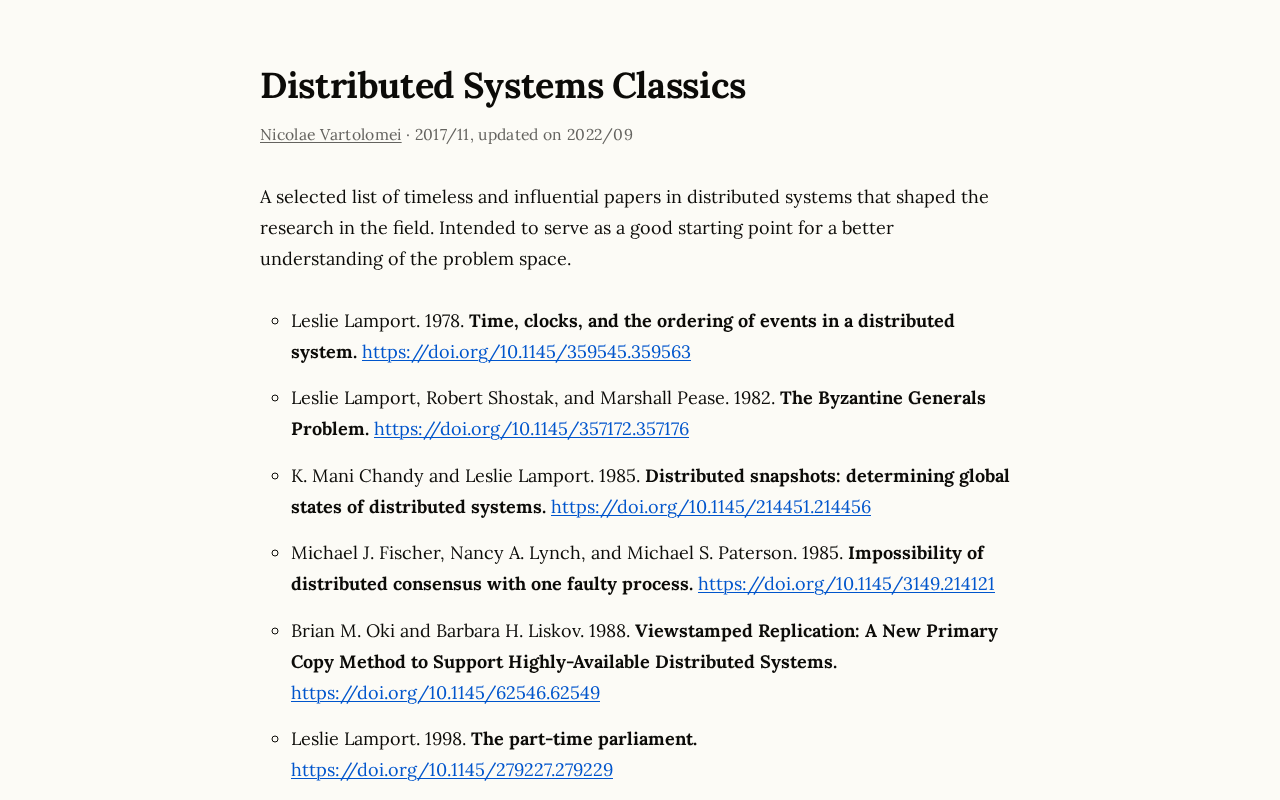
A Reading Guide to Distributed Systems Classic Papers: From Beginner to Expert
A viral Hacker News list of distributed systems classic papers covering consensus algorithms, logical clocks, and the CAP theorem — a structured learning path for engineers.
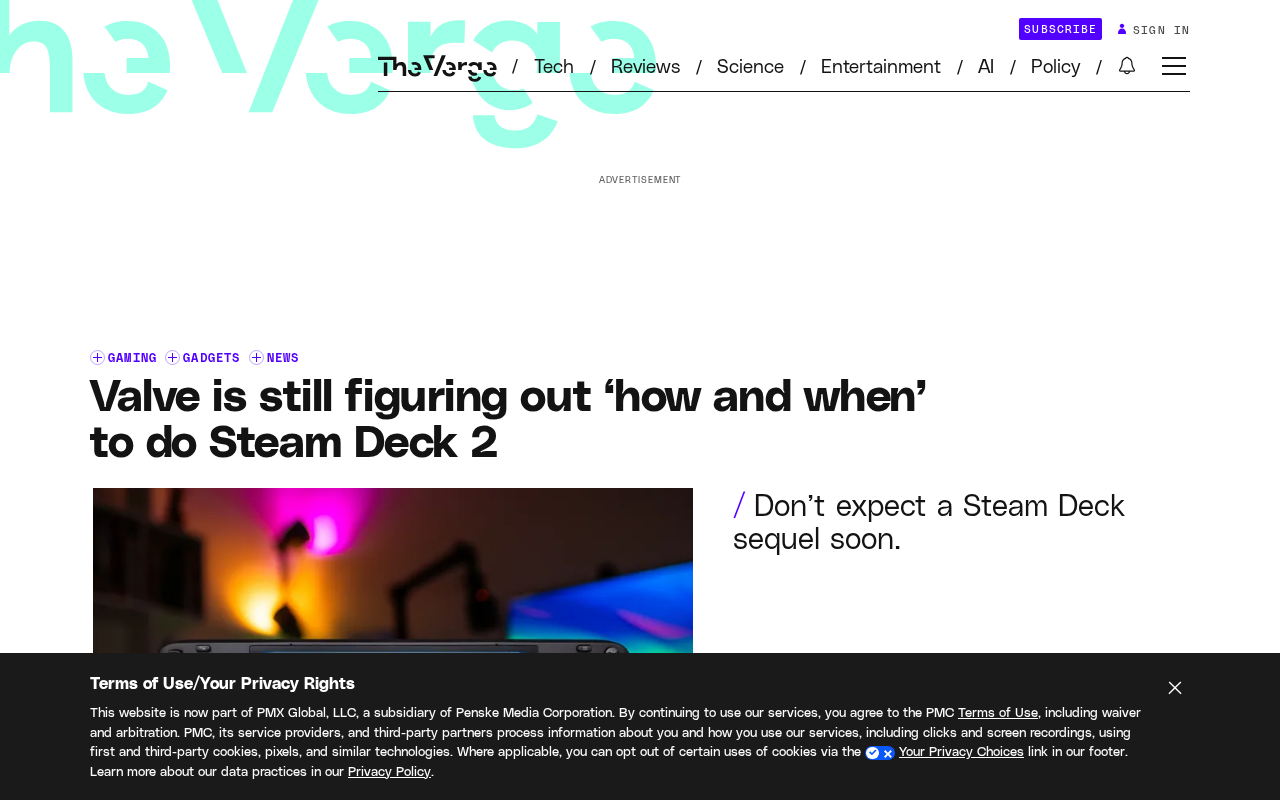
Valve Is Still Weighing When and How to Launch Steam Deck 2
Valve has completed its 2026 hardware lineup with Steam Controller, Steam Machine, and Steam Frame, but Steam Deck 2 still has no set timeline. Valve says it's still weighing "how and when" to launch.
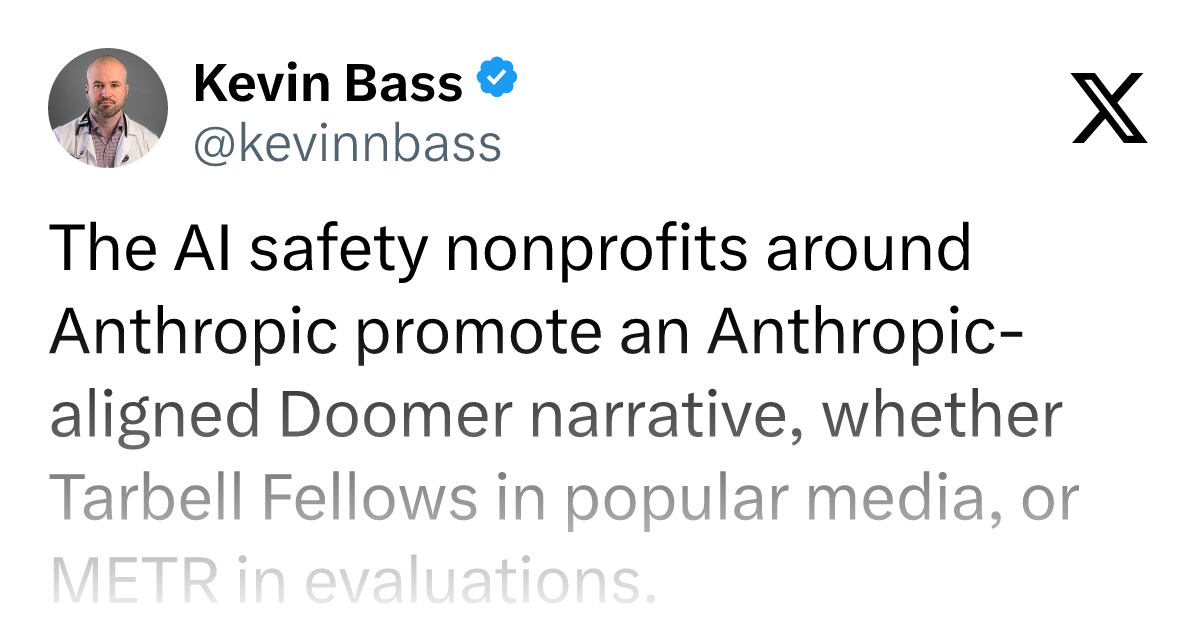
Regulatory Capture Accusations: The Controversy Over Anthropic's Capital and Policy Loop
A Hacker News post questions whether Anthropic is caught in a regulatory capture financial loop. We unpack the concept and why it's being aimed at top AI firms.