When AI Breaks Our Proxies for Expertise: How Should We Reassess Talent?
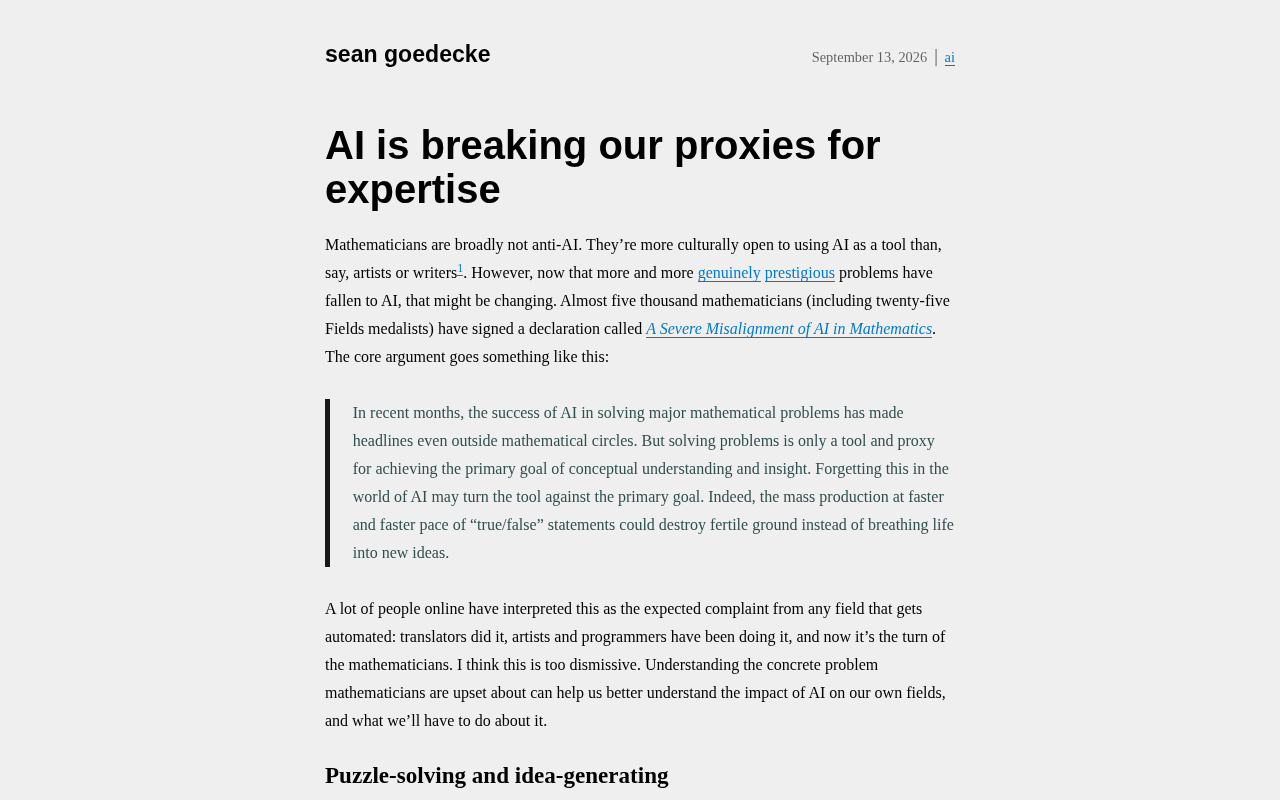
Generative AI breaks the causal link between professional outputs and real ability, forcing a rethink of hiring and education.
Generative AI is severing the causal chain between "producing outputs" and "possessing real ability." We've long used proxies — degrees, code, portfolios, essays — to infer competence, but that logic assumed producing such outputs required genuine skill. AI breaks that assumption. The article examines the impact on hiring (portfolios and take-home assignments lose value) and education (assignments and essays fail as assessments), then proposes three responses: shift to process-based evaluation, value human-AI collaboration skills, and seek harder-to-fake signals. Ultimately, it asks us to distinguish between "performing competence" and truly possessing it.
A Crumbling Logic of Evaluation
For a long time, assessing whether someone possesses professional competence has rarely involved measuring that competence directly. Instead, we've relied on a set of "proxies": prestigious degrees, published papers, lines of code written, polished portfolios, well-structured reports. These have served as indirect signals of professional ability. They worked precisely because, in the past, producing such outputs inherently required genuine underlying skill.
A discussion on Hacker News titled AI is breaking our proxies for expertise raises a sharp question: generative AI is systematically dismantling these proxies. When a seemingly professional report, a functioning piece of code, or a structurally coherent essay can be generated by AI in minutes, the link between these outputs and real ability is severed. The signals we've depended on to judge professional competence are breaking down.
Why Proxies Are Failing
The value of proxies rests on two pillars: scarcity and causality. In the past, a logically rigorous analytical essay implied that its author possessed the corresponding reasoning ability; an elegant piece of code implied the developer understood the underlying engineering principles. This causal chain — output implies ability — was the foundation of evaluation.
AI has broken that chain. Producing an output no longer necessarily requires the producer to possess the corresponding skill. Someone who doesn't understand algorithms can use AI to write code that passes a coding interview. Someone lacking domain knowledge can generate a report that looks professionally authoritative on the surface. The "signal value" of outputs has been diluted — they no longer reliably reflect the true capability behind them.
The immediate consequence: every context that relies on "judging ability by looking at outputs" — hiring, education, content curation — faces a real risk of failure. The project experience on a résumé, the commit history on GitHub, the case studies in a portfolio — all of these are declining in credibility.
There's a related concept in economics called Goodhart's Law: when a measure becomes a target, it ceases to be a good measure. The failure of proxies actually predates AI — test-prep culture, résumé padding, and LeetCode grinding are all examples of people optimizing for the signal rather than the underlying ability. AI has simply accelerated this process by orders of magnitude, compressing what once required months of preparation into a matter of minutes. This means we're not facing an entirely new problem — we're facing an old problem that AI has drastically accelerated. The friction costs that once kept the evaluation system barely functional are now being wiped out entirely.
What This Means for Hiring and Education
For hiring, traditional portfolio reviews and take-home assignments are rapidly losing their value. Companies can no longer simply assume that "the person who delivers great work is the capable person." This may push evaluation methods back toward forms that are harder for AI to replicate — in-depth live conversations, real-time problem-solving, and examining a candidate's thinking process rather than just their final output.
For education, the challenge is equally serious. Assignments and essays — the traditional tools of academic assessment — are themselves proxies for ability. When students can have AI complete their assignments, it becomes nearly impossible to tell whether a grade reflects the student's capability or the AI's. This forces educators to rethink: what exactly are we trying to develop, and how do we actually verify it?
It's worth noting that take-home assignments were originally designed to compensate for the limitations of standardized interviews — allowing candidates to demonstrate their real abilities in a low-pressure environment. AI has rendered this format almost entirely ineffective as a differentiator. Similarly, essay writing has long been a cornerstone of educational assessment not primarily to test writing itself, but to force students to organize arguments and develop critical thinking. When AI can fluently complete this format, the real challenge educators face is: how do you transfer the cognitive training that was once embedded in the writing process to other vehicles that can't be outsourced? Some universities have already begun experimenting with oral defenses and open-book in-class writing, but the cost of scaling these approaches far exceeds that of traditional written assessments.
How Should We Respond?
In the face of failing proxies, several possible directions emerge.
Shift toward process-based evaluation: Rather than examining the final output, observe how it was produced. Genuine ability is more visible in how someone asks questions, how they debug, how they make judgments in complex situations — precisely the things AI cannot fully substitute for.
Value human-AI collaboration skills: In a world where AI is ubiquitous, "using AI to solve problems effectively" is itself a new form of professional competence. Perhaps the evaluation standard should shift from "what can you do without AI?" to "how well can you do it with AI, and can you direct and correct AI's output?"
Find new, trustworthy signals: Live performance, genuine real-time responses, and consistent track records over time — signals that are harder to fake on short notice — will rise in value. Building trust may once again become "expensive."
The Deeper Question
What this discussion truly touches on is a fundamental question about what genuine competence actually is. When AI can mimic nearly every visible form of skilled performance, we are forced to distinguish between "performing competence" and "possessing competence" — a distinction we've long blurred together, often deliberately.
It's worth noting that this topic currently has limited traction on Hacker News (only 6 upvotes, no comments at the time of writing) — it's more of a thought-provoking proposition than a settled conclusion. But the trend it points to is clear: in an era where AI is reshaping how things get made, the entire mechanism by which we evaluate and trust people requires a profound rethinking.
Related articles
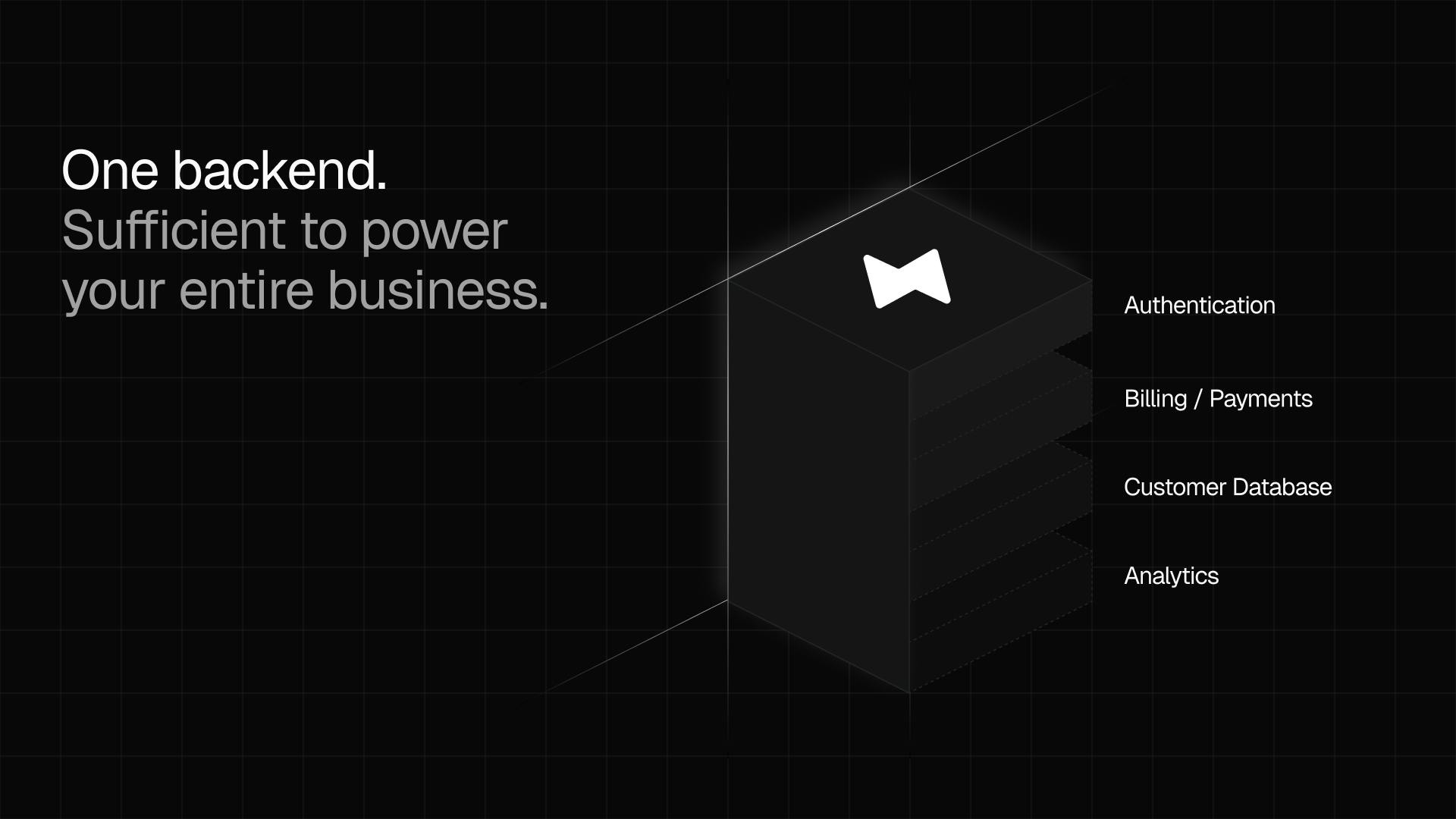
tiun.: An All-in-One Auth and Payments System Built for AI Developers
tiun. topped Product Hunt by giving AI developers auth, payments, billing, customer data, and analytics in one system — installable with a single command.
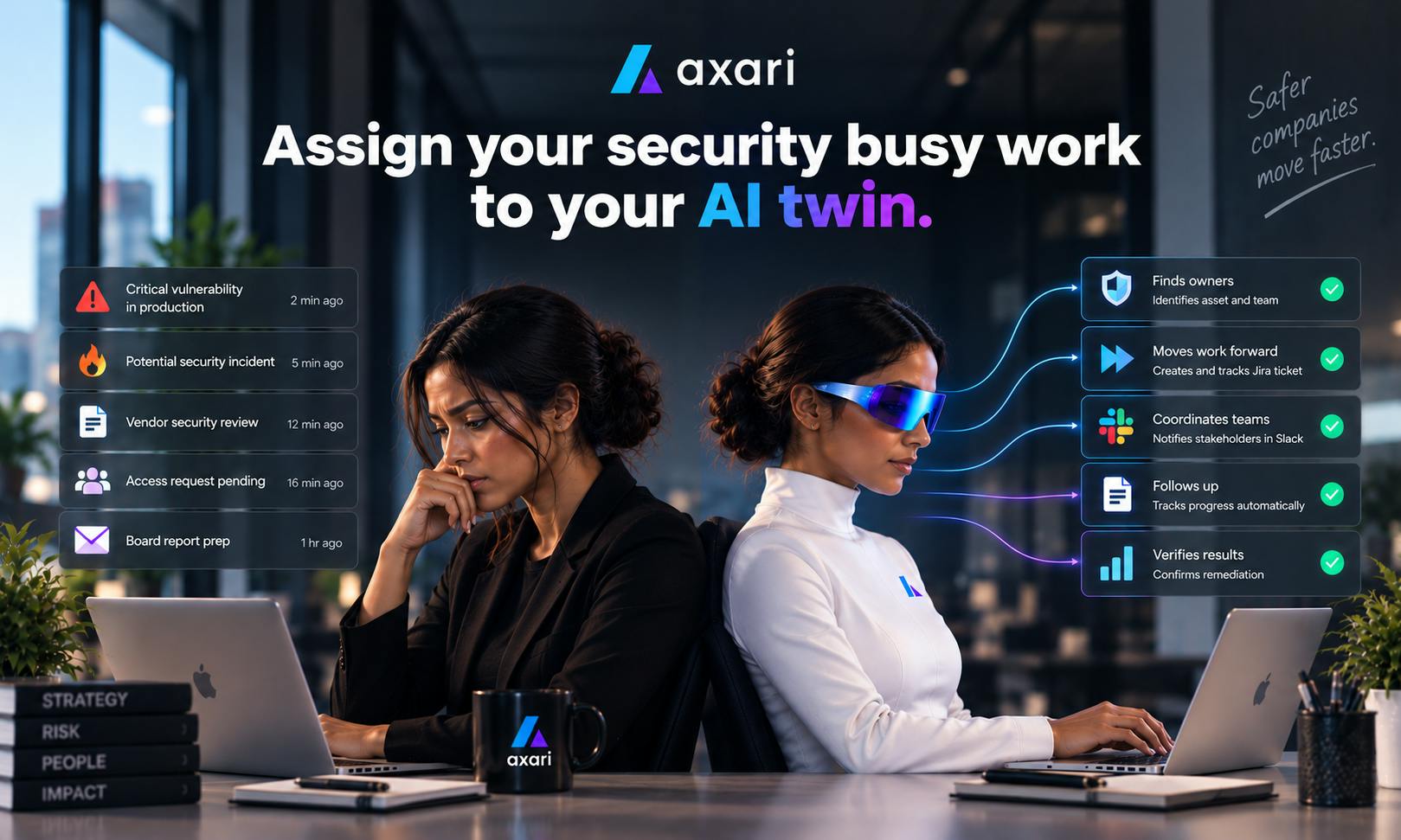
Axari: Let Your AI Twin Take Over the Mundane Work of Security Operations
Axari introduces an AI twin for SecOps teams, autonomously handling alerts, compliance checks, and repetitive tasks directly within Slack and Microsoft Teams.
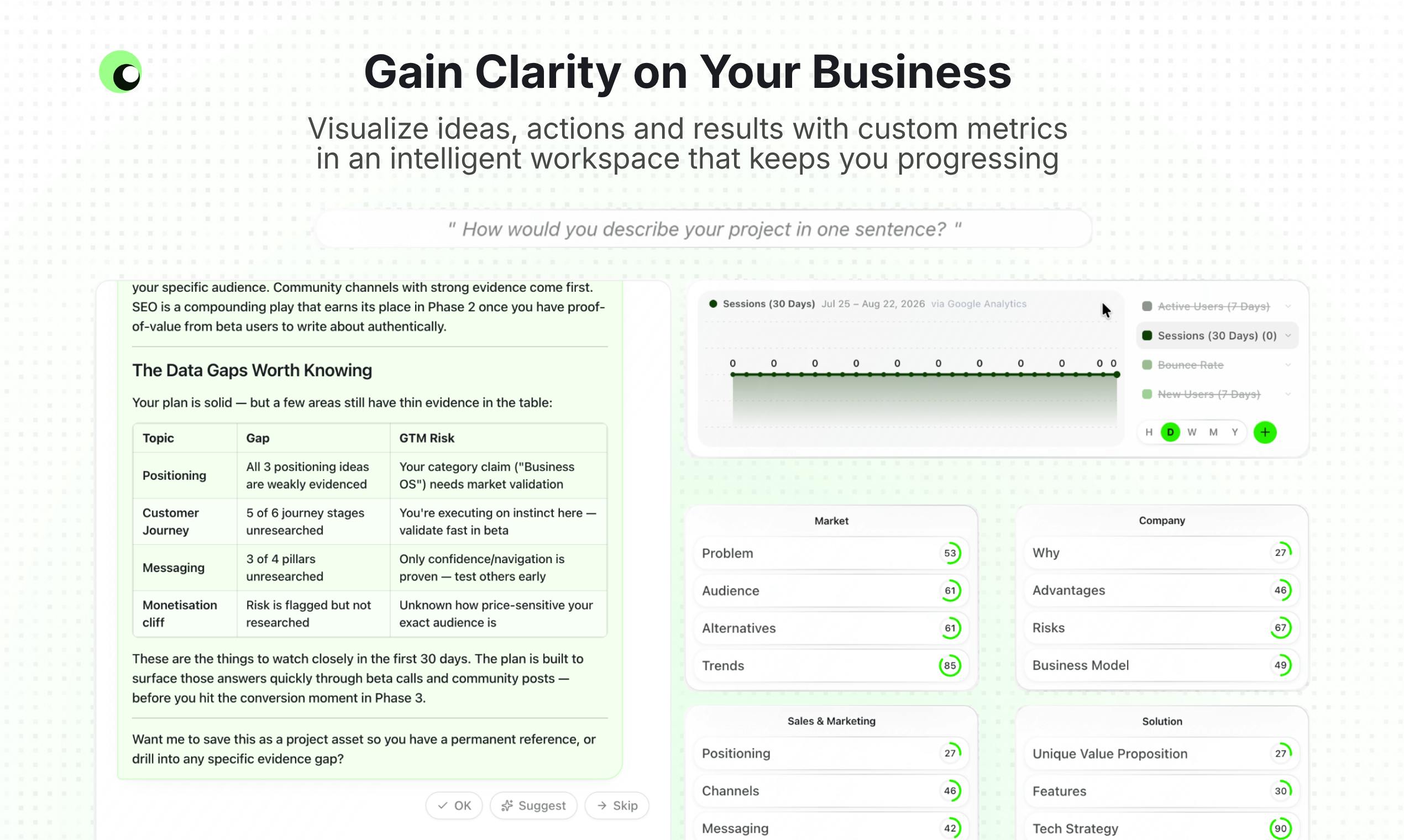
siift: Turning AI Startup Noise into Actionable Business Decisions
siift is an AI startup decision tool that turns scattered AI conversations and advice into a living business map — covering validation, GTM, and growth.