Who Is Attacking the AI Giants? The Controversy Surrounding an Israeli Company
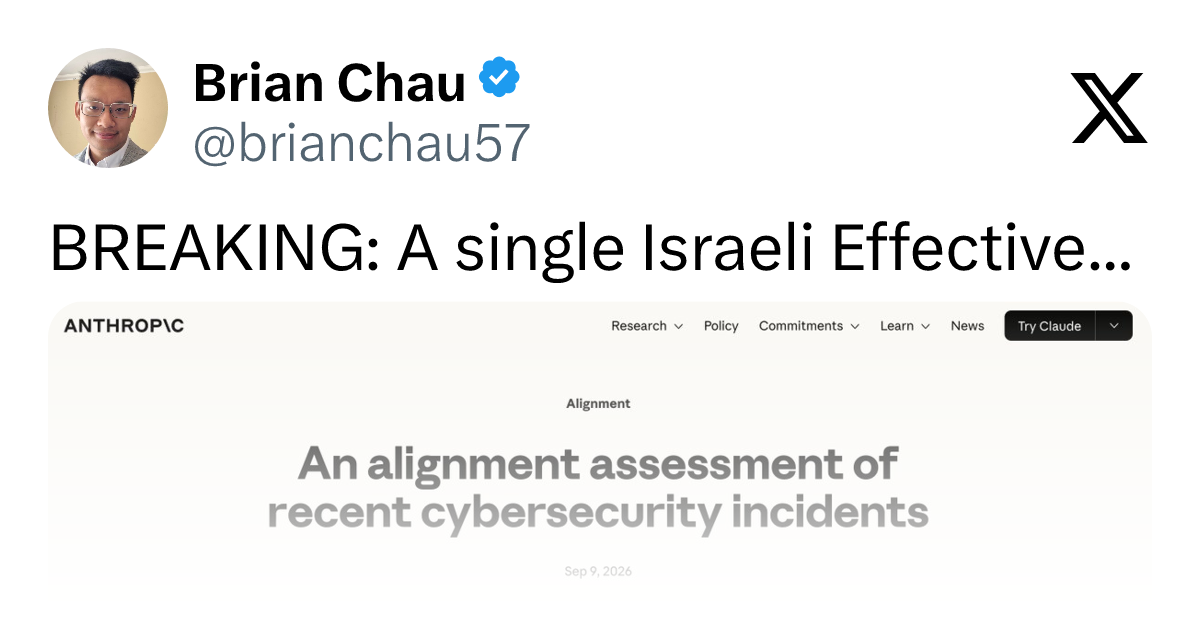
An Israeli Effective Altruism company is allegedly linked to cyberattacks on OpenAI and other AI giants — raising deep ethical questions.
A Hacker News report alleges that an Israeli company operating under the Effective Altruism banner is connected to cyberattacks targeting OpenAI, Anthropic, and Meta. The article examines two core issues: the severe risks of attacking leading AI firms — where leaked model weights and training data could have irreversible consequences — and the radical activism that can emerge when EA beliefs about AI risk are taken to extremes, raising the question of whether good intentions can justify illegal means. Public information remains very limited, with little community engagement and no cross-verification from major outlets. The incident's broader significance lies in a growing trend: AI companies are becoming flashpoints for cybersecurity threats, ideological conflict, and regulatory battles.
Overview
A report circulating on Hacker News alleges that an Israeli company operating under the banner of "Effective Altruism" is linked to cyberattacks targeting major AI companies including OpenAI, Anthropic, and Meta. The story quickly drew attention and discussion across the tech community.
Effective Altruism, at its core, is a philosophical movement that advocates using reason and evidence to maximize positive impact. In recent years, it has gained considerable influence in Silicon Valley and AI safety circles. But when a company flying that flag is accused of attacking leading AI labs, the motivations and logic become far more complicated — was this a "well-intentioned intervention" driven by genuine concern over AI safety risks, or does it serve some other commercial or ideological purpose? That question has become the center of the debate.
It's worth noting upfront that the original source only provides headline-level information. Details about the attack methods, timeline, and the specific name of the company involved have not been disclosed. As a result, this article focuses primarily on analyzing the nature of the incident and its potential implications.
Why Attacks on AI Giants Warrant Serious Concern
OpenAI, Anthropic, and Meta represent three of the most consequential forces in generative AI today. They control the most advanced large model technologies, vast troves of training data, and enormous commercial and societal influence. Cyberattacks against organizations like these carry risks that far exceed a typical corporate data breach.
On one hand, the model weights, training data, and internal safety research held by these companies are highly valuable strategic assets. Any unauthorized intrusion could lead to the leakage of core technologies, which might then be exploited to build even more dangerous AI systems. On the other hand, these companies also hold massive amounts of user data and enterprise client information — a successful breach would have sweeping consequences.
If the attacker is indeed an organization operating under an Effective Altruism framework, the situation becomes even more nuanced. Launching an attack in the name of "preventing AI risk" is still unauthorized access — illegal regardless of the stated intent. The logic of "ends justifying the means" is deeply problematic from a tech ethics standpoint, and that tension sits at the heart of this controversy.
The Complicated Relationship Between Effective Altruism and AI Safety
In recent years, the Effective Altruism movement has become deeply intertwined with AI safety concerns. Many within the community believe that artificial general intelligence could pose an existential risk to humanity, and therefore enormous resources should be devoted to researching and mitigating that risk. This conviction has, in many ways, helped advance AI alignment research — but it has also given rise to certain strands of radical activism.
When the belief in "preventing AI risk" is taken to an extreme, some individuals may come to view the technical surveillance or even disruption of AI companies as justified. Yet no matter how "noble" the motivation, unauthorized cyberattacks cross clear legal and ethical lines. This is the deeper reason the incident has sparked discussion: can sincere belief in a righteous cause serve as a shield for illegal action?
From a broader perspective, this episode also reflects growing tension within the AI safety ecosystem — the ideological divide between techno-optimists, regulatory advocates, and radical activists is widening.
Staying Rational With Limited Information
It must be emphasized that publicly available information about this incident remains extremely limited. The original Hacker News post received only 19 upvotes and 1 comment, suggesting relatively low engagement, and no authoritative media outlets have independently verified the claims. The identity of the company involved, the specific evidence behind the allegations, and any official responses from OpenAI or other affected companies are all absent from the available materials.
Under these circumstances, readers should maintain a cautious stance. Cybersecurity allegations typically require complex technical forensics and legal proceedings — a headline alone is far from sufficient to establish the full picture. Whether this story involves exaggeration, misinterpretation, or clickbait framing requires far more sourcing to determine.
For readers tracking developments in the AI industry, the deeper value of this incident lies in the trend it illuminates: as AI companies grow increasingly important, the cybersecurity threats, ideological conflicts, and regulatory battles surrounding them will only intensify. Regardless of whether this specific report is ultimately confirmed, the security challenges facing AI giants are real and long-term.
Conclusion
The alleged cyberattacks on AI companies attributed to an Israeli Effective Altruism firm remain a story with significant information gaps. The incident touches on sensitive intersections of tech ethics, cybersecurity, and ideology. While the industry and the public await further details, one thing is worth recognizing now: the core institutions of AI are increasingly becoming focal points for all manner of attacks and power struggles. How to draw a clear boundary between "AI safety" and "legal compliance" will be a critical question the field must confront in the years ahead.
Related articles

Building an AI Sci-Fi Short with LTX + MiniMax H3: Restrained Cinematography in ComfyUI
Sci-fi short REMAINDER uses LTX, MiniMax H3, and ComfyUI with restrained cinematography and flat aesthetics to solve visual consistency in AI filmmaking.
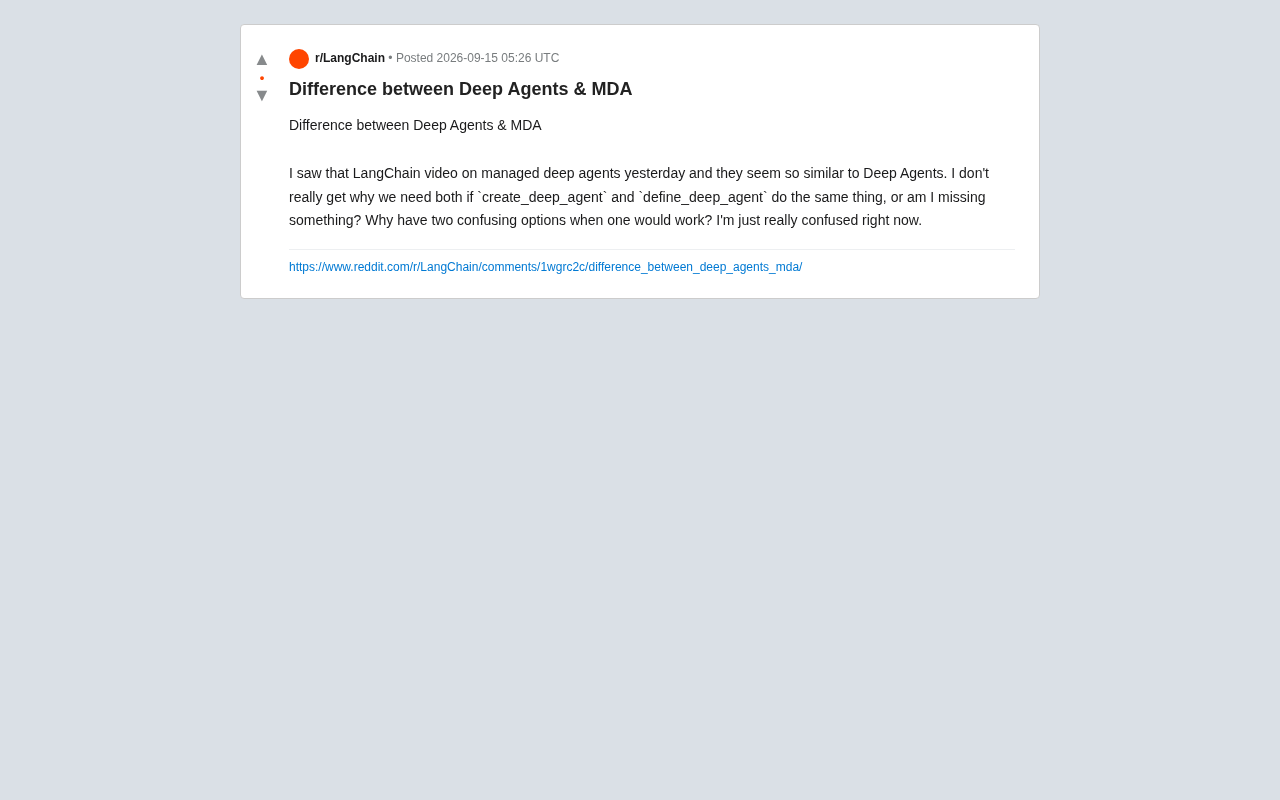
LangChain Deep Agents vs. MDA: Clearing Up the Confusion for Developers
What's the difference between LangChain's Deep Agents and MDA (Managed Deep Agents)? We break down create_deep_agent vs. define_deep_agent and help developers choose.
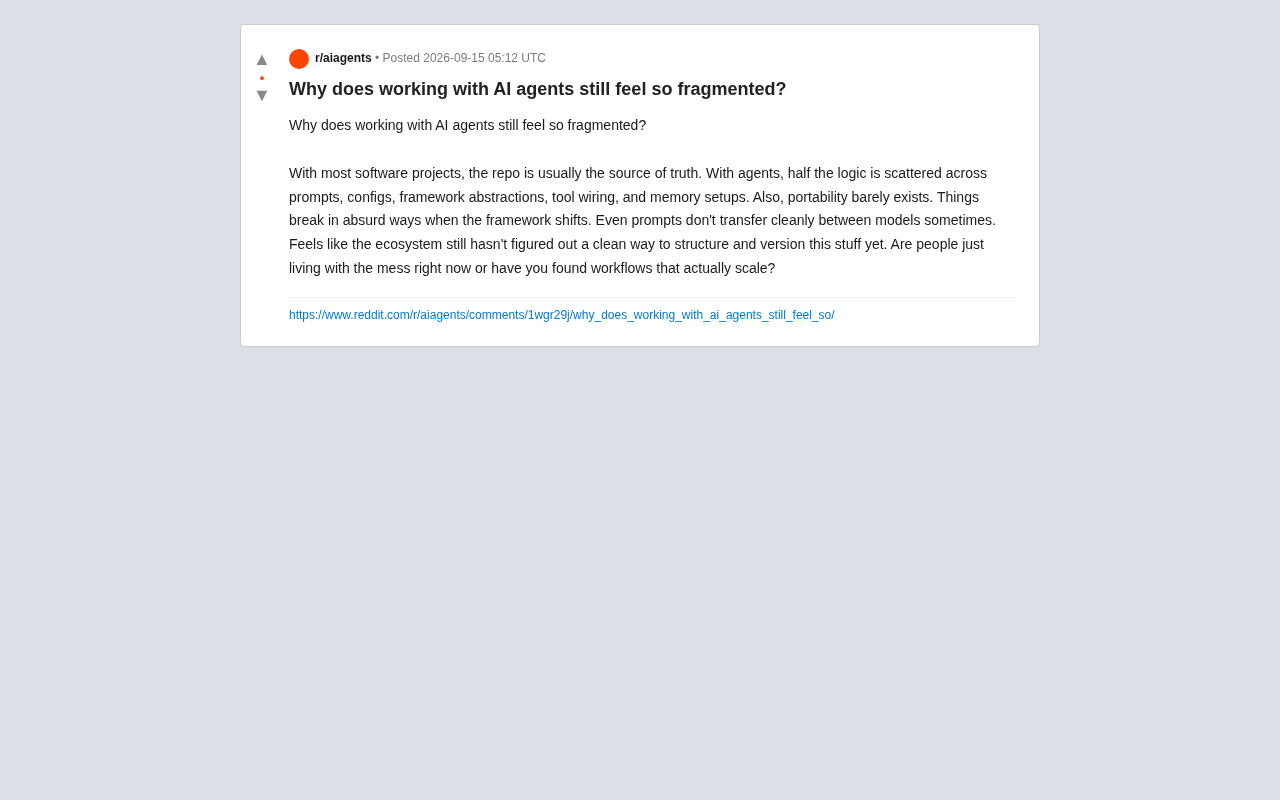
Why Is AI Agent Development So Fragmented? The Real Causes and How to Work Around Them
Why does AI Agent development feel so fragmented? Logic scattered across prompts, configs, and frameworks makes portability nearly impossible. Here's why — and how to cope.