Why World Model Companies Are Staying Silent: The Information Blackout Behind the Capital Frenzy
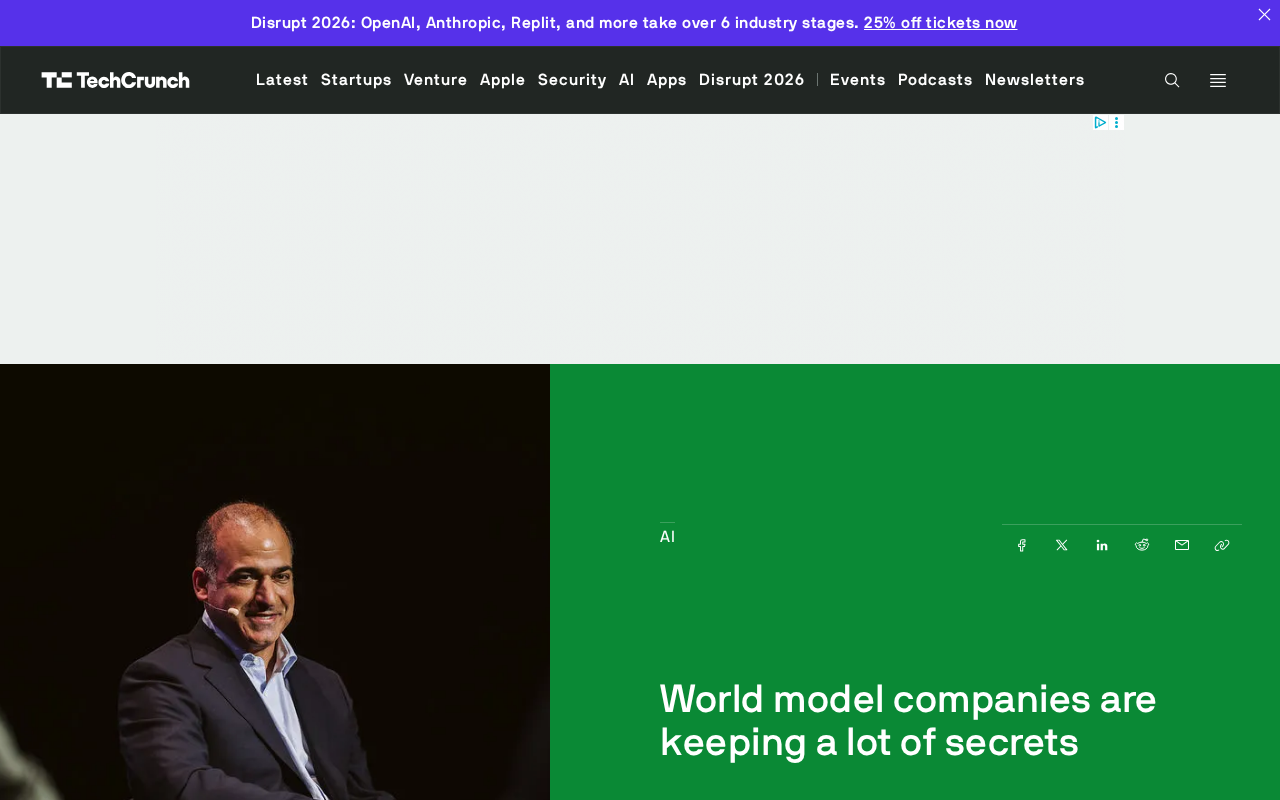
World model startups are flush with funding yet stay silent on tech details — a transparency crisis beneath the AI hype.
World models — AI systems designed to build an internal understanding of how the physical world works — are seen as a key path toward general AI and have attracted significant venture funding. Yet despite the capital and attention, companies in this space, from founders to data suppliers, refuse to disclose meaningful technical details. The silence stems from multiple motives: protecting proprietary technical approaches, managing expectations tied to high valuations, and avoiding scrutiny over potentially contentious training data sources. The result is a sector where outsiders struggle to distinguish genuine progress from hype.
Why World Model Companies Are Staying Silent: The Information Blackout Behind the Capital Frenzy
World Models are emerging as one of the hottest new frontiers in AI. The companies pursuing them are sitting on enormous funding and massive public attention — yet from the founders themselves to their data suppliers, almost no one is willing to say what they're actually building. This widespread silence speaks volumes about the nascent field.
What Are World Models?
World Models are a class of AI approaches aimed at enabling systems to build an internal understanding of how the physical world operates. Unlike conventional models that process only text or images, world models are designed to help AI predict environmental dynamics, simulate future states, and ultimately support more sophisticated reasoning, planning, and embodied intelligence applications.
This direction is widely regarded as a critical path toward more general artificial intelligence — which is precisely why it has attracted a flood of capital. Startups in the world model space have secured substantial funding in recent months, and the industry buzz remains at a fever pitch.
The concept traces back to cognitive science and reinforcement learning research in the 1990s, where the core idea was to allow an agent to "imagine" possible outcomes internally before actually interacting with an environment. In recent years, the concept re-entered mainstream discourse largely through the systematic advocacy of Yann LeCun (Meta's Chief AI Scientist), who argued in his 2022 paper A Path Towards Autonomous Machine Intelligence that world models are an indispensable component on the road to human-like intelligence.
In practice, building a world model typically requires integrating multimodal data — video, sensor feeds, physics simulations — to learn rules governing object motion, causal relationships, and spatial topology, enabling the model to conduct "mental rehearsals" without executing real-world actions. This is fundamentally different from today's dominant large language models (LLMs): LLMs are essentially compressed statistical patterns over language, whereas world models pursue generalizable physical intuition. The extraordinary technical difficulty and lack of a clear roadmap have led different companies to diverge significantly in their technical approaches, making cross-company comparison from the outside even harder.
Capital and Hype, Stacked on Top of Each Other
Practitioners in the world model space are, as one description puts it, "sitting on a pile of cash and a lot of discourse." This neatly captures the current market reality: abundant funding, explosive attention — and very little substantive product disclosure.
This "high investment, low transparency" combination is not unusual in emerging tech sectors. When a concept captures capital's imagination, valuations tend to inflate ahead of mature products. Investors are betting on vision and team rather than verifiable technical results. The grand narrative of world models — giving AI a genuine understanding of the world — provides ample fuel for that kind of imagination.
Why the Collective Silence?
A key observation here is that whether you're trying to interview founders or reach their data suppliers, it's nearly impossible to get real information about what these companies are actually achieving. There are likely several reasons behind this tight-lipped posture.
Competitive sensitivity around technology is the most straightforward explanation. World models are still in early exploratory stages, and any detail about technical approach, training data sourcing, or processing methodology could constitute a competitive moat. In a winner-take-all race, revealing your methodology too early is essentially giving competitors a roadmap.
Expectation management is equally important. When a company carries a high valuation and sky-high expectations, every public detail gets scrutinized. If actual progress falls short of what the market imagines, transparency can actively undermine the fundraising narrative. Maintaining mystique is, to some degree, a strategy for protecting valuation.
The opacity of the data supply chain is also worth noting. The fact that even data suppliers are unwilling to share information suggests that world model training may rely heavily on specific — and potentially legally contentious — data sources. How a company acquires its data is often the last thing it wants to disclose publicly.
The Industry Risk Hidden Inside the Black Box
This pervasive information opacity cuts both ways for the industry. On one hand, it protects startups' technical secrets and competitive positioning. On the other, it makes it nearly impossible for outsiders to assess how technically mature these companies actually are — or how much of the excitement is speculative froth.
For investors, potential customers, and the broader AI community, the absence of verifiable information makes risk assessment genuinely difficult. When a sector's hype far outpaces its publicly demonstrable results, markets should be on guard for a growing disconnect between valuation and substance.
Whether world models can deliver on their promise of giving AI a true understanding of the world will ultimately be proven only by products and outcomes that can withstand scrutiny. Until that day comes, the silence these companies have chosen is both a strategy and a signal.
Conclusion
World models represent an ambitious direction for AI development, and their potential is worth watching. But when an entire sector is shrouded in secrecy, rational observers should stay cautious. Capital enthusiasm and market buzz matter — but what will ultimately determine success or failure is whether the unpublished technology can actually be deployed in the real world. For anyone following this space, the absence of transparency is itself the most important information available right now.
Background: The Data Problem
World models have fundamentally different training data requirements than text-based large language models. Training a model to understand the physical world demands massive volumes of time-series video data, robot interaction data, and synthetic data generated by physics engines. The copyright and licensing landscape for this data is far more complex than for text — video platforms, film and TV studios, and industrial sensor data owners could all become entangled in licensing disputes.
There are already multiple lawsuits against AI companies over unauthorized use of training data, making data provenance a legally sensitive zone across the industry. For world model companies, if their training data comes from web-scraped video or proprietary datasets without explicit authorization, disclosing the data supply chain would not only expose trade secrets — it could directly trigger regulatory scrutiny or litigation. This may well be the deeper reason why data suppliers, too, have chosen to stay silent.
Related articles
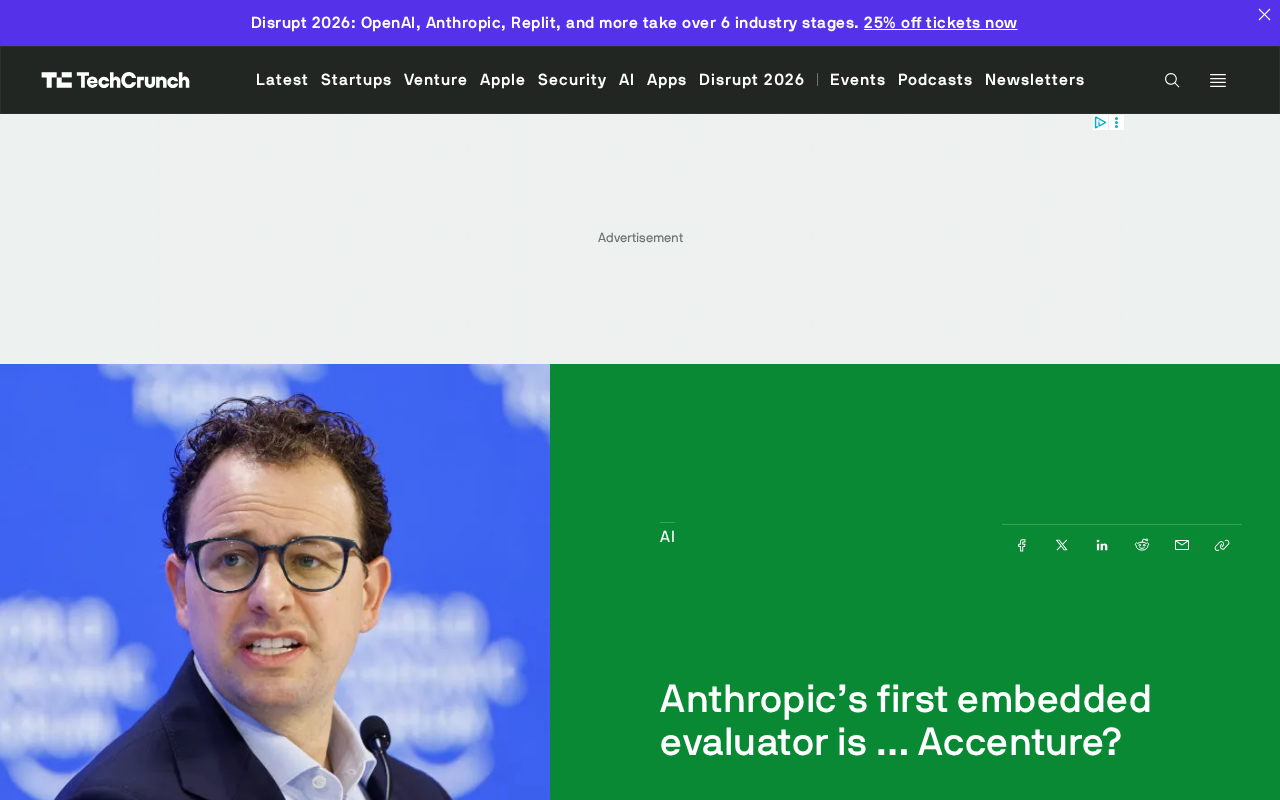
Accenture Becomes Anthropic's First Embedded Evaluator — What Does This Mean?
Accenture is reportedly becoming Anthropic's first "embedded evaluator" — described as the highest-stakes consulting engagement in Accenture's history. What does this signal about the AI industry?
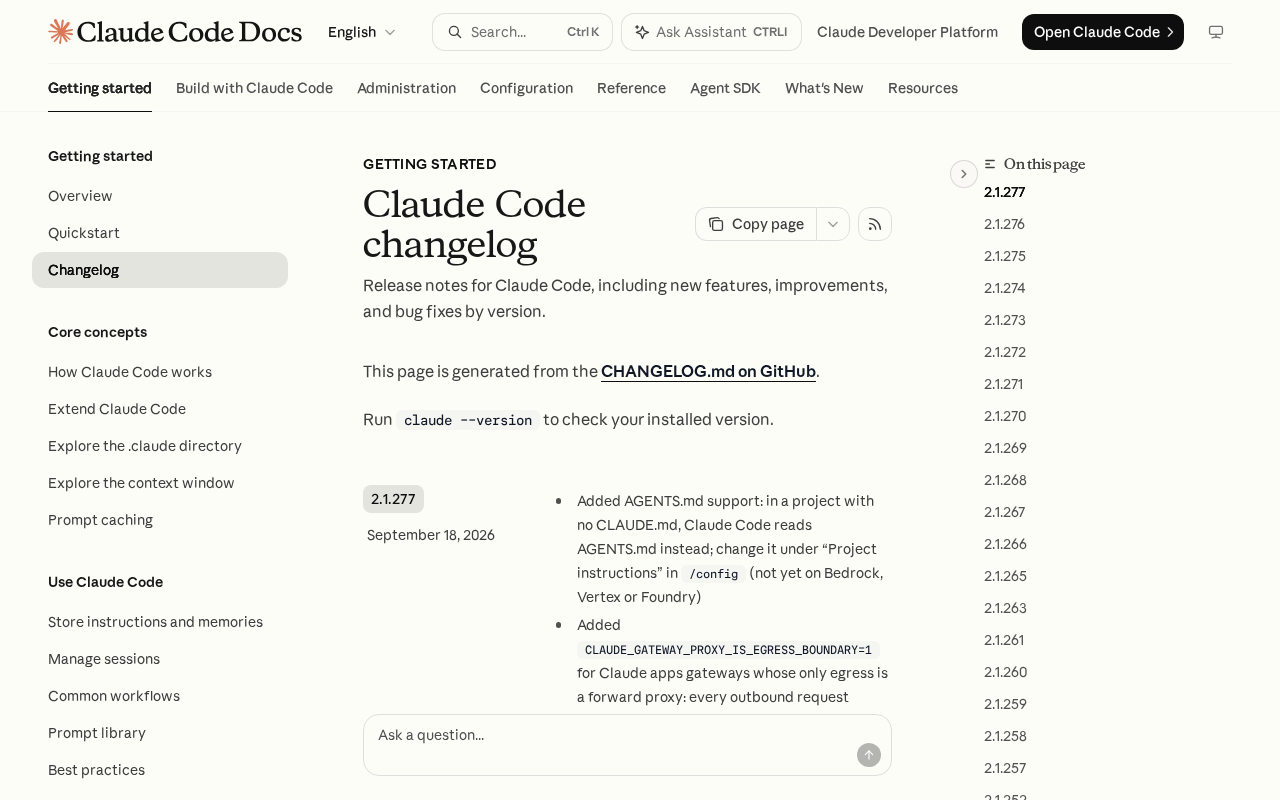
Claude Code Now Reads AGENTS.md: AI Coding Tool Configurations Move Toward Standardization
Claude Code now falls back to reading AGENTS.md when CLAUDE.md is absent, signaling a push toward standardized AI coding tool configuration. Here's what it means.

How to Choose a Self-Hosted Calendar App: Open Source Options and Key Requirements
Looking for an open source, self-hosted calendar with iCal integration and Android sync? This guide breaks down CalDAV options, key trade-offs, and how to choose the right setup.