Why You Should Download Your Favorite YouTube Videos
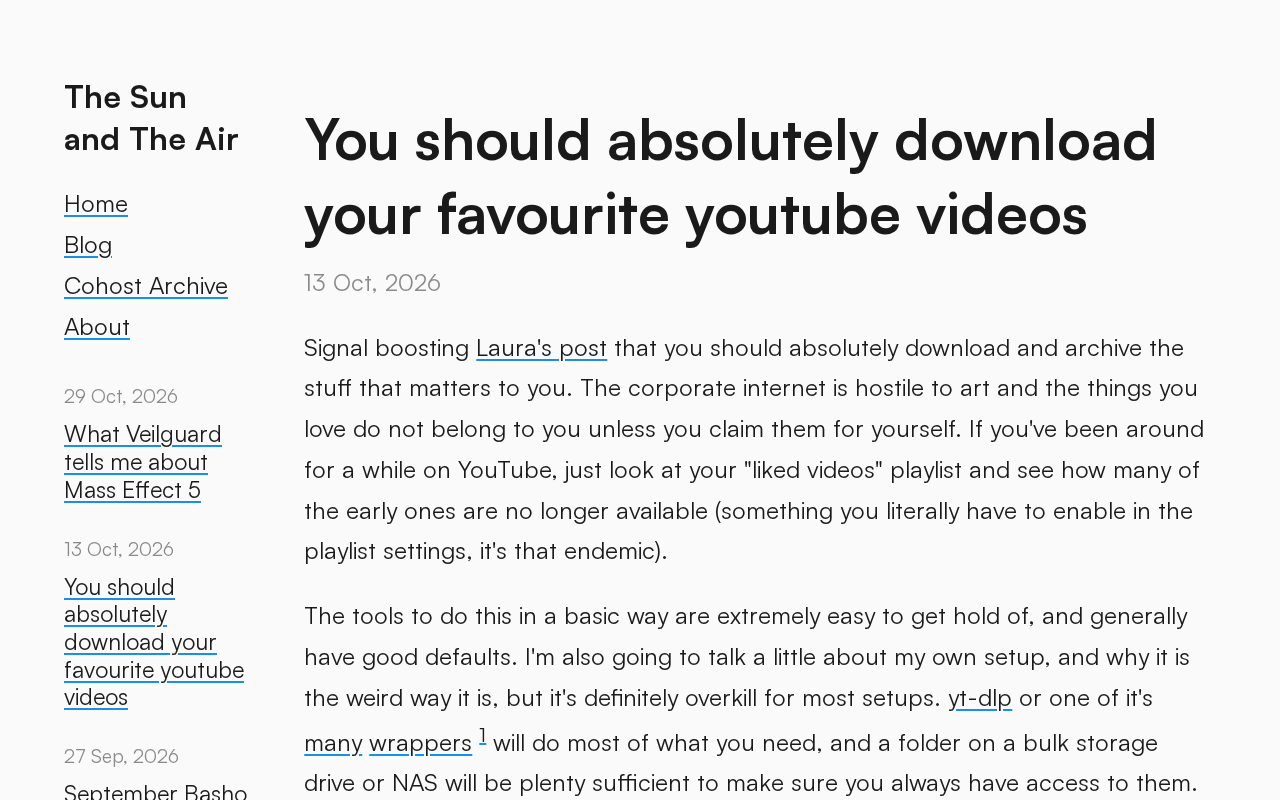
Hacker News debate: streaming content isn't permanent—personal backups preserve digital memories.
The article discusses a Hacker News post urging users to download favorite YouTube videos, noting that streaming content can vanish due to copyright disputes, creator deletions, policy changes, or technical failures—watching doesn't mean owning. Supporters view personal backups of legally accessed content as fair use, while opponents worry about piracy. The impulse to download stems from distrust of platforms and cultural preservation instinct. Practically, the community recommends open-source tools like yt-dlp with categorized storage, integrity checks, redundant backups, and metadata/subtitle preservation. The article calls for better platform data export features and emphasizes shared responsibility for digital cultural preservation.
In the streaming era, we're used to watching videos online anytime, anywhere—but we rarely think about how long this content will last. Recently, an article titled "You Should Absolutely Download Your Favorite YouTube Videos" sparked widespread discussion on Hacker News, earning 293 points and 135 comments. The discussion revealed a neglected problem: the digital content we cherish may not be as permanent as we imagine.
The Fragility of Digital Content
The article's core point targets the very nature of streaming platforms: the content you pay for or watch for free doesn't truly belong to you. Videos can suddenly disappear due to copyright disputes, creator deletions, platform policy changes, or technical glitches. Hacker News commenters shared their own experiences—some discovered playlists they'd saved for years had turned into "private videos" overnight, while others could no longer access channels they once watched due to regional restrictions.
This fragility isn't unique to YouTube—it's common to all streaming platforms. When we pin our memories and emotions on cloud links, we're relying on a system we can't control. Downloading becomes a way to counter this uncertainty.
The Legitimacy and Controversy of Downloading
The discussion inevitably touched on the gray area of copyright and platform terms of service. Those in favor of downloading argue that personal backups fall under fair use, especially for content already purchased or legally accessed. Opponents worry it could encourage piracy.
Interestingly, many commenters pointed out that downloading often stems from distrust of platforms—when platforms can arbitrarily remove content, tweak recommendation algorithms, or even shut down services, users naturally develop a "digital hoarding" mentality. This mentality isn't greed; it's an instinctive response to cultural preservation.
How to Practice Content Backup
For users wanting to start backing up, community discussions offered several approaches. Using open-source tools like yt-dlp for downloading is a common choice, supporting multiple formats and resolution options. The key is establishing a personal archiving system: categorizing storage by topic or date, periodically checking file integrity, and considering external hard drives or NAS for redundant backups.
Another key point is preserving metadata. Video titles, descriptions, upload dates, and creator information are often as important as the videos themselves. Some commenters suggest saving web archives or subtitle files alongside downloads for future retrieval.
yt-dlp is a widely used open-source command-line download tool in the community, an active fork of youtube-dl that fixed the original project's slow updates and certain site failures. Running on Python, it parses media information from web pages to extract audio and video stream addresses, supports thousands of sites, multiple resolutions and container formats, and can call ffmpeg for muxing and transcoding. Compared to browser extensions or online download sites, yt-dlp's advantages include batch processing, scriptability, and options to download audio only, embed subtitles and thumbnails—making it suitable for building semi-automated personal archiving workflows. Users should note the tool's update frequency, as platforms frequently adjust interfaces and older versions may stop working.
NAS (Network Attached Storage) is dedicated storage equipment connected to a home network, allowing multiple computers and mobile devices to share access to the same files. Compared to a single external hard drive, NAS typically supports multi-bay redundant arrays, so data can still be recovered from other drives if one fails, and can be configured with scheduled snapshots and remote access—suitable for long-term storage of large video archives. For individual users, an entry-level two-bay NAS combined with regular offsite backups can significantly reduce the risk of "everything disappearing along with a single hard drive" at manageable cost.
Platform Responsibility and User Rights
This discussion also prompted reflection on platform responsibility. Some argue that platforms like YouTube should provide official personal data export features, not just viewing history or comment records. Regulations like the EU's GDPR have made explorations in data portability rights, but personal backup of video content remains in a gray area.
From a broader perspective, cultural preservation in the digital age requires multi-party collaboration: platforms providing stable services, creators choosing reasonable licensing methods, and users taking responsibility for personal archiving. Downloading videos isn't a betrayal of platforms—it's a way of safeguarding digital cultural heritage.
When we see 293 upvotes and 135 lively comments on Hacker News, this has transcended a technical topic to become a public conversation about digital ownership and memory preservation. Perhaps next time you click the "favorite" button, you'll think a bit more: does this favorite really belong to you?
One-line Summary
Hacker News热议:流媒体内容并非永久,个人备份是守护数字记忆的方式。
Paragraph Summary
文章围绕 Hacker News 上一篇呼吁下载喜爱 YouTube 视频的帖子展开,指出流媒体平台上的内容可能因版权纠纷、创作者删除、政策调整或技术故障而突然消失,用户付费或免费观看并不等于真正拥有。讨论中,支持者认为对已合法访问的内容做个人备份属于合理使用,反对者则担忧助长盗版;而下载冲动更多源于对平台的不信任和文化保存本能。实践层面,社区推荐使用 yt-dlp 等开源工具,配合分类存储、完整性检查、冗余备份以及元数据与字幕保存,建立系统的个人归档策略。文章最后呼吁平台完善数据导出功能,并强调数字文化保存需要平台、创作者与用户共同承担责任。
Related articles
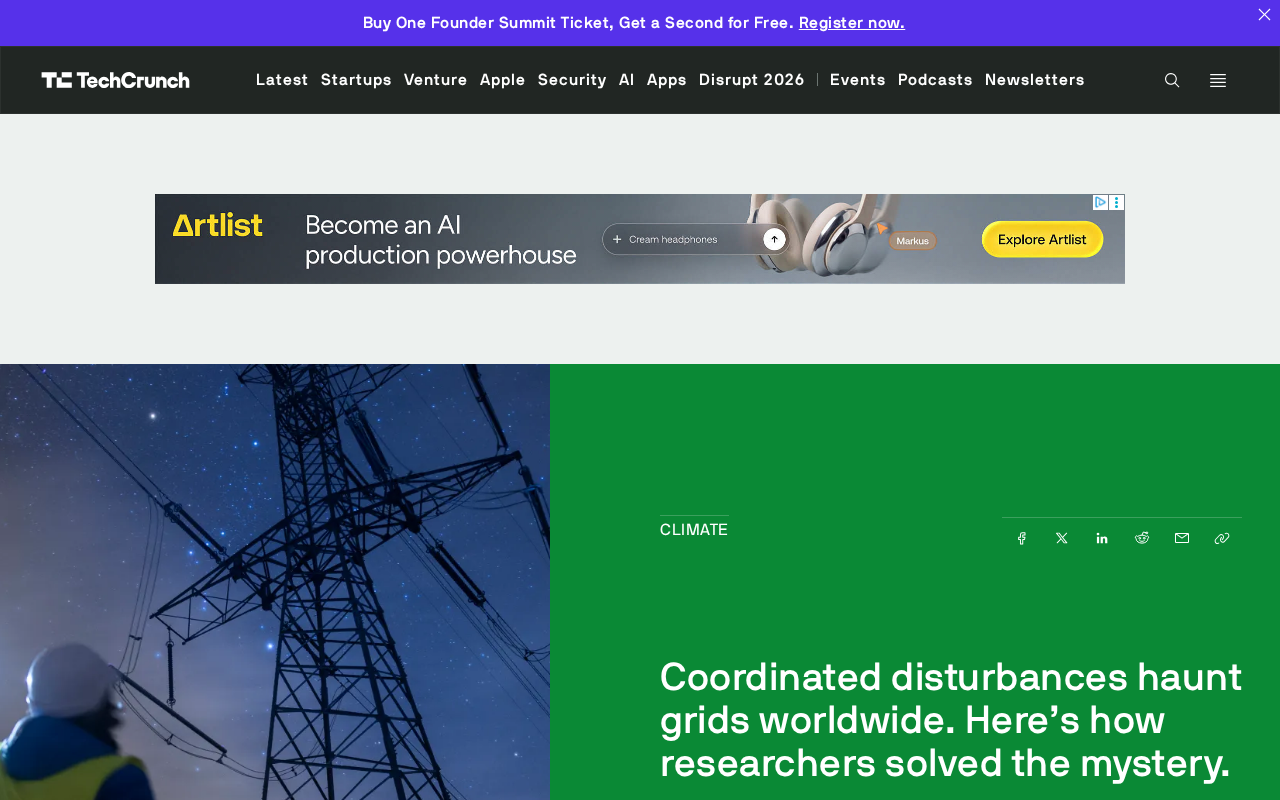
Mysterious Synchronized Disturbances Hit Global Power Grids — German Team Finds the Culprit
Mysterious synchronized power drops hit grids worldwide. A German team found the culprit. This article explains the coordinated disturbances, the research breakthrough, and what it means for grid monitoring and operations.
NVIDIA Board Investigates Espionage Ca…
NVIDIA Board Investigates Espionage Case: CEO's Admission of Extramarital Affair Sparks Internal Turmoil
NVIDIA's board has launched an espionage investigation following the CEO's admission of an extramarital affair. This article analyzes the background, corporate governance logic, and potential impact on NVIDIA, noting that current information is limited and should be viewed rationally.
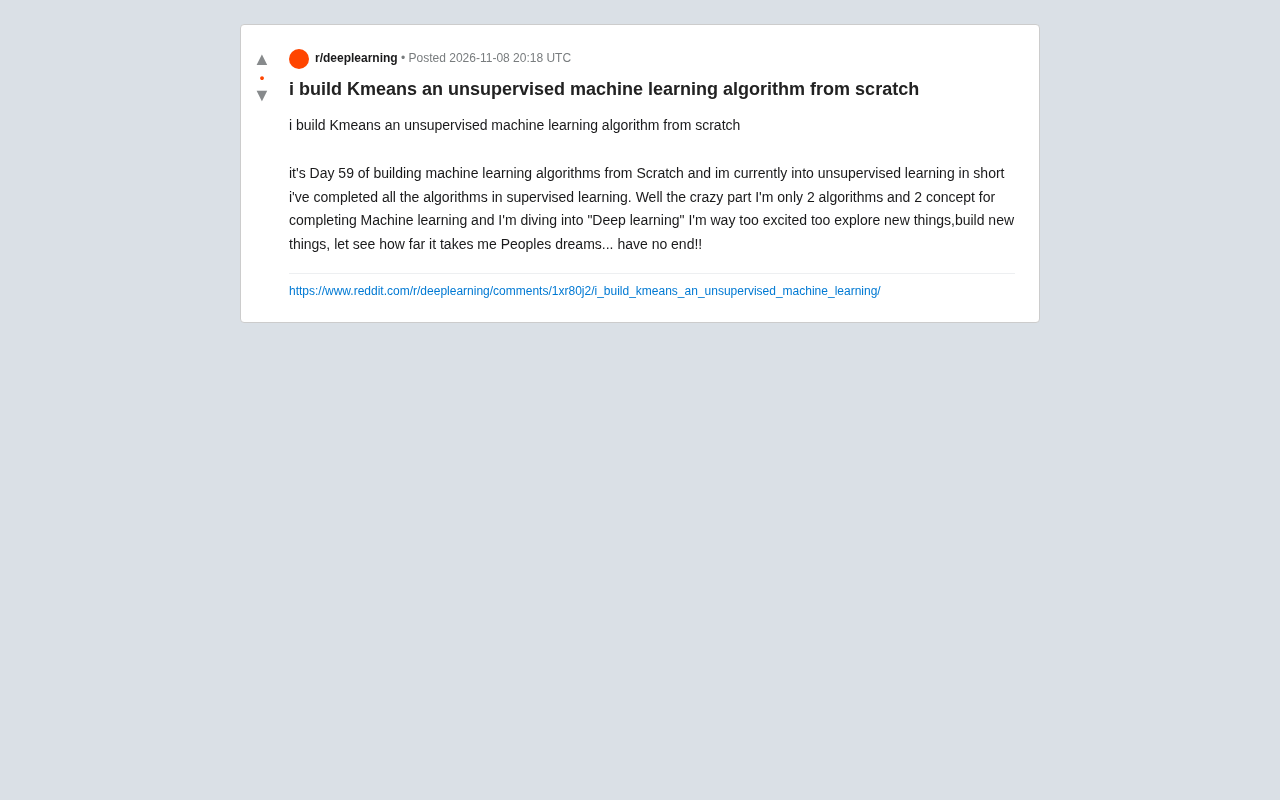
Writing K-Means from Scratch: One Developer's Journey into Machine Learning
A developer shares day 59 of writing K-Means from scratch: finishing all supervised learning algorithms and entering unsupervised learning, covering K-Means++ initialization, vectorized distances, convergence and empty clusters.