Workflows Public Preview: The Orchestration Layer Bridging Enterprise AI from Prototype to Production
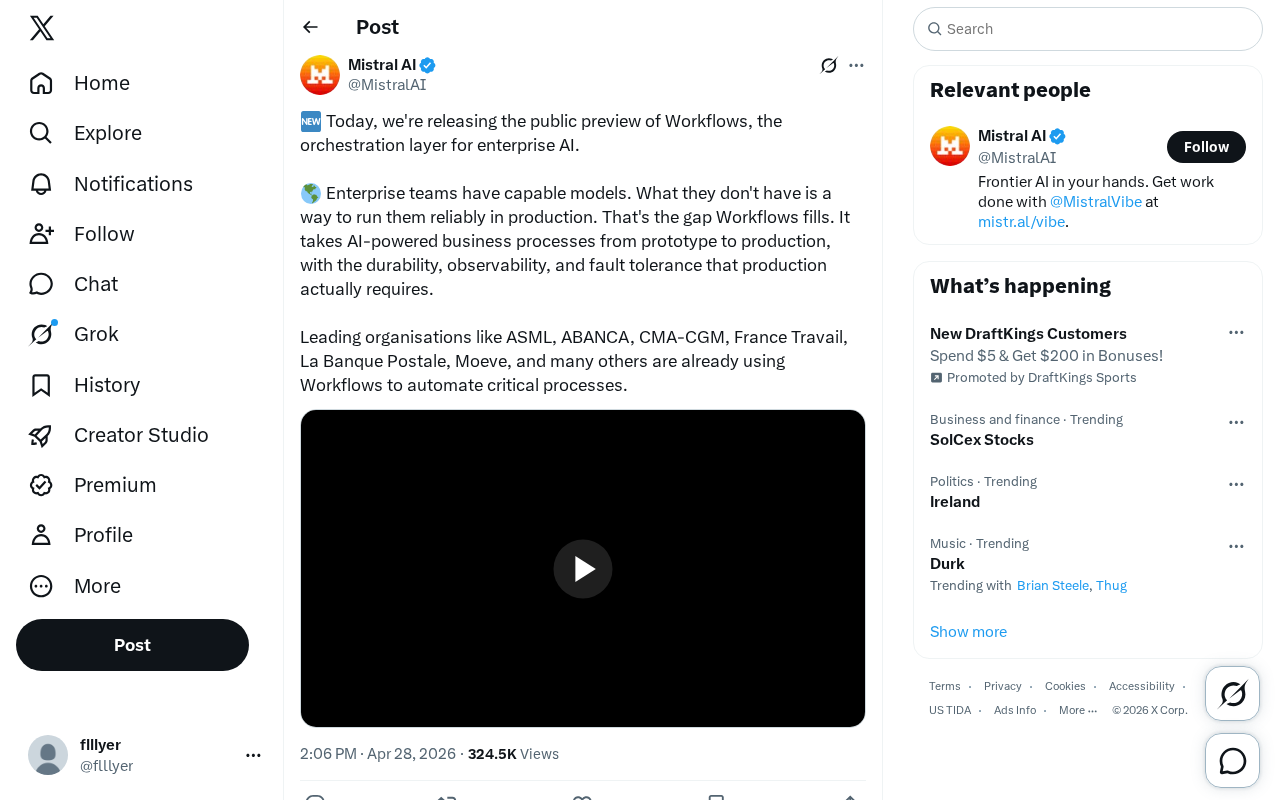
Workflows public preview delivers an enterprise AI orchestration layer with durability, observability, and fault tolerance for production.
The real bottleneck in enterprise AI isn't model capability — it's reliably running AI workflows in production. Workflows public preview positions itself as an enterprise AI orchestration layer focused on three core production-grade capabilities: durability (resume from checkpoints), observability (end-to-end monitoring), and fault tolerance (isolation and retries). It bridges the gap between demos and deployments, and has already been adopted by industry leaders including ASML, CMA-CGM, and ABANCA across manufacturing, logistics, finance, and public services — high-reliability sectors whose adoption serves as a strong endorsement. The piece also notes a broader industry shift: competition is moving from model strength to engineering execution, making orchestration infrastructure increasingly critical for enterprise decision-makers to evaluate.
The Real Bottleneck in Enterprise AI Isn't the Model
Enterprise teams have never had a shortage of powerful models. The real gap is figuring out how to run those models reliably in production. That's exactly the problem the Workflows public preview is designed to solve.
The official positioning is straightforward: Workflows is an orchestration layer for enterprise AI. Its core value lies in moving AI-driven business processes from proof-of-concept all the way to production — and delivering the three capabilities that production systems actually require: durability, observability, and fault tolerance.
These may sound like technical buzzwords, but they cut right to the heart of enterprise AI adoption challenges. Many organizations can demo a beautiful AI workflow in a controlled environment, yet see it fall apart under real business load, edge cases, or long-running operations. Workflows is designed to close that gap — the distance between "works in a demo" and "ready to ship."
Why the Orchestration Layer Matters So Much
The Prototype-to-Production Chasm
Model capability is no longer the biggest obstacle. When an AI business process actually runs in production, it needs to handle: recovering from task interruptions, maintaining state across multiple steps, retrying on failure rather than crashing entirely, and providing visibility into what's happening at every stage.
Traditional script-based API calls simply can't meet these requirements. If any step fails, the entire workflow can grind to a halt with no clear logs to debug. The purpose of an orchestration layer is to organize these scattered AI calls into something reliable, recoverable, and observable as a whole.
Durability, Observability, and Fault Tolerance
These three capabilities form the infrastructure foundation for production-grade AI systems:
- Durability means workflow state is persisted — even if the system restarts or is interrupted, tasks can resume from where they left off rather than starting over from scratch.
- Observability gives teams real-time visibility into the execution status of every workflow node, enabling fast troubleshooting — especially critical for enterprises with audit and compliance requirements.
- Fault tolerance ensures a single point of failure doesn't take down an entire business pipeline. Exceptions can be isolated, retried, or gracefully degraded.
For enterprises embedding AI into mission-critical operations, these aren't nice-to-haves — they're hard requirements for going live.
Enterprise Customers Already On Board
The official launch highlighted a number of leading organizations already using Workflows to automate key business processes, spanning multiple industries and regions:
- ASML — a core player in semiconductor lithography equipment
- ABANCA, La Banque Postale — banking and financial institutions
- CMA-CGM — a global shipping and logistics giant
- France Travail — France's public employment service
- Moeve — an energy-sector company
What's notable about this customer list is its industry breadth: manufacturing, finance, logistics, and public services. These are sectors with exceptionally high demands for process reliability and compliance. Their willingness to entrust critical workflows to Workflows is itself a meaningful endorsement of its production-grade capabilities.
What This Means for Enterprise AI Adoption
For a while, the industry's attention has been heavily focused on competing over model capabilities. But the launch of Workflows sends a clear signal: the competitive center of gravity is shifting from "how powerful is the model" to "how reliably can you put it to work."
For enterprise technology decision-makers, this means that when evaluating AI solutions, model performance is only part of the picture. You also need to assess engineering maturity — can it run stably, can you monitor and debug it, can it recover from failures? Orchestration-layer infrastructure like this is often what ultimately determines whether an AI project delivers real business value.
A note of transparency: this article is based on publicly available information from the official launch announcement. Workflows is currently in public preview, and its full capability boundaries, pricing, and real-world production performance still await independent evaluation and long-term user feedback.
Summary
The launch of Workflows is a direct response to the widespread challenge enterprises face: having capable models but struggling to deploy them reliably in production. Positioned as an orchestration layer, it delivers three production-grade capabilities — durability, observability, and fault tolerance — and has already been adopted by industry leaders like ASML and CMA-CGM across diverse sectors. For organizations pushing forward with AI adoption, paying attention to orchestration and engineering tooling like this may offer more practical returns than simply chasing more powerful models.
Related articles
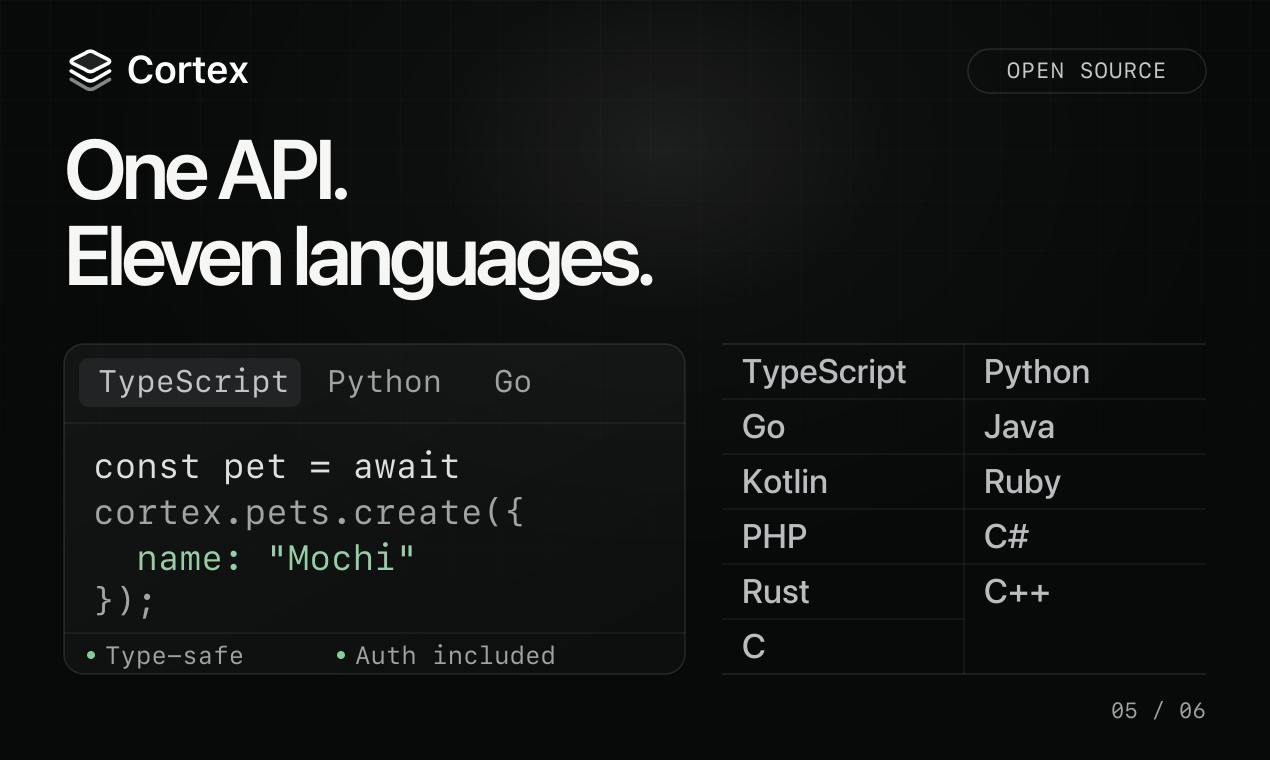
Cortex: Convert API Specs into Docs, SDKs, and MCP Servers in One Click
Cortex is an open-source tool that converts OpenAPI, GraphQL, gRPC and more into interactive docs, typed SDKs in 11 languages, and MCP servers for AI agents.
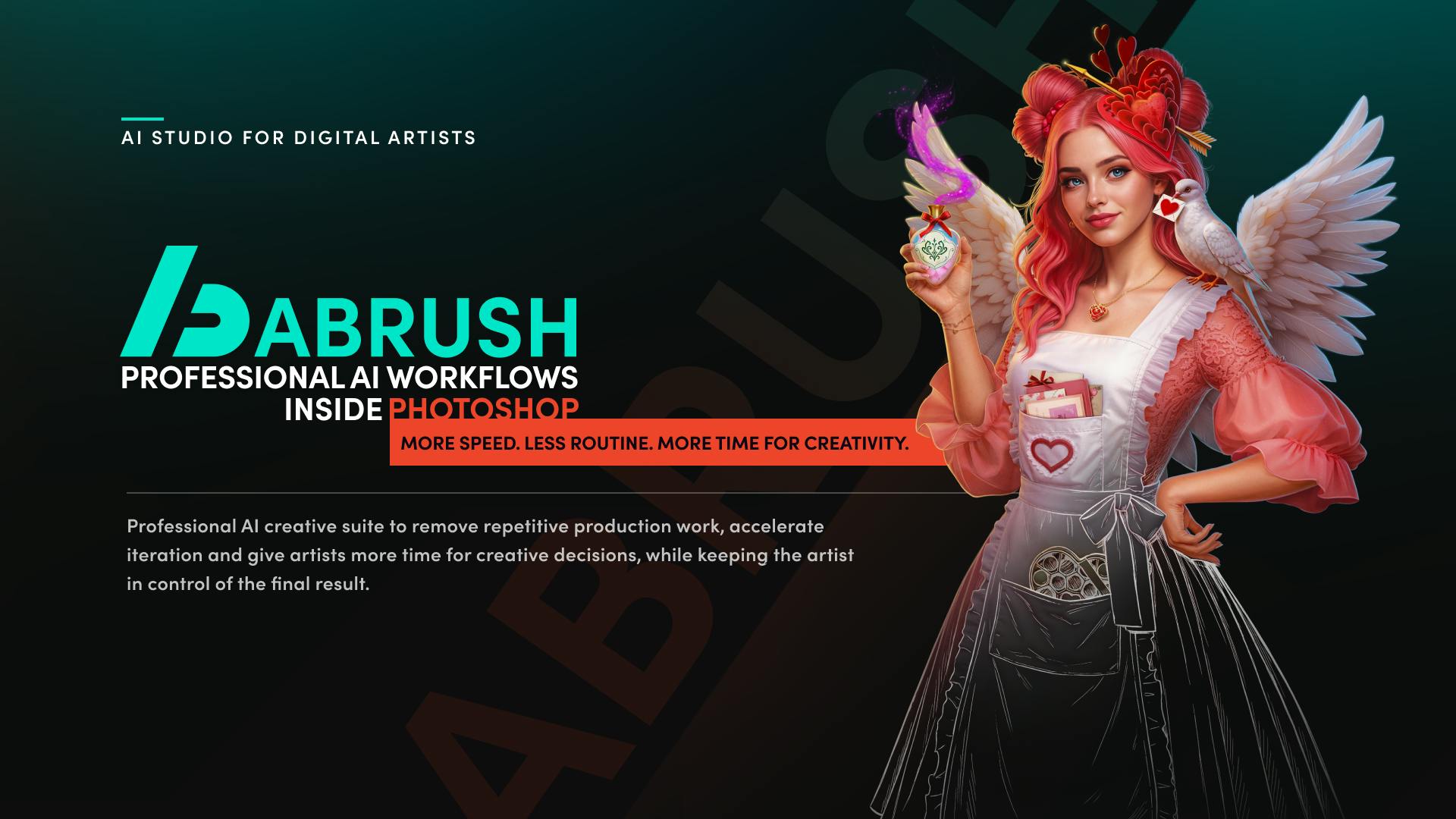
ABrush: An AI Studio Built for Digital Artists
ABrush is an AI studio for digital artists, ranked #4 on Product Hunt. It embeds leading AI models into existing workflows to remove repetitive tasks, speed up iteration, and keep artists in control.
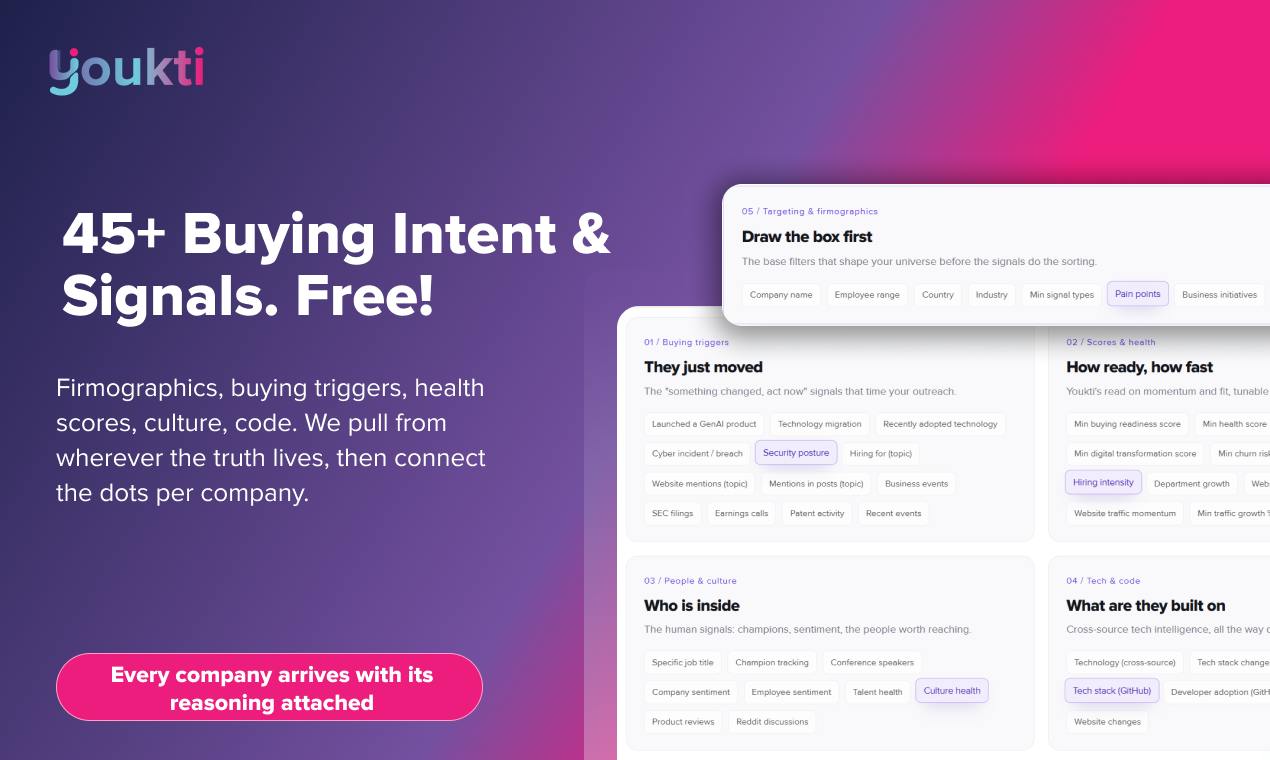
Youkti: An AI That Remembers Every Deal and Tells Your Sales Team What to Do Next
Youkti is an AI sales assistant that hit #2 on Product Hunt. It remembers every account, conversation, and deal — then tells your team exactly what to do next. Contact data, buying signals, and intent data are all free.