#AI training data quality
2032 related articles

·3 min
The Real Bottleneck for Conversational AI: Model Capability or Training Data Quality?
Conversational AI shines in the lab but fails in real conversations. This article analyzes voice assistants' core weaknesses—model architecture or overly "clean" data? Covering ASR, VAD, and end-to-end systems engineering.
Read more →

·2 min
Behavior Cloning Training Failing? A Systematic Guide to Data Quality and Tuning
Behavior cloning model barely moves after training? This guide systematically covers data alignment, class imbalance, learning rate, and epoch count — with a step-by-step debugging checklist and advanced alternatives like DAgger.
Read more →

·4 min
AI Companies Buy Books, Scan Them, Then Destroy Them: Pulping of Rare Books Sparks Cultural Preservation Debate
Some AI companies are mass-purchasing physical books for destructive scanning and pulping to obtain training data, even targeting rare antiquarian volumes. This article analyzes the technical motivations, legal gray areas, and cultural preservation controversies.
Read more →

·2 min
AI-Generated Short Drama "Nido de Villanas": A New Form of Industrialized Short-Video Content
Deep analysis of the AI-generated Spanish short drama Nido de Villanas, exploring how generative AI is transforming short drama production and driving content industrialization.
Read more →

·4 min
AI Companies Buy, Scan, and Destroy Books: Pulping Rare Volumes Sparks Cultural Preservation Debate
Some AI companies are mass-purchasing physical books for destructive scanning and pulping—even rare and antiquarian volumes—to obtain training data, sparking heated cultural preservation debates.
Read more →

·4 min
Deep Dive into AI Short Drama "Nido de Villanas": How AIGC Mass-Produces Binge-Worthy Content
Using AI-generated Spanish short drama Nido de Villanas as a case study to analyze AIGC script generation, character consistency, multilingual dubbing, and the commercial logic of scaled AI drama production.
Read more →

·4 min
Deep Dive into AI Short Drama "Nido de Villanas": How AIGC Mass-Produces Binge-Worthy Content
Using AI-generated Spanish short drama "Nido de Villanas" as a case study, this deep dive analyzes AIGC script generation, character consistency, multilingual dubbing, and the industry trends of scaled AI drama production.
Read more →

·3 min
Replacing spaCy's Sentencizer with yasbd: Accuracy Jumps from 55% to 98.9%
spaCy's default Sentencizer achieves only 55.4% accuracy on edge cases, while open-source library yasbd reaches 98.9%. Analysis of limitations and integration code examples.
Read more →

·2 min
The Rise of AI-Powered Short Dramas: How Spanish-Language Micro-Series Are Reshaping Content Production
Explore how AI empowers Spanish-language micro-drama production—from script generation and voice synthesis to multilingual distribution—and its profound impact on the global content industry.
Read more →

·3 min
Why You Shouldn't Ask LLMs for Confidence Scores: The Pitfalls of Self-Reported Reliability
Asking LLMs to self-report confidence scores is a common mistake. Learn why it fails and discover reliable alternatives like logprobs, self-consistency sampling, and RAG.
Read more →

·3 min
A 9B Model Beats Frontier LLMs After Just $500 in RL Fine-Tuning
Just $500 in RL fine-tuning enables a 9B open-source model to outperform frontier LLMs on catalog review tasks. Analysis of when small-model RL works and its enterprise implications.
Read more →

·3 min
The Real Daily Life of MLE and MLOps Engineers: Key Differences Between Three Roles and Career Paths
An in-depth look at the real daily work of data scientists, MLEs, and MLOps engineers — covering responsibilities, essential tools, and career paths to help you find your direction in AI.
Read more →

·3 min
Why You Shouldn't Ask LLMs for Confidence Scores: The Pitfalls of LLM Self-Assessed Reliability
Asking LLMs for self-reported confidence scores is a common mistake. Learn why it fails, and discover reliable alternatives like logprobs, self-consistency sampling, and RAG for uncertainty estimation.
Read more →

·2 min
Kimi K3 Launches on Telnyx Inference API: A New Path for Chinese LLMs Going Global
Moonshot AI's Kimi K3 is now available on Telnyx Inference API. Explore how Chinese LLMs are entering global developer ecosystems through third-party inference platforms.
Read more →

·4 min
Getting Started with AI Agent Development: A Complete Guide from Concept to Practice
A comprehensive guide to AI Agent architecture and development, covering automated marketing, intelligent customer service, and investment analysis scenarios with single and multi-agent collaboration.
Read more →

·5 min
A Beginner's Guide to Prompt Engineering: From One-Off Instructions to a Systematic Methodology
A beginner's guide to prompt engineering covering the four functions of prompts, the key differences from prompt engineering, a six-step systematic workflow, and critical technical and practical limitations.
Read more →

·3 min
Three Essential Hard Skills Traditional Product Managers Need to Transition into AI PM
How can traditional product managers transition to AI PM? This article analyzes the essential differences and details three must-have skills: AI product cognition, advanced Prompt engineering, and large model technical logic.
Read more →
·3 min
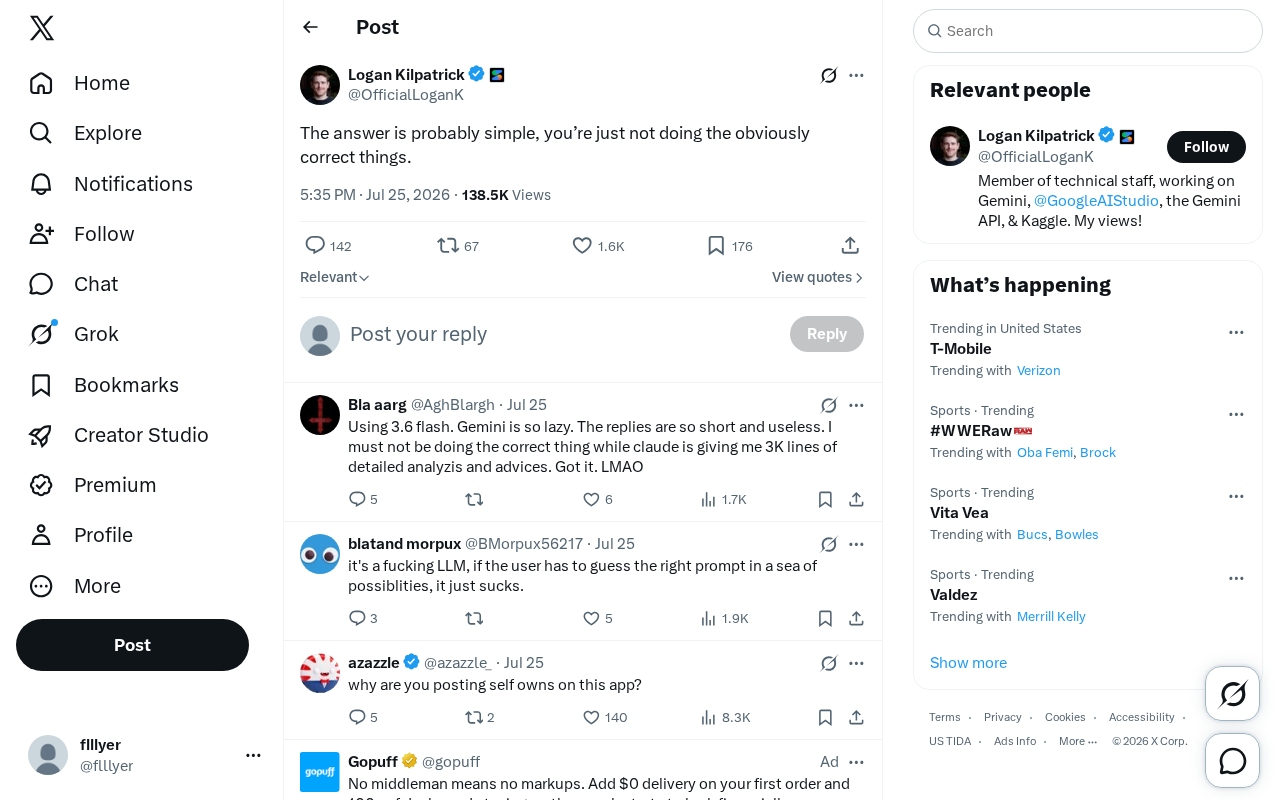
AI Not Performing Well? Start by Getting These Simple but Often Overlooked Things Right
When your AI system underperforms, the problem is often not the model or algorithm — it's basic work like data cleaning, prompt writing, and evaluation that hasn't been done right.
Read more →
·3 min
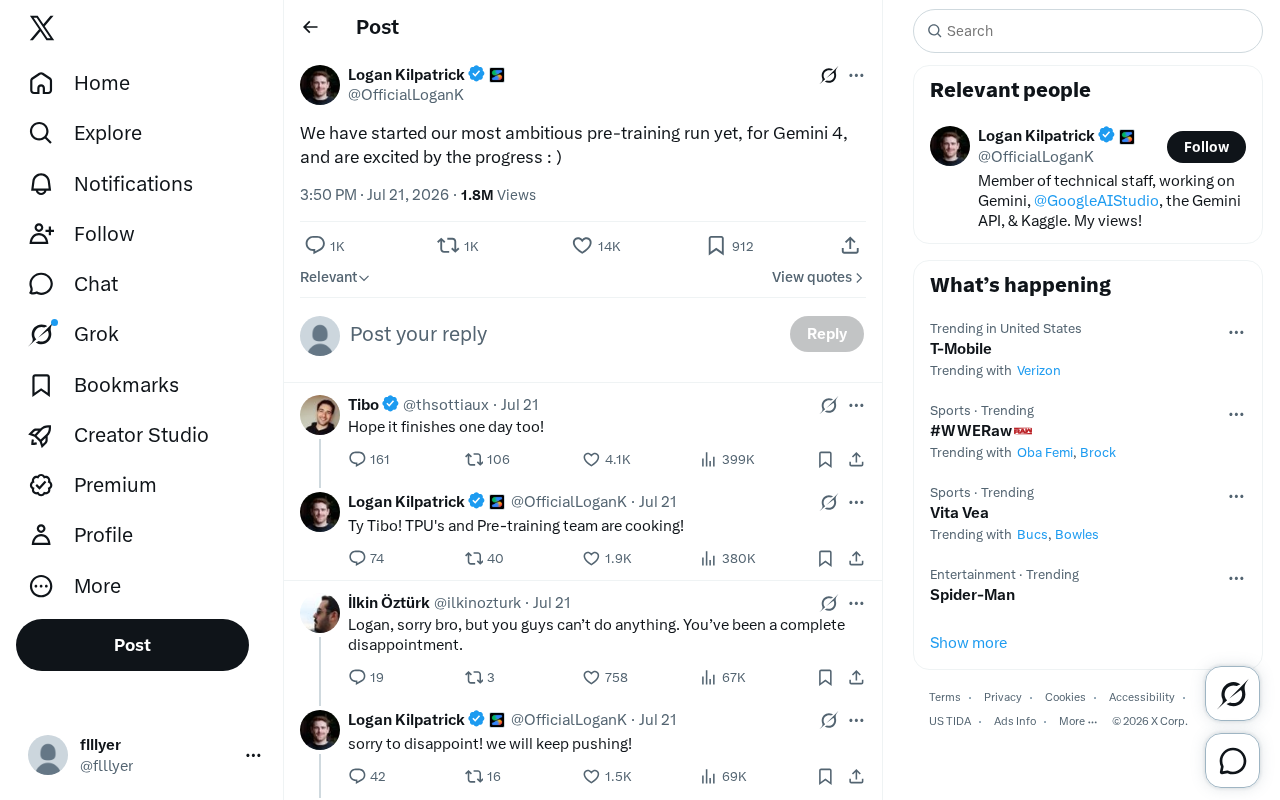
Google Launches Gemini 4 Pre-training: Its Most Ambitious AI Model Training Yet
Google DeepMind announces Gemini 4 pre-training has begun, calling it their most ambitious training yet. A deep dive into its technical direction, compute scale, multimodal breakthroughs, and competitive impact.
Read more →
·3 min
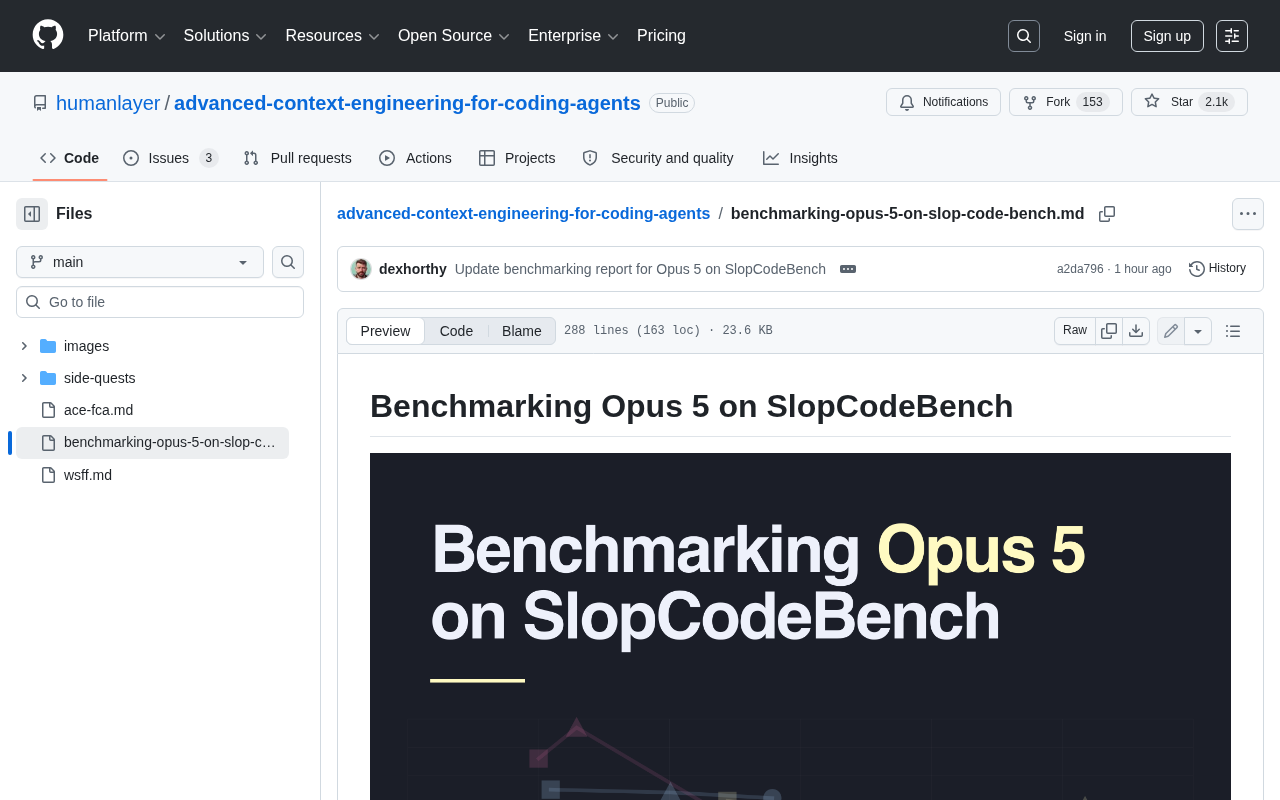
SlopCodeBench: Why AI Code Benchmarks Are Failing
SlopCodeBench sparks deep reflection on AI code evaluation. From benchmark contamination to pass-rate pitfalls, exploring why current benchmarks fail to measure real code quality.
Read more →