#China Plus One strategy
99 related articles

·3 min
Open Source vs. Closed Source: Who Will Win the US-China AI Battle?
Chinese open-source models DeepSeek and Kimi K3 are challenging OpenAI's closed-source dominance. Analyzing the business logic, chip ecosystems, and US-China strategic dynamics behind the open vs. closed AI debate.
Read more →

·3 min
Open Source vs. Closed Source: Who Will Win the US-China AI Battle?
Chinese open-source models DeepSeek and Kimi K3 challenge OpenAI's closed-source dominance. Analysis of open vs. closed AI strategies, CUDA moat erosion, and the US-China strategic battle for AI supremacy.
Read more →

·4 min
Building a $5,000 Home Solar System: Budget Breakdown, DIY Process & Payback Analysis
A detailed guide to building a home solar power and storage system for under $5,000, covering PV panel and LiFePO4 battery selection, budget allocation, DIY installation risks, and 5-6 year payback analysis.
Read more →

·3 min
A Practical Guide for Java Developers Transitioning to AI Application Development
Facing the AI wave, how can Java developers transition from traditional CRUD backend work to AI application development? This article breaks down the AI+ national strategy, China's AI catch-up logic, and offers a practical path.
Read more →

·5 min
DeepSeek's Five-Step Ladder to AGI: A Restrained Roadmap Built on Twenty Thousand GPUs
DeepSeek founder Liang Wenfeng reveals a five-step AGI roadmap from chain-of-thought to embodied intelligence. How does TileLang crack domestic GPU substitution under a 20,000-card constraint?
Read more →

·5 min
DeepSeek's Five-Step Ladder to AGI: A Restrained Roadmap Built on 20,000 GPUs
DeepSeek founder Liang Wenfeng reveals a five-step AGI roadmap—from chain-of-thought to embodied intelligence—under a 20,000-GPU constraint, using the TileLang compiler to break domestic substitution challenges while API cash flow backs AGI exploration.
Read more →

·3 min
Kimi K3 Shakes the World: Is Open-Source AI Closing the Gap?
Moonshot AI's 2.8T-parameter open-weight model Kimi K3 rivals Anthropic and OpenAI flagships, sparking a new 'DeepSeek moment' and challenging U.S. AI dominance.
Read more →

·4 min
Complete Guide: Connecting DeepSeek and Other Chinese LLMs to Codex
No ChatGPT account? No problem. Learn how to connect DeepSeek and other Chinese LLMs to Codex using the Codex++ management tool — including Base URL setup, API Key creation, and token top-up.
Read more →
·6 min
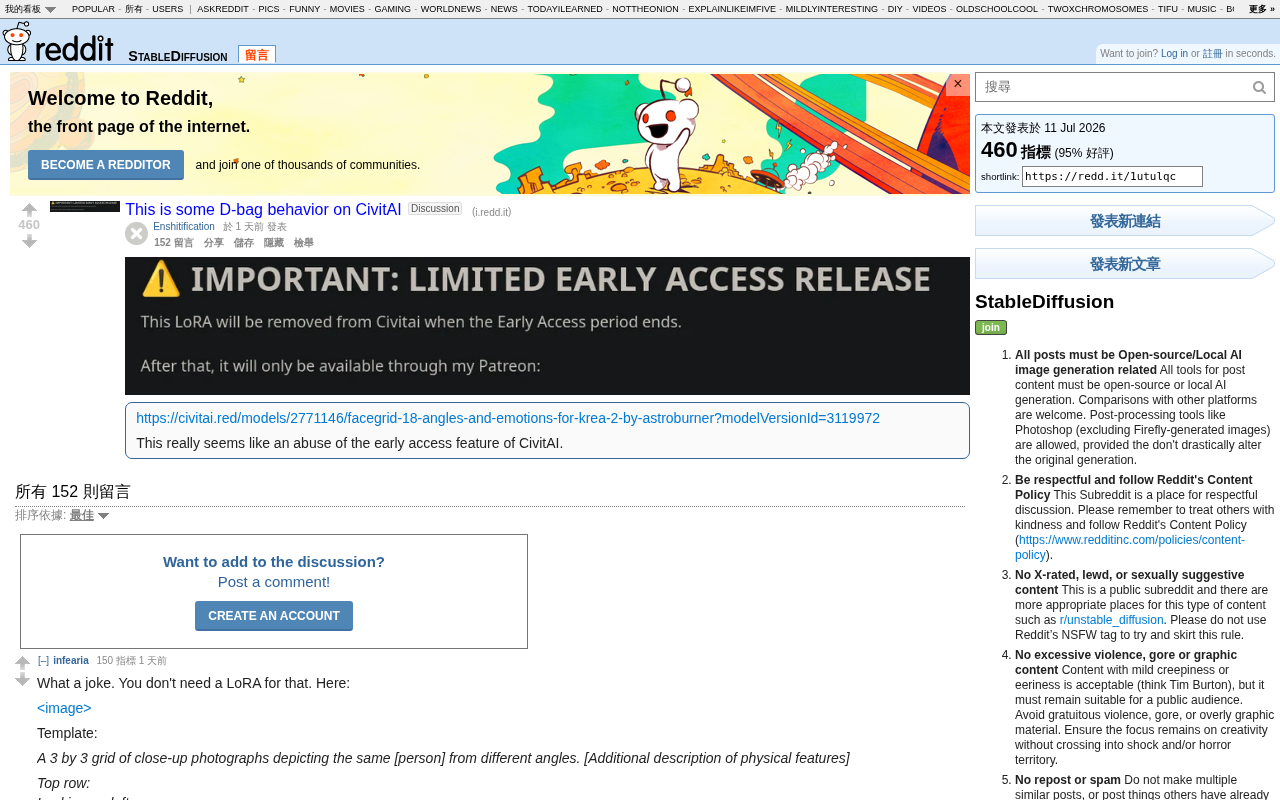
The CivitAI Early Access Controversy: Where Is the Boundary Between Open-Source Ethos and Commercialization?
CivitAI's paid "Early Access" mechanism has sparked heated debate on Reddit: should functional models stay locked behind paywalls long-term? An in-depth look at creator monetization, community consensus, and platform responsibility.
Read more →
·6 min
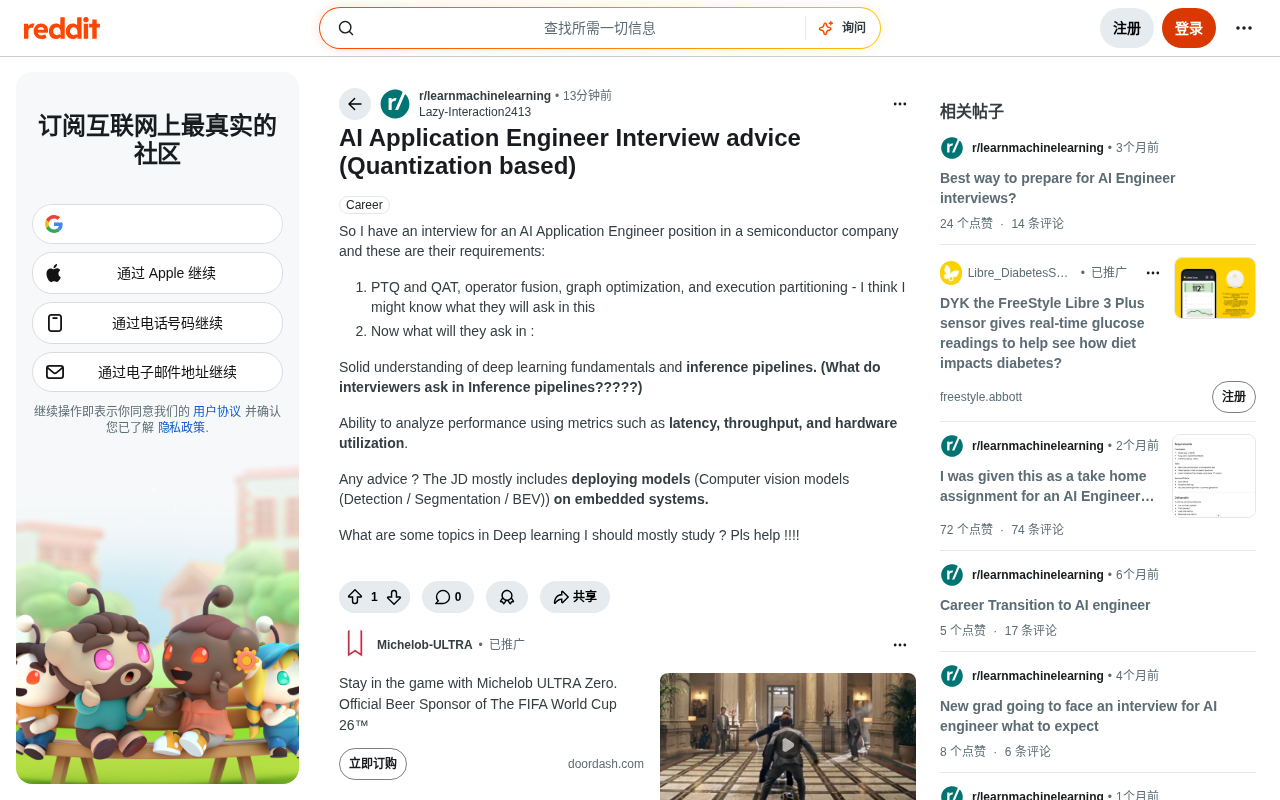
AI Application Engineer Interview Guide: Core Topics on Model Quantization and Inference Deployment
A systematic guide to must-know AI application engineer interview topics: PTQ/QAT quantization, operator fusion, inference pipelines, latency/throughput analysis, and edge deployment of detection/segmentation/BEV models.
Read more →
·6 min
AI Application Engineer Interview Guide: Core Topics in Model Quantization and Inference Deployment
A systematic review of must-know topics for AI Application Engineer interviews: PTQ/QAT quantization, operator fusion, inference pipelines, latency/throughput analysis, and edge deployment of detection/segmentation/BEV models.
Read more →

·6 min
Making Money with AI Coding Gigs: A Sober Breakdown and Honest Assessment of the Four-Week Learning Path
Can beginners really earn over 10,000 yuan in their first month with AI coding gigs? This article breaks down the four-week AI coding learning path week by week and objectively assesses the real monetization barriers.
Read more →

·6 min
Vue3 from Scratch: A Hands-On Journey to Building an AI Health Monitoring System
A Vue3 beginner tutorial centered on "learn just enough, apply immediately." A three-stage path covers reactivity, Composition API, Element Plus, and data visualization, culminating in an enterprise-grade AI health monitoring system with blood sugar management, RAG consultation, and doctor-patient collaboration.
Read more →

·3 min
Claude Opus 5 Launch Imminent, Alibaba Qwen Officially Integrated into Apple Intelligence
Claude Opus 5 launches next week; Alibaba Qwen integrates into Apple Intelligence for Chinese users; 27B on-device model compressed to 3.8GB; open-source models narrow gap to closed-source by 3.3%.
Read more →

·3 min
Five Major AI Stories: Model Failures, Data Leaks, and Capital Concentration
GPT-5.6 deletes files, Grok leaks codebases, DeepSeek's founder hits $36B net worth — five AI stories reveal deepening safety risks and capital concentration.
Read more →

·3 min
Enterprise AI Deployment: The Core Decision Between Ontology and Agent Architecture
A systematic guide to enterprise Ontology: its core value, tools like OntoFlow and FIBO, when to build one, and how to deploy business-domain-level AI Agents.
Read more →

·3 min
Cherry Studio + MCP + Ollama: The Complete Guide to Building a Local AI Agent and Private Knowledge Base
A hands-on guide to building a local AI agent and private knowledge base using Cherry Studio, MCP, and Ollama — with web scraping, report generation, and terminal control.
Read more →

·3 min
Coze for Beginners: A Complete Guide to Building AI Agents
Coze is ByteDance's low-code AI Bot platform — no coding required. Learn the differences between domestic and international versions, core features, and why now is the best time to start building AI agents.
Read more →

·3 min
Africa's AI Governance Landscape: A Deep Dive into the AFTEC Policy Tracker
Carnegie's AFTEC database covers 1,034+ policy records across 54 African nations, revealing AI strategies, data sovereignty debates, and legislative gaps shaping Africa's algorithmic governance.
Read more →

·3 min
Is Free GPT5.6 a Trap? The Truth Behind AI Mirror Sites Exposed
The viral "free GPT5.6" videos hide real risks: the model doesn't exist, and the "treasure sites" are third-party proxy mirrors carrying data privacy leaks and account bans.
Read more →