#Gemini 2.5 Flash
64 related articles
·2 分钟
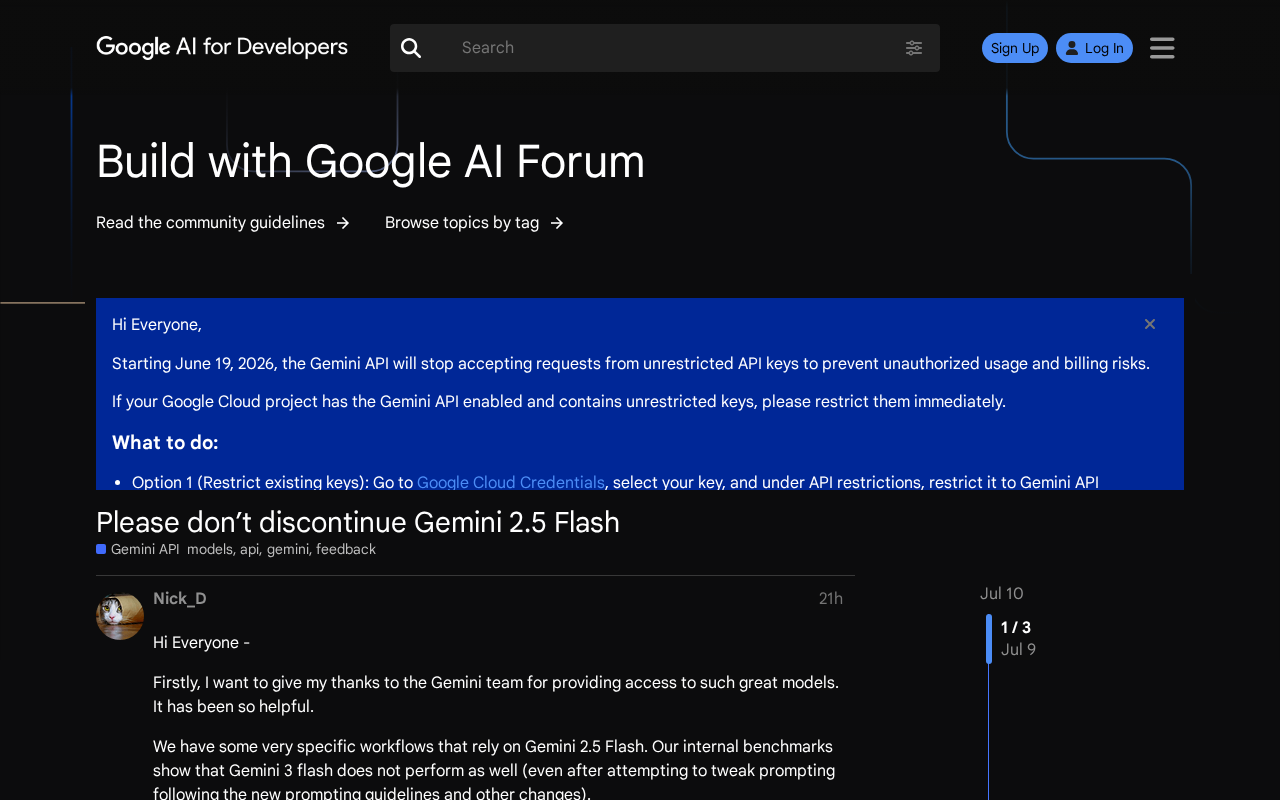
Developers Petition to Keep Gemini 2.5 Flash: The Production Crisis Behind Model Deprecations
Developers on Hacker News push back against Gemini 2.5 Flash's deprecation. We explore why stable, low-cost AI models are critical for production and how to build defensive strategies against cloud model churn.
阅读全文 →
·2 分钟
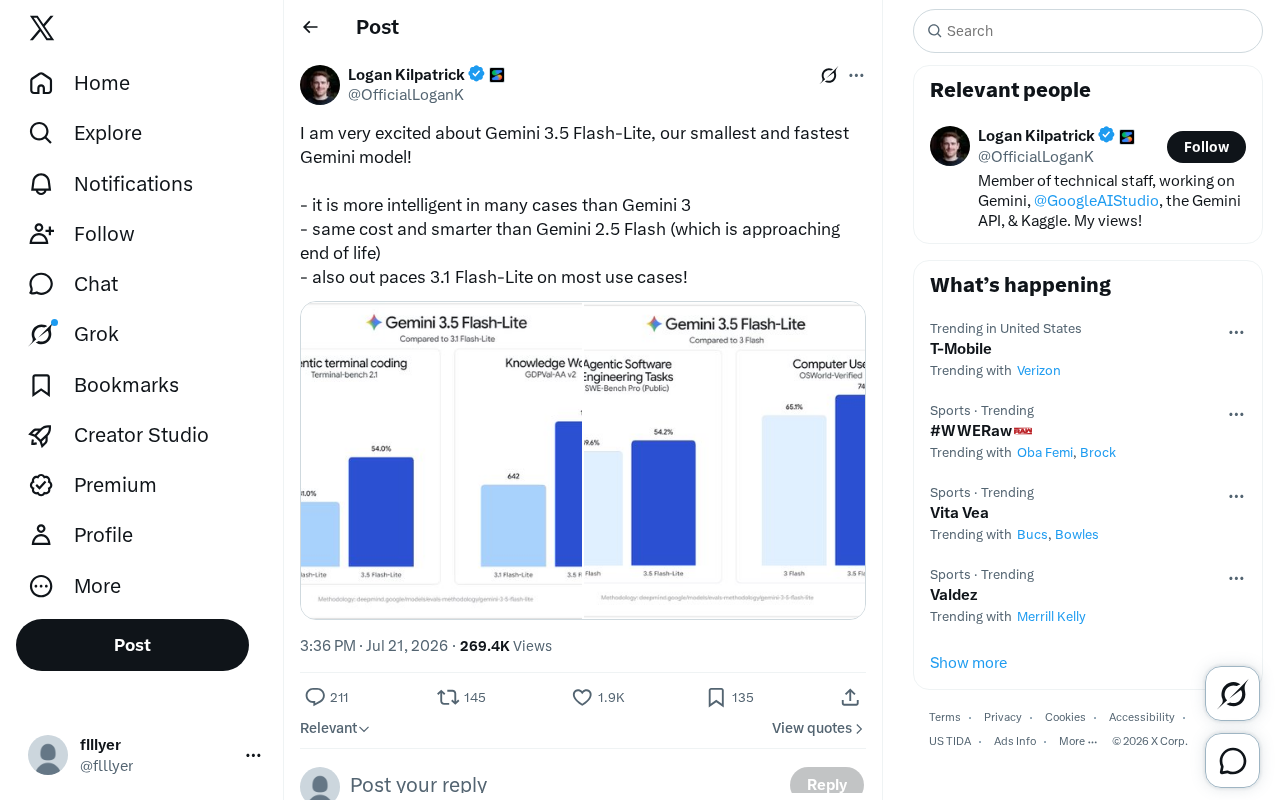
Gemini 3.5 Flash-Lite Released: The Smallest, Fastest Model Outperforms Gemini 3
Google launches Gemini 3.5 Flash-Lite, its smallest and fastest AI model that outperforms Gemini 3 in most scenarios. Learn about its key advantages, cost benefits, and impact on developers.
阅读全文 →
·1 分钟
Gemini Avatar Feature Explained: Set Up Once, Never Upload Selfies Again
Google Gemini launches Avatar feature — set up your digital likeness once to generate personalized AI images anytime without re-uploading selfies. Powered by Nano Banana for identity consistency.
阅读全文 →

·2 分钟
Gemini 3.6 Flash Leaked: The Flash Series Moves Toward Frontier Territory
Reddit leaks Gemini 3.6 Flash model. The word 'frontier' suggests Google DeepMind is bringing cutting-edge capabilities to the lightweight Flash branch.
阅读全文 →

·4 分钟
Gemini API in Practice: Building AI Agents with Files
Google's official hands-on: how to go from idea to production fast with AI Studio and build AI Agents using the now-GA Interactions API. The core idea—Agents are just combinations of files.
阅读全文 →

·5 分钟
Gemini API in Practice: Building AI Agents with Files
Official Google hands-on: go from idea to production fast with AI Studio, and build AI Agents with the now-GA Interactions API. The core idea: an Agent is just a composition of files—Markdown plus a few scripts, no complex Python loops needed.
阅读全文 →

·3 分钟
The AI Coding Landscape: Model Tiers, Tool Camps, and a Deep Dive into MCP/Skills/CLI
A systematic map of today's AI coding landscape: the evolution from ChatGPT to Claude Code, LLM capability tiers, tool camps like Cursor/Copilot, and the three key weapons of the Agent era — MCP, Skills, and CLI.
阅读全文 →
·2 分钟
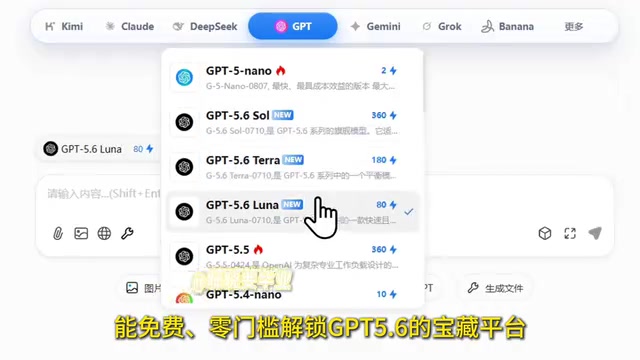
Beware of AI Aggregator Scams: The Truth Behind Fake Models Like "GPT 5.6"
Fake AI platforms claim to offer "GPT 5.6" and "Claude 5" — models that don't exist. Learn the real risks: data theft, scams, and how to safely use AI tools.
阅读全文 →

·3 分钟
Alibaba's 2.4 Trillion Parameter Qwen Model: Separating Technical Substance from Marketing Hype
Alibaba's Qwen releases a 2.4T parameter MoE model claiming to be 'second only to Gemini 2.5.' We break down what's real—and what's just hype.
阅读全文 →
·2 分钟
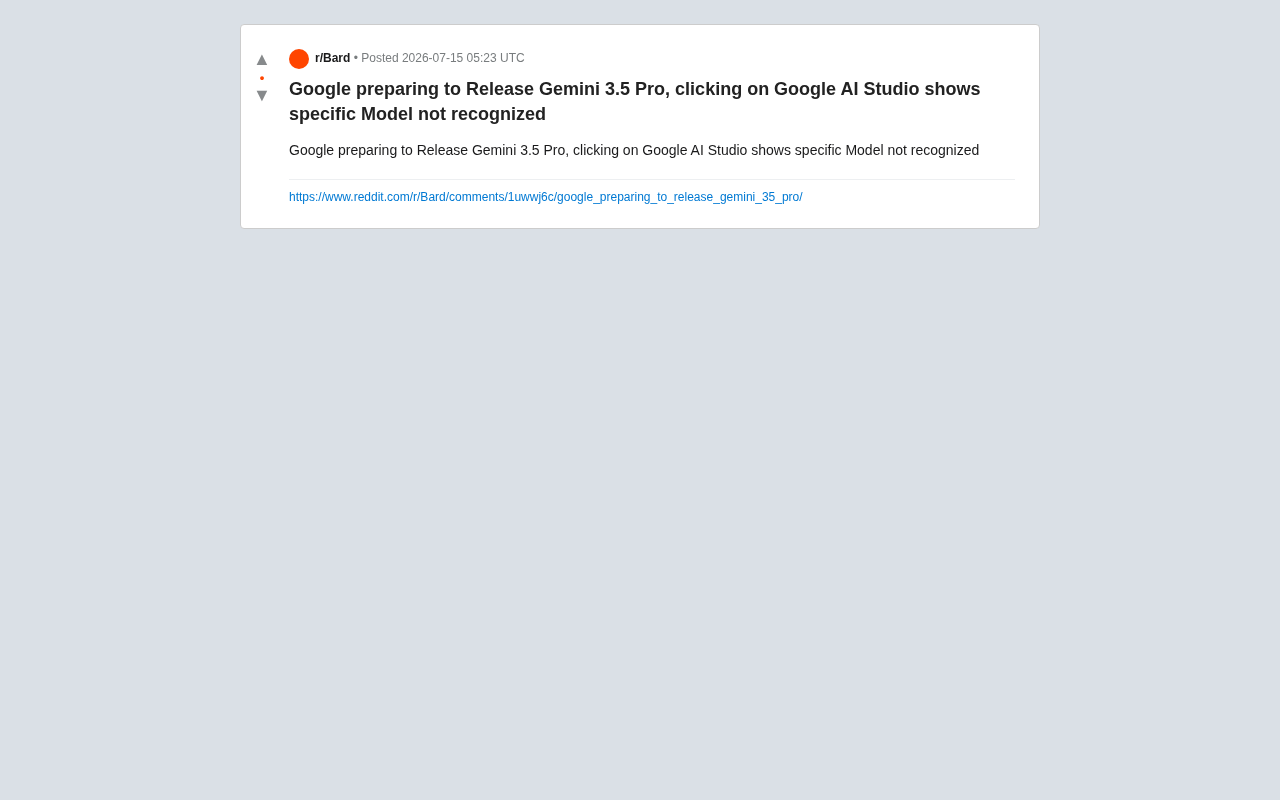
Gemini 3.5 Pro Coming Soon? AI Studio Leaks a Key Clue
A user spotted a suspected Gemini 3.5 Pro model identifier in Google AI Studio, triggering a 'Model not recognized' error. We break down the leak, naming strategy, and what it means for developers.
阅读全文 →
·2 分钟
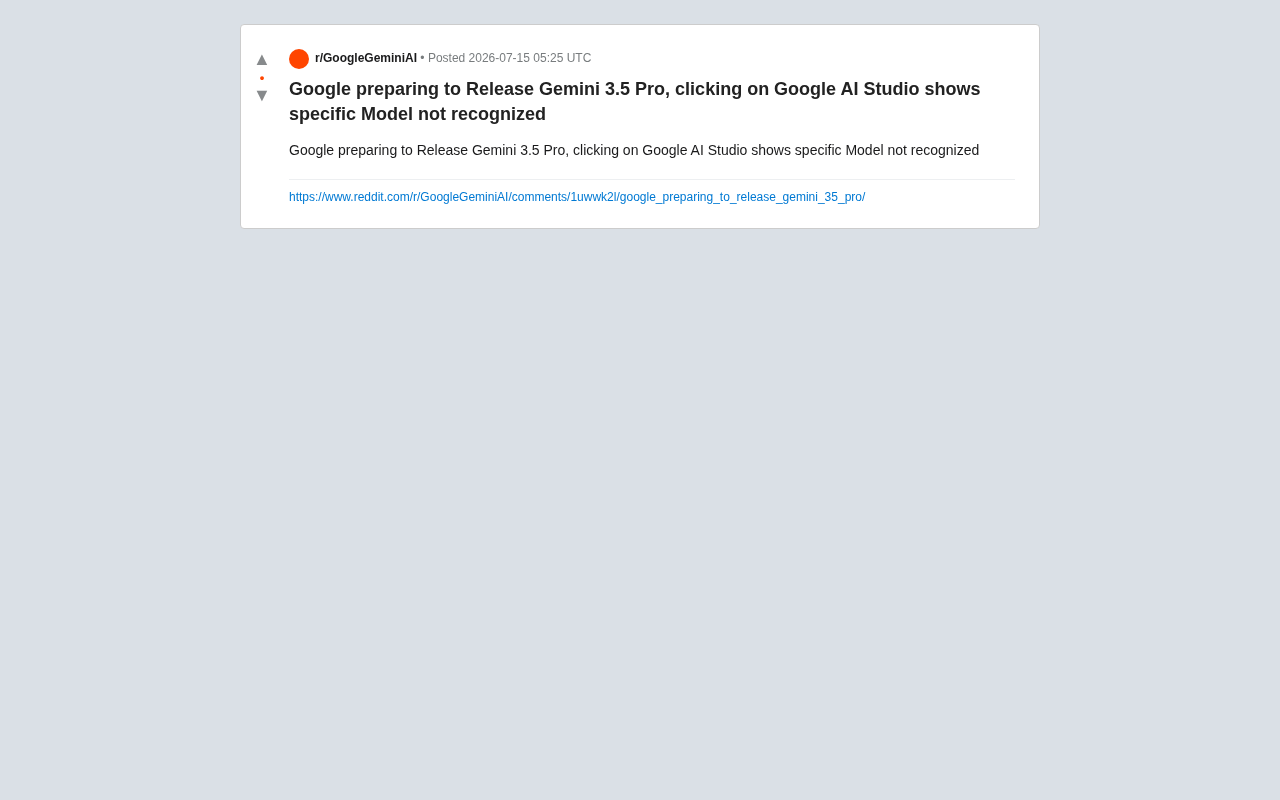
Gemini 3.5 Pro Spotted in Google AI Studio — Is a New Flagship Model Coming?
A Reddit user spotted "Gemini 3.5 Pro" listed as unrecognized in Google AI Studio. We break down the technical signals, naming logic, and strategic implications.
阅读全文 →
·2 分钟
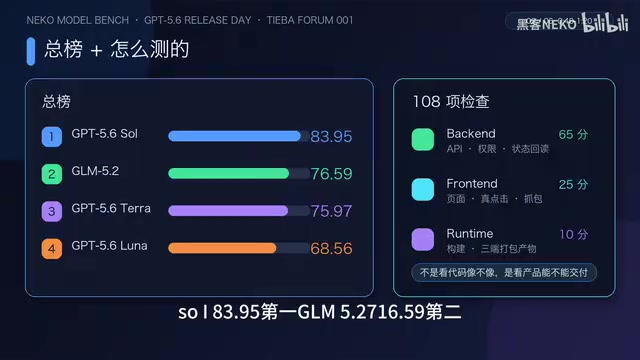
GPT 5.6 Three-Version Benchmark: What Makes Sol, Terra, and Luna Worth the Price Difference?
GPT 5.6's Sol, Terra, and Luna tested across 108 engineering checks. Backend scores tie between Sol and Terra — the real gap is in frontend and packaging delivery.
阅读全文 →

·3 分钟
AI Agent Home Server Selection Guide: Low-Cost OpenClaw Deployment in Practice
Discover why AI Agents burn through API budgets fast, and how to deploy OpenClaw on a home server using Ollama, DeepSeek, and Gemini in a cost-effective hybrid setup.
阅读全文 →
·3 分钟
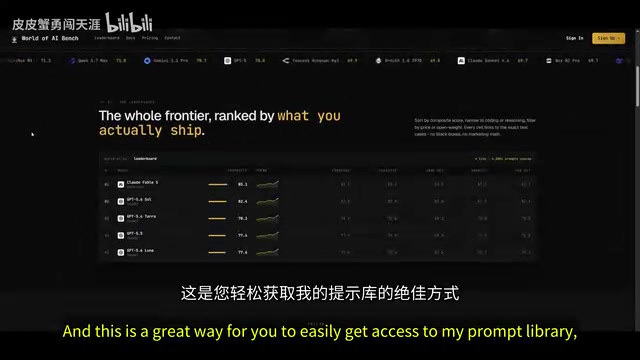
DeepSeek V4 Coming Soon: Flash Version May Surpass HY3, GPT-5.6 Reasoning Budget Quietly Cut
DeepSeek V4 drops this month with native vision; OpenAI quietly cut GPT-5.6 reasoning budget; Anthropic extends Fable 5 access ahead of GPT-6; Seedance 2.5 hits 180s 4K video generation.
阅读全文 →

·3 分钟
Codex Merges into ChatGPT: GPT-5.6's Three Tiers Explained — Sol, Terra, and Luna
Codex merges into ChatGPT with a new Work Mode. GPT-5.6 splits into Sol (flagship), Terra (balanced), and Luna (lightweight). Full breakdown of capabilities, costs, and how to choose.
阅读全文 →
·3 分钟
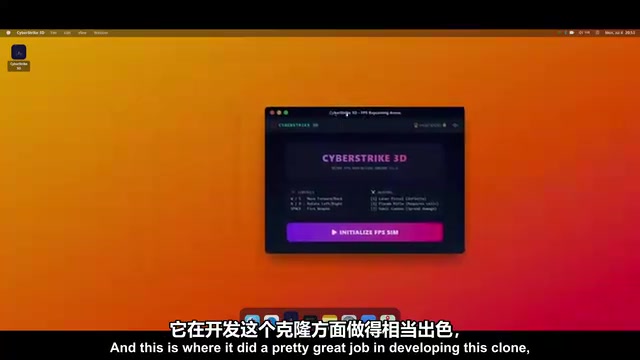
Tencent Hunyuan HY3 In-Depth Review: How a Small Open-Source Model Punches Above Its Weight
In-depth analysis of Tencent's open-source reasoning model Hunyuan HY3: MoE architecture, 295B total params, Apache 2.0 license, coding & front-end rivaling DeepSeek V4 Pro at 1/35 the cost.
阅读全文 →
·3 分钟
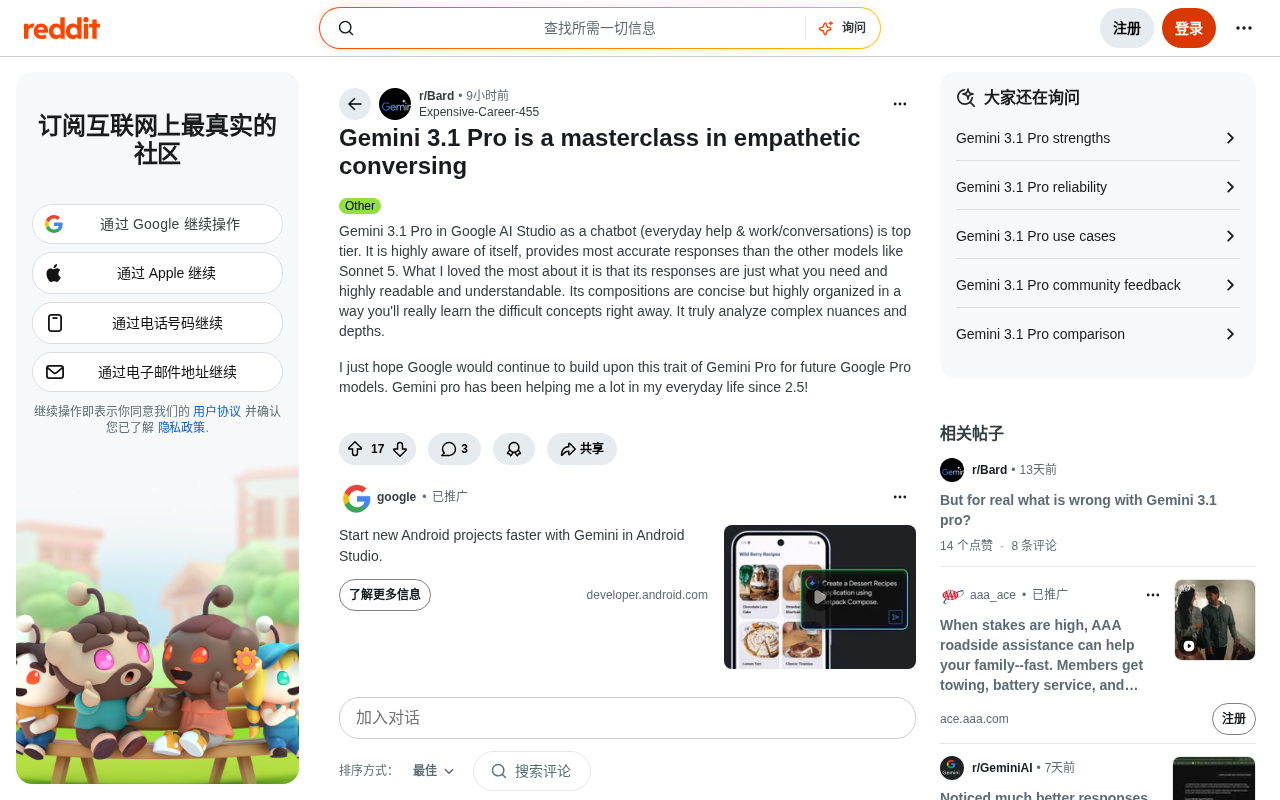
Gemini 3.1 Pro Review: Why Its Empathetic Conversation Style Keeps Users Coming Back
A longtime user calls Gemini 3.1 Pro "a masterclass in empathetic conversing" — concise, context-aware, and intent-driven. We break down why empathy is becoming AI's new competitive frontier.
阅读全文 →

·3 分钟
In-Depth Testing of GPT-5.6's Three Models: A Full Analysis of Soul/Terra/Luna Capabilities and Experience
GPT-5.6 launched three models at once—Soul, Terra, and Luna. Flagship Soul dazzled with a Vision Pro drum kit and reviving an old tablet, but the new Work app's frequent errors and export failures dragged down the experience.
阅读全文 →

·5 分钟
Practical AI Cost Optimization: A Deep Dive into Intelligent Routing and Context Compaction
AI bills keep soaring? This article breaks down two core cost-reduction strategies: intelligent routing via an LLM Gateway, and context compaction to cut Token usage—no major refactoring needed.
阅读全文 →

·5 分钟
Gemini 3.5 Pro Delayed Again: Google's Compute Dilemma and the Mystery of a Full Rebuild
Gemini 3.5 Pro is delayed again, yet the community's reaction is surprisingly calm. This article dives deep into Google's compute cost pressures, the risks of a full architectural rebuild, and DeepMind's long-term strategy.
阅读全文 →