#NPU
3199 related articles

·1 min
Radxa Cubie A7Z Real-World Test: 330ms End-to-End Object Detection Latency Under Full NPU Load
Deep analysis of Radxa Cubie A7Z achieving 330ms glass-to-glass object detection latency under full NPU load, covering latency breakdown, practical use cases, and edge AI optimization strategies.
Read more →

·2 min
WisprGemma: Fully Local In-Browser Voice Input — Your Audio Never Leaves Your Device
WisprGemma is an open-source, browser-local voice input tool built on WebGPU and Transformers.js. One Gemma model handles speech recognition and text polish — your voice never leaves your device.
Read more →

·3 min
Double Your Vibe Coding Efficiency: Replace Keyboard Typing with Voice Input for Requirements
Learn how to use Windows' built-in voice input (Win+H) to boost Vibe Coding efficiency. Voice input is 2-4x faster than typing — zero cost, hands-free AI programming.
Read more →

·2 min
XiaoWu Voice Input Method: Powered by Local LLMs for Accurate Offline Speech Recognition
XiaoWu is a fully local AI voice input method powered by on-device LLMs for accurate offline speech recognition, smart punctuation, and minimalist interaction — no internet required.
Read more →
 Product Reviews
·2 min
Doubao Input Method Mac Edition Review: A Voice Input Efficiency Revolution for AI Programming
In-depth review of Doubao Input Method for Mac in AI programming scenarios, analyzing how voice input solves developer efficiency pain points when writing Prompts frequently.
Read more →
 Tech Frontiers
·2 min
Gemini Omni Video Generation: One-Click Synthesis from Mixed Text, Image, and Video Inputs
Detailed guide to Google Gemini Omni's multimodal video generation: mix text, images, and video inputs to synthesize coherent 10-second videos with one click.
Read more →

·2 min
Kimi K3 Launches on Telnyx Inference API: A New Path for Chinese LLMs Going Global
Moonshot AI's Kimi K3 is now available on Telnyx Inference API. Explore how Chinese LLMs are entering global developer ecosystems through third-party inference platforms.
Read more →

·3 min
The "Observer" Illusion After Returning to Earth: The Hidden Aftereffect of How Space Alters Consciousness
After long-duration space missions, astronauts report a persistent third-person "observer" sensation. This article analyzes this dissociative experience and its implications for consciousness research and deep space exploration.
Read more →

·3 min
Using AI Agents to Write Research Experiment Logs: A Complete Methodology and Workflow
A detailed guide on using AI Agents to build Research Logs for scientific experiments, covering skeleton structure, daily workflows, pre-experiment thinking standards, code change tracking, and Agent-researcher division of labor.
Read more →

·5 min
A Beginner's Guide to Prompt Engineering: From One-Off Instructions to a Systematic Methodology
A beginner's guide to prompt engineering covering the four functions of prompts, the key differences from prompt engineering, a six-step systematic workflow, and critical technical and practical limitations.
Read more →

·3 min
Three Essential Hard Skills Traditional Product Managers Need to Transition into AI PM
How can traditional product managers transition to AI PM? This article analyzes the essential differences and details three must-have skills: AI product cognition, advanced Prompt engineering, and large model technical logic.
Read more →

·2 min
Zero-Code Guide to Coze: A Complete Beginner's Guide to AI Agent Development
A detailed guide to ByteDance's Coze platform covering agent building, workflow orchestration, and knowledge base management to help beginners start AI app development with zero coding.
Read more →

·3 min
Using AI Agents to Write Research Experiment Logs: A Complete Methodology and Workflow
Learn how to use AI Agents to build a Research Log for scientific experiments, covering structure, daily workflows, pre-experiment thinking, code change tracking, and human-AI division of labor.
Read more →
·3 min
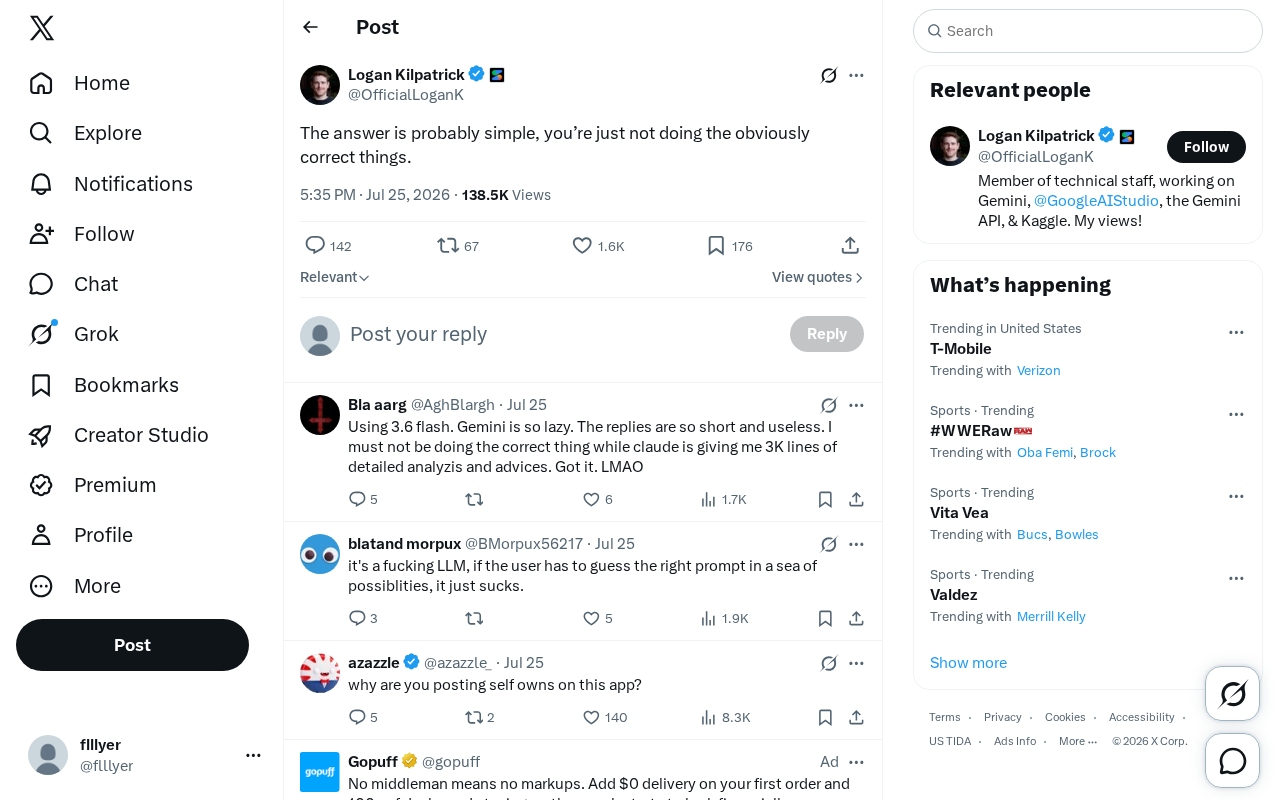
AI Not Performing Well? Start by Getting These Simple but Often Overlooked Things Right
When your AI system underperforms, the problem is often not the model or algorithm — it's basic work like data cleaning, prompt writing, and evaluation that hasn't been done right.
Read more →
·3 min
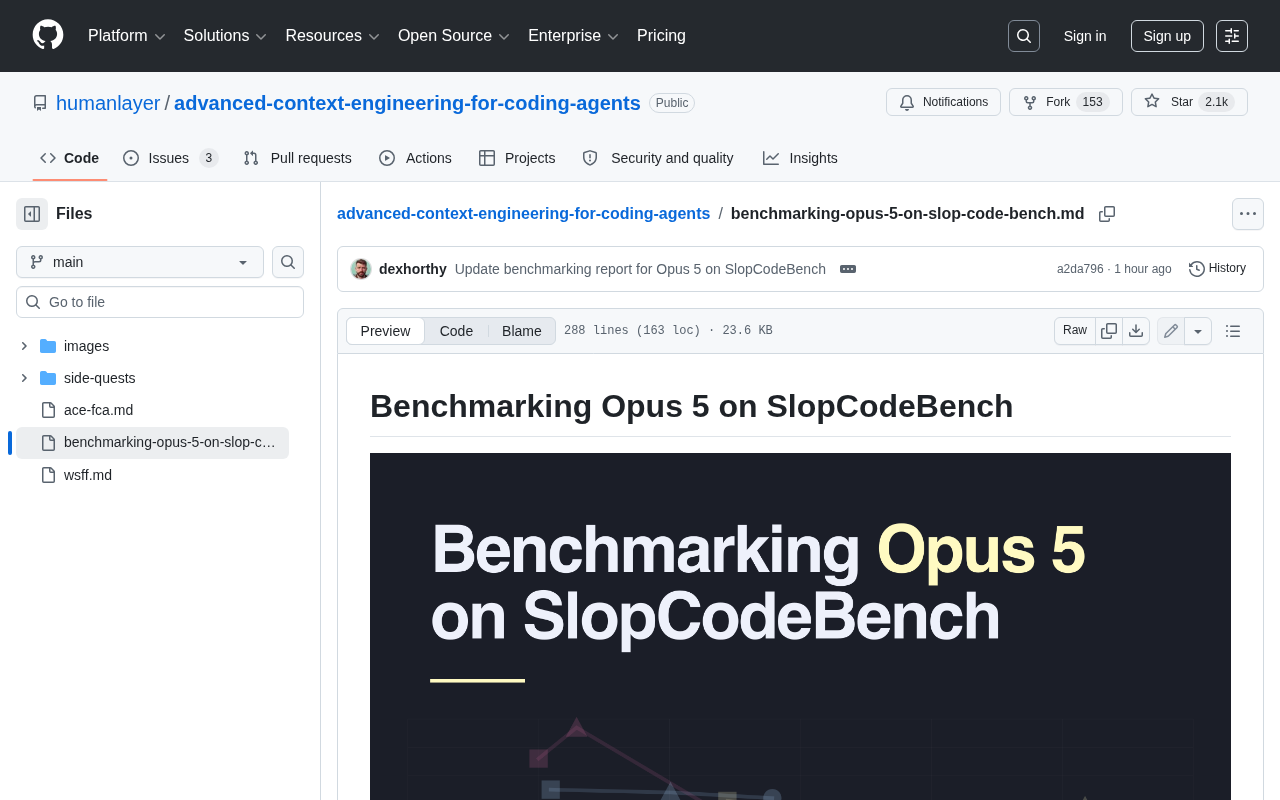
SlopCodeBench: Why AI Code Benchmarks Are Failing
SlopCodeBench sparks deep reflection on AI code evaluation. From benchmark contamination to pass-rate pitfalls, exploring why current benchmarks fail to measure real code quality.
Read more →
·3 min
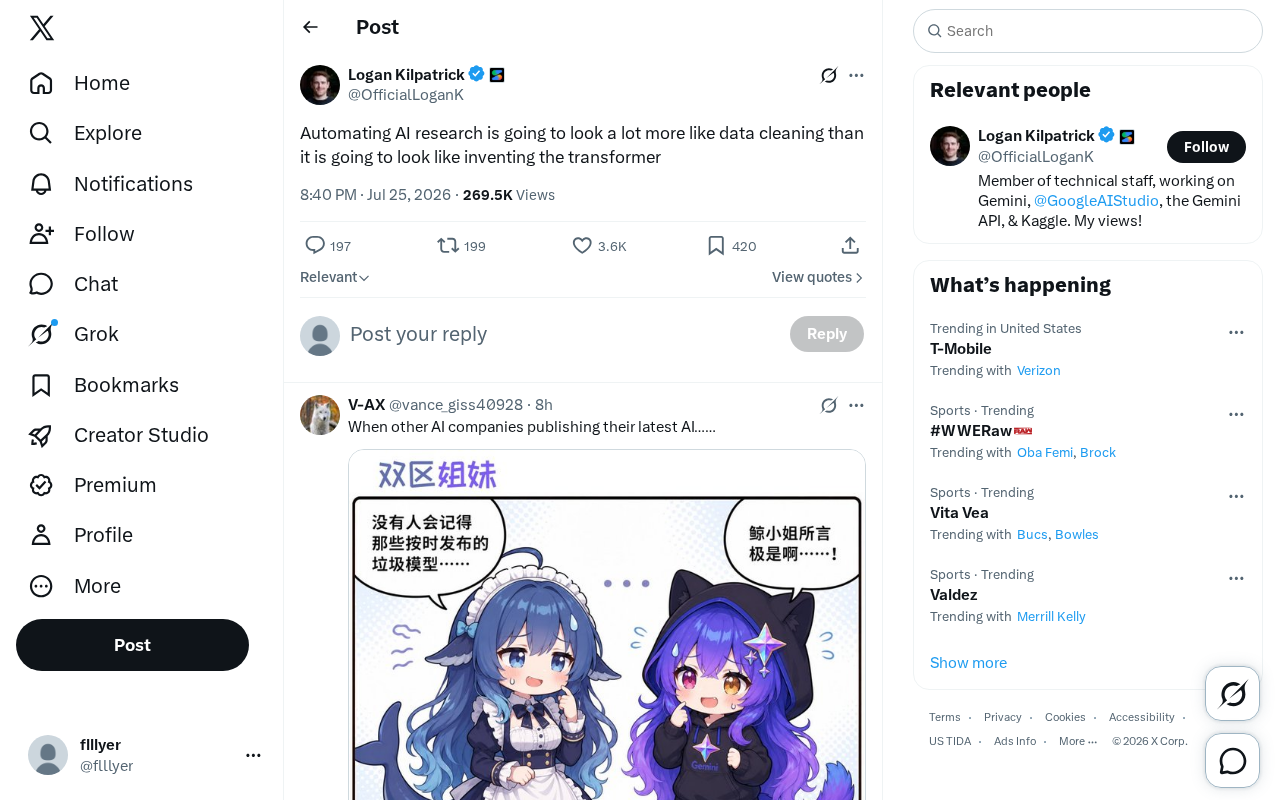
AI Research Automation: More Like Data Cleaning Than Inventing the Transformer
AI research automation will look more like data cleaning than inventing the Transformer. Explore how automating 60%-80% of repetitive research work reshapes the AI research paradigm.
Read more →
·3 min
AI Research Automation: More Like Data Cleaning Than Inventing the Transformer
Why AI research automation looks more like data cleaning than inventing the Transformer. Exploring the value of automating 60%-80% of repetitive research work and how human-AI collaboration reshapes the research paradigm.
Read more →
·2 min
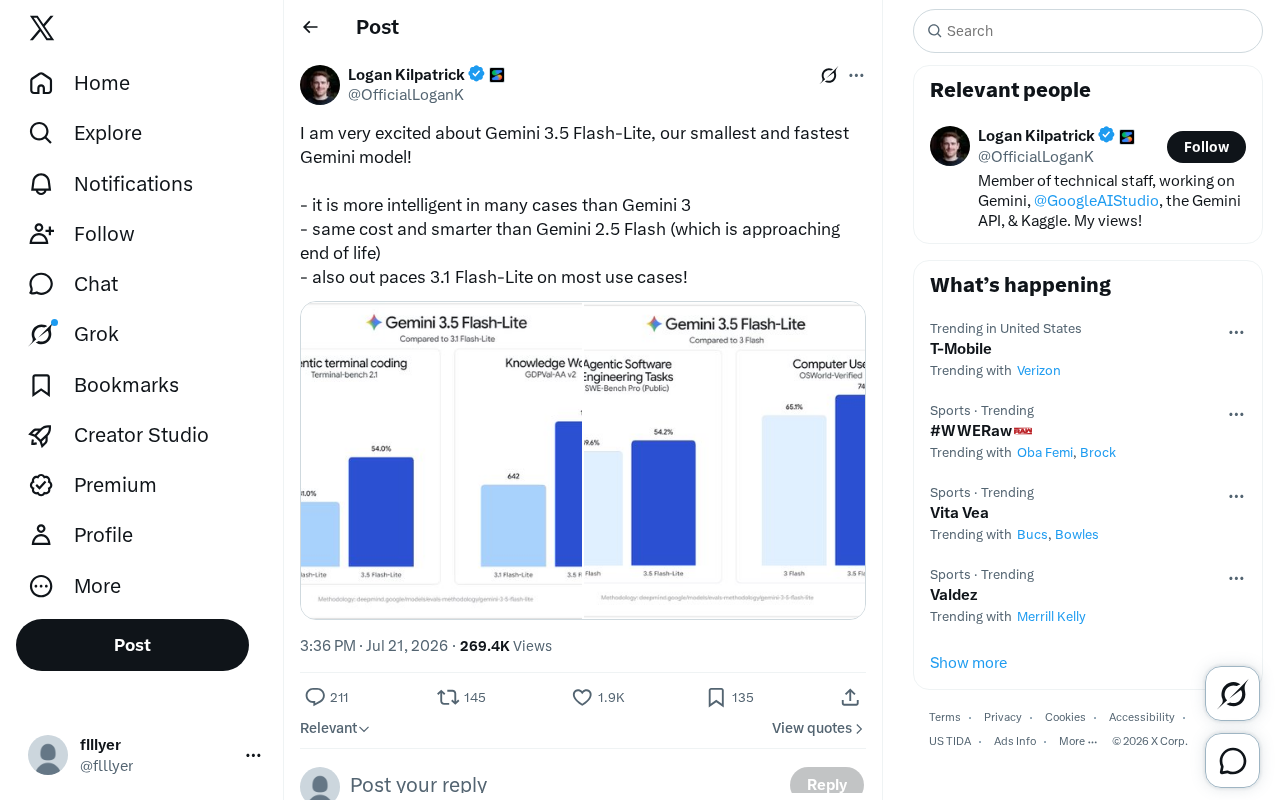
Gemini 3.5 Flash-Lite Released: The Smallest, Fastest Model Outperforms Gemini 3
Google launches Gemini 3.5 Flash-Lite, its smallest and fastest AI model that outperforms Gemini 3 in most scenarios. Learn about its key advantages, cost benefits, and impact on developers.
Read more →
·3 min
AI Not Working Well? Start by Getting These Simple but Often Overlooked Things Right
When AI systems underperform, the problem often isn't the model or algorithm — it's that basics like data cleaning, prompt writing, and evaluation aren't done right. Learn the simple fixes that matter most.
Read more →

·3 min
The Open-Weights Model Debate: Balancing Safety and Openness
An in-depth analysis of the open-weights model debate: public release brings transparency and innovation, but raises safety and misuse risks. Exploring tiered release, red-teaming, and governance challenges.
Read more →