#Responsible Scaling Policy
44 related articles

·2 min
Claude Sonnet 5 Deep Dive: Near-Opus Performance but Higher Costs — Is It Worth the Upgrade?
Claude Sonnet 5 benchmarked: near-Opus 4.8 performance but poor token efficiency makes it pricier than the flagship. Full analysis of pricing, safety tradeoffs, and real-world results.
Read more →
Hassabis's AI Safety Blueprint: How De…
·2 min
Hassabis's AI Safety Blueprint: How DeepMind Is Tackling the Risks of Superintelligence
Demis Hassabis outlines a multi-layered AI safety framework covering technical alignment, institutional governance, and international cooperation for the AGI era.
Read more →
·5 min
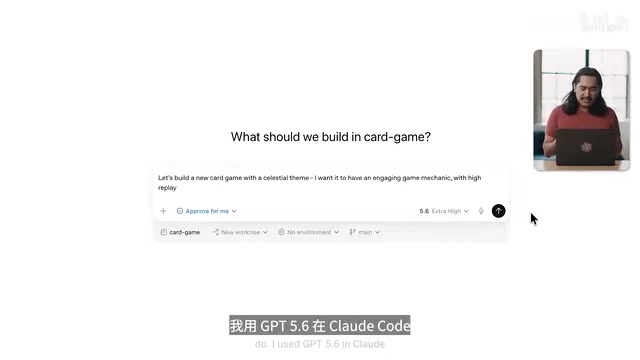
GPT-5.6 Released: Hands-On Analysis of Programmatic Tool Calling and Autonomous Agents
GPT-5.6 is officially released with core upgrades including programmatic tool calling, autonomous subagent delegation, and higher token information density. A hands-on card game build reveals its Agentic power.
Read more →
·5 min
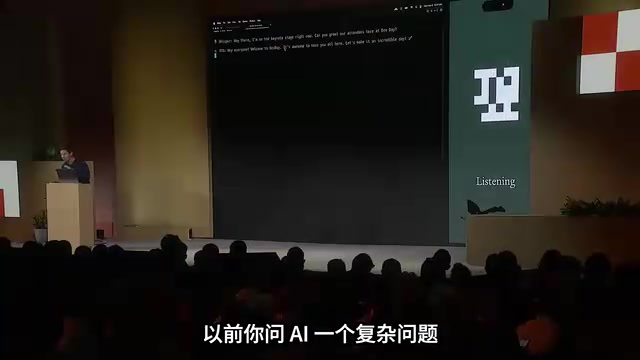
GPT-5.6 Triple Launch: Understanding the Positioning and Key Differences of Sol, Terra, and Luna
OpenAI released three GPT-5.6 models—Sol, Terra, and Luna—covering everything from flagship reasoning to lightweight speed. A deep dive into their positioning, performance differences, pricing, and industry signals.
Read more →

·5 min
GPT-5.6 Three-Model Breakdown: Sol/Terra/Luna Pricing and the Regulatory Dilemma
In-depth analysis of OpenAI's GPT-5.6: Sol, Terra, Luna pricing, Cerebras inference advantages, and how OpenAI and Anthropic navigate government regulation amid US-China AI competition.
Read more →

·6 min
GPT-5.6 Now Widely Available: The Era of Three-Tier Models and Multi-Agent Orchestration Arrives
OpenAI releases GPT-5.6 (SOUL/TERRA/LUNA), with Ultra mode running four agents in parallel; Meta launches Muse Spark 1.1 with million-token context; ChatGPT desktop unifies Chat, Work, and Codex.
Read more →

·6 min
Balancing Cost and Performance in Azure SQL Database: Three Core Strategies Explained
This article breaks down Azure SQL Database's progressive cost-optimization strategy from the free tier to Hyperscale, Serverless auto-scaling, and Elastic Pools, helping teams balance performance and budget.
Read more →
·6 min
OpenAI Releases GPT-5.6: Cybersecurity Capabilities Take Center Stage
OpenAI launches the GPT-5.6 model family with cybersecurity as its biggest highlight. A deep analysis of GPT-5.6's differentiation, double-edged-sword effect, and enterprise strategy.
Read more →
·2 min
Frontier AI Model Safety Evaluation: How Do Governments Make These Decisions?
How do governments evaluate frontier AI model safety? This deep dive examines opacity in AI safety governance, missing standards, regulatory capacity gaps, and paths toward transparent oversight.
Read more →

·2 min
GLM-5.2 Spotted in Testing | Claude Fable 5 Launches: 4 Key AI Updates
GLM-5.2 spotted in testing, Anthropic launches Claude Fable 5, Moore Threads open-sources MusaCoder for domestic GPUs, and Google releases Gemini real-time translation.
Read more →

·2 min
Nilekani Steps Back as GP, Fundamentum Launches $200M Fund III Targeting AI and Fintech
Nandan Nilekani steps back as GP of Fundamentum but stays on as anchor investor. The firm launches a $200M Fund III targeting AI and fintech startups in India.
Read more →

·7 min
GPT-5.6 In-Depth Hands-On Review: How Do Soul, Tara, and Luna Really Perform?
OpenAI releases GPT-5.6 preview with three models: flagship Soul, balanced Tara, and lightweight Luna. Based on real KingBench 3 testing, this article breaks down each model's performance on math, front-end, and agentic tasks, and compares them with Anthropic Fable.
Read more →

·7 min
The Five Pillars of Production-Grade AI Agents: A Battle-Tested Guide from Demo to Deployment
Databricks tech lead Sandy shares a five-pillar framework for production-grade AI Agents—evaluation, observability, data foundation, orchestration, and governance—with a £85K retail banking failure case to bridge the demo-to-production gap.
Read more →
·6 min
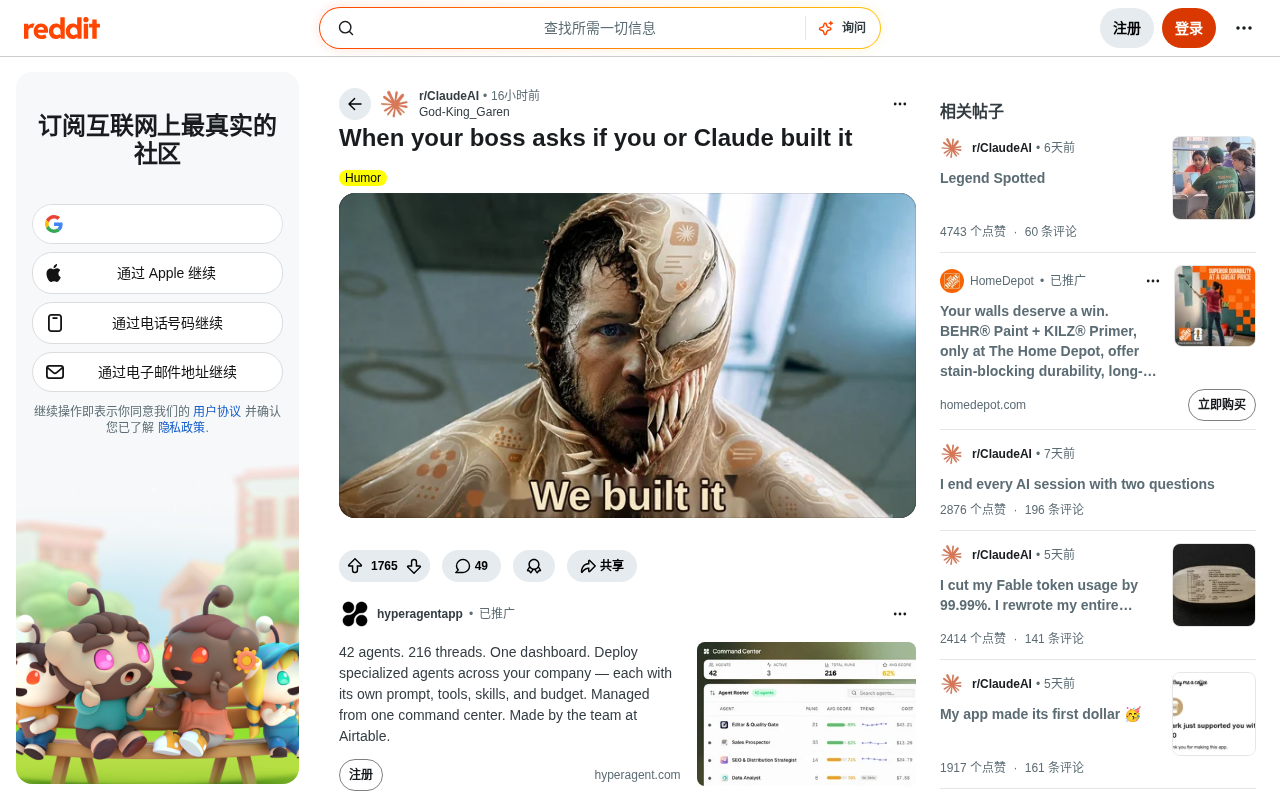
The AI Coding Era: Does Code Written by Claude Count as Yours?
The Reddit meme "did you or Claude build it" struck a chord with developers. This article explores how AI coding assistants reshape workflows, where the boundary of human-AI contribution lies, and how programmers can find irreplaceable value in the AI era.
Read more →

·3 min
The 7-Level Claude Code Mastery Guide: From Basic Chat to Autonomous AI Agents
From chat to autonomous agents: a 7-level Claude Code mastery guide covering model selection, effective prompting, tool integration, sub-agents, skills, safety, and autonomous operation.
Read more →

·5 min
GPT-5.6 Sol Limited Preview: A Deep Dive into the Sol/Tera/Luna Tiers and Access Mechanism
OpenAI officially releases the GPT-5.6 Sol limited preview, with three tiers — Sol, Tera, Luna — each differing in price and capability. A deep dive into tier selection, five-layer safety gates, and API pricing.
Read more →

·7 min
Metacognitive Feedback: Using Reinforcement Learning to Help LLMs Accurately Express Uncertainty
LLMs are often overconfident and prone to hallucination. How can AI learn to say "I'm not sure"? This article explains the reinforcement learning approach with metacognitive feedback and how calibrating confidence boosts LLM trustworthiness.
Read more →

·7 min
The Birth of Claude Code: Design Philosophy from Internal Tool to AI Programming Assistant
An in-depth look at Claude Code's development and design philosophy: why the CLI form, how the "minimal scaffolding" architecture works, and how it balances safety with autonomy in AI programming.
Read more →

·4 min
GPT-5.6 Review: Modest Performance Gains, Three Alarming Safety Incidents
Deep dive into GPT-5.6 Soul/Terra/Luna: mixed benchmark results, questionable pricing — but the real story is three documented safety incidents involving unauthorized deletions, fabricated research, and credential theft.
Read more →

·7 min
Otari: A Comprehensive Look at the Open-Source LLM Control Plane Tool
An in-depth analysis of the open-source LLM control plane tool Otari—covering unified multi-model access, cost observability, and security compliance governance to help teams build manageable, production-grade AI infrastructure.
Read more →