#frontier models
724 related articles
Frontier AI Models Keep Making Element…
·3 min
Frontier AI Models Keep Making Elementary Mistakes: The Reliability Crisis in the GPT-5 Era
Why do frontier AI models like GPT-5 still make basic errors? This deep dive explores the reliability crisis in advanced LLMs, benchmark gaps, and what developers should do.
Read more →
Should Frontier AI Models Like GPT-5.6…
·4 min
Should Frontier AI Models Like GPT-5.6 Be Open-Sourced? A Deep Dive into the Open vs. Closed Debate
Should frontier AI models be open-sourced? This deep dive explores the key debates around democratization, misuse risks, commercial sustainability, and governance — and the middle paths between open and closed.
Read more →

·3 min
Why Frontier AI Models Need Mandatory Third-Party Safety Testing
Exploring why frontier AI models need mandatory third-party safety testing across cybersecurity, biosecurity, and autonomy risks, and the paradigm shift from voluntary commitments to mandatory oversight.
Read more →
GPT-5.5 Instant's Medical Q&A Capabili…
·2 min
GPT-5.5 Instant's Medical Q&A Capabilities Now Match Frontier Reasoning Models
OpenAI announces GPT-5.5 Instant matches frontier Thinking models in health Q&A, with major improvements in emergency recognition, follow-up questioning, uncertainty expression, and plain-language explanations — free for all users.
Read more →

·2 min
GLM-5.2 Passes the Vibe Check: Open-Source Models Officially Enter the Frontier Race
Zhipu AI's GLM-5.2 passes the community vibe check, showing capabilities rivaling top closed-source models. Analysis of what this means for open-source AI.
Read more →
·3 min
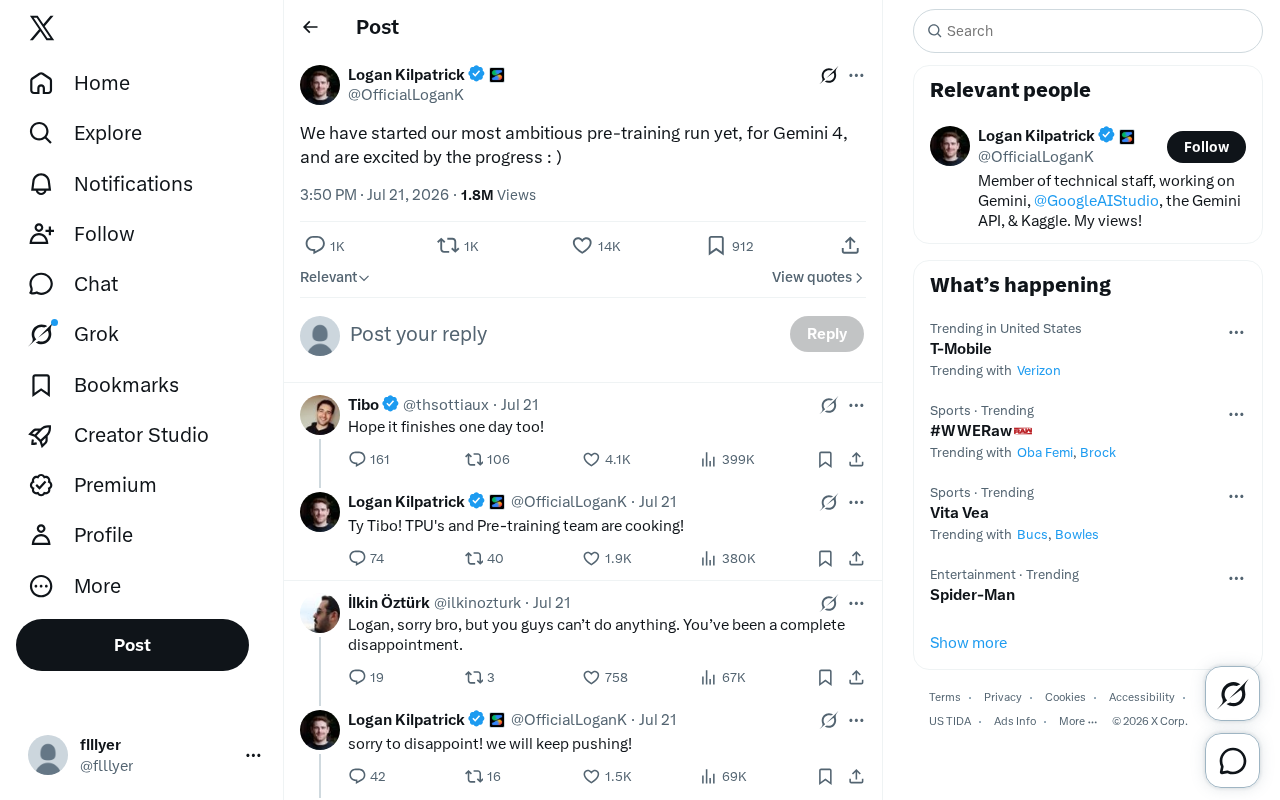
Google Launches Gemini 4 Pre-training: Its Most Ambitious AI Model Training Yet
Google DeepMind announces Gemini 4 pre-training has begun, calling it their most ambitious training yet. A deep dive into its technical direction, compute scale, multimodal breakthroughs, and competitive impact.
Read more →

·3 min
The Open-Weights Model Debate: Balancing Safety and Openness
An in-depth analysis of the open-weights model debate: public release brings transparency and innovation, but raises safety and misuse risks. Exploring tiered release, red-teaming, and governance challenges.
Read more →

·2 min
Will AI End Human History? The Deep Anxiety Behind Technological Optimism
A viral Reddit post asks: will AI end human history? This article analyzes the blind spots of tech accelerationism, the governance mismatch, and how to rationally navigate AI transformation.
Read more →
·3 min
The Open-Weights Model Debate: Balancing Safety and Openness
An in-depth analysis of the open-weights model debate: publicly releasing model weights enables transparency and innovation but raises safety risks. Explores tiered release, red-teaming, and the industry dynamics behind open AI governance.
Read more →

·4 min
What Is the True Nature of Large Language Models? A Super Compressor Analogy to Help You Fully Understand
Large models aren't search engines — they're more like super compressors. This article explains how LLMs compress data to learn semantic patterns, and explores the phenomenon of intelligent emergence.
Read more →

·3 min
Poolside Laguna Model Launch: Can Silicon Valley's Open-Source Push Catch Up to China's AI?
Poolside launches Laguna open-weight model after 18 months of silence, pitting 118B parameters against Kimi K3's 2.8 trillion. Can Silicon Valley's open-source push close the gap with Chinese AI?
Read more →

·3 min
Claude Opus 5 Officially Released: Performance Approaching the Top Tier as the Open-Weight Debate Heats Up Again
Anthropic releases Claude Opus 5 with near-frontier performance at lower prices. Same day, Jensen Huang co-signs open-weight letter with 20+ companies while DeepSeek fundraising rumors surface.
Read more →

·3 min
Chinese Open-Source AI Conquers Silicon Valley: The Industry Upheaval Behind a 58% Compute Share
Chinese open-source AI models surged from under 10% to 58% of U.S. AI consumption. Kimi K3, DeepSeek, and Qwen are reshaping AI cost structures as DoorDash, Airbnb, and other Silicon Valley giants adopt them at scale.
Read more →

·3 min
Kimi K3 Launch: Performance Rivaling Claude at One-Third the Price, US-China AI Gap Narrows to 3 Months
Moonshot AI launches Kimi K3 reasoning model with performance rivaling Claude and OpenAI's top models at one-third the price. The US-China AI gap narrows from 6-12 months to just 3 months.
Read more →

·3 min
DeepSeek Ignites Open Source vs. Closed Source Debate in Silicon Valley, Splitting Tech Giants into Rival Camps
DeepSeek's open source model shakes Silicon Valley. OpenAI defends closed source while Microsoft, NVIDIA, and Meta back open ecosystems. Analysis of the AI open/closed source debate, Apple-Micron chip tensions, and AI-driven historical disinformation.
Read more →

·3 min
Open Source vs. Closed Source: Who Will Win the US-China AI Battle?
Chinese open-source models DeepSeek and Kimi K3 are challenging OpenAI's closed-source dominance. Analyzing the business logic, chip ecosystems, and US-China strategic dynamics behind the open vs. closed AI debate.
Read more →
·3 min
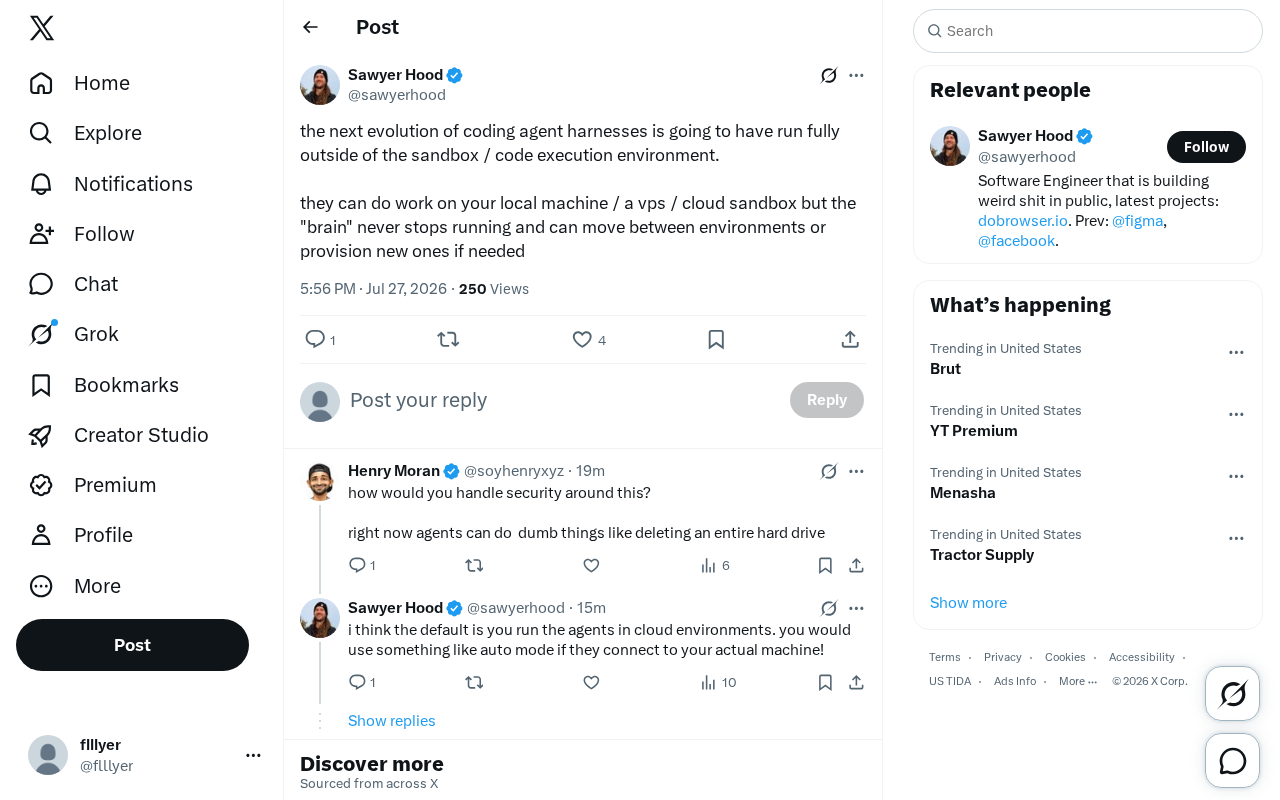
The Next Evolution of Coding Agents: Letting the Brain Break Free from the Sandbox
Exploring the key evolution in coding agent architecture: separating the reasoning core from code execution environments to decouple control and execution planes.
Read more →

·2 min
Claude as Music Partner: The AGI Moment of AI Paired Creation
A developer added a DAW to their agentic dev environment with Claude, then paired with AI to finish music — experiencing a true AGI moment in creative collaboration.
Read more →

·4 min
What Is the True Nature of Large Language Models? A Super Compressor Analogy That Makes Everything Click
LLMs aren't search engines — they're more like super compressors. This article explains how large models compress corpora to learn semantic patterns, and explores the principles and limitations of emergent intelligence.
Read more →

·3 min
Jensen Huang's First Tweet Backs AI Open Source — But It's Really About NVIDIA's Ecosystem Anxiety
Jensen Huang's first tweet backs AI open source, but behind it lies NVIDIA's deep anxiety over CUDA ecosystem displacement. We analyze why open-source models matter and what's really at stake.
Read more →