#tabular foundation model
21 related articles

·3 min
TabFM: A Zero-Shot Foundation Model for Tabular Data That Disrupts Traditional Modeling
TabFM is a zero-shot foundation model designed for tabular data, enabling direct prediction without retraining on new datasets. This article analyzes TabFM's positioning, its relationship to TabPFN, key strengths, and real-world challenges.
Read more →

·3 min
Zero-Code Research: Using AI Agents to Run Complete Machine Learning Experiments
No coding required: use AI agents like Codex and Claude Code to complete full ML experiments via natural language. A real case study with a heart disease dataset.
Read more →

·3 min
No-Code Research: Using AI Coding Tools to Complete the Full Machine Learning Pipeline
No coding skills? No problem. Learn how AI tools like Codex and Claude Code let researchers complete ML workflows — data cleaning, model training, visualization — using only natural language.
Read more →

·2 min
The Truth Behind Anthropic's Account Bans: Client Detection Logic and a Wave of AI Model Launches
Unpacking the technical truth behind Anthropic's account bans: hidden timezone and proxy detection logic sparks privacy debate. Plus Claude Sonnet 5, Linux support, and new releases from OpenAI, NVIDIA, and Google DeepMind.
Read more →

·2 min
RL3: A Zero-Code Reinforcement Learning Platform Where You Train Agents by Dragging and Dropping
RL3 is a zero-code, browser-based reinforcement learning platform featuring drag-and-drop environment design, visual reward configuration, and Q-learning/PPO training. Built by an indie developer over 15 months to make RL accessible to everyone.
Read more →

·1 min
The Rise of Synthetic Datasets: How ML Researchers Are Solving the Data Shortage with Free Samples
Synthetic data is reshaping ML research. This guide covers generation methods, key applications in finance and healthcare, and critical pitfalls like synthetic bias.
Read more →

·2 min
Leaving Perplexity Pro After Two Years: How to Export Your Data and Find the Right Alternative
A 2-year Perplexity Pro user explains why they're leaving. Covers how to export chat history in JSON/PDF/Excel, and compares Google Gemini, ChatGPT, and Claude as alternatives.
Read more →

·3 min
Claude Code + Skills in Action: A Complete Guide to Automated Test Case Generation
How Claude Code + Skills automates test case generation in 3 phases: requirements breakdown, test point extraction, and case generation — 10x faster than manual writing.
Read more →

·3 min
Zer0Fit: Connecting Google's TabFM and TimesFM to LLM Chat Interfaces via MCP
Zer0Fit wraps Google's TabFM and TimesFM foundation models as MCP servers, letting users run classification, regression, and time series forecasting through a local LLM chat interface — no ML code required.
Read more →

·4 min
Deep Learning Data Normalization: Global Statistics vs. Per-Image Normalization — A Practical Guide
A deep dive into global vs. per-image normalization in deep learning, with remote sensing segmentation case studies covering data leakage, Min-Max vs. Z-score, and best practices for multi-channel satellite imagery.
Read more →
·4 min
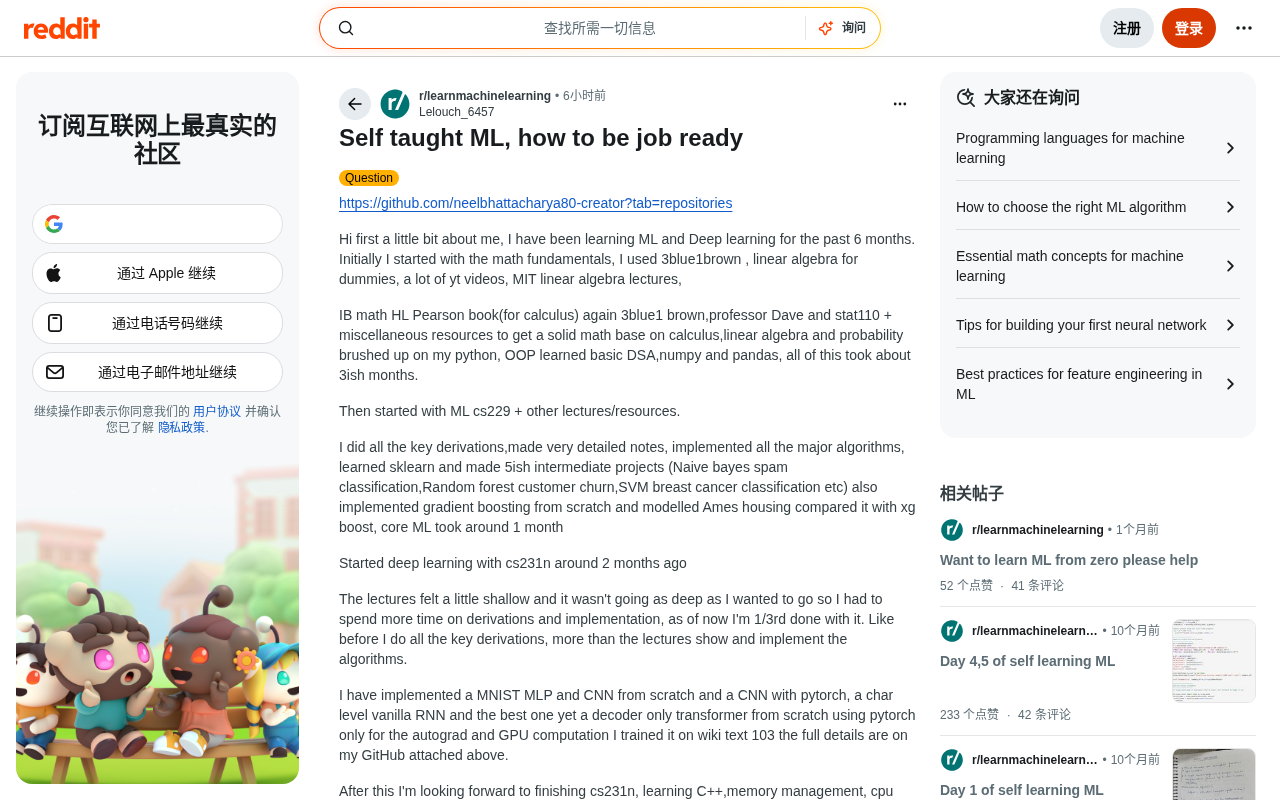
6 Months of Self-Taught Machine Learning: A Complete Roadmap from Zero to Job-Ready
A self-learner completed a full progression from math foundations and core ML to deep learning in 6 months—hand-writing a Transformer and implementing gradient boosting from scratch. This article breaks down the highlights and blind spots of this real roadmap.
Read more →

·6 min
An Efficient Learning Guide for Data Science: Study Partnerships and Hands-On ML in Practice
Struggling to learn data science alone? This article explores the value of study partnerships and pairs them with the classic Hands-On ML textbook to offer a phased learning plan from math foundations to deep learning.
Read more →

·7 min
Training Machine Learning Models from Scratch: A Complete Beginner's Guide
A complete walkthrough of training machine learning models from scratch—covering problem definition, data preprocessing, algorithm selection, hyperparameter tuning, and evaluation, with tool recommendations for beginners.
Read more →

·6 min
Databricks Agent Framework in Practice: A Guide to ChatAgent Wrapping and Production Deployment
A deep dive into Databricks Agent Framework (Mosaic AI): unify LangGraph/OpenAI agents via ChatAgent, log & evaluate with MLflow, version with Unity Catalog, and deploy Model Serving Endpoints for production AI agents.
Read more →
·6 min
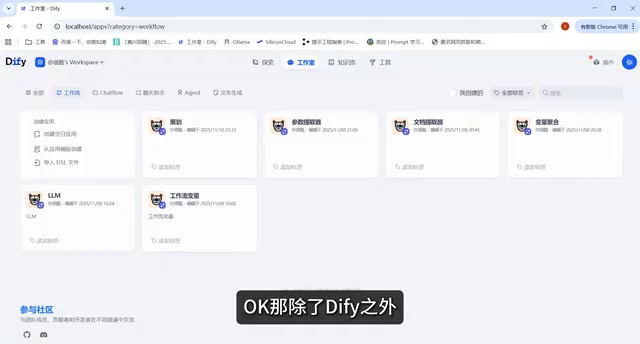
Complete Guide to Deploying Dify Locally: Docker + Ollama + RAG Setup Tutorial
A detailed guide to deploying the Dify agent platform locally: from Docker setup and integrating Ollama + DeepSeek local LLMs to workflow orchestration and RAG knowledge base construction.
Read more →

·4 min
5 Google Search AI Features That Transform Thrift and Vintage Shopping
Google Search and Google Shopping integrate AI features including semantic search, visual recognition, price comparison, and personalized recommendations to help users discover secondhand and vintage items more efficiently.
Read more →

·3 min
Python Self-Study Roadmap: A Three-Phase Learning Method from Zero to Hands-On Projects
A detailed Python self-study roadmap in three phases: fundamentals, OOP & intermediate skills, and hands-on projects including web scraping and office automation.
Read more →
 Tutorials
·3 min
Why Learning AI from Scratch Leaves You More Confused — A Clear, Systematic Roadmap for Beginners
Confused learning AI from scratch? This guide breaks down why fragmented learning fails and provides a complete path from Python to deep learning with practical tips.
Read more →
 Expert Opinions
·4 min
Is HTML Replacing Markdown? A Deep Dive into the AI Output Format Debate
Anthropic's team claims HTML is better than Markdown for AI output, and Karpathy agrees. A deep analysis of HTML's advantages in information density, interactivity, and visualization, plus its limitations in version control and token efficiency.
Read more →
 Tutorials
·3 min
Deep Dive into a 198-Hour Python Zero-to-Hero Course: Is This Learning Path Worth Following?
In-depth analysis of a 198-hour Python+AI beginner course: breaking down its structure, learning path, and projects with honest pros, cons, and study tips.
Read more →