A $7 Ad in 9 Minutes? The Truth and Concerns Behind Low-Cost AI Content Production

AI toolchains compress ad production to $7 and 9 minutes, but creative judgment becomes more valuable than ever.
A viral tweet claiming an ad was made for $7 in 9 minutes reveals how AI is pushing the marginal cost of content production toward zero. Combined AI toolchains for text, image, voice, and editing have shifted ad production from labor-intensive to prompt-intensive, dramatically lowering the barrier for small businesses and enabling rapid A/B testing. However, content homogenization, the "machine feel" that can erode brand trust, and the rising difficulty of moderating AI-generated misinformation are serious concerns. The core conclusion: AI saves execution costs, not creative costs—and as tools become more democratized, human judgment, aesthetic taste, and audience insight only grow more scarce and more valuable.
A Tweet That Made Everyone Think
A post circulating on Twitter read: "This ad cost $7 and took 9 minutes to make." Those few words captured a reality that AI content generation tools are actively dismantling: the traditional ad production model. What once required a film crew, actors, post-production editing, tens of thousands of dollars in budget, and weeks of turnaround time has now been compressed to the price of a coffee and the length of a lunch break.
The reason this tweet spread so widely is that it hit the industry's pain point and excitement point at once: AI is pushing the marginal cost of content production toward zero. For small and medium-sized businesses, independent creators, and marketing professionals, this represents both an enormous opportunity and a transformation that demands careful reassessment.



The Technical Logic Behind $7 and 9 Minutes
Achieving a "$7 in 9 minutes" ad typically requires a combination AI toolchain. A text generation model handles the ad script and copy; an image or video generation model (such as various text-to-video tools) produces the visuals; voice synthesis technology handles the voiceover; and an automated editing tool stitches everything together.
Most of these tools operate on a per-use or subscription pricing model, and the actual compute cost per generation can genuinely be as low as a few dollars. The 9 minutes are spent primarily on writing prompts, filtering generated outputs, and making minor adjustments — the real "production" work has already been handed off to the models.
A Fundamental Shift in Cost Structure
Traditional ad production costs are concentrated in labor, equipment, and time. AI tools convert the bulk of these three factors into a one-time model inference fee. This means ad production has shifted from "labor-intensive" to "prompt-intensive" — creative vision and communication skills become more valuable, while the barrier to execution drops dramatically.
The Opportunities of Low-Cost Content Production
For startups and small teams with limited budgets, this shift is nearly a step-change in capability. Businesses that previously couldn't afford professional ad production can now rapidly generate multiple versions of ad creative, run A/B tests, and identify the highest-converting approach.
Content iteration speed surges as well. When making an ad takes only 9 minutes, marketers can test dozens of creative directions in a single day rather than betting everything on one or two expensive productions. This capacity for "rapid experimentation" is itself a competitive advantage.
Concerns Worth Taking Seriously
Low cost does not equal high quality or high effectiveness. When everyone uses the same tools and the same models to mass-produce ads, the risk of content homogenization follows. Users will quickly develop aesthetic fatigue toward the cookie-cutter AI-generated style, and the actual conversion performance of these ads may suffer as a result.
A deeper issue is brand trust. Once AI-generated visuals and voiceovers are perceived as having a "machine feel," they can actually damage brand image rather than enhance it. Furthermore, the cost of generating false or misleading content has dropped just as much, presenting new challenges for content moderation and platform governance.
The Human Role Hasn't Disappeared
To be clear, what "$7 and 9 minutes" saves is execution cost — not creative cost. What ultimately determines whether an ad succeeds or fails is still the strategy, insight, and creative judgment behind it. AI is an amplifier: it can rapidly bring a great idea to life, but it can just as easily mass-replicate mediocre ones. The more powerful the tool, the more important human judgment becomes.
The Real Lesson From That Tweet
Taken at face value, that tweet looks more like a marketing stunt — using extreme comparative numbers to generate buzz and amazement. But it does reflect an irreversible trend: AI is redrawing the cost curve of content production.
For professionals in the field, the right response isn't panic or blind optimism, but rather a repositioning of where your value lies. When execution becomes cheap, what becomes scarce is judgment, aesthetic sensibility, and a deep understanding of the audience. Those who can use low-cost tools to produce content that genuinely moves people will be the ones who come out ahead in this transformation.
Related articles
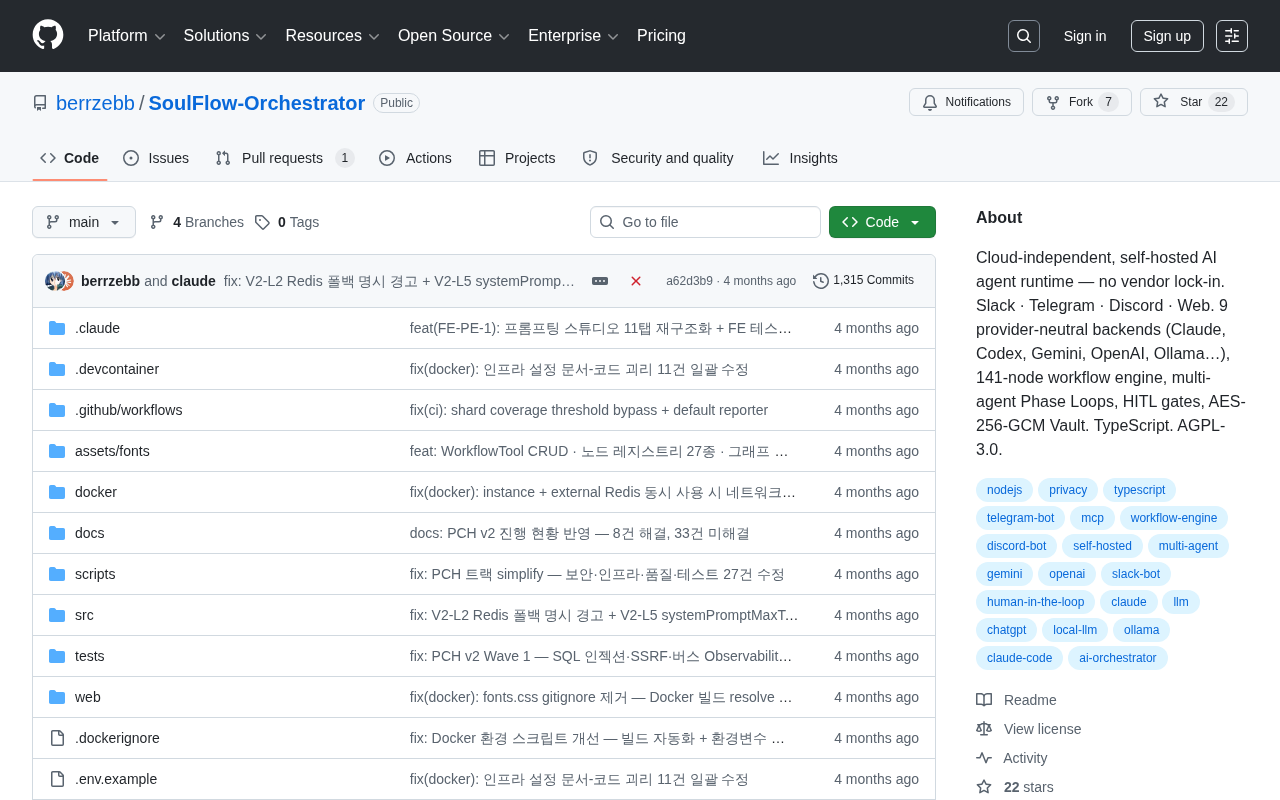
SoulFlow-Orchestrator: A Self-Hosted, Vendor-Lock-In-Free AI Agent Runtime
SoulFlow-Orchestrator is an open-source, self-hosted AI agent runtime with no vendor lock-in. Supports 9 neutral backends (Claude, OpenAI, Ollama), 141-node workflow engine, multi-agent loops, and HITL gates.
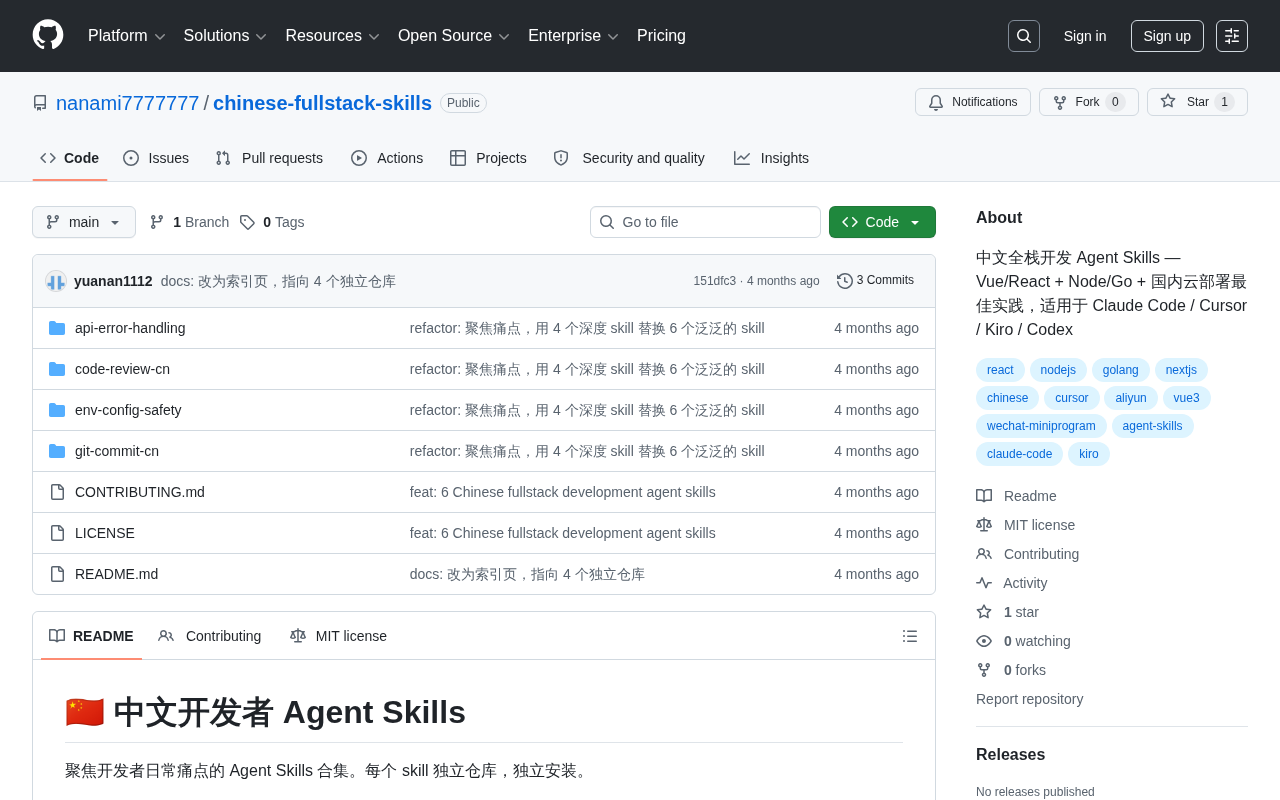
Chinese Full-Stack Agent Skills: A Skill Library Tailored for Domestic AI-Assisted Development
chinese-fullstack-skills is an Agent Skills library for Chinese full-stack development, covering Vue/React, Node/Go, and domestic cloud deployment best practices. Compatible with Claude Code, Cursor, Kiro, and Codex.
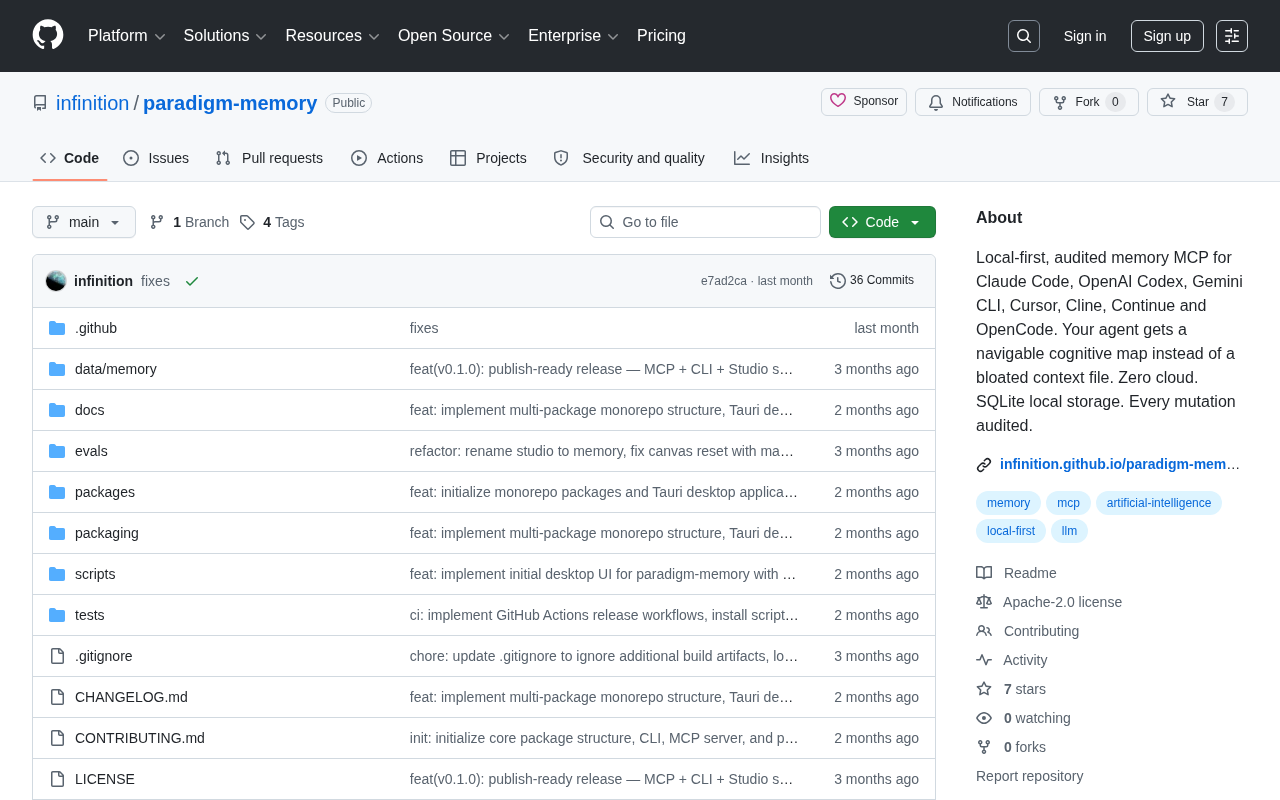
Paradigm Memory: A Local-First Memory System for AI Coding Assistants
paradigm-memory is a local MCP memory tool for Claude Code, Cursor, and Cline. It uses SQLite local storage, zero cloud, full audit trails, and a navigable cognitive map instead of bloated context files.