A Former Qwen Lead's Tweet Sparks Debate: Reading the Signals Behind Open-Source AI Team Shakeups
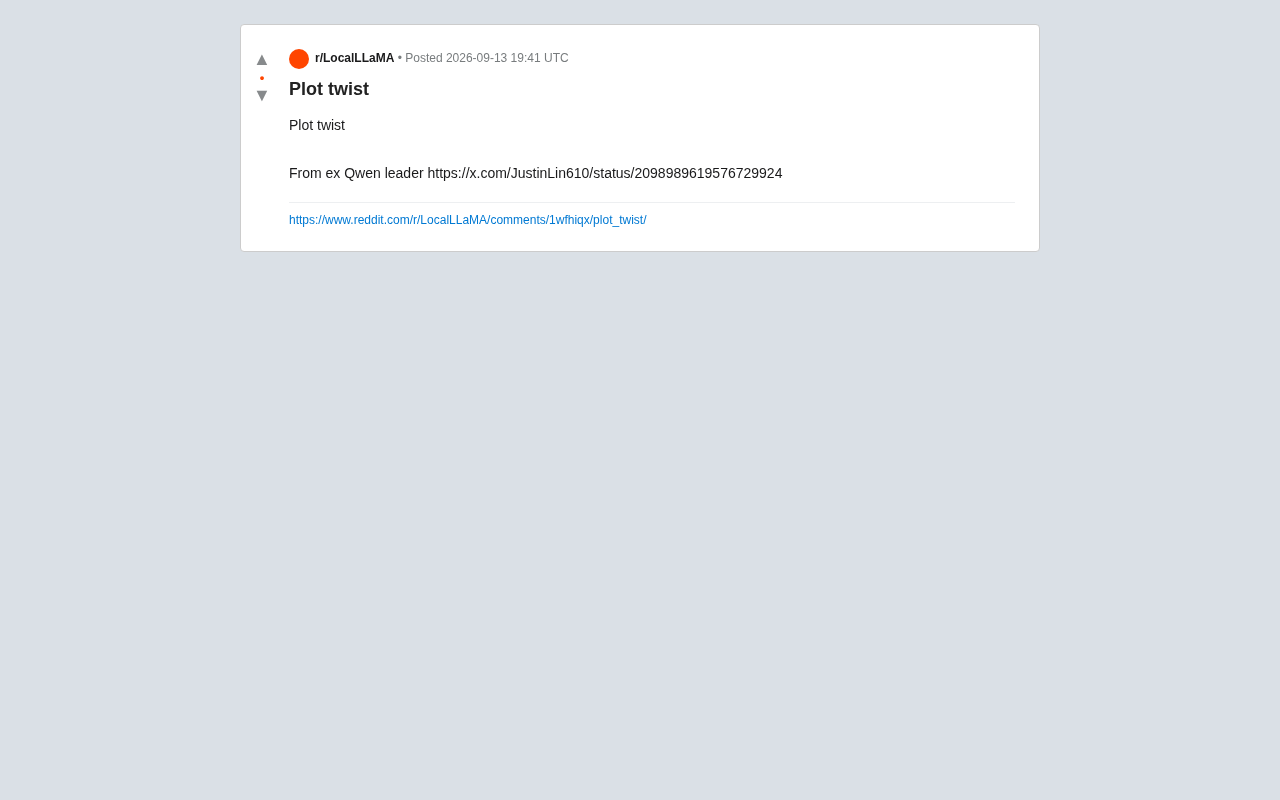
A two-word Reddit post linking to an ex-Qwen lead's tweet has the AI community reading between the lines.
A Reddit post titled simply "Plot twist" went viral in AI circles after linking to a tweet by Justin Lin, the former head of Alibaba's Qwen open-source LLM team. Given Qwen's massive global developer following, even a vague public signal from a core team member fuels speculation about strategic shifts. The article cautions that available information remains extremely thin, and community theories about restructuring or departures lack solid backing. More broadly, it frames talent mobility among top AI teams as an industry norm — one that can spark cross-team innovation but also threatens the long-term stability of open-source projects.
The Industry Ripple Behind a Brief Tweet
A Reddit post has recently sparked widespread discussion across the AI community. The post carried a title of just two words — "Plot twist" — and linked to a tweet from Justin Lin, the former head of the Qwen (通义千问) team.
Despite the sparse details, in today's fiercely competitive open-source LLM landscape, any development tied to a key figure at a leading team is enough to put developers and industry watchers on high alert. Qwen, Alibaba's series of open-source large language models, holds a prominent place in the global open-source model ecosystem, and shifts in its team's personnel or direction are often read as indicators of broader industry trends.
Why the Qwen Team's Moves Matter
The Qwen model series has iterated rapidly over the past year, expanding from foundational language models to multimodal and code-specialized variants that cover a wide range of use cases. On platforms like Hugging Face, Qwen has consistently ranked among the top models by downloads and derivative fine-tunes, making it a go-to base model for many developers.
That's precisely why a public statement from a core team member — even one relayed by the community in dramatic "Plot twist" fashion — gets interpreted as a hint at potential strategic shifts or personal career changes. Competition in open-source AI isn't just about compute and data; it's equally a contest of talent and research direction. The movement of key researchers can directly affect a model series' technical roadmap and release cadence.
Staying Grounded When Information Is Scarce
It's worth emphasizing that the amount of publicly available information here is extremely limited. The Reddit post itself provides nothing more than a link to a social media post, with no accompanying statement or context. Even the characterization of Justin Lin as the "ex Qwen leader" needs to be understood within the full context of the original tweet.
Without access to complete, firsthand information, the various theories circulating in the community — whether about team restructuring, a personal departure, or a new project launch — should all be treated with caution. Information travels fast in the AI world, and out-of-context snippets or over-interpretation can easily give rise to misinformation. For topics triggered by such thin clues, waiting for a formal statement from the individuals involved or from official channels is the more prudent approach.
Talent Mobility in the Open-Source Model Ecosystem
Stepping back from this specific event, the movement of core researchers between leading AI teams has become an industry norm. As the commercialization race for large models intensifies, every career decision made by a senior researcher or team lead can carry with it a transfer of technical capability and research philosophy.
For the open-source community, this kind of mobility is a double-edged sword. On one hand, the dispersal of talent can foster cross-pollination of ideas and drive innovation across different teams. On the other hand, the stability of a core team is directly tied to an open-source project's ability to sustain high-quality, consistent updates. For companies and developers who rely on open-source models like Qwen for downstream development, monitoring the stability of the team behind the base model is an important dimension of assessing long-term technical investment risk.
Closing Thoughts
What this "Plot twist" post ultimately reflects is the community's acute sensitivity to any sign of change among the top players in open-source AI. With the full picture still unclear, the rational response is to follow credible sources for further developments — not to rush to conclusions. Wherever this particular "twist" ultimately leads, every move made by Qwen and its team will continue to be a significant chapter in the ongoing story of open-source AI.
Related articles
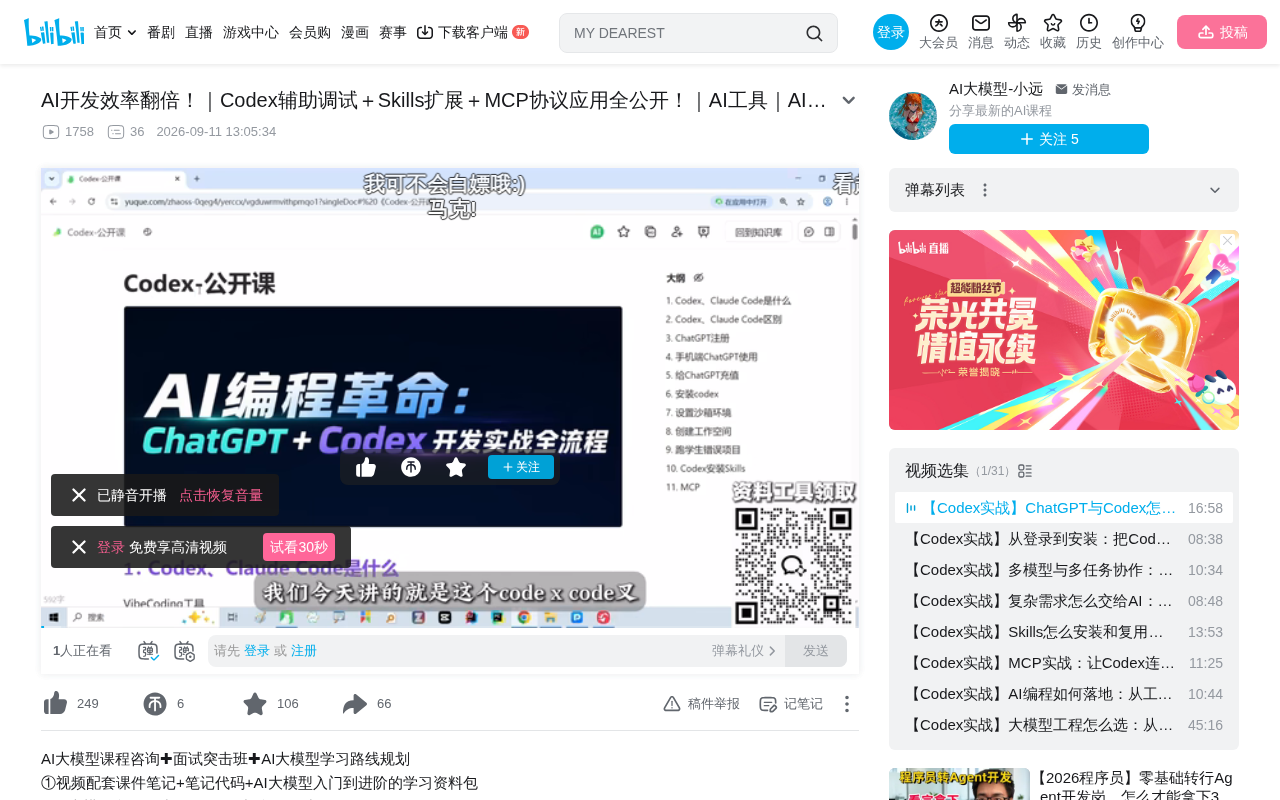
Codex vs. Claude Code: A Beginner's Guide to AI Coding Agents
Codex vs. Claude Code: which AI coding agent should you use? This guide compares both tools and walks beginners through GPT account setup, virtual number platforms, US App Store switching, and subscription cost-saving tips.
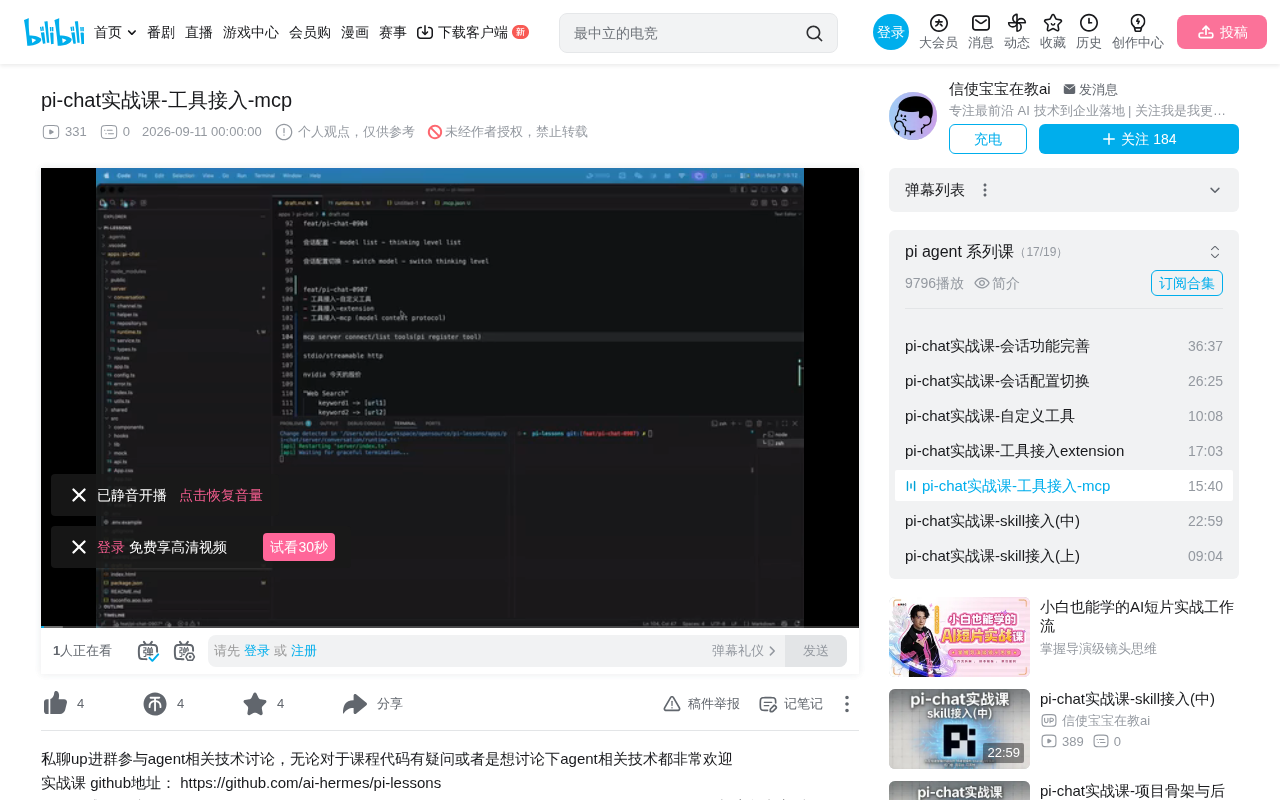
Pi-chat in Practice: Connecting External Tools to AI Agents via MCP Protocol
Learn how to integrate external tools into AI Agents using MCP protocol with Pi framework. Covers pi-mcp-adapter setup, .mcp.json config, Extension Factory initialization, and a live 12306 train ticket query demo.
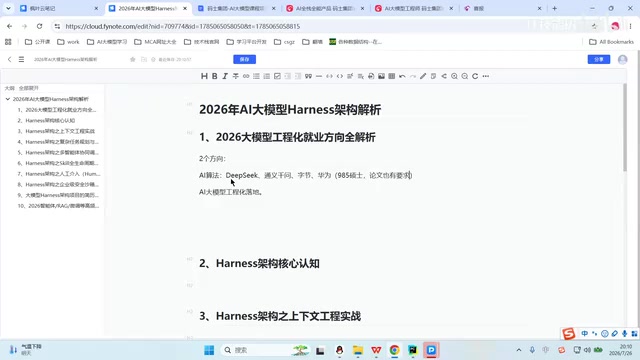
AI Large Model Engineering Careers Decoded: Algorithm Research vs. Engineering Deployment — Which Path Is Right for You?
AI large model jobs split into algorithm research and engineering deployment. Learn the skill requirements, core competencies like RAG and Multi-Agent, and why Harness architecture is the 2026 interview differentiator.