a16z Crypto Rebrands as a16z Frontier: Pivoting to Frontier Tech as Blockchain Investment Retreats

a16z Crypto's rebrand as a16z Frontier reflects crypto VCs' collective pivot toward hard tech.
a16z's digital assets division, led by Chris Dixon, has rebranded from "a16z Crypto" to "a16z Frontier," expanding from crypto asset investment to frontier technologies like AI, biotech, and energy. The rebrand is a direct response to cooling blockchain investment: spot ETF approval failed to revive VC sentiment, LP allocation to crypto funds is shrinking, and narrowing exit channels are pressuring fundraising. The pivot means investment themes shift from "decentralized infrastructure" to "technological breakthroughs and industrial deployment," aligning with a16z's parent brand strategy of boosting AI and defense tech. Token models are no longer a fundraising plus, while technical moats, commercialization, and compliance return as core considerations. Several crypto-native funds are also cutting pure crypto exposure.
From Crypto to Frontier: A Forced Pivot
According to RSS sources, a16z's digital assets division (led by Chris Dixon) has officially rebranded from "a16z Crypto" to "a16z Frontier," expanding its scope from purely crypto asset investments to a broader range of frontier technologies. This rebrand is not a routine brand refresh but a direct response to shifting market winds — when blockchain investment is no longer the focus of capital pursuit, top venture firms must redefine their narrative.
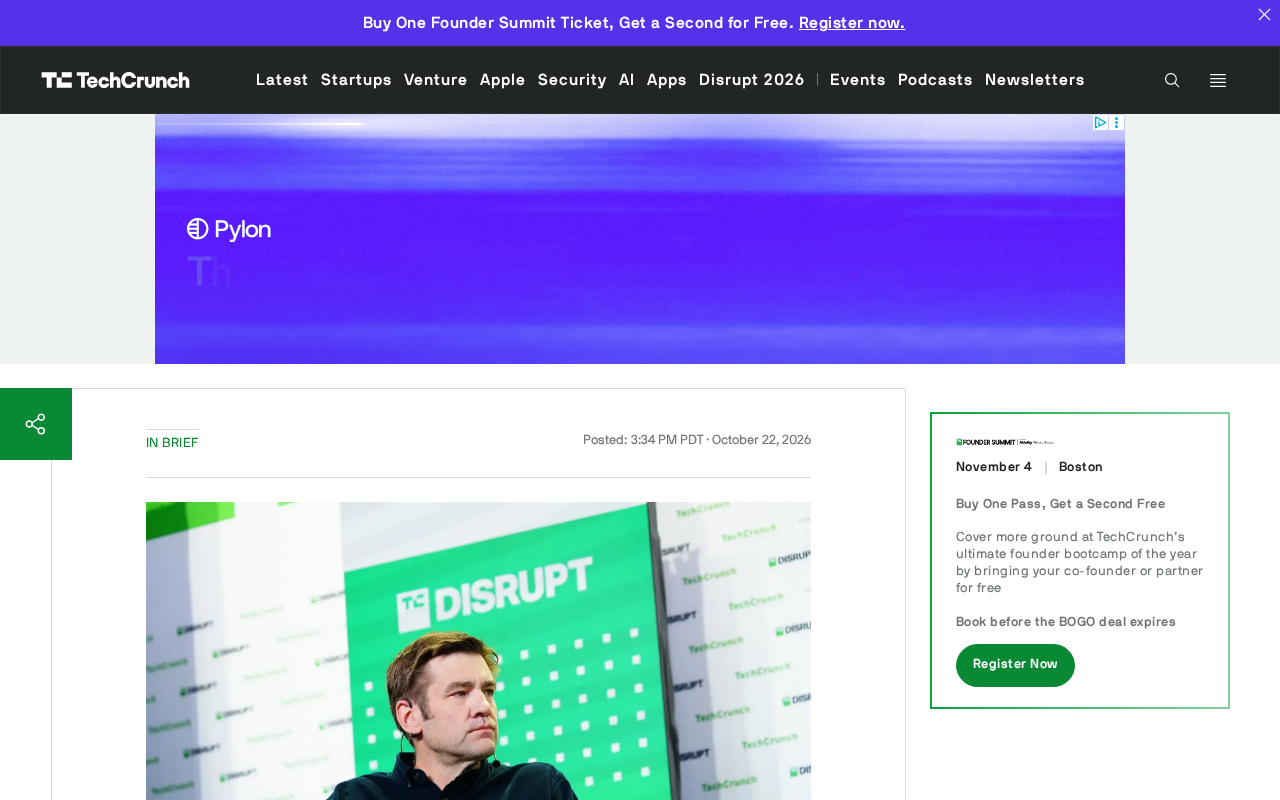
Chris Dixon was once one of the most steadfast evangelists of the crypto world, and his "read, write, own" Web3 framework influenced a generation of founders. Now the division he helms has voluntarily dropped the "Crypto" label — the signal matters far more than the name itself.
Why Blockchain Investment Has Fallen Out of Favor
The crypto market has weathered several cycles, but this downturn has its own particularities. Spot ETF approval should have been a catalyst for mass adoption, yet it failed to bring about a corresponding recovery in VC sentiment. LP (limited partner) willingness to allocate to crypto funds continues to shrink, and exit channels have narrowed, putting pressure on crypto-focused funds on the fundraising side.
The a16z Crypto rebrand can be understood as pragmatic risk management: retain the capability to invest in crypto assets, but no longer make it the division's sole identity marker. The word "Frontier" points to the "cutting edge," covering broader hard-tech directions such as AI, biotech, and energy — consistent with the a16z parent brand's overall strategy of ramping up AI and defense tech investments in recent years.
Spot ETF (Exchange-Traded Fund) is a fund product listed and traded on a stock exchange that tracks the performance of an asset or index. A crypto spot ETF directly holds physical assets such as Bitcoin or Ethereum, allowing investors to trade through traditional brokerage accounts just like buying and selling stocks, without having to manage private keys themselves or open a crypto exchange account. The 2024 U.S. approval of Bitcoin spot ETFs was seen by the industry as a milestone in crypto assets' march into the mainstream financial system, and theoretically should have attracted large-scale institutional capital from pension funds, mutual funds, and others. However, ETFs primarily serve passive allocation demand in the secondary market and do not directly translate into primary-market VC willingness to fund early-stage crypto projects — which explains the clear disconnect between ETF approval and a recovery in VC sentiment.
LP (Limited Partner) refers to the capital providers of venture capital funds, including pension funds, university endowments, family offices, and funds of funds. The GP (General Partner) is the fund management team, responsible for investment decisions and day-to-day operations. LPs bear limited liability up to the amount of their contribution and do not participate in fund management. Crypto fund fundraising depends on LPs' willingness to allocate, and LPs evaluating alternative assets pay close attention to historical returns, exit liquidity, and risk exposure. When crypto market exit channels (IPOs, M&A, token listings) narrow and paper returns come under pressure, LPs proactively reduce their committed capital to crypto-specific funds and shift to sectors like AI with more predictable return cycles — this is the direct cause of the fundraising pressure on crypto VCs.
What Frontier Means: A Migration of Investment Logic
Moving from Crypto to Frontier is essentially a refocusing of investment themes. The core narrative of the crypto space over the past decade was "decentralized infrastructure," whereas the core narrative of frontier tech leans more toward "technological breakthroughs and industrial deployment." What the two share is a need for long-term capital and deep technical judgment; what differs is the exit path and regulatory environment.
For founders, this shift means the due diligence questions they face during fundraising will differ: the token economic models customary in crypto projects are no longer a plus, and technical moats, commercialization paths, and compliance frameworks have once again become core considerations.
Tokenomics is the core mechanism of crypto project design, covering token supply, allocation ratios, emission curves, inflation/deflation rules, and governance and incentive functions. Typical designs allocate shares to the team, investors, and community, set vesting periods to prevent early sell-offs, and give tokens utility through staking, governance voting, or fee sharing. During crypto bull markets, an ingeniously designed token model was often regarded as important support for a project's valuation — even a key selling point in fundraising pitches. But after tighter regulation and a market cooldown, the legal status of tokens (whether they constitute securities) and their long-term value-capture ability have come into question, and traditional VCs now place greater weight on revenue models, technical moats, and compliance paths during due diligence, with token design relegated to a secondary position.
Industry Signal: A Collective Adjustment Among Crypto VCs
A detail worth noting: a16z is not the only institution making adjustments. Several crypto-native funds have already been scaling back pure crypto exposure and shifting toward the AI-crypto intersection (such as decentralized compute and the application of ZK proofs in AI). Whether this "generalization" strategy works depends on whether teams can build genuine cognitive advantages in new sectors, rather than relying solely on brand halo.
According to RSS sources, the a16z Crypto rebrand was led by Chris Dixon, but the original report did not disclose specific fund size adjustments or personnel changes; further developments are worth continued attention.
One-line Summary
a16z Crypto's rebrand as a16z Frontier reflects crypto VCs' collective pivot toward hard tech.
Paragraph Summary
a16z's digital assets division, led by Chris Dixon, has officially rebranded from "a16z Crypto" to "a16z Frontier," expanding from crypto asset investment to broader frontier technologies such as AI, biotech, and energy. The article notes that the rebrand is not a brand upgrade but a direct response to cooling blockchain investment: spot ETF approval failed to revive VC sentiment, LP willingness to allocate to crypto funds has shrunk, and narrowing exit channels have put pressure on crypto fund fundraising. The shift to Frontier means the investment theme migrates from "decentralized infrastructure" to "technological breakthroughs and industrial deployment," consistent with the a16z parent brand's strategy of increasing AI and defense tech investments. For founders, token economic models are no longer a fundraising plus, and technical moats, commercialization paths, and compliance frameworks have again become core considerations. Several crypto-native funds are also scaling back pure crypto exposure and shifting toward the AI-crypto intersection.
Related articles

Kimi K3.1 Hands-On Test: Open-Source Model Nears Opus, Video Generation Steals the Show
Kimi K3.1 completed motion graphics, 3D rendering, mini-games, and video generation in a live test. Analysis of its 2.8T MoE architecture, gap vs Opus/GPT, and hidden video generation.

Sam Altman: Why Life's Biggest Advice Should Still Come from Humans
OpenAI CEO Sam Altman on the limits of AI advice: AI can talk you out of an impulsive email, but life's biggest advice should still come from humans.

"Black October": Did AI Uncover 3% of All Critical Vulnerabilities Ever?
A Reddit post claims 3% of all critical software vulnerabilities ever were found in the past month, dubbed 'Black October.' We break down the statistical issues, how AI-assisted code auditing accelerates discovery, and how developers should respond.