After Day-0 Support: How the Community Achieved 3–4x Inference Speedup for MiniMax M3
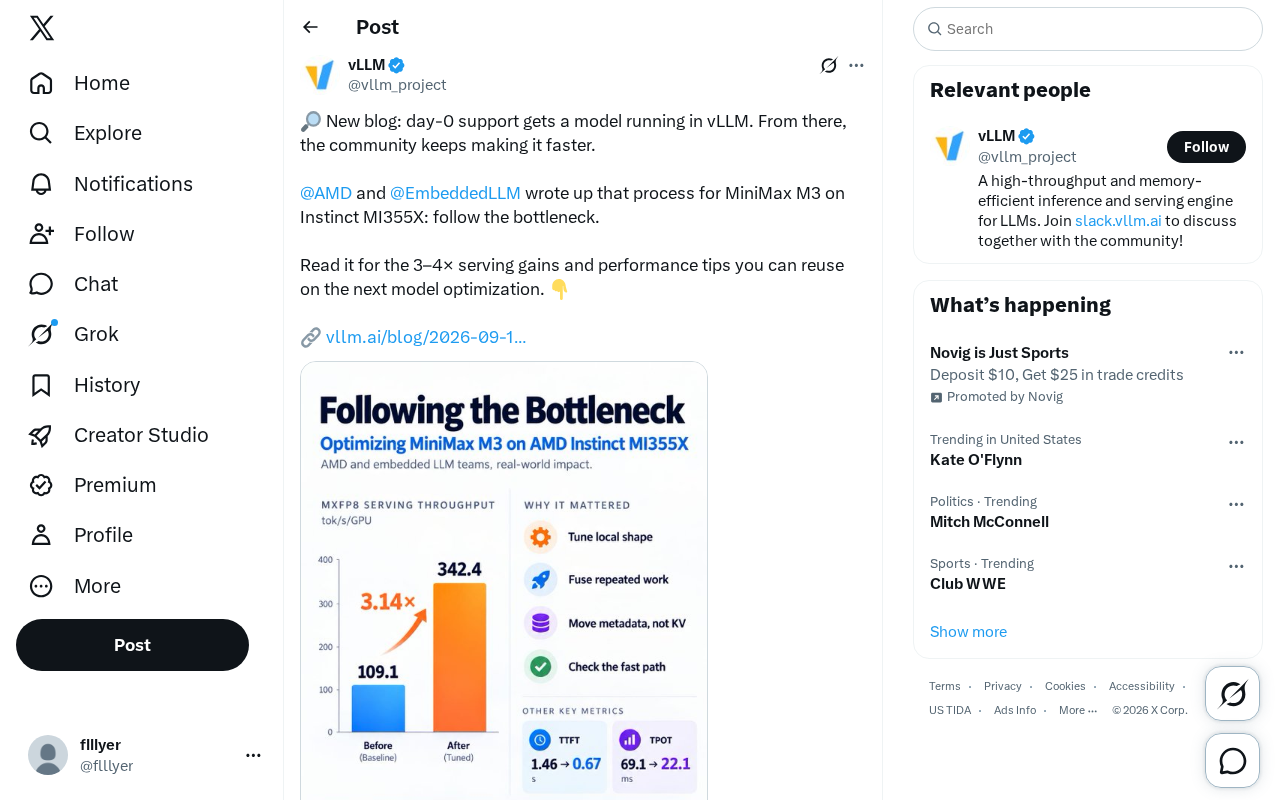
AMD and EmbeddedLLM achieved 3–4x MiniMax M3 inference throughput gains on MI355X by systematically following the bottleneck.
This article examines a joint optimization effort by AMD and EmbeddedLLM: using vLLM on AMD Instinct MI355X hardware, they achieved approximately 3–4x improvement in MiniMax M3 serving throughput. It distinguishes between two phases — functional correctness (addressed by day-0 support) and real performance (requiring ongoing engineering work). The core methodology is "follow the bottleneck": systematically identify and eliminate compute, memory bandwidth, scheduling, and communication bottlenecks in a reproducible, model-transferable loop. The article distills this into a paradigm for developers: open-source frameworks, hardware vendors, and community collaboration form the standard path for LLM inference optimization today.
The Gap Between "Running" and "Running Fast"
Deploying a new model for inference typically unfolds in two stages: first, getting it to run on the inference framework at all, then figuring out how to make it run faster. vLLM's day-0 support addresses the former — the model can be loaded and produce outputs within the framework on the day it's released. But real performance optimization usually happens afterward, squeezed out bit by bit by the community under real workloads.
A blog post jointly published by AMD and EmbeddedLLM documents their complete process of optimizing MiniMax M3 inference serving on Instinct MI355X hardware. The core methodology can be summed up in one phrase: follow the bottleneck. The end result is a 3–4x improvement in serving throughput — and the optimization strategies developed along the way are reportedly reusable for the next model.
What Day-0 Support Actually Means
vLLM, currently one of the most widely adopted LLM inference serving frameworks, plays a critical role in the ecosystem through its day-0 support capability. It means that when a new model like MiniMax M3 is released, users don't have to wait through a lengthy adaptation cycle — they can get it running in vLLM immediately.
But it's worth being clear-eyed about what day-0 support actually delivers: it typically provides a functionally correct but performance-unpolished baseline. A model returning correct outputs doesn't mean it's fully utilizing the hardware's compute capacity. What truly determines cost and latency in production is the continuous optimization built on top of that baseline — and that work is precisely where open-source communities and hardware vendors need to collaborate.
vLLM (Virtual Large Language Model) is an LLM inference and serving framework developed at UC Berkeley that has been widely adopted across the industry. Its core innovation is PagedAttention — borrowing the concept of virtual memory paging from operating systems to manage KV Cache in non-contiguous memory blocks dynamically, dramatically reducing memory fragmentation and enabling larger concurrent batch sizes on the same hardware. vLLM also features a built-in Continuous Batching mechanism that dynamically adjusts inference batches at the request level, rather than waiting for an entire batch to complete before starting the next — delivering several times the throughput of traditional static batching. Because vLLM has become the de facto standard for production deployment, whether a new model receives day-0 support directly determines how quickly it can enter real-world serving.
The Philosophy of "Following the Bottleneck"
The methodology that AMD and EmbeddedLLM emphasize in their blog post is worth unpacking: rather than blindly applying a grab-bag of optimization tricks, the approach is to systematically identify the current performance bottleneck and eliminate them one by one.
Bottlenecks in inference serving can appear at multiple points:
- Compute bottleneck: GPU compute is underutilized, potentially related to operator implementation or precision choices (e.g., FP8/BF16)
- Memory bandwidth bottleneck: KV Cache read/write and weight loading constrained by memory bandwidth
- Scheduling bottleneck: Batching strategies and request scheduling are insufficiently efficient
- Communication bottleneck: Overhead from tensor parallelism and pipeline parallelism in multi-GPU setups
The value of "following the bottleneck" is that it transforms optimization from guesswork into a reproducible engineering process. Identify the bottleneck, eliminate it, measure again, find the next bottleneck — this loop itself becomes an experiential asset that transfers to the next model.
MiniMax M3 in Practice on MI355X
The hardware for this optimization effort is the AMD Instinct MI355X. AMD has been pushing hard in AI inference hardware in recent years, and deep integration with mainstream open-source frameworks like vLLM is a critical step in its bid for inference market share.
Choosing MiniMax M3 as the optimization target is also representative. This new generation of models tends to have complex architectures that place greater demands on operator support and memory management in inference frameworks — making them an excellent proving ground for hardware-framework co-optimization. If the reported 3–4x improvement holds up, it has direct implications for reducing the serving cost of such models.
It's worth noting that this article is based on the official blog post from AMD and EmbeddedLLM. For specific benchmark configurations, comparison baselines, and test methodology, please refer to the original post.
The AMD Instinct MI355X is a high-end accelerator card from AMD targeting AI data centers, built on an evolved CDNA architecture with large-capacity HBM memory and high memory bandwidth — giving it strong memory throughput advantages in large-batch inference scenarios. Compared to the NVIDIA GPU ecosystem, AMD's software stack is built around the ROCm (Radeon Open Compute) platform. Compatibility with mainstream frameworks like PyTorch and vLLM has improved significantly in recent years, but the maturity of operator libraries (such as Flash Attention and Triton kernels) still lags behind. This is precisely why the current optimization practice is significant: it's not just parameter tuning for a single model, but a public validation of the ROCm ecosystem's viability for production-grade inference serving. MiniMax M3 adopts complex architectures including Mixture of Experts (MoE), placing higher demands on sparse computation and large-scale KV Cache management — making it an ideal stress test for the boundaries of hardware-framework collaboration.
Practical Takeaways for Developers
For teams deploying LLM inference services, the value of this blog post lies not just in MiniMax M3 itself, but in the optimization paradigm it demonstrates:
- Don't settle for day-0 baseline performance — that's just the starting line
- Establish a systematic performance analysis workflow and use data to pinpoint bottlenecks
- Optimization insights from hardware vendors and the open-source community are often reusable across models
- Keep up with vLLM's continuous iteration — many performance gains come from the framework's own evolution
The three-way collaboration between open-source frameworks, hardware vendors, and community tuning is becoming the standard model for LLM inference optimization. Those who can navigate this chain most smoothly will hold an advantage in the hard fight to reduce inference costs.
For complete technical details and reusable performance tuning recommendations, refer to the original blog post published by AMD and EmbeddedLLM.
Related articles
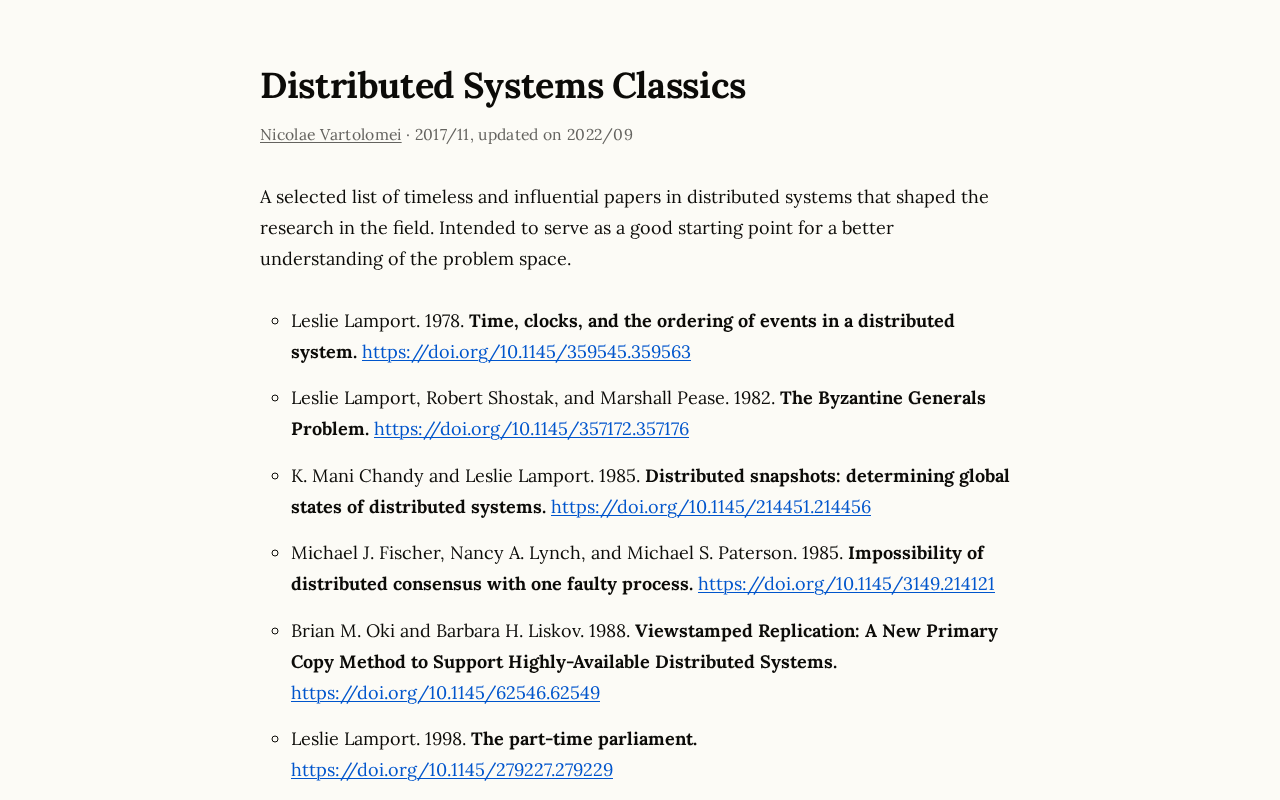
A Reading Guide to Distributed Systems Classic Papers: From Beginner to Expert
A viral Hacker News list of distributed systems classic papers covering consensus algorithms, logical clocks, and the CAP theorem — a structured learning path for engineers.
Valve Is Still Weighing When and How to Launch Steam Deck 2
Valve has completed its 2026 hardware lineup with Steam Controller, Steam Machine, and Steam Frame, but Steam Deck 2 still has no set timeline. Valve says it's still weighing "how and when" to launch.
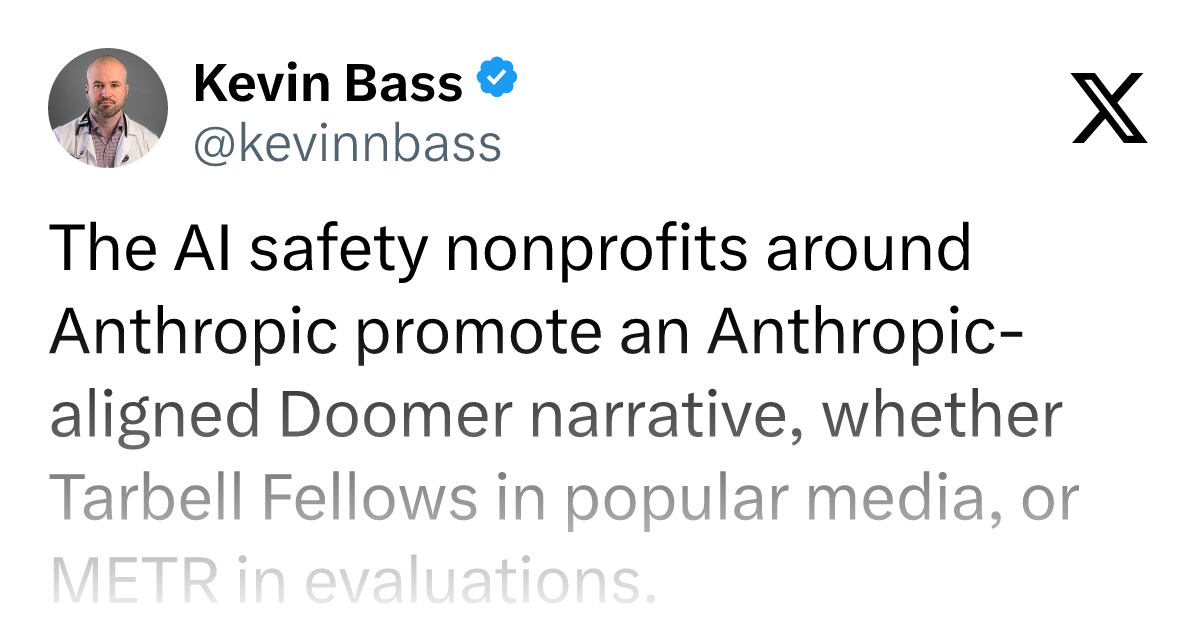
Regulatory Capture Accusations: The Controversy Over Anthropic's Capital and Policy Loop
A Hacker News post questions whether Anthropic is caught in a regulatory capture financial loop. We unpack the concept and why it's being aimed at top AI firms.