AI Agents as Spam Factories: Dissecting the iLands Marketing Scam
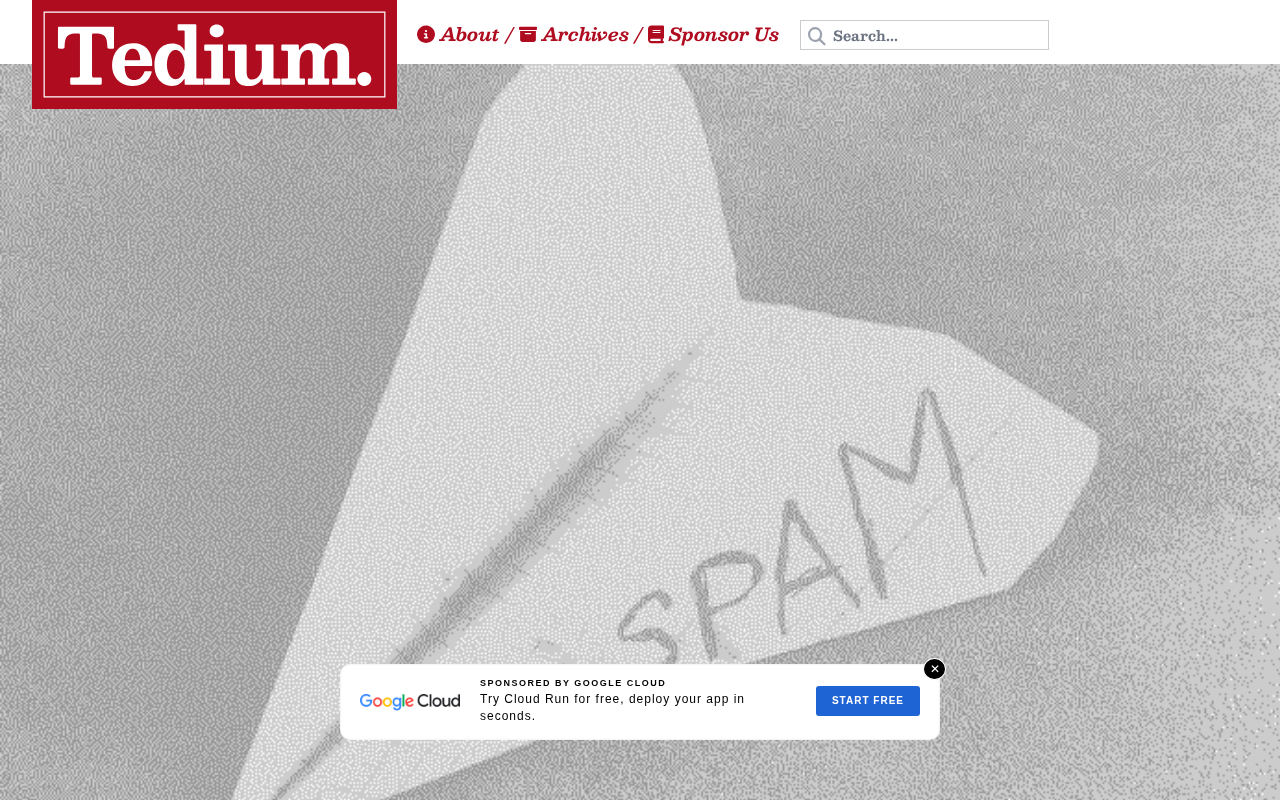
AI agents are being weaponized as spam engines, making AI-generated bulk harassment emails harder to detect and govern.
This article examines the emerging phenomenon of AI agents being exploited by the spam industry, using iLands as a case study. iLands repackaged AI agents as an "intelligent outreach" service, using large language models to batch-generate personalized cold emails that bypass traditional feature-based spam filters. Because generative AI makes each email unique at the text level, content fingerprinting and keyword filtering lose their effectiveness. The "AI-driven marketing" framing also blurs the line between legitimate outreach and spam, complicating enforcement for platforms and regulators. The article warns enterprise buyers to scrutinize such services and calls for AI governance to extend beyond model alignment into application-layer abuse oversight.
When AI Agents Meet the Spam Industry
AI agents were supposed to symbolize automated productivity — helping people write code, manage schedules, and analyze data. But the double-edged nature of technology has revealed itself once again. An analysis titled The Worst Spam Emails: Inside iLands' AI Agent Hustle highlights how some companies are using AI agents as engines for generating spam at scale, with iLands cited as a prime example.
The logic behind this isn't complicated. Traditional spam was limited by manual writing and template reuse, making it relatively easy for anti-spam systems to detect. AI agents powered by large language models, however, can batch-generate emails that appear personalized and natural in tone — bypassing keyword-based and pattern-matching filters. When marketing automation combines with generative AI, both the volume and the convincingness of spam reach new heights.
iLands' "AI Marketing" Playbook
According to the original exposé, iLands marketed itself to businesses as an "intelligent outreach" service powered by AI agents. On the surface, this looked like a tool to help B2B clients automate contact with potential customers. In practice, what it generated were cold emails that recipients widely regarded as spam.
This model operates in a gray zone: the sender claims the emails are "personalized business communications," while recipients experience them as unsolicited harassment. AI makes the problem worse — each email is slightly different, with signatures, salutations, and company details dynamically populated, making it difficult to report or block at scale. This is precisely why the author described these practices as "the worst spam emails."
Why AI Makes Spam Harder to Fight
Generative AI poses a structural challenge to anti-spam systems. Traditional filters relied on fixed signals: identical body text, suspicious links, known sender domains. AI-generated emails vary endlessly at the text level, rendering content fingerprinting largely ineffective.
The deeper problem is the blurring of intent. When a company packages mass spam as "AI-powered sales enablement," it gains a veneer of technological legitimacy. This puts platforms in a difficult position when adjudicating abuse: they must protect users from harassment while avoiding false positives that penalize legitimate marketing automation. AI agents sit right at the boundary between the two, deliberately obscuring it.
A Warning for the Industry and Users
This case reflects a neglected corner of AI deployment: not all "AI agent products" create value — some simply scale up low-value or even negative-value behavior. For enterprise buyers, it's worth being wary of services that use "AI-powered lead generation" as a hook while actually producing junk content. These services are not only of questionable effectiveness, but can also damage brand reputation and trigger bans from email service providers.
For the broader industry, this is a reminder that AI agent governance cannot stop at model-level "alignment" — it must extend to abuse oversight at the application layer. Email providers, anti-spam organizations, and regulators all need to update their toolkits to detect AI-generated bulk sending behavior.
Conclusion
iLands is just one example. As AI agent tools become increasingly accessible, the barrier to using them for spam, fake marketing, and other gray-area businesses is rapidly falling. Technology itself is neither good nor evil — what matters is the intent of those who use it and the constraints imposed by platforms. This analysis, drawn from a Hacker News community discussion, may be brief, but it identifies a trend worth continued attention: the dark side of AI automation is expanding in lockstep with its growing capabilities.
Related articles
No Valid Source Material: A Dad Joke Tweet Cannot Support a Technical Article
The source material provided is an unrelated dad joke tweet with no informational value. A valid technical article cannot be generated. Please provide relevant tech content.
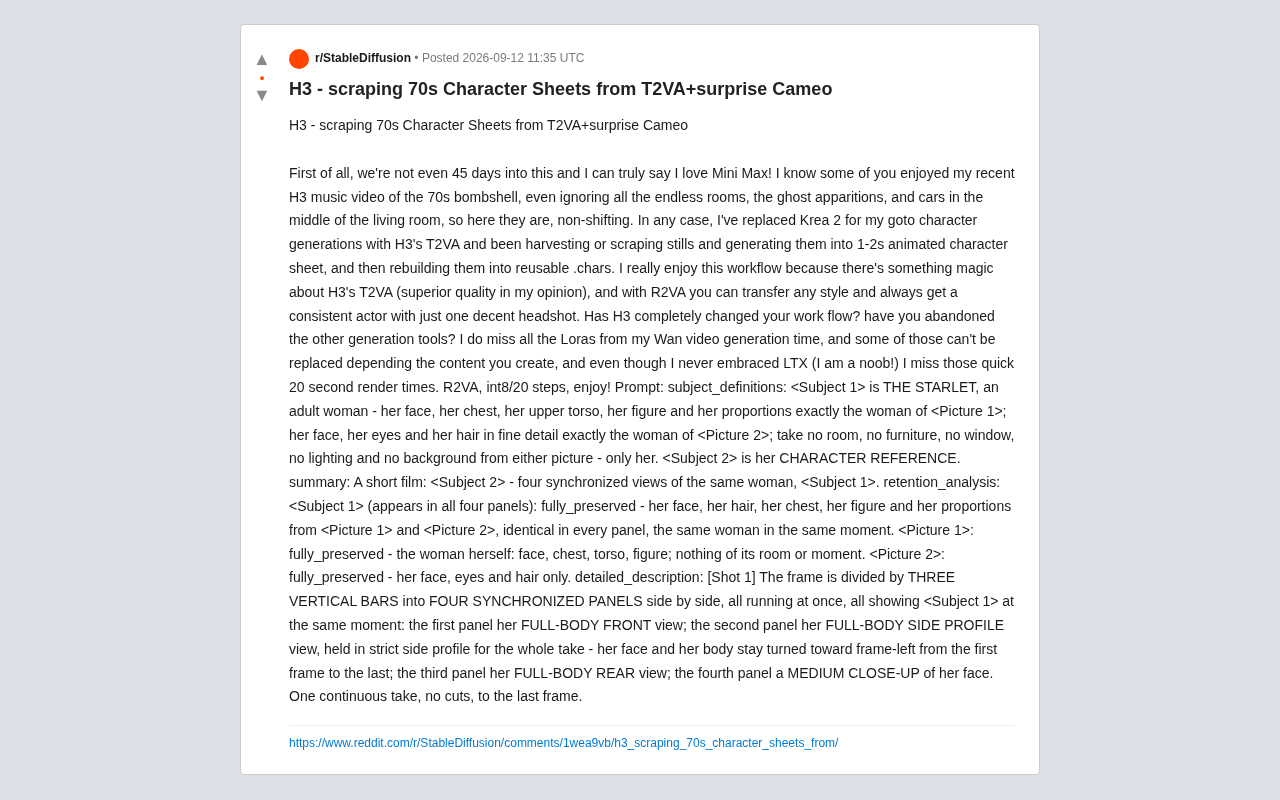
Building a Character Consistency Workflow with Hailuo H3: A T2VA Character Sheet Tutorial
A Reddit creator shares how to build a character consistency workflow using MiniMax Hailuo H3's T2VA/R2VA — from still harvesting to reusable .chars files, with a structured four-view character sheet Prompt.
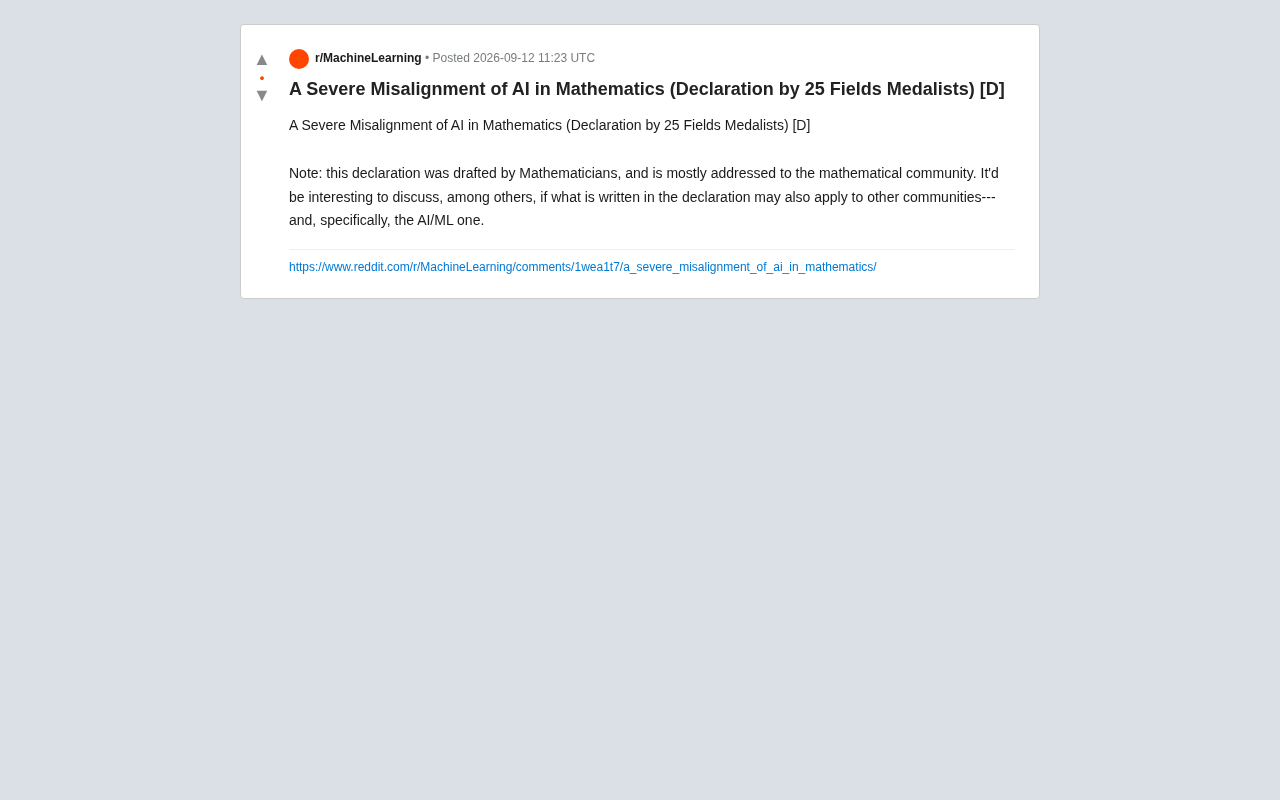
25 Fields Medalists Issue Joint Statement: AI Is Causing Severe Misalignment in Mathematics
25 Fields Medalists issue a joint statement warning that AI is causing "severe misalignment" in mathematics — and what this means for the broader research community.