AI Code Documentation Isn't Just Boring Text: The Practice of Visual Interactive Docs

As AI code iterates faster, engineers need visual, interactive docs to keep understanding it.
The article notes that AI generates code far faster than traditional static docs can update, making it hard for engineers to keep understanding what AI builds. A YouTube tech blogger's practical approach: use visual, dynamic, interactive documentation as a "human-readable layer." Such docs feature visual presentation, auto-updating, and interactivity, integrate with Linear and Jira for dynamic roadmaps, and support interactive PR review. The article stresses that when code authors shift from humans to AI, documentation design should move from "recording" to "understanding," building a consensus carrier for AI output. Note: this experience comes from a single-source personal share and has not been cross-verified.
AI writes code faster and faster, but engineers face a real problem: how do you keep track of what AI is actually building? According to a YouTube tech blogger, one of his key methods for maintaining understanding of AI-generated code is visual, dynamic, interactive documentation—not the traditional kind that's dry and hard to read.
Why Traditional Documentation Can't Keep Up with AI Code
Traditional documentation is usually static and written after the fact, while AI-generated code evolves through rapid iteration. Engineers need a medium that reflects code structure, changes, and intent in real time—otherwise it's easy to "lose your way" in AI's output. The blogger puts it bluntly: he doesn't need "boring, scary documentation" but visual material that anyone can grasp at a glance.

The key insight here is that the "comprehensibility" of AI code is becoming a new bottleneck for engineering efficiency. The code itself can be generated automatically, but team consensus around the code won't generate itself—it has to be carried by documentation.
Dynamic Documentation refers to a form of documentation whose content can automatically update with source code, runtime state, or project data. Traditional documentation relies on manual maintenance and easily goes stale once code changes; dynamic documentation keeps in sync with code by parsing code structure, listening for version changes, or embedding executable components. In the context of AI-generated code, where output is fast and iteration frequent, the "self-updating" capability of dynamic documentation is especially critical. It is typically implemented through mechanisms like Docs-as-Code, automatic API spec generation, and embeddable runtime sandboxes, so readers always see the real current state of the latest version rather than a historical snapshot.
Core Elements of Visual and Interactive Documentation
The blogger emphasizes that he is a "very visual person," so he expects documentation to have several characteristics: visual presentation, dynamic updates, and interactivity. These three points map exactly to the three shortcomings of traditional documentation—static screenshots can't reflect runtime state, manual updates easily go stale, and readers can only read passively.

From a practical standpoint, this kind of documentation is more like a "visual map" of the code, helping engineers quickly locate and understand relationships between modules within the complex structures AI generates.
Deep Integration with Project Management Tools
An easily overlooked requirement is connecting documentation with existing toolchains. The blogger explicitly mentions wanting documentation to integrate with project management tools like Linear and Jira to form dynamic roadmaps and support interactive PR reviews.

This means documentation is no longer an "island" separate from the workflow but embedded in the complete chain of requirements, tasks, and code review. PR review is especially critical—when code is generated by AI, reviewers need more intuitive context to judge whether changes are reasonable.

The blogger says he is using Spaceship to meet these needs. It should be noted, however, that the above content comes from a single-source share and represents personal practical experience that has not yet been cross-verified by multiple parties.
Linear is a project management and issue tracking tool for software development teams, known for keyboard-driven operation, fast responsiveness, and a clean interface, commonly used for task assignment and bug tracking in agile iterations. Jira is Atlassian's long-established project management platform, supporting Scrum, Kanban, and other workflows, widely used for requirements management, sprint planning, and release tracking. Both provide APIs and Webhooks that allow external tools to read task status, update tickets, or embed links. Once documentation is integrated with such tools, code changes, task progress, and roadmaps can be linked together to form a "documentation—task—code" loop, rather than letting documentation become a static attachment divorced from the workflow.
PR (Pull Request) review is the peer review step before code merge, where reviewers need to understand the intent, scope of impact, and potential risks of changes. In the context of AI-generated code, changes may be larger and context more scattered, making traditional diff views poor at quickly conveying "why it changed" and "what changed." Interactive PR review embeds expandable module diagrams, runtime previews, or linked task references into the review interface, letting reviewers dive into details on demand. Such practices align with the "code as documentation" philosophy: turning the review process itself into an interactive understanding experience and reducing review blind spots caused by missing context.
Implications for AI Engineering Practice
The spread of AI-generated code is forcing documentation formats to evolve. Making documentation visual, interactive, and integrable is essentially building a "human-readable layer" for AI-produced code. For teams that rely on AI programming, this may be more worth investing in than pursuing more powerful code generation models.
A direction worth pondering: when the author of code shifts from human to AI while the readers of documentation remain humans and review processes, the design focus of documentation should shift from "recording" to "understanding." Visual roadmaps and interactive PR reviews are concrete manifestations of this shift.
Related articles

Fine-Tuning Large Models Without Changing Weights: PEFT, Adapters, and Prefix Tuning Explained
Explaining the three main PEFT routes: LoRA, adapters, and prefix tuning. How to fine-tune large models without updating original weights, the pros and cons of each method, selection advice, and tuning and deployment considerations in practice.

EEG + Spiking Neural Networks: A New Path for Alzheimer's Diagnosis
Explore a new approach to Alzheimer's diagnosis: combining EEG with spiking neural networks and using biophysical simulations to generate training data and learn AD disease signatures, offering a possible path for low-cost early screening.
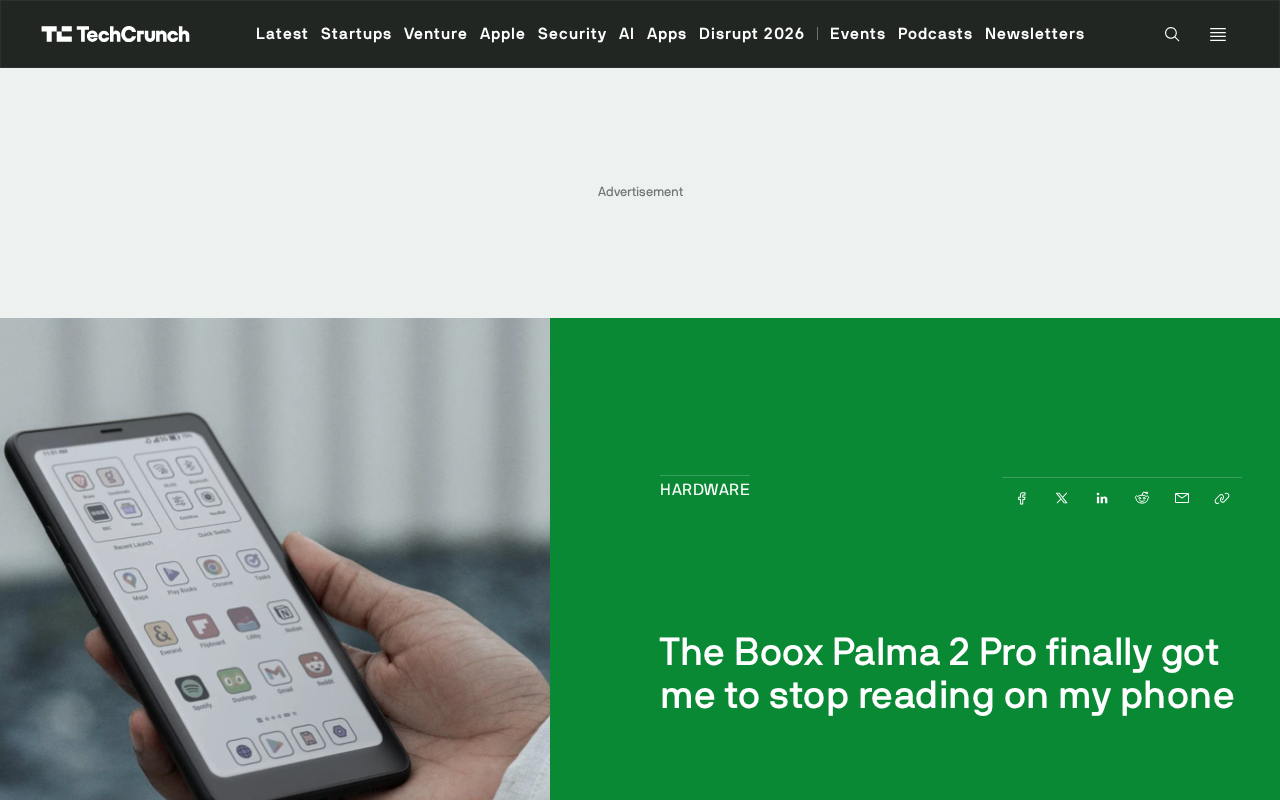
Boox Palma 2 Pro Review: The $400 E-Ink Reader That Got Me to Quit Reading on My Phone
The Boox Palma 2 Pro is a $400 phone-sized E-Ink reader built for distraction-free reading. We analyze its design logic, who it suits, and buying advice—and why dedicated reading devices are back in the spotlight.