AI Divergence Amid Compute Shortage: Will AI Agents Become a Luxury for the Rich?

Compute scarcity makes complex AI Agents prohibitively expensive, creating a class divide in AI access.
Severe global compute shortages are making complex AI Agent workflows extremely expensive, even as single-turn chatbot costs continue to decline. AI Agent compute consumption can be 50 to 100 times greater than single-turn conversations, meaning only well-funded companies can afford advanced AI capabilities while others remain limited to basic chatbots—creating a growing class divide in AI access.
Compute Scarcity Is Creating a Class Divide in AI Access
Recently, a discussion about AI compute supply sparked widespread attention on Twitter. Its core argument points to a deep-seated contradiction in the current AI industry: Global compute is severely insufficient, and this will make complex AI Agent workflows extremely expensive—even as the cost of single-turn conversational chatbots continues to decline.
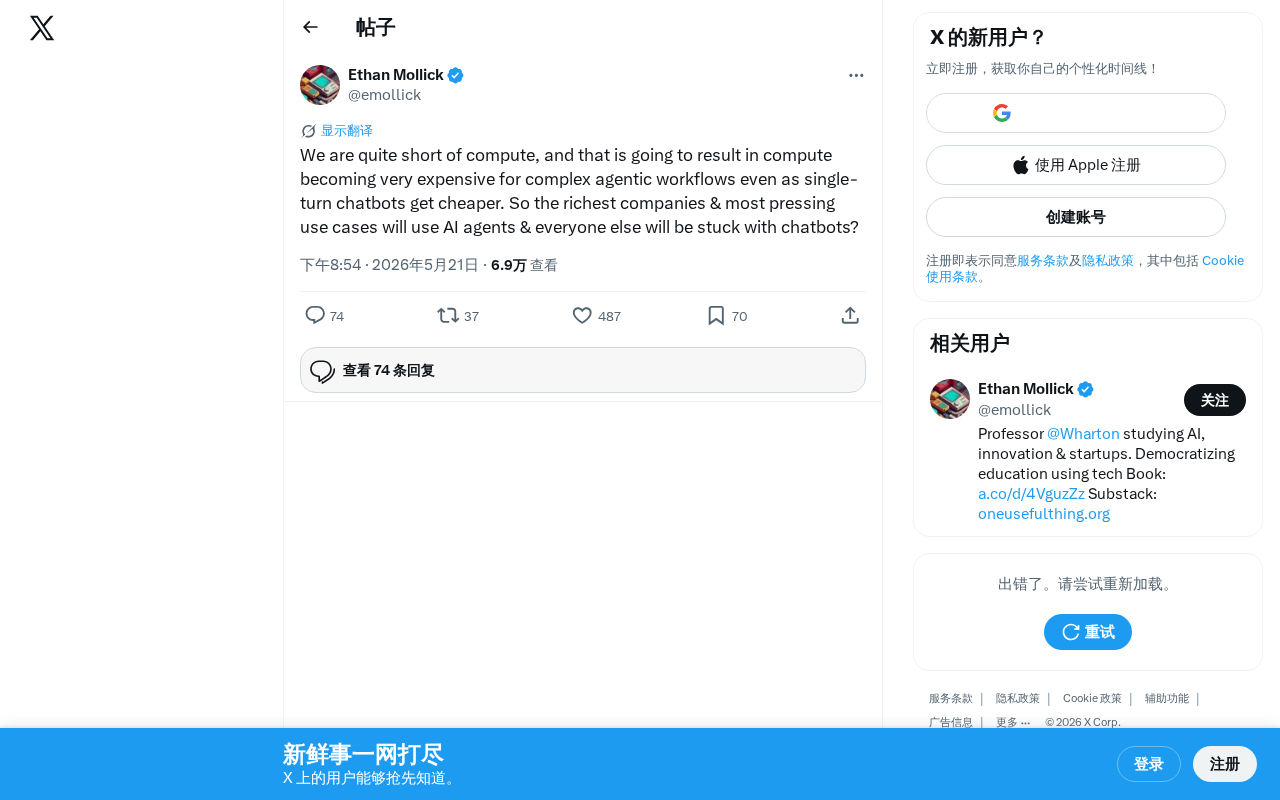
This perspective raises a sharp question: Will only the most well-funded companies and the most urgent use cases ultimately be able to afford AI Agents, while everyone else remains stuck at the chatbot level?
Single-Turn Conversations vs. Complex Agents: How Big Is the Compute Gap?
To understand this issue, we first need to see the enormous gulf in compute consumption between single-turn chatbots and complex AI Agents.
A typical ChatGPT conversation might require only a few hundred to a few thousand tokens of inference computation. But a complete AI Agent workflow—such as autonomously debugging code, writing market research reports, or performing multi-step data analysis—may require dozens or even hundreds of model calls, involving planning, execution, reflection, tool invocation, and many other steps. Its compute consumption can be 50 to 100 times or more that of a single-turn conversation.
The technical essence of AI Agent workflows lies in their autonomous decision-making and multi-step execution capabilities. Agent workflows are typically built on frameworks like ReAct (Reasoning + Acting) or Plan-and-Execute, where the model needs to perform a "think-act-observe" cycle at each step.
Related articles
Meta Muse Hits 900K Downloads in Six D…
Meta Muse Hits 900K Downloads in Six Days: The AI Agent Era Has Officially Arrived
Meta's AI agent Muse hit 902K downloads in 6 days, topping US App Store and Google Play charts above ChatGPT and Claude. A deep dive into Muse's capabilities and the AI Agent race.
 Industry Insights
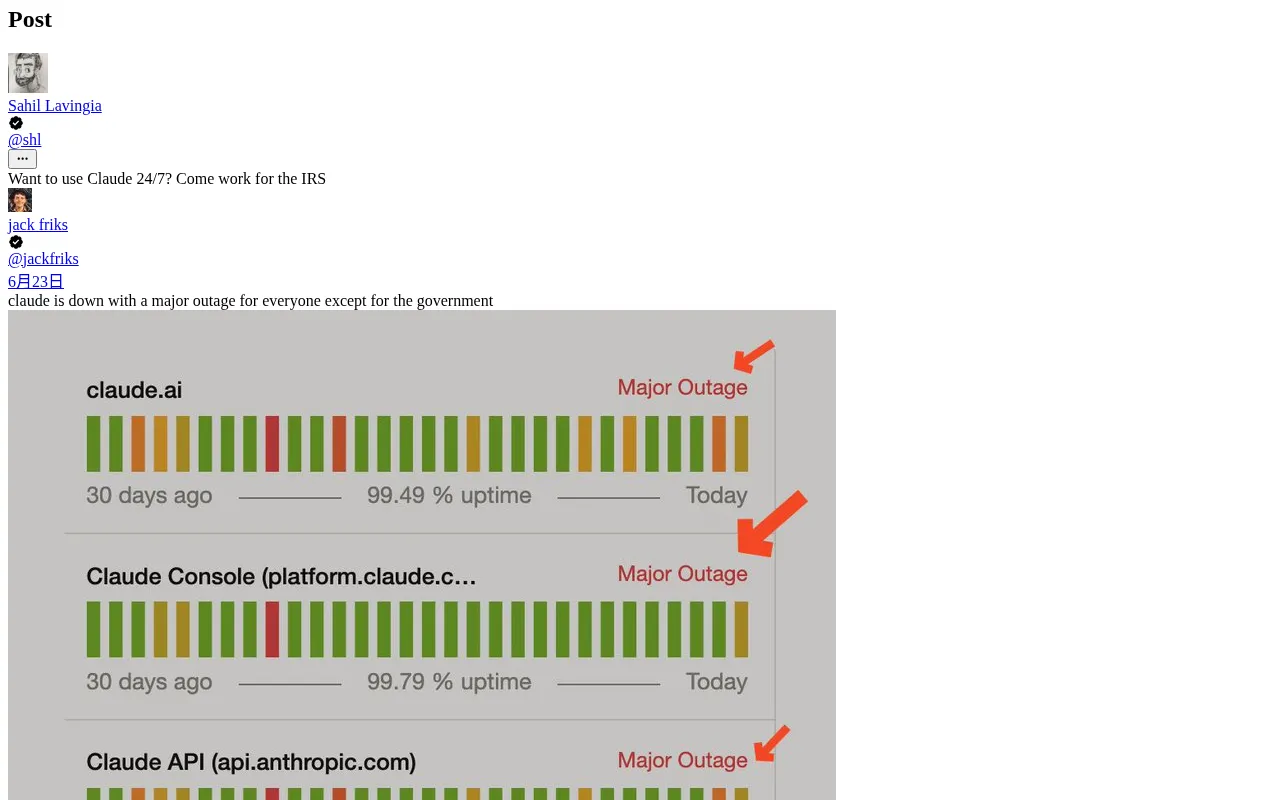
IRS Fully Embraces Claude AI, Accelerating Federal Government's AI Adoption
The IRS is recruiting staff with 24/7 Claude AI access, marking Anthropic's breakthrough into the federal government. Explore the strategic implications and tax use cases.
 Industry Insights
The IRS Mobile App Debate: A Trust Crisis in Government Digital Transformation
The IRS's proposed mobile app has sparked heated debate. This article analyzes the core arguments, exploring data security, privacy, and the trust crisis in government digital transformation.