AI Governance Blind Spots: The Implicit Approvals Nobody Signed Off On
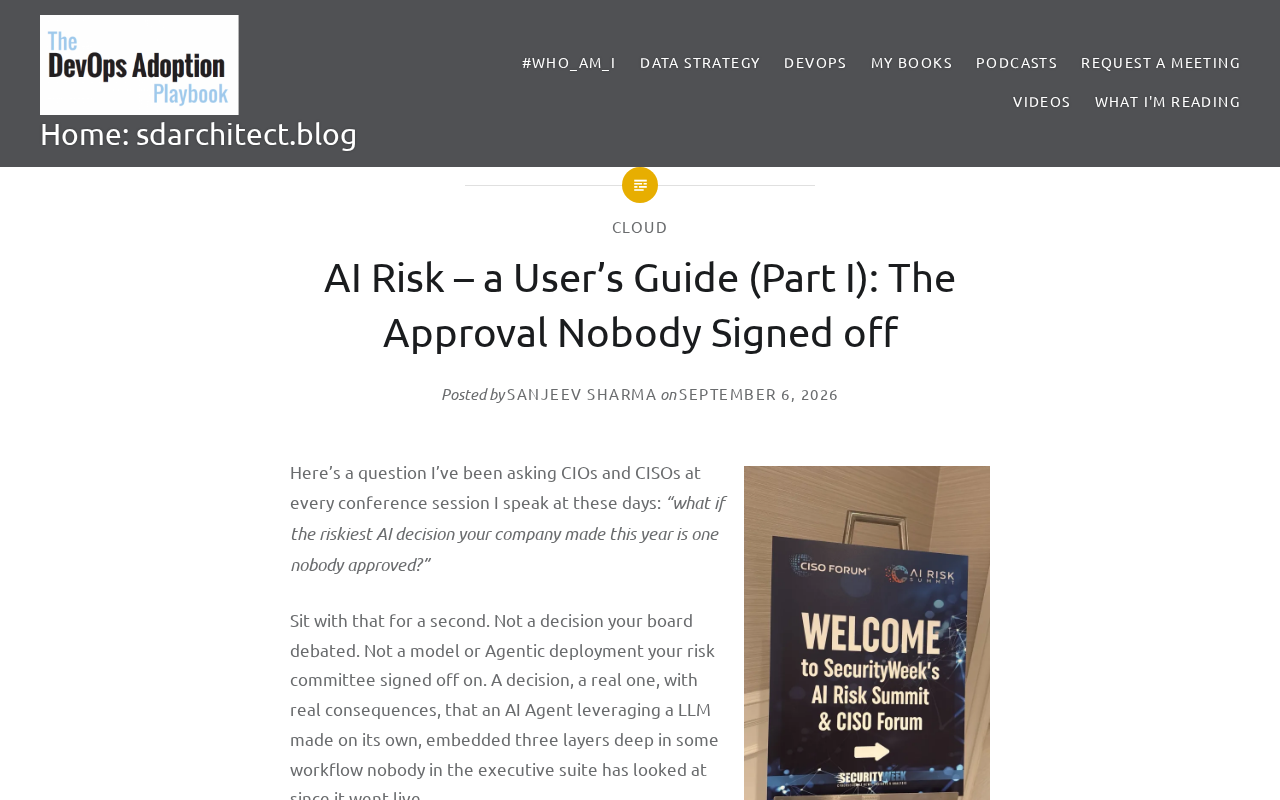
AI tools spread silently through enterprises without authorization, creating accountability and data security governance gaps.
The article examines the "Shadow AI" phenomenon, where enterprise AI tools are widely adopted without formal risk assessments or authorization. Employees independently access public LLMs, AI coding assistants, and AI SaaS platforms, while management often only notices the risk after it has materialized. This "nobody signed off" dynamic is dangerous because it obscures accountability — when a breach or compliance violation occurs, there is no authorization record to trace back to. The article proposes three response strategies: building a vetted tool registry with lightweight approval channels, establishing clear data classification and usage boundaries, and creating documented accountability mechanisms for AI tool adoption.
When AI Enters the Enterprise, Who Gives the Green Light?
A discussion titled AI Risk: The Approval Nobody Signed Off has been gaining attention on Hacker News. The title itself captures a widely overlooked governance gap in enterprise AI adoption: AI tools are infiltrating everyday workflows at scale, yet this adoption rarely goes through any formal risk assessment or authorization process.
In other words, AI usage in many organizations has become a fait accompli — one that nobody officially approved. Employees plug into various AI services on their own initiative for the sake of efficiency, and management only becomes aware of the risk exposure once problems have already surfaced.
Note: This article is based on a Hacker News discussion thread. The post currently has limited engagement (5 upvotes, 0 comments), leaving relatively little raw material to analyze. The content below draws on publicly available AI governance best practices to offer a broader interpretation of the topic.
"Shadow AI": A Governance Vacuum
This topic cuts to the heart of what the industry has increasingly been calling "Shadow AI" — analogous to the "Shadow IT" of years past. The difference is that AI tools have an even lower barrier to entry, spread faster, and are harder to detect.
Typical scenarios include:
- Employees pasting internal documents into public LLMs for summarization or editing
- Developers using unvetted AI coding assistants to work on code containing sensitive logic
- Business units subscribing to AI SaaS services independently, bypassing procurement and security review processes
Each of these behaviors, taken individually, is simply about improving efficiency. But collectively, they create a risk surface with no defined boundaries, no audit trail, and no clear ownership. Organizations may be allowing data to flow outside controlled environments without ever realizing it.
Why "Nobody Signed Off" Is a Real Problem
Traditional IT procurement and security processes tend to lag behind the pace at which AI tools evolve. When a new AI capability can be activated through a browser extension or a few lines of API calls, formal approval chains feel cumbersome and slow. The result: either the process gets bypassed, or innovation gets stifled.
The danger of "nobody signing off" lies in how it blurs accountability. If a data breach, compliance violation, or business error caused by model output occurs, it becomes very difficult to determine who is responsible — because there was never a clear authorization checkpoint to begin with.
This explains why more and more enterprises are building dedicated AI governance frameworks, seeking an actionable middle ground between "freely permitted" and "completely banned."
Practical Ways to Address the Gap
Based on publicly available best practices, closing this governance vacuum typically involves several layers:
Build an AI Tool Registry and Approval Pathway
Rather than reactively discovering what employees are using, proactively provide a vetted list of approved tools along with a lightweight request channel. Making the compliant path easier than the workaround path is the only way to genuinely shape behavior.
Define Data Classification and Usage Boundaries
Clearly specify which categories of data must never be entered into external AI services, and which can be used in controlled environments. This is far more practical than a blanket "no AI" policy, and much more likely to be accepted by employees.
Establish Accountability Mechanisms
Require that AI tool adoption comes with a designated owner and an approval record, so that "signing off" becomes a real, documented act — enabling traceability and improvement when issues arise.
Closing Thoughts
Despite its brevity, this discussion thread puts its finger on a genuine blind spot in enterprise digital transformation. The productivity gains AI delivers are real — but if risk management can't keep pace with tool adoption, organizations are taking on unevaluated risks through unapproved channels.
What truly needs to be "signed off on" may not just be any specific tool, but an entire governance philosophy built for the age of AI.
Related articles

The Hidden Risks of Culvert Failure: An Overlooked Infrastructure Hazard
Culverts are hidden drainage structures buried beneath roads. Their failure can silently hollow out road beds, cause localized flooding, and trigger deadly collapses — yet they remain chronically overlooked.
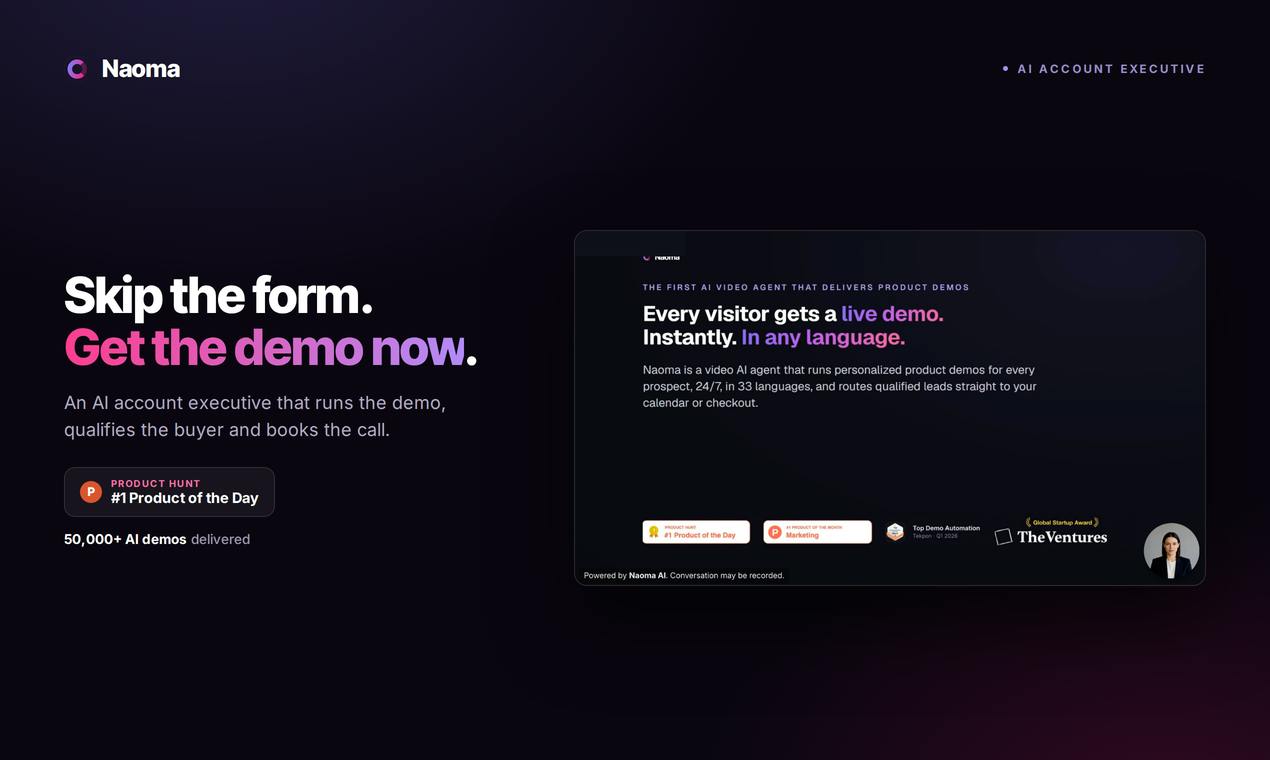
Naoma AI Demo Agent V2: Turning Website Traffic into Booked Meetings with AI Sales
Naoma AI Demo Agent V2 replaces demo request forms with an AI sales rep that demos products, qualifies leads, and books meetings in real time. 50K+ demos run.
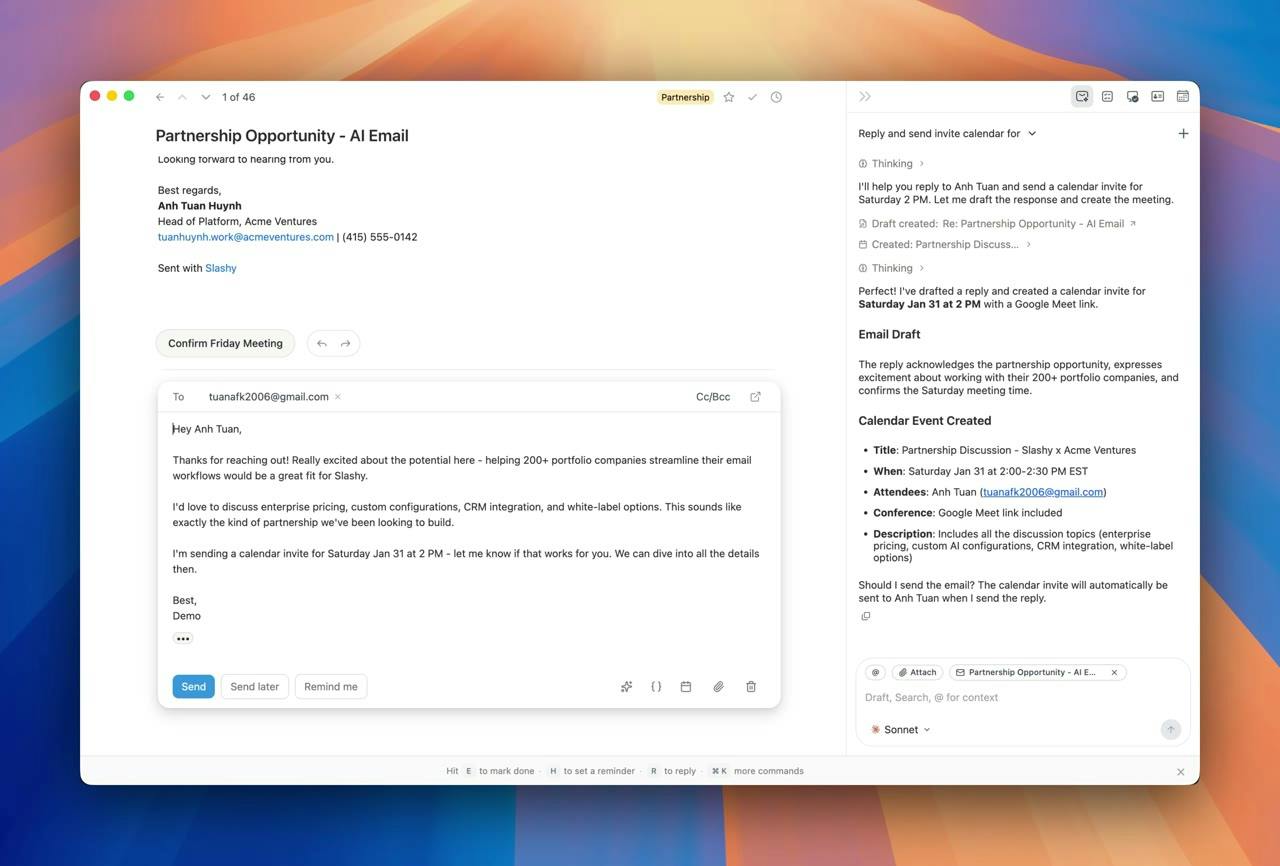
Slashy Assistant: The AI Email Assistant That Handles Your Inbox for You
Slashy Assistant is an AI-native email client with a built-in smart assistant that drafts replies in your voice, organizes email, schedules meetings, and tracks follow-ups. Accessible via iMessage, Slack, and phone — set up in five minutes.