AI Large Model Interview Trends: 625 Real Post-Interview Reviews Reveal Core Focus Areas
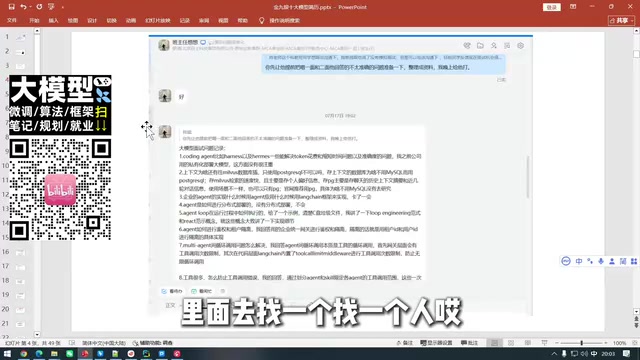
625 real interview reviews reveal what AI large model interviewers actually focus on.
Drawing from 1,700+ students, 1,065 resume revisions, and 625 post-interview reviews, this article uncovers core interview trends in the AI large model field. Key focus areas include multi-Agent collaborative architecture, deep understanding of underlying principles, and enterprise-level project experience, along with practical tips for resume optimization and interview review strategies.
Introduction
As AI large models rapidly evolve, the job market is undergoing profound transformation. A seasoned professional who has trained over 1,700 students, revised 1,065 resumes, and conducted 625 post-interview reviews shares insights drawn from a wealth of real-world cases, revealing the core trends and key takeaways in today's AI/large model interview landscape.
Interview Data Background: Backed by Over a Thousand Real Cases
According to Teacher Xiao Bin (founder of Mashi Education and former China Telecom employee), since launching the large model course, he has served over 1,700 students, including:
- 1,065 resume revisions: Comprehensive optimization covering resume structure, project descriptions, tech stack presentation, and more
- 625 post-interview reviews: Complete interview recording analysis and question breakdowns
- Real-time tracking mechanism: Students submit their question lists immediately after interviews for targeted review sessions
This analysis based on large-scale real data offers a unique perspective for understanding current AI interview trends. Unlike theoretical analysis, this data directly reflects actual enterprise needs and what interviewers truly care about.
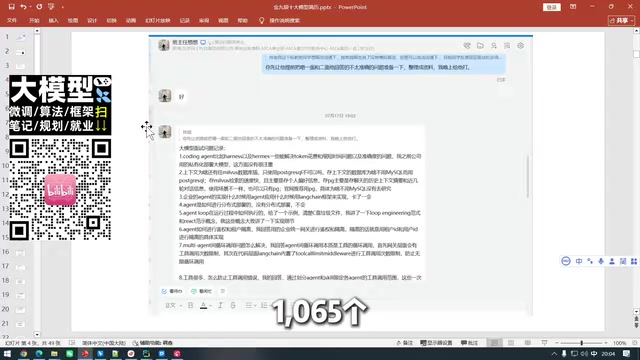
Breaking Down What Interviewers Really Care About
Understanding Multi-Agent Collaborative Architecture
According to the latest interview trend analysis, multi-Agent collaborative systems have become a high-frequency topic. Interviewers are no longer satisfied with a candidate's ability to work with a single model — they now dig deeper into:
- Communication mechanisms and protocol design between Agents
- Task decomposition and allocation strategies
- Context management and state synchronization
- Reliability guarantees in enterprise-level scenarios
Technical Background: Multi-Agent Systems (MAS) originate from the field of distributed artificial intelligence, referring to system architectures where multiple autonomous intelligent agents collaborate to accomplish complex tasks. In the era of large models, this concept has been revitalized: each Agent can be a specialized LLM instance with domain-specific knowledge and task capabilities. For example, a customer service system might include an intent recognition Agent, a knowledge retrieval Agent, and a dialogue generation Agent. Agents communicate through message passing, shared memory, or event buses, and must address engineering challenges such as task decomposition, load balancing, and fault tolerance. Current mainstream frameworks like AutoGen and LangGraph provide multi-Agent orchestration capabilities, making this an important dimension for enterprises evaluating a candidate's architecture design skills.
Deep Understanding of Underlying Principles
Interview question logs show that enterprise expectations for candidates have shifted from "knowing how to use it" to
Related articles
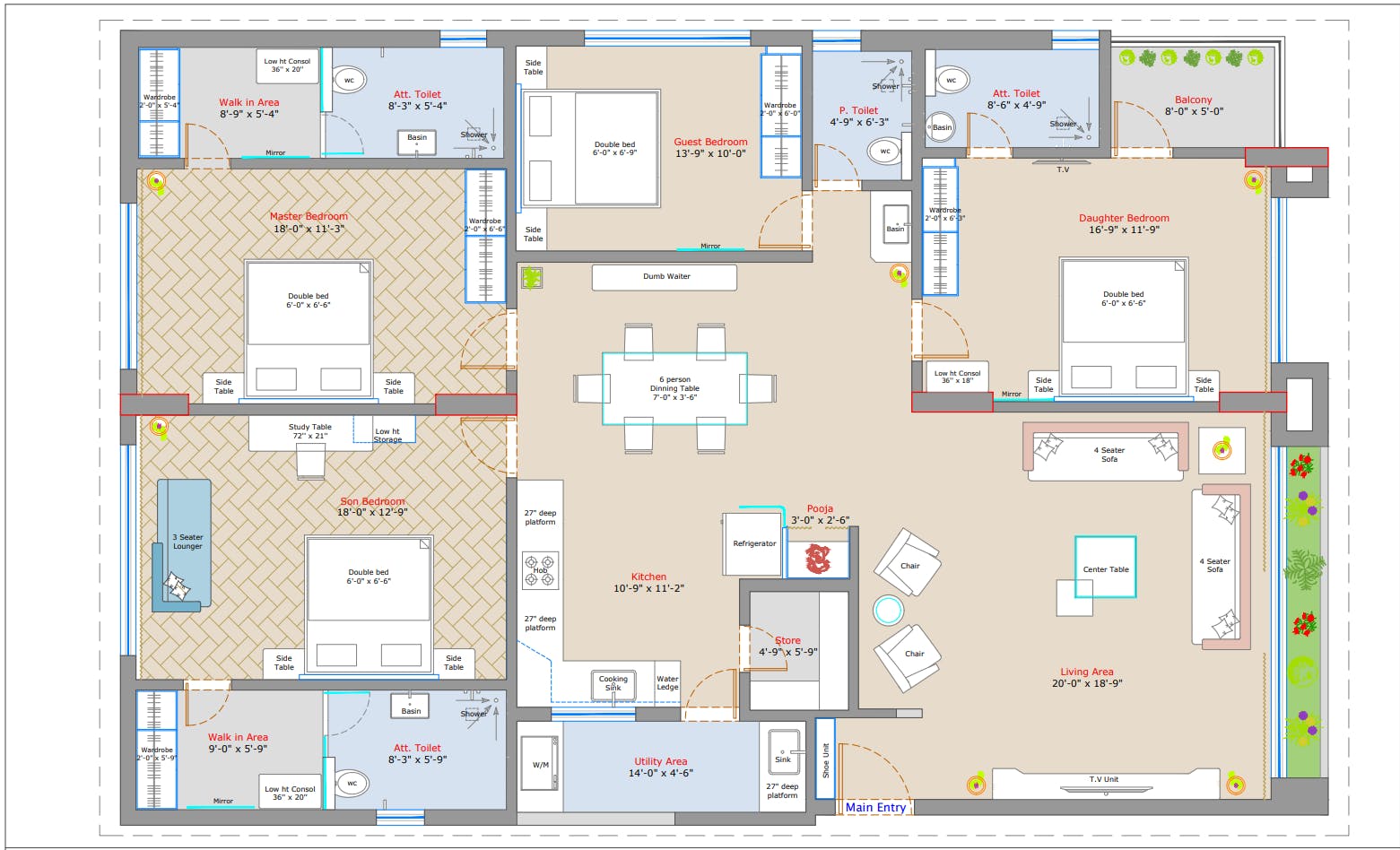
HouseSpaceAI: Upload 2D Floor Plans, AI Automatically Generates Interior Design Schemes
HouseSpaceAI is an AI interior design tool where users upload 2D floor plans or sketches and AI Agents generate multiple design schemes in minutes. Deep dive into its features, use cases, and real-world limitations.

Nathan Fielder Documentary Focuses on Elizabeth Holmes and the Theranos Scandal
Comedy director Nathan Fielder premieres documentary You Can See Everything at Telluride, offering a unique perspective on Elizabeth Holmes and the Theranos fraud scandal, exploring Silicon Valley's startup mythology and the boundaries of deception.
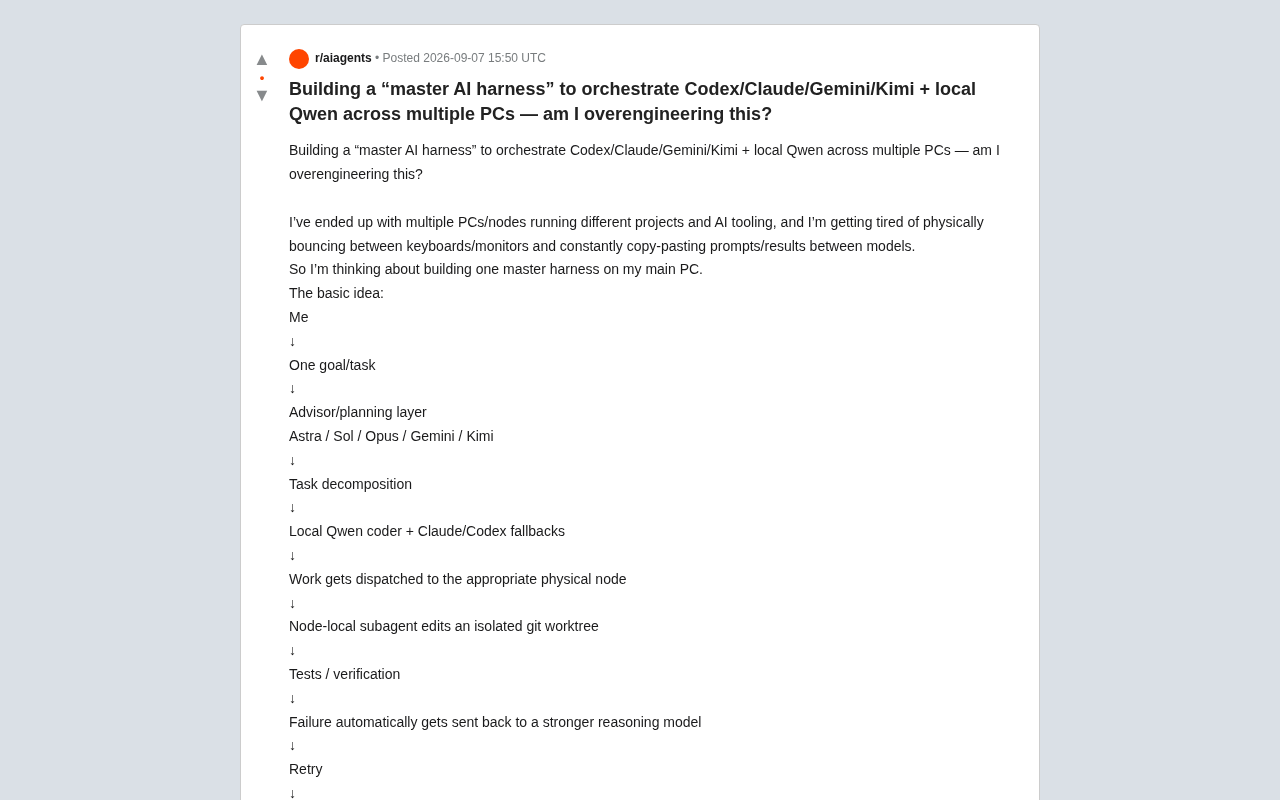
Multi-Model Multi-Machine Orchestration: Deep Dive into Unified AI Scheduling Architecture
In-depth analysis of multi-agent orchestration architecture: building unified AI scheduling with ACP, MCP, git worktree to achieve local model execution + cloud model review collaboration, with minimum viable loop validation and key risk analysis.