AI Product Update Notification Fatigue: Balancing User Experience with Rapid Iteration

How AI products can balance rapid iteration with user experience through smarter update notification strategies
A Claude user's Reddit complaint about excessive update prompts highlights a critical tension in AI products: rapid deployment versus user experience. This article examines why AI companies update so frequently due to CI/CD practices and competitive pressure, how these interruptions break user flow and diminish perceived professionalism, and proposes solutions like Service Worker-based silent updates and context-aware notifications to decouple technical deployment frequency from user-facing prompts.
A Reddit Complaint That Sparked Reflection
Recently, a Claude user took to Reddit to complain about overly frequent update prompts on the web platform. The user expressed frustration that "reload" notifications appear far more than once per day, creating a sense of interruption and unprofessionalism. They even joked, questioning Anthropic: "Does every engineer commit trigger a user reload?"
The original post was blunt: "The extremely frequent updates make the product feel janky and unprofessional. This should be more organized, at most twice a week."
This seemingly ordinary user complaint actually reflects a deeper contradiction in today's AI products between rapid iteration and user experience.
Why AI Products Update So Frequently
Driven by Continuous Deployment Culture
Modern web applications widely adopt Continuous Integration/Continuous Deployment (CI/CD) practices. CI/CD is a core practice in modern software engineering, popularized by internet giants like Amazon and Netflix. Continuous integration requires development teams to frequently merge code changes into the main branch, with each merge triggering automated builds and tests; continuous deployment goes further by automatically releasing tested code to production environments. A typical CI/CD pipeline includes: code commit → automated testing → build and packaging → canary release → full rollout, with the entire process completing in minutes to hours.
For AI companies like Anthropic and OpenAI operating in fierce competition, rapid iteration is practically a survival necessity. Every model capability adjustment, every interface bug fix, every new feature launch can trigger a frontend resource update.
When backend code changes while users' browsers still run the old frontend version, systems typically detect version mismatches. Web applications commonly use frontend-backend separation architecture, where frontend JavaScript, CSS, and other static resources deploy independently from backend API services. Mainstream version management solutions include filename hashing (each build generates new filenames forcing browser re-downloads) and version number detection mechanisms (frontend periodically queries the server for version numbers, prompting updates when mismatches are detected). In teams averaging dozens of code commits daily, the frequency of these prompts naturally rises.
A Side Effect of High-Speed Competition
From ChatGPT to Claude to Gemini, competition among leading AI assistants has intensified. Feature update speed directly impacts market share. Many AI companies also employ canary deployments and gradual rollout strategies to reduce release risks—new versions first open to a small percentage of users (e.g., 5%), with gradual expansion after observing stability. This means multiple versions may run in parallel simultaneously, further complicating version management.
Driven by a "ship fast, fix fast" strategy, engineering teams often prioritize iteration speed while placing "edge experience" issues like update notifications as secondary concerns. The frequent popups users see are essentially side effects of rapid product evolution.
How Frequent Update Notifications Harm User Experience
Interrupting Flow Is the Biggest Pain Point
The original poster used the word "distracting," hitting the nail on the head. Flow is a concept introduced by psychologist Mihaly Csikszentmihalyi, referring to the optimal experience state of complete immersion in an activity. Research shows entering flow state requires an average of 15-20 minutes, but re-entering after interruption can take over 25 minutes.
Core use cases for AI conversation tools often involve deep thinking, programming assistance, long-form writing, and other tasks requiring intense focus. When users are immersed in multi-turn conversations with AI, a mandatory or semi-mandatory update prompt instantly breaks flow. For cognitively intensive tasks like programming and writing, each interruption incurs significant cognitive switching costs.
Worse still, if reloading causes unsaved conversation state to be lost, user frustration multiplies.
Hidden Loss of Product Professionalism
The user mentioned "unprofessional"—a signal worth heeding. Product professionalism manifests not only in core functionality but also in interaction details. Frequent technical popups subconsciously make users feel the product is "unfinished" or "unstable," even when actual functionality is robust.
For subscription-based commercial products, this perception gap can directly impact user retention and renewal willingness.
Optimization Strategies for AI Product Update Experiences
Silent Updates and Delayed Notification Mechanisms
Industry best practice is to adopt silent updates whenever possible—preloading new version resources in the background and seamlessly switching when users naturally refresh or start new sessions, without actively interrupting current operations.
Service Workers are key technology for implementing silent updates. They are powerful offline caching mechanisms provided by modern browsers, essentially JavaScript scripts running in the browser background that can intercept network requests and manage cache strategies. In update scenarios, Service Workers can download new version resources in the background, then notify the main page via messages upon completion, allowing users to actively decide when to activate the new version. Products like Google Docs and Twitter use this approach.
For major updates requiring notification, non-blocking designs should be adopted, such as displaying a dismissible small banner in a page corner rather than a forced popup. The user's suggestion of "at most twice a week," though emotional, reflects a reasonable underlying need: technical update frequency should be decoupled from user notification frequency. Engineers can continue deploying multiple times daily without necessarily alerting users each time.
Respecting User's Current Operation State
Ideal update mechanisms should detect whether users are in active conversations, avoiding prompts at critical moments. They should also ensure refreshing doesn't lose context, transforming "reload" from an interruption into a painless operation.
Product Details Competition in the AI Era Cannot Be Ignored
This Reddit post reminds us that as AI model capabilities converge, product differentiation is shifting from "who's smarter" to "who's more usable." Model capability is the ceiling, but experience details determine the floor of daily usage satisfaction.
For companies like Anthropic with "responsible AI" brand positioning, polishing these seemingly minor interaction details is equally important for building user trust. A smooth, seamless update experience may win long-term users' hearts more effectively than one flashy feature.
After all, the best technology is the kind users don't even notice exists.
Related articles

Kira Community: How an AI Creation Tool Is Transforming Into a Creator Community
Kira Community pivots from an AI image/video generation tool to a creator community, using hashtags to organize content and help creators build portfolios and find peers.
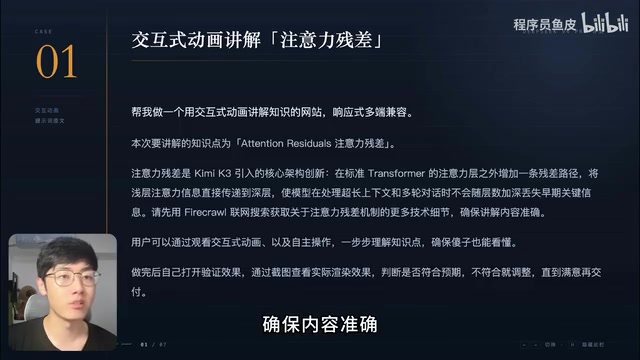
DeepSeek V4 Pro Real-World Test: 7 Projects Reveal Its True Coding Ability and Value
Real-world test of DeepSeek V4 Pro across 7 projects covering frontend, backend, 3D games, and long tasks. Frontend lags behind Claude, but at 1/180th the cost.
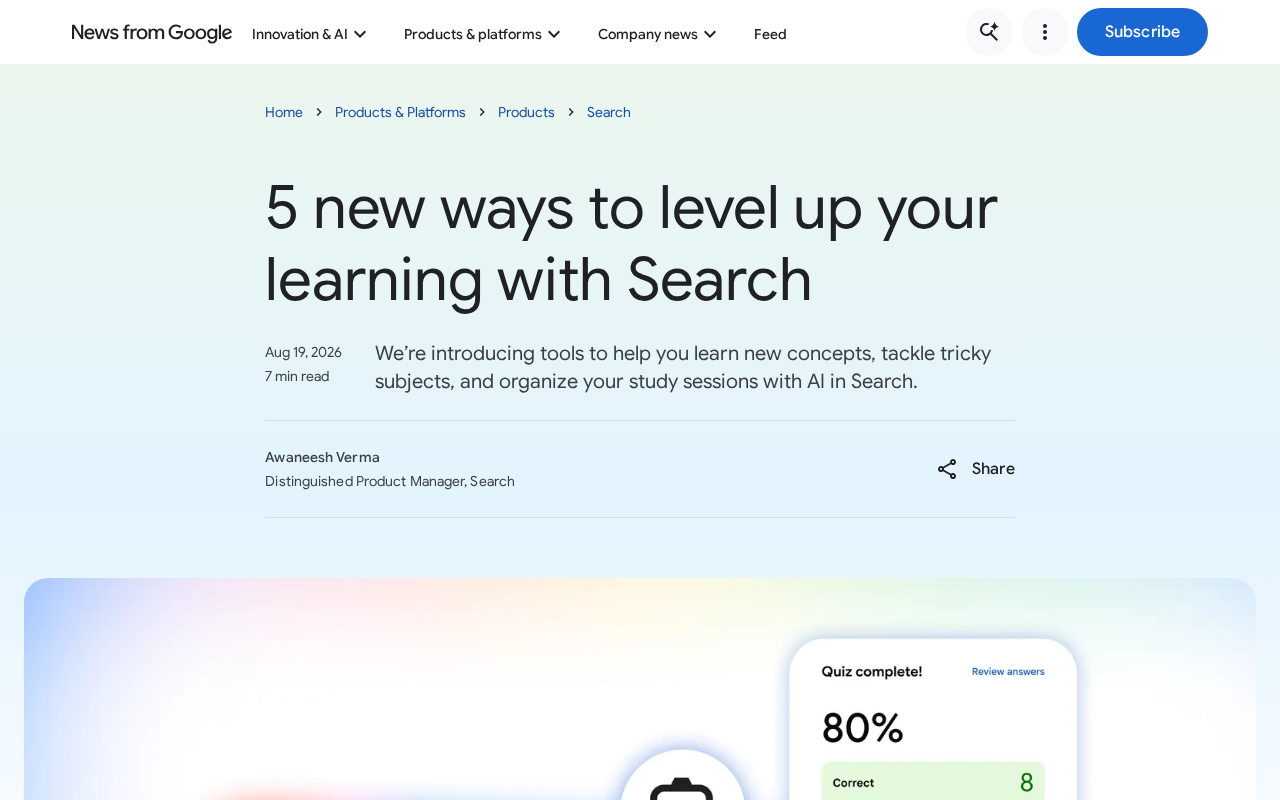
Google Search Launches Five AI Learning Features: A Complete Guide to Test Prep Assistants and Smart Learning Platforms
Google Search launches five AI learning features covering standardized test prep, structured knowledge review, and interactive practice — transforming search into a smart learning platform.