@ai-sdk/tui@1.0.104 Released: Vercel AI SDK Dependency Update
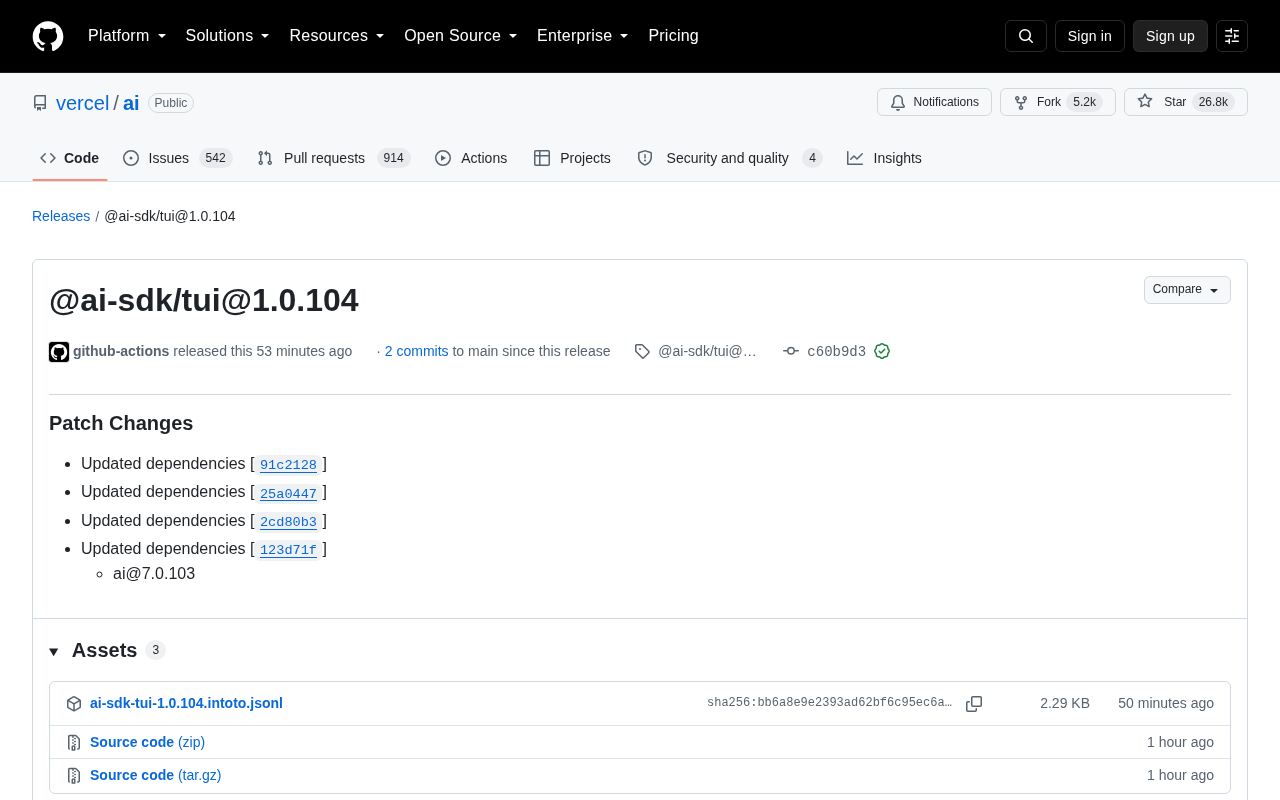
Vercel AI SDK sub-package @ai-sdk/tui releases v1.0.104 patch, syncing with core package ai@7.0.103.
`@ai-sdk/tui@1.0.104` is a routine patch update in the Vercel AI SDK ecosystem, with core changes focused on dependency synchronization to align with the core package `ai@7.0.103`. Published automatically via GitHub Actions with GPG signature verification, it contains no new features or breaking changes, making it a low-risk upgrade. As a sub-package focused on Terminal User Interface scenarios, `@ai-sdk/tui` serves AI integration needs in command-line environments. With over 26.8k GitHub stars, Vercel AI SDK remains a leading framework for building AI applications in JavaScript/TypeScript, and its frequent sub-package releases reflect an active, healthy maintenance cadence.
Vercel's AI SDK ecosystem has shipped a patch release for @ai-sdk/tui@1.0.104. This is a minor version iteration published via GitHub Actions automation, focused primarily on dependency synchronization to align with the core package ai@7.0.103.
What's in This Update
According to the GitHub release page, @ai-sdk/tui@1.0.104 is classified as a Patch Change. The core modifications are concentrated on dependency upgrades, involving the following commit hashes:
91c212825a04472cd80b3123d71f
This update brings @ai-sdk/tui into alignment with ai@7.0.103. Patch releases like this typically introduce no breaking changes — they're primarily used for bug fixes, dependency syncing, and internal maintenance. Developers can upgrade with relative confidence.
The release was published automatically via GitHub Actions and signed with a verified GitHub signature (GPG key ID: B5690EEEBB952194), ensuring the integrity and trustworthiness of the published artifact.
About Vercel AI SDK
Vercel AI SDK is one of the most widely followed AI application development toolkits in the JavaScript/TypeScript ecosystem. Its GitHub repository (vercel/ai) has accumulated over 26.8k stars and 5.2k forks, making it a mainstream open-source framework for building AI-powered applications.
The SDK provides a unified interface for integrating with multiple large language model (LLM) providers, and abstracts common capabilities such as streaming responses, tool calling, and structured output — helping developers quickly build chatbots, AI assistants, and intelligent agents.
@ai-sdk/tui is a sub-package within the SDK ecosystem focused on Terminal User Interface (TUI) scenarios, providing support for integrating AI capabilities in command-line environments.
The TUI (Terminal User Interface) in @ai-sdk/tui is the counterpart to GUI (Graphical User Interface) — it refers to interactive interfaces that run entirely within a command-line or terminal environment. In AI toolchain contexts, TUI packages are commonly used in CLI tools, local development and debugging scripts, and server-side automation tasks that don't rely on a browser. Developers can use it to interact with large language models directly from the terminal — for example, building a local command-line chat tool or an automated script assistant — without needing to set up a full web frontend. As an independently published sub-package in a monorepo structure, it can be imported on demand without adding unnecessary bundle weight to projects that only use web-facing features.
Why Patch Updates Matter
For actively maintained open-source projects, frequent patch releases are a sign of good health. Sub-packages like @ai-sdk/tui that closely follow the main package's release cadence use dependency synchronization to ensure version consistency across the entire SDK ecosystem, preventing compatibility issues caused by version mismatches between packages.
For teams using Vercel AI SDK, it's worth keeping an eye on the version correspondence between the ai core package and its sub-packages. When the core package upgrades, related sub-packages (such as tui) typically publish patch releases in sync to maintain compatibility.
Since this is a patch-level update, the upgrade risk is low — but it's still recommended to run regression tests before deploying to production, to confirm that changes in the dependency chain don't affect existing functionality.
Semantic Versioning (SemVer) is a widely adopted version naming convention in the modern open-source ecosystem, using the format MAJOR.MINOR.PATCH. The PATCH version is reserved for backward-compatible bug fixes and maintenance changes; MINOR is for backward-compatible new features; and MAJOR signals breaking changes. The 104 in @ai-sdk/tui@1.0.104 is the patch number, indicating that over one hundred maintenance iterations have been made within the 1.0.x series — a testament to the package's high-frequency, continuous maintenance cadence. The benefit of following SemVer is that developers can assess upgrade risk directly from the version number: patch upgrades theoretically won't break existing code and can be configured for automatic acceptance in dependency managers like npm or pnpm.
Summary
@ai-sdk/tui@1.0.104 is a routine dependency-sync patch update with no new features or significant changes. It reflects the continuous, high-frequency iteration pace of the Vercel AI SDK ecosystem. For developers following this ecosystem, syncing this upgrade in your dependency management is straightforward, and brings the stability benefits of aligning with ai@7.0.103.
Related articles
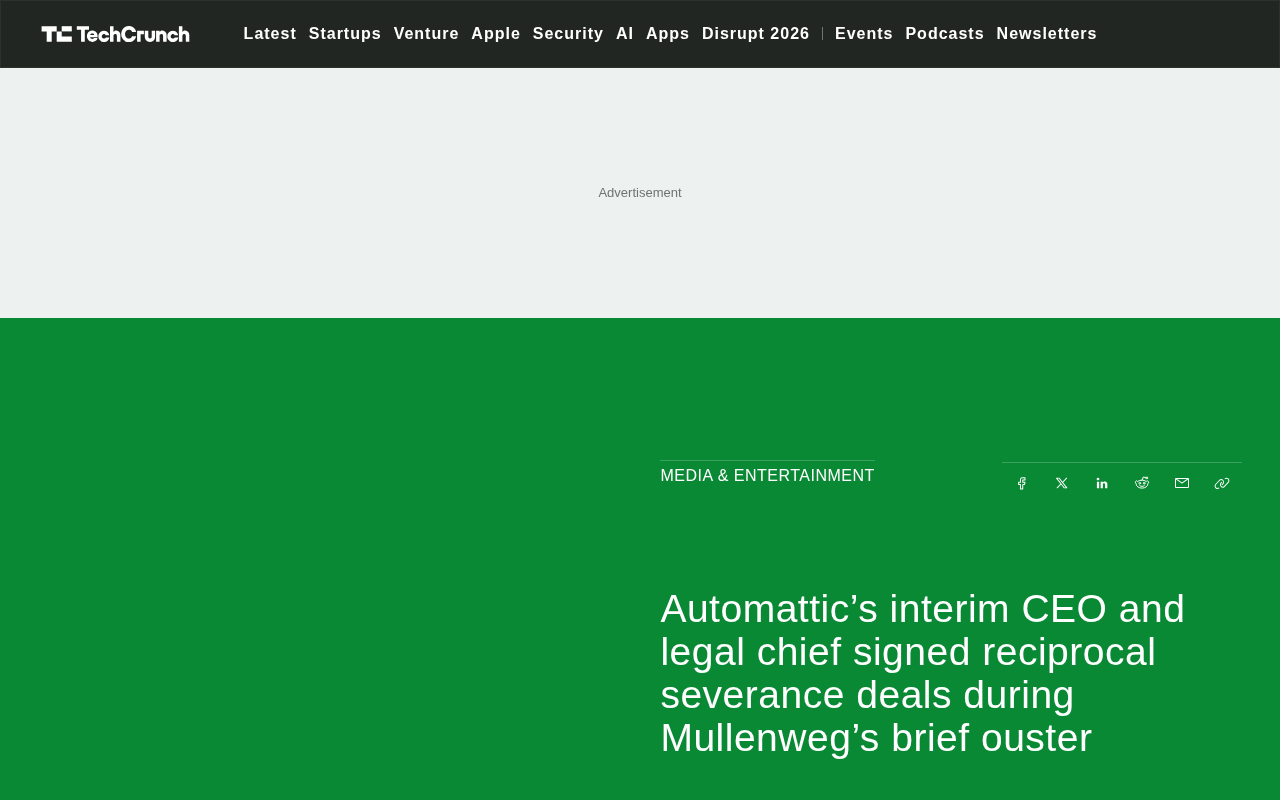
Automattic Executives Signed Reciprocal Severance Agreements During Mullenweg's Brief Ouster
Automattic's CFO and General Counsel signed reciprocal severance agreements during Matt Mullenweg's brief ouster, covering one year's salary and accelerated equity vesting, raising corporate governance concerns.
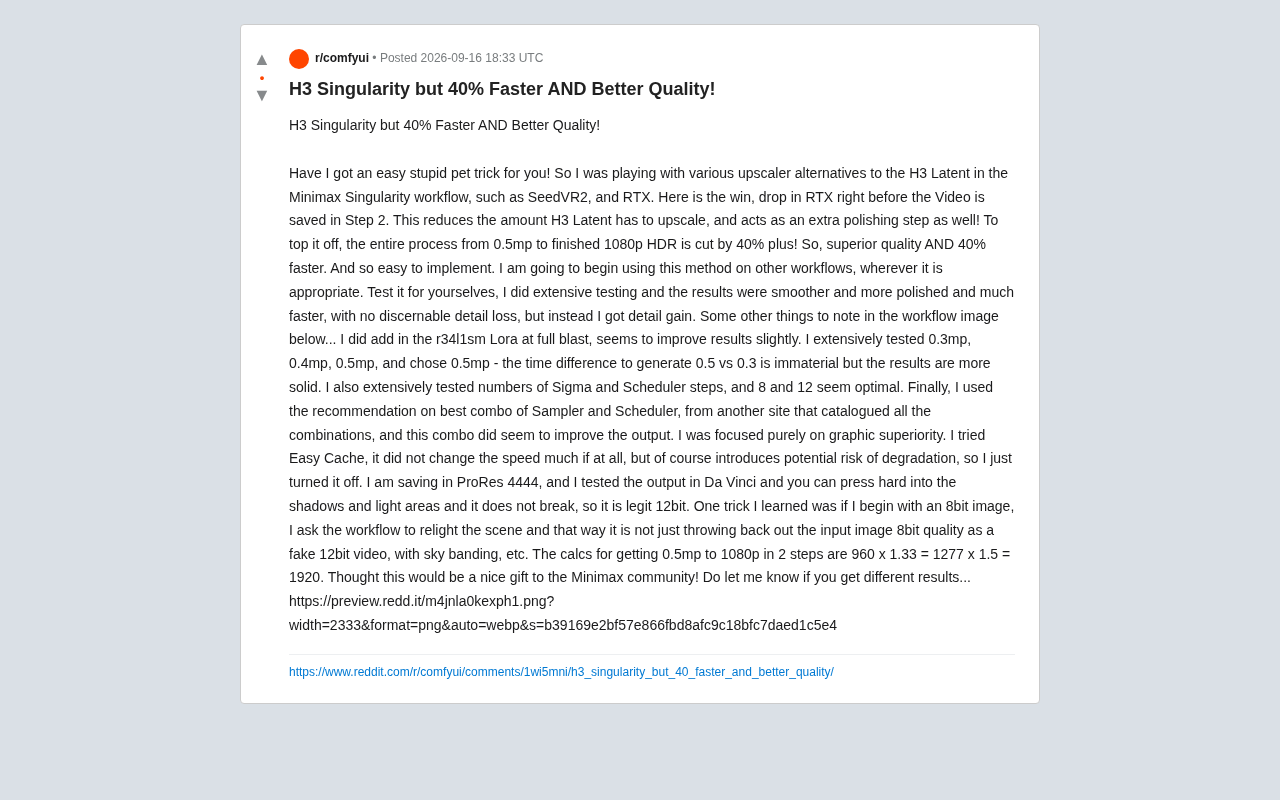
H3 Singularity Optimization: 40% Speed Boost With Better Image Quality
A Reddit user's Minimax Singularity workflow tip: insert an RTX upsampler before H3 Latent for 40%+ speed gains and better quality. Covers parameters, 12-bit output, and more.
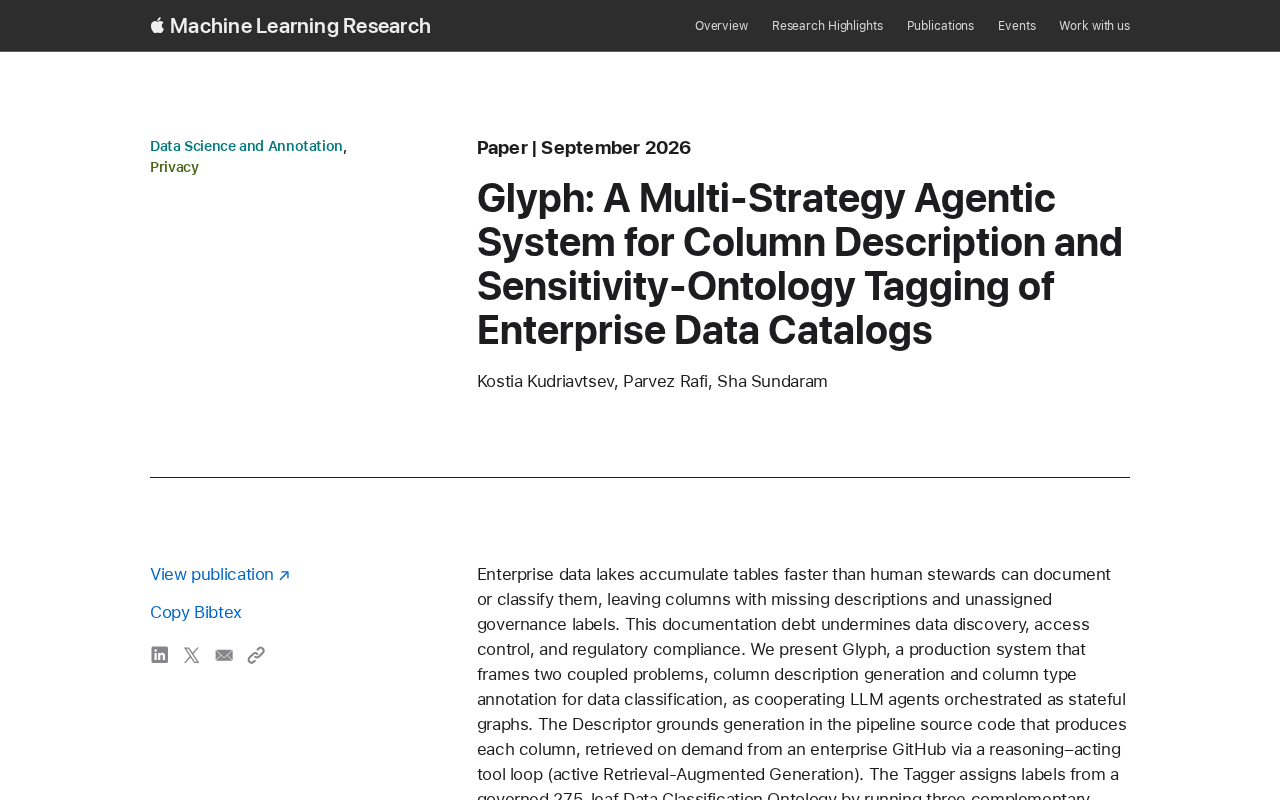
Glyph: A Multi-Strategy Agent System for Automated Enterprise Data Catalog Annotation
Glyph is a multi-strategy LLM agent system for enterprise data catalogs that automates column description generation and sensitivity ontology tagging, grounding outputs in pipeline source code to improve accuracy.