@ai-sdk/vue 4.0.101 Patch Release: Vue AI SDK Dependency Update
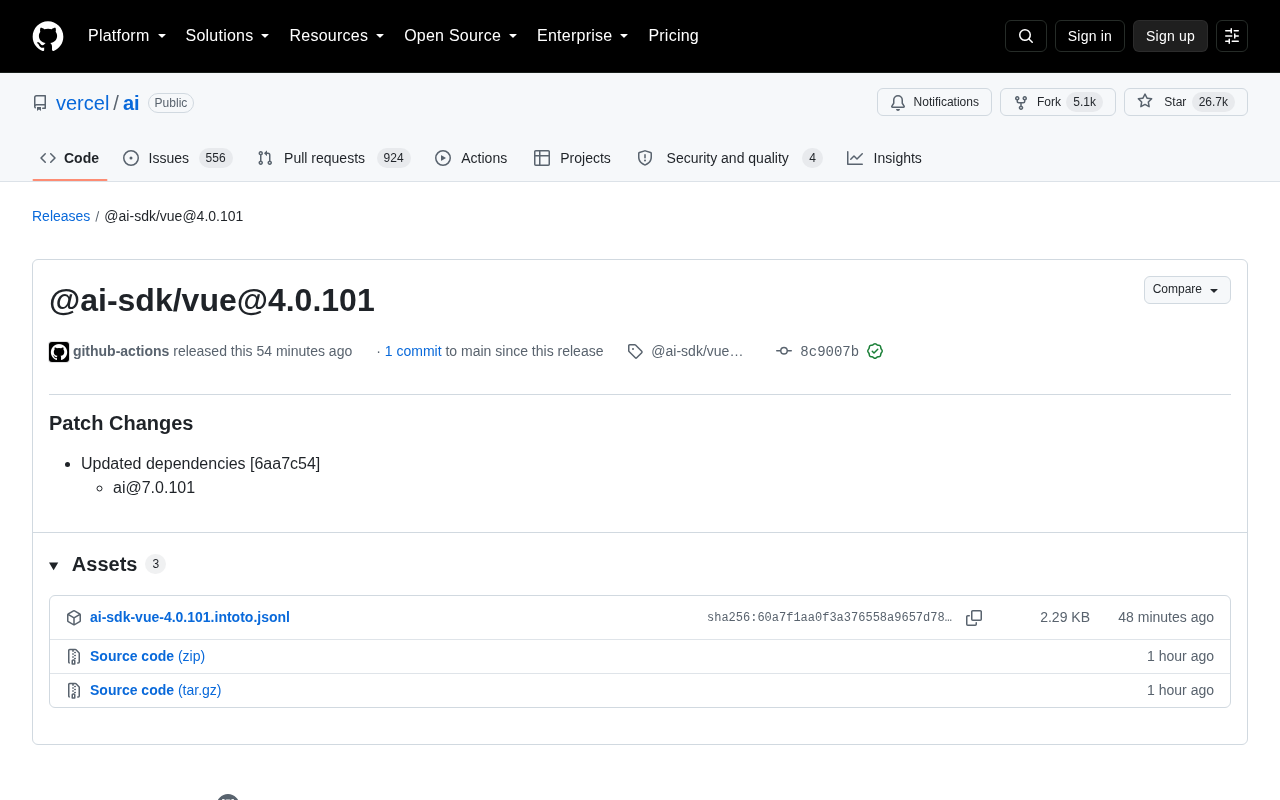
@ai-sdk/vue 4.0.101 patch syncs the underlying ai core package to version 7.0.101.
`@ai-sdk/vue` 4.0.101 is a dependency-sync patch update that upgrades the underlying `ai` core package to 7.0.101 — a routine version alignment where the framework adapter follows the core library. The package is Vercel AI SDK's integration layer for Vue developers, providing Composables like `useChat` and `useCompletion` with streaming response and reactive state support. No breaking changes are included; developers can upgrade safely after testing. For details on what was actually fixed, refer to the `ai` core package changelog.
Vercel's AI SDK Vue integration package @ai-sdk/vue has released version 4.0.101. This is a patch-level update focused on dependency synchronization, giving Vue ecosystem developers a timely update to track.
What's Changed
According to the GitHub Release page, the core change in @ai-sdk/vue@4.0.101 is a dependency upgrade: the underlying ai core package has been updated to ai@7.0.101. This is a typical cascading version alignment — when the core library publishes a new version, each framework adapter (Vue, React, Svelte, etc.) follows suit to maintain compatibility.
This release was published automatically via GitHub Actions, with commits verified through GitHub's verified signature system (GPG key ID: B5690EEEBB952194), ensuring the trustworthiness of the release artifact from an engineering standards perspective.
What Is @ai-sdk/vue
AI SDK is an open-source toolkit from Vercel designed for rapidly building AI features in frontend and full-stack applications — think chatbots, text generation, streaming responses, and more. It's built on a framework-agnostic core library (ai) with dedicated adapter layers for different frontend frameworks.
@ai-sdk/vue is the adapter package for Vue developers. It provides Composables like useChat and useCompletion, enabling developers to integrate large language models in Vue's idiomatic reactive style — handling message streams, loading states, and user input. The overall vercel/ai project has accumulated over 26,000 stars and 5,100 forks on GitHub, making it one of the more mainstream frameworks for AI application development.
useChat and useCompletion are the two core Composables offered by @ai-sdk/vue. useChat is designed for multi-turn conversation scenarios — it maintains a message history list internally, automatically manages the append logic for streaming responses, and exposes reactive state like messages, input, and handleSubmit. Developers don't need to manually write fetch polling or SSE parsing code. useCompletion, on the other hand, is better suited for single-shot text completion scenarios, such as generating a passage of copy from a prompt. Both are built on Vue 3's Composition API, using Server-Sent Events (SSE) or ReadableStream under the hood to deliver token-by-token streaming output — so AI responses appear on screen in real time like a typewriter, rather than being returned all at once after full generation.
The Significance of a Patch Update
Patch versions typically don't introduce breaking changes and rarely add new features — they're primarily for bug fixes or dependency synchronization. For projects already using @ai-sdk/vue, this kind of update is generally safe to adopt. It ensures alignment with the core library and avoids type mismatches or runtime errors caused by version mismatches.
What's worth paying attention to for developers is the specific changes in the core package ai@7.0.101. Since the Vue adapter's behavior largely depends on the core library, if you want to understand what this update actually fixes, it's recommended to check the corresponding changelog for the ai core package.
Semantic Versioning (SemVer) is the most common versioning convention in the npm ecosystem, formatted as
MAJOR.MINOR.PATCH. A patch version increment indicates a backwards-compatible bug fix; a minor version increment indicates backwards-compatible new features; a major version increment signals breaking changes.@ai-sdk/vuegoing from 4.0.100 to 4.0.101 — a patch bump of +1 — means no API changes should be introduced per SemVer convention, and consumers can safely accept this update automatically. This is also the version management logic behind using^4.0.0(allows minor and patch upgrades) or~4.0.100(patch upgrades only) inpackage.json.
Practical Recommendations for Developers
For production projects, it's recommended to first verify the upgrade on a test branch before merging into the main line — even with version locking via package-lock.json or pnpm-lock.yaml. While patch version risk is low, cascading updates in the dependency tree can still occasionally produce unexpected behavioral differences.
Example upgrade commands:
npm install @ai-sdk/vue@4.0.101
# or
pnpm add @ai-sdk/vue@4.0.101
Keeping up with AI SDK version releases helps you receive performance improvements and bug fixes promptly, and ensures your application stays compatible with the latest model integration patterns.
Related articles
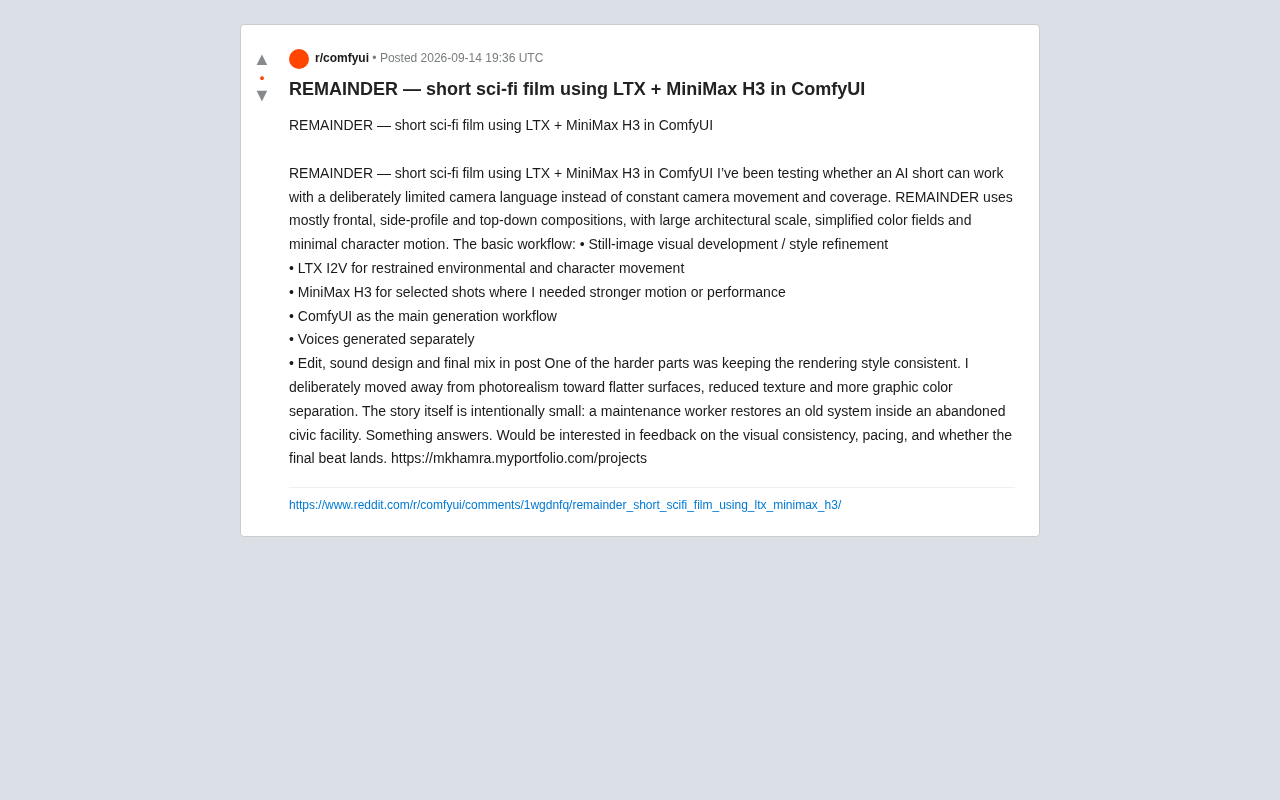
Building an AI Sci-Fi Short with LTX + MiniMax H3: Restrained Cinematography in ComfyUI
Sci-fi short REMAINDER uses LTX, MiniMax H3, and ComfyUI with restrained cinematography and flat aesthetics to solve visual consistency in AI filmmaking.
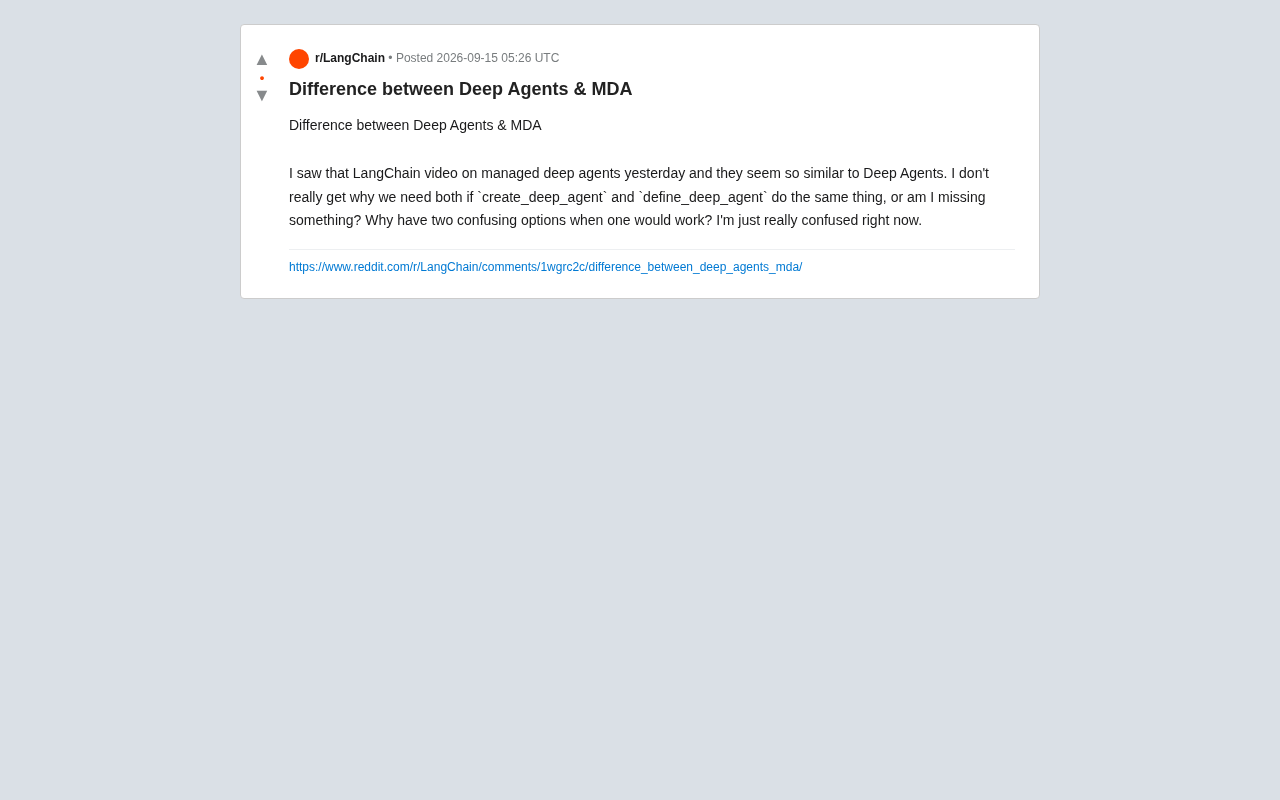
LangChain Deep Agents vs. MDA: Clearing Up the Confusion for Developers
What's the difference between LangChain's Deep Agents and MDA (Managed Deep Agents)? We break down create_deep_agent vs. define_deep_agent and help developers choose.
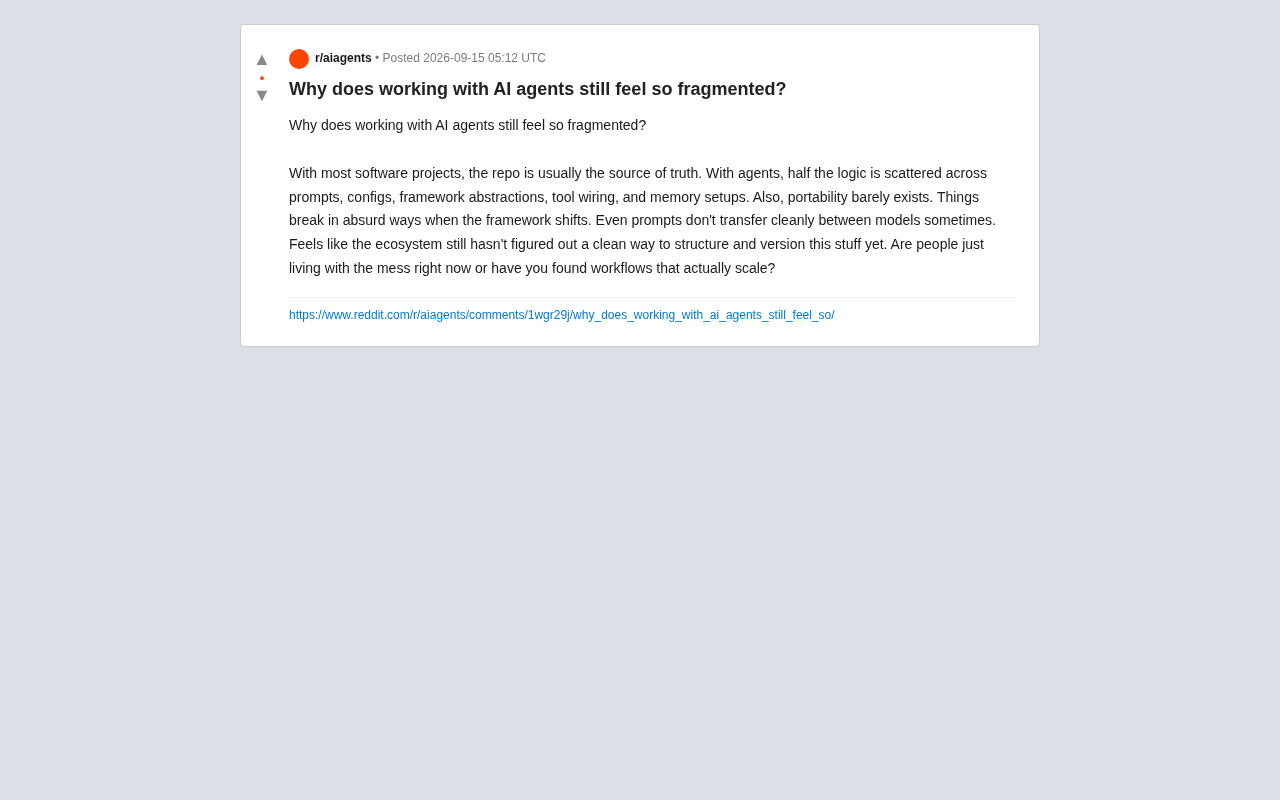
Why Is AI Agent Development So Fragmented? The Real Causes and How to Work Around Them
Why does AI Agent development feel so fragmented? Logic scattered across prompts, configs, and frameworks makes portability nearly impossible. Here's why — and how to cope.