@ai-sdk/workflow 2.0.34 Released: A Deep Dive into the Vercel AI SDK Dependency Update
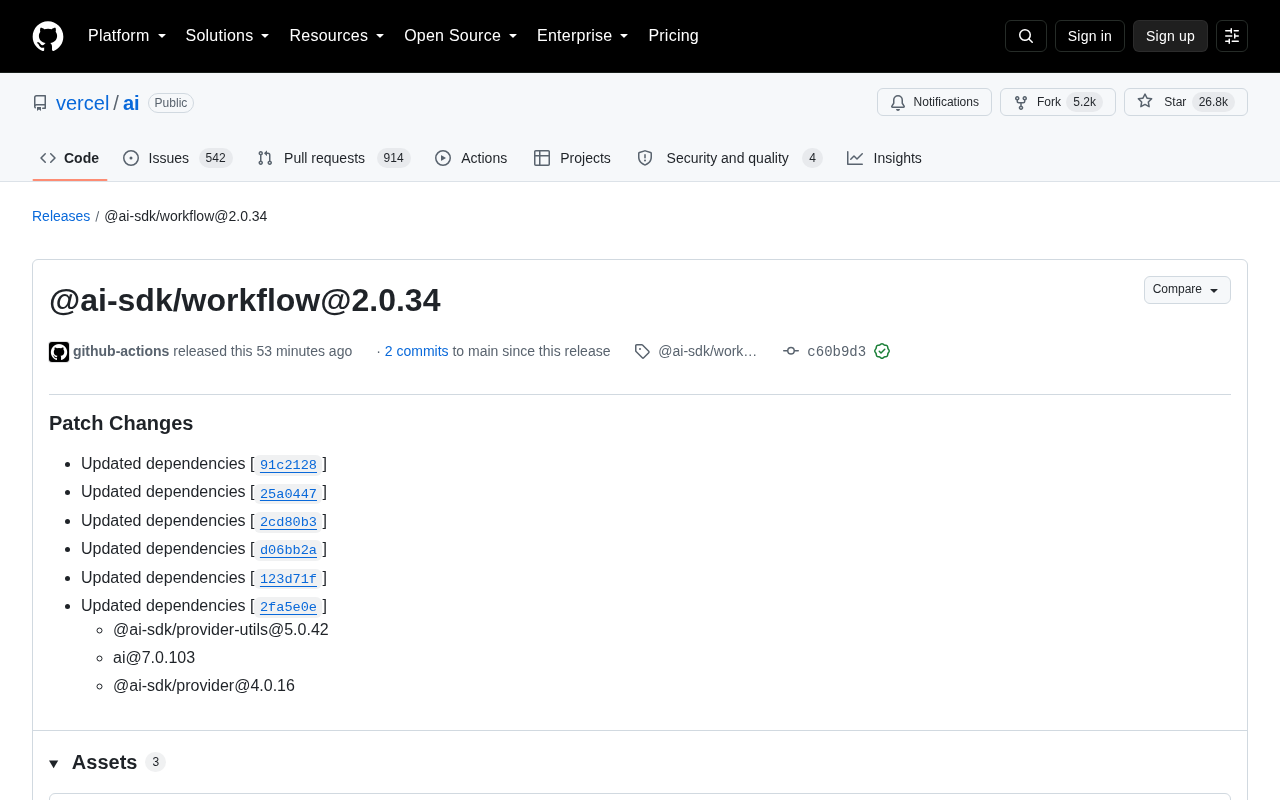
Vercel AI SDK's workflow module releases a patch update to sync with ai@7.0.103 and other core packages.
`@ai-sdk/workflow@2.0.34` is a routine patch update in the Vercel AI SDK ecosystem, syncing dependencies to `ai@7.0.103`, `@ai-sdk/provider@4.0.16`, and `@ai-sdk/provider-utils@5.0.42` with no user-facing feature changes or breaking updates. Since the entire SDK is managed as a monorepo, sub-package versions are tightly coupled, making these dependency-sync patches essential for maintaining type safety and runtime stability in production environments.
Vercel's AI SDK ecosystem has received a routine patch update, with @ai-sdk/workflow releasing version 2.0.34. This is a patch-level release focused primarily on dependency synchronization — no major new features, but it reflects the steady iteration cadence of the entire Vercel AI SDK package ecosystem.
What's in This Update
According to the GitHub Release page, @ai-sdk/workflow@2.0.34 falls under Patch Changes, with the main work being the synchronization of several upstream dependency updates. The release notes list multiple dependency commits (such as 91c2128, 25a0447, 2cd80b3, d06bb2a, 123d71f, 2fa5e0e), and upgrade the following core packages to their corresponding versions:
@ai-sdk/provider-utils@5.0.42ai@7.0.103@ai-sdk/provider@4.0.16
The version numbers tell an interesting story: the main ai package has entered the 7.x series, while the provider-related utility packages continue active iteration in the 4.x and 5.x ranges. This pattern of frequent minor updates is typical for modern frontend and AI tooling libraries — frequent patches keep the dependency chain healthy and compatible.
What Is @ai-sdk/workflow
@ai-sdk/workflow is a module within the Vercel AI SDK family designed for building and orchestrating AI workflows. In practice, AI workflows often involve multi-step model calls, tool calling, state management, and branching logic. This package aims to give developers a structured way to organize these complex AI call chains.
It depends on the underlying ai core package and the @ai-sdk/provider abstraction layer. The provider layer unifies the calling interfaces for different LLM providers (such as OpenAI, Anthropic, Google, etc.), while the workflow layer builds higher-level orchestration capabilities on top of that foundation. So when the underlying provider packages are updated, the workflow package must follow suit to maintain consistency across the entire call stack.
Tool calling is one of the core mechanisms in modern AI workflows. It refers to the ability of large language models to proactively invoke external functions or APIs during reasoning — to fetch real-time information or execute specific operations, such as querying a database, calling a search engine, or triggering business logic. Unlike single-turn Q&A, workflow orchestration typically requires chaining multiple model calls and tool calls together, dynamically deciding the next branch based on intermediate results. This is precisely where
@ai-sdk/workflowdelivers value: it abstracts these multi-step, stateful call chains into reusable structures, freeing developers from manually managing context passing and error handling at each step, and lowering the barrier to building complex AI Agents.
Why Dependency Sync Updates Matter
For developers, this kind of patch update is easy to overlook — but it's critical for production stability. Vercel AI SDK uses a monorepo management approach, where multiple sub-packages have tightly coupled version dependencies. When the core ai package upgrades to 7.0.103, if @ai-sdk/workflow doesn't update accordingly, you risk type errors or runtime issues caused by version mismatches.
This release was verified with a verified signature on GitHub (GPG key ID: B5690EEEBB952194) and published automatically by github-actions. This indicates that Vercel's release process is highly automated — packaging, signing, and publishing are all handled through CI/CD pipelines, reducing the risk of human error and ensuring supply chain integrity.
Monorepo (single repository) is an engineering practice of managing multiple related packages within the same Git repository, widely adopted by Google, Meta, and many open-source projects. Vercel AI SDK uses this model, meaning that
ai,@ai-sdk/provider,@ai-sdk/provider-utils,@ai-sdk/workflow, and more than a dozen other npm packages share the same source repository, CI pipeline, and release conventions. The benefit of this architecture is that cross-package type definition and interface changes can be committed atomically in a single PR, avoiding the version coordination delays common in multi-repo setups. The trade-off is that every change to a core package triggers a wave of patch releases across sub-packages, creating a high-frequency minor version cadence that downstream users need to manage carefully.
How Developers Should Respond
If you're using Vercel AI SDK to build AI applications, it's worth paying attention to version alignment across these packages. When upgrading the main ai package, it's a good idea to also check whether @ai-sdk/workflow, @ai-sdk/provider-utils, and @ai-sdk/provider need to be upgraded simultaneously — avoid mixing package versions from different generations.
It's worth noting that Vercel AI SDK currently has approximately 26.8k stars on GitHub with over 5.2k forks, making it one of the most active AI development frameworks in the JavaScript/TypeScript ecosystem. Its high-frequency iteration cadence also means developers need to establish solid dependency management habits — such as using a lockfile to pin versions and reviewing changelogs before upgrading.
Summary
@ai-sdk/workflow@2.0.34 is a classic dependency-sync patch release with no user-facing breaking changes. Its primary value lies in keeping pace with upstream updates like ai@7.0.103. For projects relying on this workflow orchestration module, this is a safe patch to apply. Small as it may be, it's one piece of the puzzle that keeps the Vercel AI SDK ecosystem healthy as a whole.
Related articles
Automattic Executives Signed Reciprocal Severance Agreements During Mullenweg's Brief Ouster
Automattic's CFO and General Counsel signed reciprocal severance agreements during Matt Mullenweg's brief ouster, covering one year's salary and accelerated equity vesting, raising corporate governance concerns.
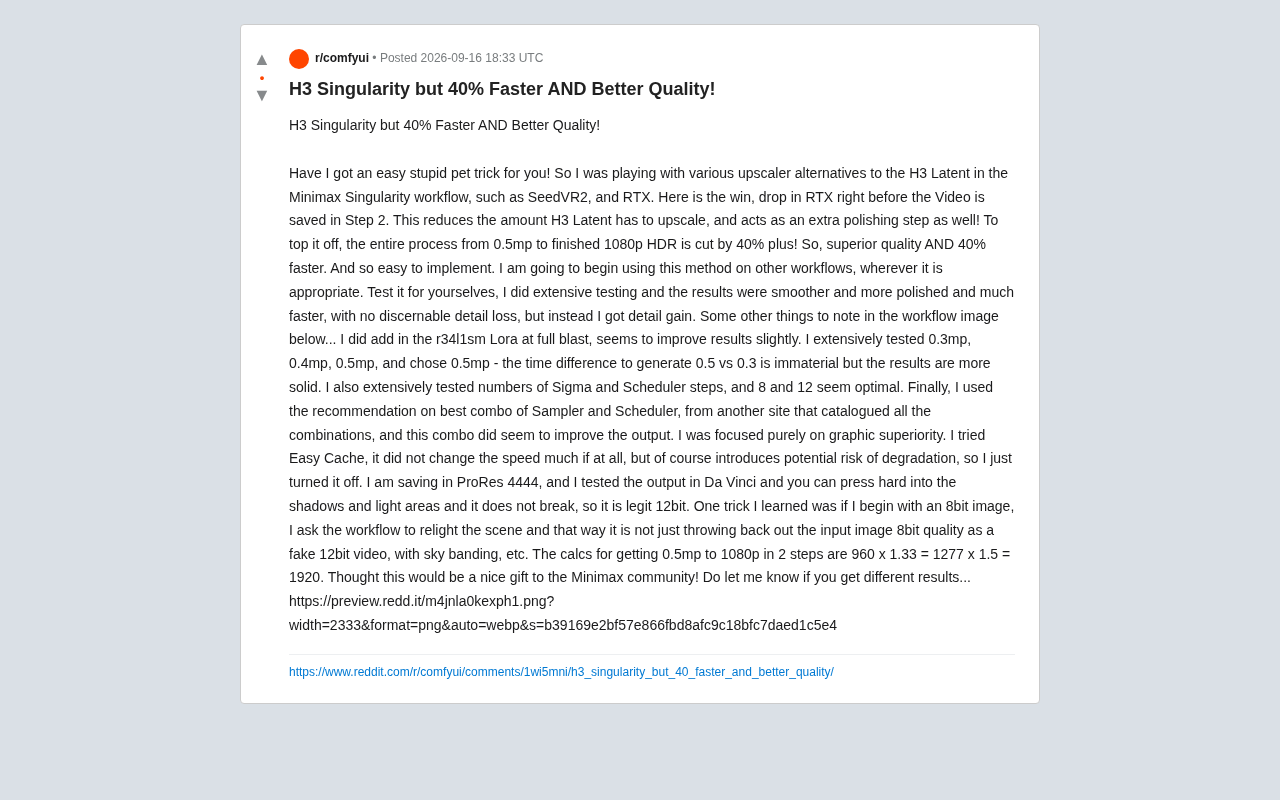
H3 Singularity Optimization: 40% Speed Boost With Better Image Quality
A Reddit user's Minimax Singularity workflow tip: insert an RTX upsampler before H3 Latent for 40%+ speed gains and better quality. Covers parameters, 12-bit output, and more.
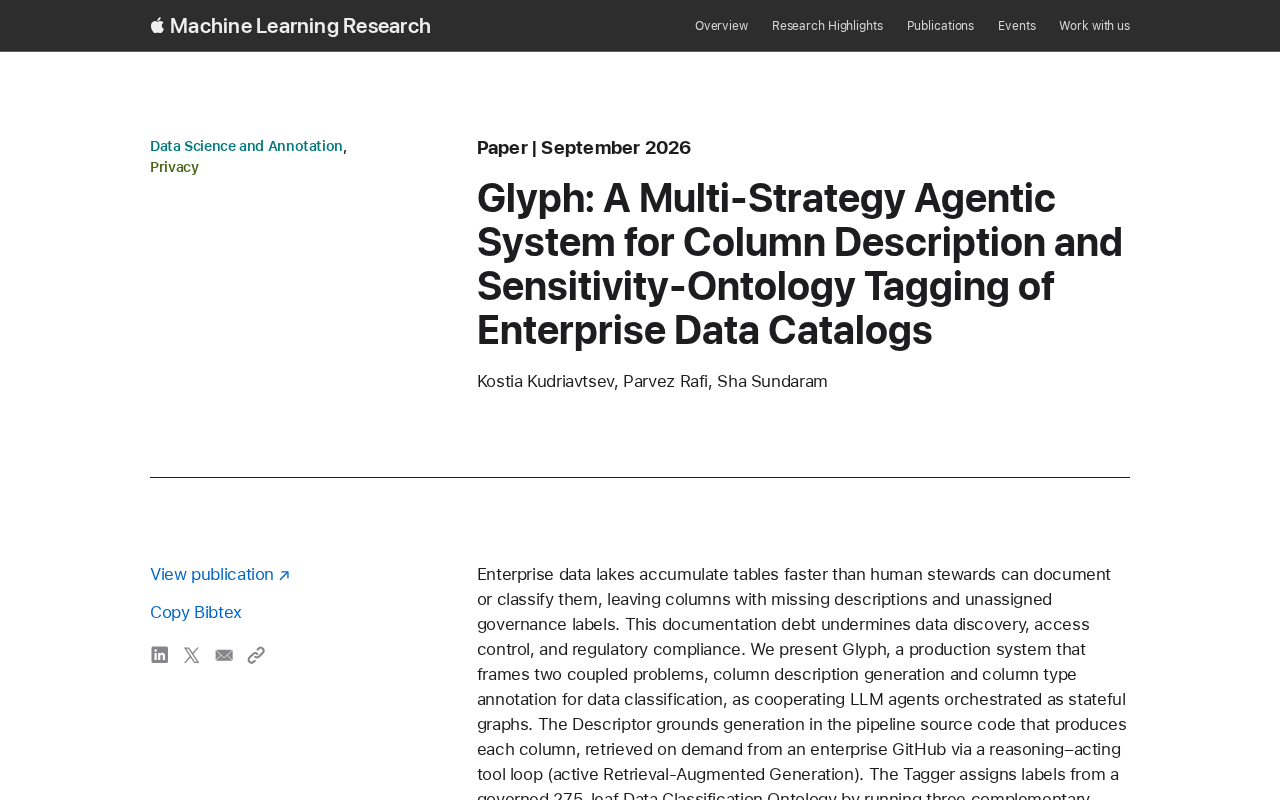
Glyph: A Multi-Strategy Agent System for Automated Enterprise Data Catalog Annotation
Glyph is a multi-strategy LLM agent system for enterprise data catalogs that automates column description generation and sensitivity ontology tagging, grounding outputs in pipeline source code to improve accuracy.