AI Story: An Open-Source Tool for Automated AI Short Drama and Comic Generation
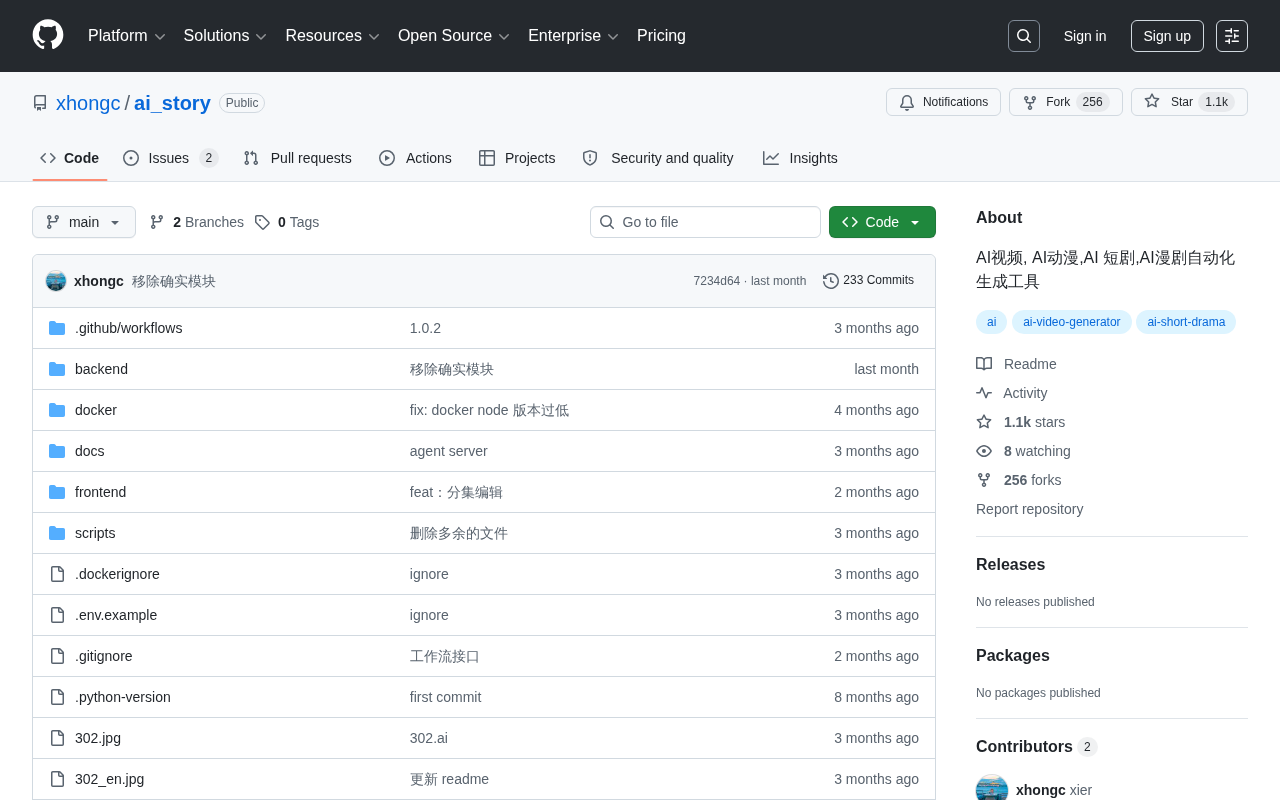
Open-source ai_story integrates script, visuals, voice-over, and editing into an end-to-end AI content production pipeline.
ai_story is a Python-based open-source project on GitHub that automates the full production workflow for AI short dramas, comic dramas, and animated videos — from script generation to visual synthesis, voice-over, and editing. With 711 Stars and 191 Forks, its high fork ratio suggests real deployment activity and extensibility. Its core value lies in lowering the experimentation cost of bulk content production, making it relevant for independent creators, developers, and AI application explorers. Note that output quality depends heavily on the underlying models, API usage at scale incurs ongoing costs, and commercial use requires managing copyright and content compliance independently.
An Open-Source Project Targeting the Content Production Pipeline
As short-form video and comic drama content continues to explode in popularity, the end-to-end workflow — from scriptwriting to storyboarding, voice-over, and final cut — typically requires stitching together multiple tools, creating a steep learning curve. The GitHub project xhongc/ai_story aims to consolidate this pipeline, focusing on automated generation of AI videos, AI animation, AI short dramas, and AI comic dramas.
Built with Python, the project has earned 711 Stars and 191 Forks, giving it solid community traction among similar automated content generation tools. For creators and developers looking to explore AI-powered bulk content production at low cost, this is a directionally significant project worth keeping an eye on.
What Problem Is It Solving?
Traditional short drama and comic production is a labor-intensive pipeline: write the story script, break it into scenes, generate visuals, record voice-overs, edit and compose. Each step may depend on a different piece of software or platform, forcing creators to context-switch constantly — inefficient and costly to learn.
ai_story positions itself to automate as many of these steps as possible and chain them together. Based on the project's name and description, its scope is quite broad — covering both live-action-style AI short dramas and anime or comic-style formats. This "all-scenarios" approach reflects a broader trend in AI content generation tools: moving from single-point capabilities toward integrated workflow orchestration.
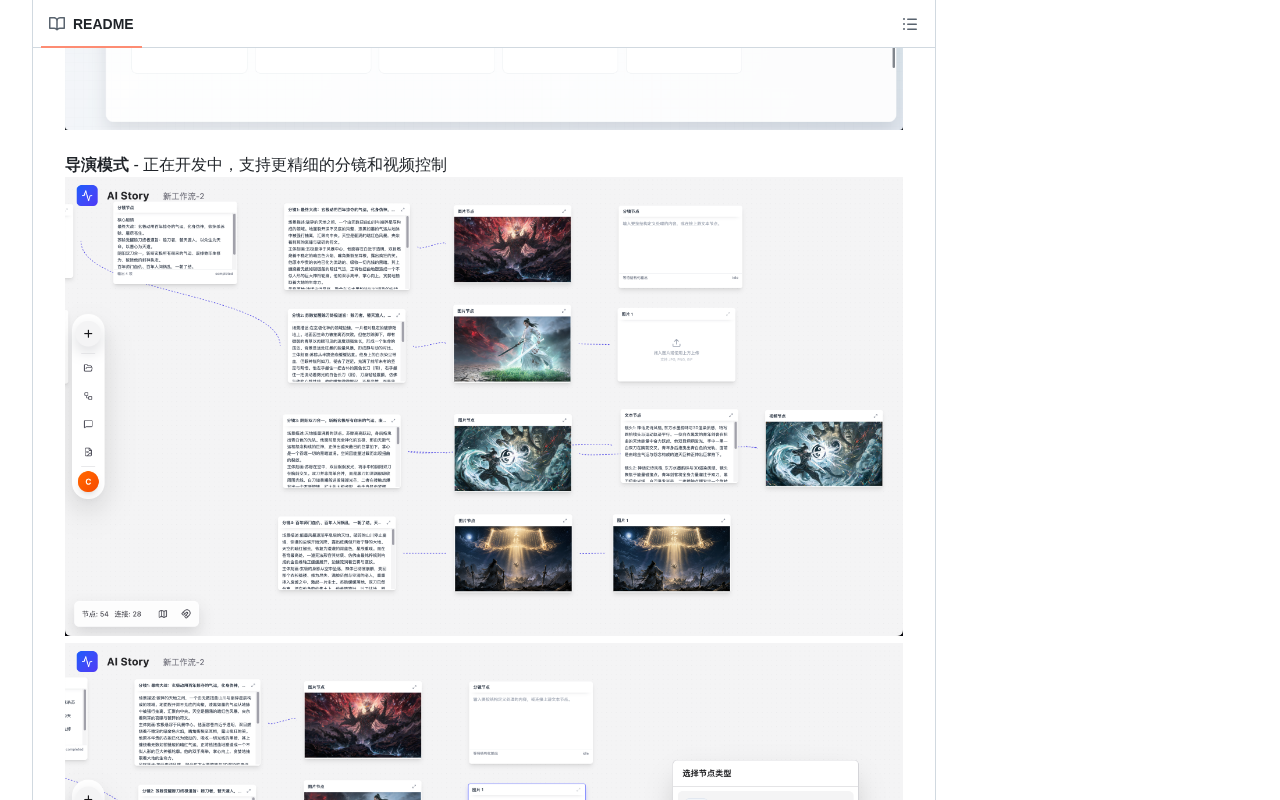
Technology Choices and Community Metrics
The project uses Python as its primary language — a mainstream choice for AI-related tooling that makes it straightforward to call large model APIs, image generation models, and audio/video processing libraries, while also lowering the barrier for community contributions.
Looking at community metrics, the ratio of 711 Stars to 191 Forks is worth noting. A high Fork ratio typically means a significant number of developers aren't just bookmarking the project — they're actively pulling the code to customize it or attempt local deployment. This suggests the project has real usability and extensibility value, rather than existing purely as a proof of concept.
Why "Automation" Is the Key Word
Putting "automation" at the core of the project description signals a focus on batch production capability. For content creators, carefully polishing a single video matters — but in the short drama and comic drama space, scaling output, iterating quickly, and hunting for breakout content themes are equally critical. A tool that can automatically take a script all the way to a finished video is fundamentally a tool for reducing the cost of experimentation.
Who Is It For?
- Independent content creators: Individuals or small teams looking to produce short dramas and comic content without a full production crew.
- Developers and tech enthusiasts: Those who want to build a customized content generation pipeline on top of an open-source foundation, or integrate specific models and asset sources.
- AI application explorers: Anyone interested in how multimodal generation (text, image, voice, video) can be applied in real-world production scenarios.
A word of caution: the final output quality of these automated generation tools depends heavily on the underlying models being used, the asset libraries, and how well parameters are tuned. An open-source project provides the framework and workflow — not a guarantee of viral hits.
Practical Considerations Before You Start
Before putting ai_story into real-world use, a few factors are worth weighing:
First, model dependencies and costs. Automated generation typically requires calling text, image, voice, and potentially video generation models. These capabilities may come from paid APIs, and bulk usage over time will generate ongoing costs.
Second, content compliance. AI-generated short dramas and comic content carry risks around copyright, asset sourcing, and content moderation that you'll need to manage yourself — especially when used for commercial distribution.
Third, consistency of output quality. While automation boosts efficiency, it may also mean less fine-grained control over details. Finished outputs will still require human review and post-production adjustments.
Summary
ai_story represents a typical evolution in AI content generation tools: moving from offering a single capability to delivering an end-to-end workflow that integrates scriptwriting, visuals, voice-over, and editing. For teams looking to explore AI short drama and comic production at low cost, it offers a ready-to-fork open-source starting point.
That said, as a community project still under active development, the specific feature completeness, model integration approach, and real-world results are best assessed by visiting the GitHub project page directly to review the latest documentation and source code before making a decision.
Related articles
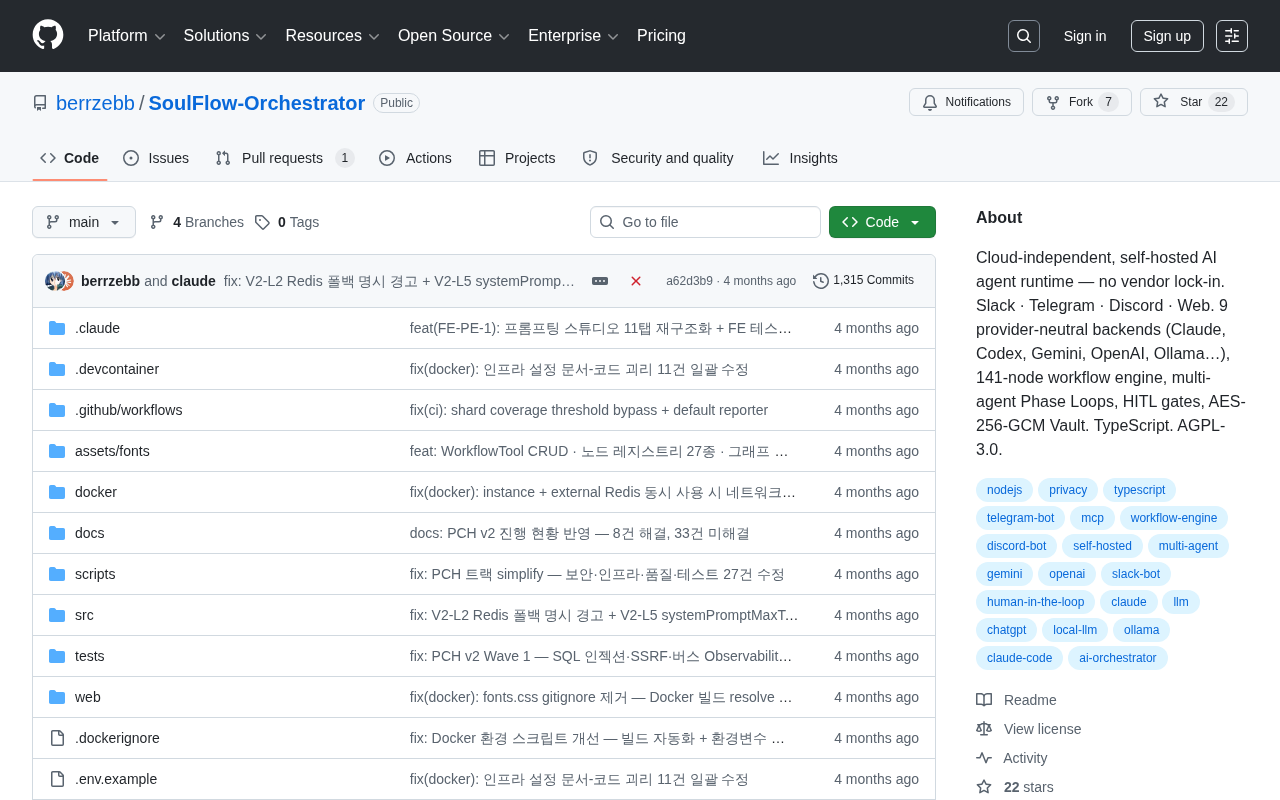
SoulFlow-Orchestrator: A Self-Hosted, Vendor-Lock-In-Free AI Agent Runtime
SoulFlow-Orchestrator is an open-source, self-hosted AI agent runtime with no vendor lock-in. Supports 9 neutral backends (Claude, OpenAI, Ollama), 141-node workflow engine, multi-agent loops, and HITL gates.
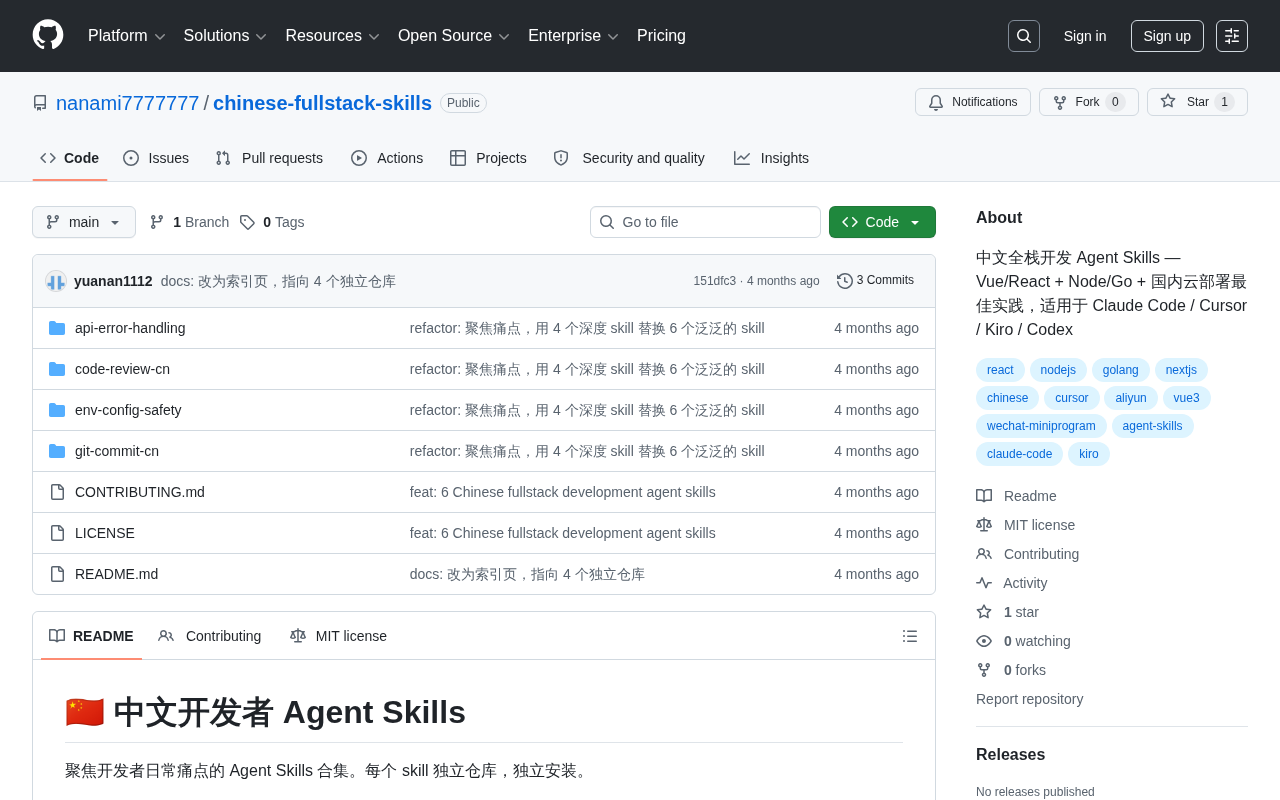
Chinese Full-Stack Agent Skills: A Skill Library Tailored for Domestic AI-Assisted Development
chinese-fullstack-skills is an Agent Skills library for Chinese full-stack development, covering Vue/React, Node/Go, and domestic cloud deployment best practices. Compatible with Claude Code, Cursor, Kiro, and Codex.
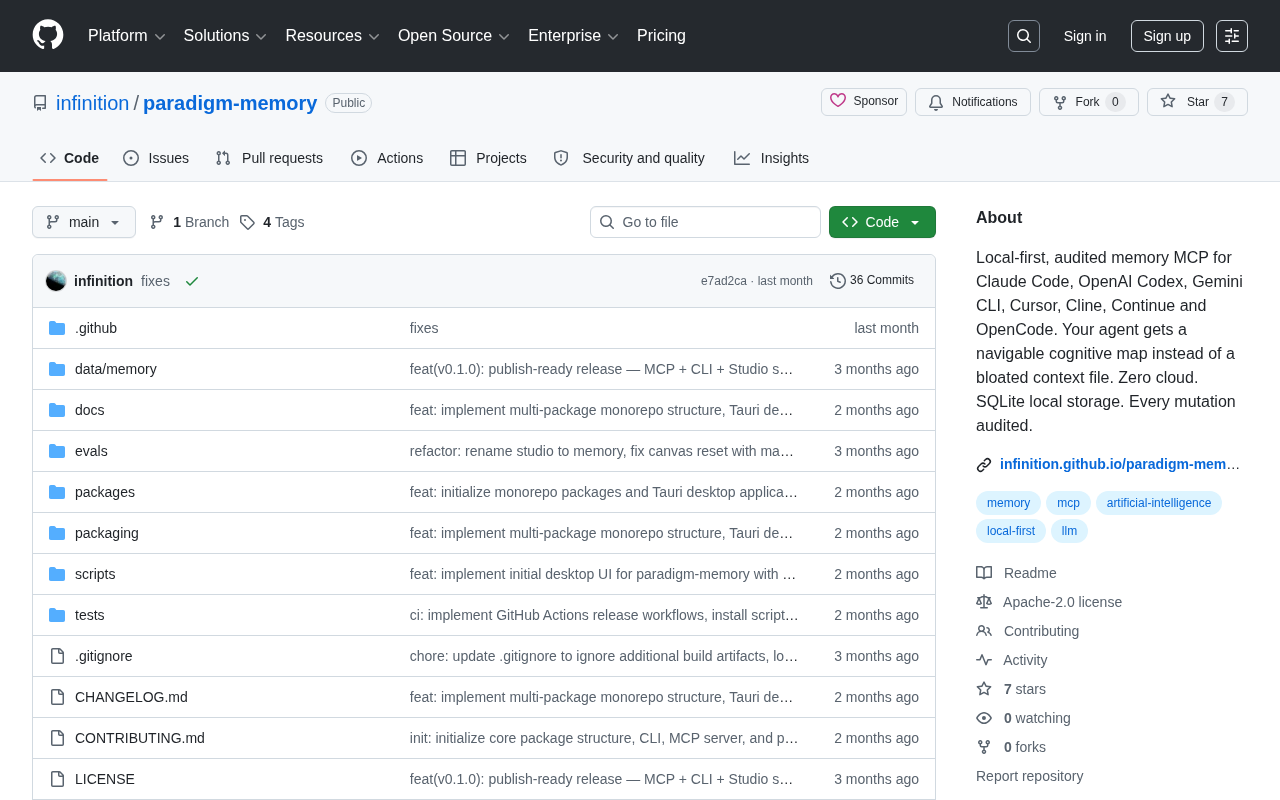
Paradigm Memory: A Local-First Memory System for AI Coding Assistants
paradigm-memory is a local MCP memory tool for Claude Code, Cursor, and Cline. It uses SQLite local storage, zero cloud, full audit trails, and a navigable cognitive map instead of bloated context files.