Alibaba Cloud, Cambricon, Ant Group, and Huawei Join the PyTorch Foundation — Chinese AI Forces Deepen Integration into the Open Source Ecosystem
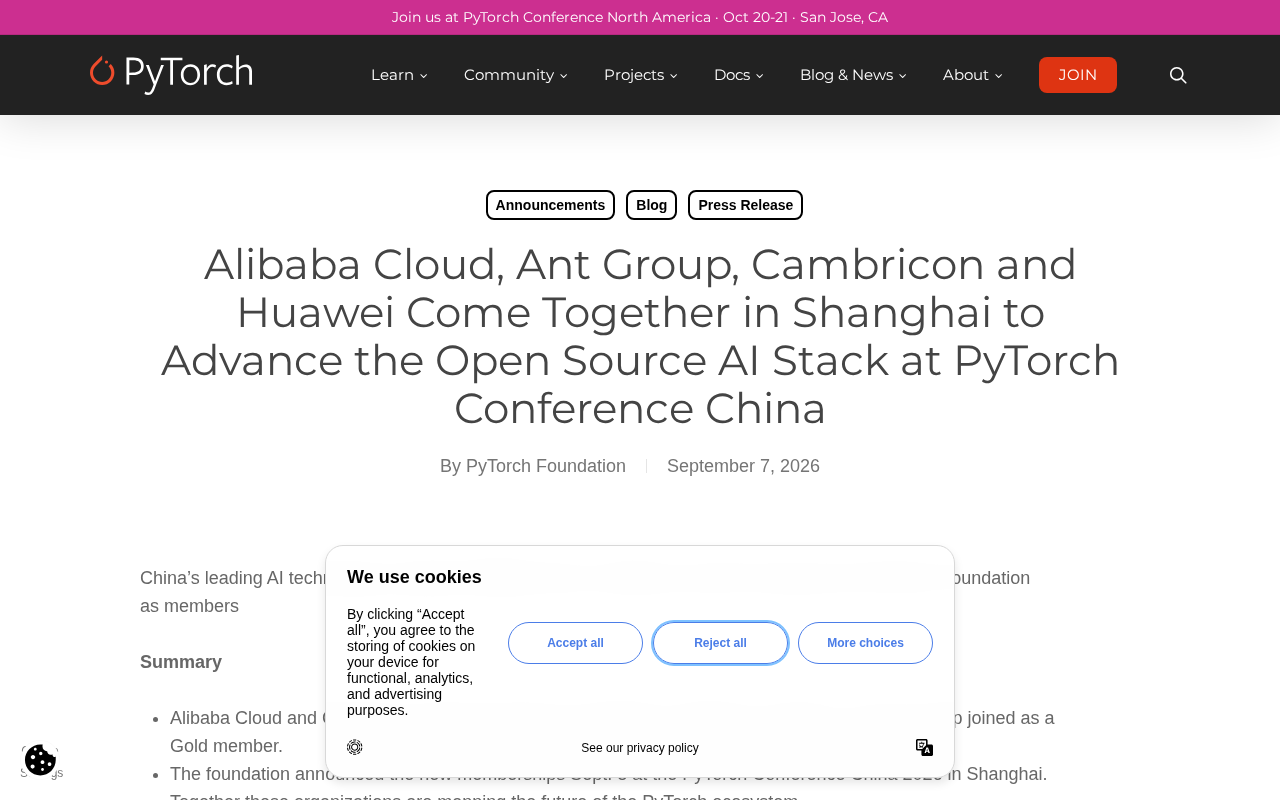
China's top AI companies join the PyTorch Foundation to gain governance rights and global ecosystem influence.
At PyTorch Conference China in Shanghai, Alibaba Cloud and Cambricon joined the PyTorch Foundation as Platinum members, with Ant Group and Huawei also participating. Alibaba Cloud seeks native framework compatibility for its AI cloud services; Cambricon aims to drive upstream PyTorch support for domestic chips; Ant Group contributes fintech-scale inference and privacy computing expertise; and Huawei pursues a dual-track strategy alongside its own MindSpore framework. Together, these moves signal a collective shift from technology consumers to active rule-makers in the global open source AI ecosystem.
Chinese AI Giants Rally Around the PyTorch Ecosystem
At the PyTorch Conference China recently held in Shanghai, China's leading AI technology companies made a collective appearance to advance the open source AI stack. According to an official announcement from the PyTorch Foundation, Alibaba Cloud, Cambricon, and Ant Group have formally joined the PyTorch Foundation, with Alibaba Cloud and Cambricon joining as Platinum members — a move that significantly elevates China's voice in the global governance of open source deep learning frameworks.
Behind this development lies a deep recognition within China's AI industry of the strategic value of the open source ecosystem. As one of the world's most widely used deep learning frameworks, PyTorch's ecosystem health directly impacts the entire AI technology chain — from model training and inference deployment to hardware integration. The deep involvement of China's top enterprises is not merely a bid for international influence; it's also a way to ensure their own technology roadmaps stay aligned with the global mainstream.
The Strategic Significance of Platinum Membership
Within the PyTorch Foundation's membership structure, Platinum membership is the highest tier, typically implying that a company will take an active role in technical decision-making, roadmap planning, and ecosystem governance. Alibaba Cloud and Cambricon's choice to join at the Platinum level sends a clear signal: they want to play a key role in PyTorch's future evolution, not simply remain passive consumers of the technology.
Alibaba Cloud: Strategic Positioning for Cloud-Based AI Infrastructure
For Alibaba Cloud, deep integration with the PyTorch ecosystem is a natural extension of its AI cloud services strategy. As one of China's largest cloud computing providers, Alibaba Cloud needs to offer its vast enterprise customer base a stable, high-performance AI training and inference platform that is compatible with the international mainstream. By joining the PyTorch Foundation, Alibaba Cloud can contribute its engineering expertise in large-scale distributed training and cloud compute scheduling back to the community, while ensuring native PyTorch support across its hardware and software stack.
Cambricon: Breaking into the Ecosystem with Domestic AI Chips
For Cambricon, a flagship Chinese AI chip company, joining the PyTorch Foundation carries especially profound significance. One of the biggest long-standing challenges for domestically developed AI chips has never been raw hardware performance — it's been software ecosystem compatibility and the migration costs faced by developers. Through deep participation at the framework level, Cambricon can push for native PyTorch support for its chip architecture, lowering the barrier for developers to deploy models on domestic hardware. This is critical for building a self-reliant and controllable AI compute ecosystem.
The PyTorch Foundation is hosted under the Linux Foundation and operates a tiered membership system. Platinum members typically pay the highest annual membership fees (generally in the hundreds of thousands of dollars range) and hold seats on the Technical Steering Committee or governance board, with direct voting rights on framework priorities, API design directions, and major technical decisions. By contrast, General Members participate primarily through financial support and community contributions, with little involvement in core governance. In this sense, Platinum membership in an open source foundation is fundamentally an institutional arrangement of "trading resources for governance rights."
PyTorch supports hardware backend extensions through two main mechanisms: the official torch.device abstraction and aten operator library, and the newer PyTorch Extensible Backend (torch_xpu / PrivateUse1) mechanism, which allows third-party chip vendors to plug into PyTorch without modifying the mainline codebase. Cambricon has previously released a torch_mlu adaptation layer for its MLU-series chips, but there have consistently been gaps between the plugin and the mainline in terms of operator coverage, performance benchmarks, and autograd support. Deep participation in the Foundation means Cambricon can engage earlier in operator specification design, push its hardware features upstream, and reduce the engineering overhead and fragmentation risks that come with long-term maintenance of a private fork.
The Roles of Ant Group and Huawei
Ant Group, a fintech powerhouse, has also joined the PyTorch Foundation. Having accumulated extensive AI application experience in areas like risk control, payments, and privacy-preserving computing, Ant Group's participation is expected to bring real-world technical requirements and optimization insights to the community — particularly around large-scale low-latency inference and privacy-preserving machine learning.
Huawei participates with its deep expertise in AI chips (Ascend NPU) and full-stack AI software (including MindSpore). While Huawei is also developing its own deep learning framework, its active embrace of PyTorch as the global mainstream standard reflects a pragmatic strategy among Chinese vendors — striking a balance between independent R&D and integration into the international ecosystem. The joint participation of multiple hardware vendors could help accelerate PyTorch's support for heterogeneous compute.
Huawei's MindSpore is an in-house deep learning framework designed with native support for Ascend NPUs, featuring differentiated design choices around functional programming paradigms and automatic parallelism. However, MindSpore's penetration among the global developer community remains far below that of PyTorch — according to various developer surveys, PyTorch has consistently held over 60% usage share among deep learning frameworks. As such, Huawei's simultaneous deep engagement with the PyTorch ecosystem is a rational "two-track" approach: continuing investment in its own framework while ensuring Ascend chips can be adopted directly by PyTorch users, maximizing potential user coverage rather than betting everything on breaking through with an alternative framework.
China's Contribution to the Open Source AI Ecosystem
What the Shanghai conference demonstrated is a collective endorsement of the open source collaboration model by China's AI industry. In an era of increasingly intense AI competition, open source is no longer just an idealistic form of technology sharing — it has become a strategic choice that bears on industry influence, technical standard-setting, and ecosystem leadership.
China's collective entry into the PyTorch Foundation delivers at least three layers of value:
- Technical alignment: Ensuring domestic software and hardware remains compatible with the global mainstream framework, avoiding ecosystem fragmentation;
- Greater influence: Transitioning from technology consumer to rule-maker, giving China a voice in critical technical decisions;
- Community contribution: Feeding China's unique experience in large-scale deployment and heterogeneous hardware adaptation back into the global open source community.
A New Landscape of Coopetition
Alibaba Cloud, Ant Group, Cambricon, and Huawei converging in Shanghai to advance the open source AI stack marks a more mature phase in China's AI industry — one that maintains a firm commitment to independent innovation while actively embracing the openness of global open source collaboration.
It's worth noting that this deep participation is both cooperative and implicitly competitive. While collectively building out the PyTorch ecosystem, each company is also leveraging its ecosystem influence to promote its own hardware and cloud services. As more Chinese vendors take on substantive roles at the framework level, the balance of power within the global open source AI ecosystem may well shift.
For developers and the broader industry, this is undoubtedly a positive signal: a richer array of hardware options, a more complete toolchain, and a more active technical community are all accelerating into place.
Related articles

Claude Code Adds Agent View: A Research Preview for Unified Session Management
Claude Code's new Agent View feature (research preview) consolidates all coding sessions into a unified list, advancing AI tools toward multi-agent orchestration.
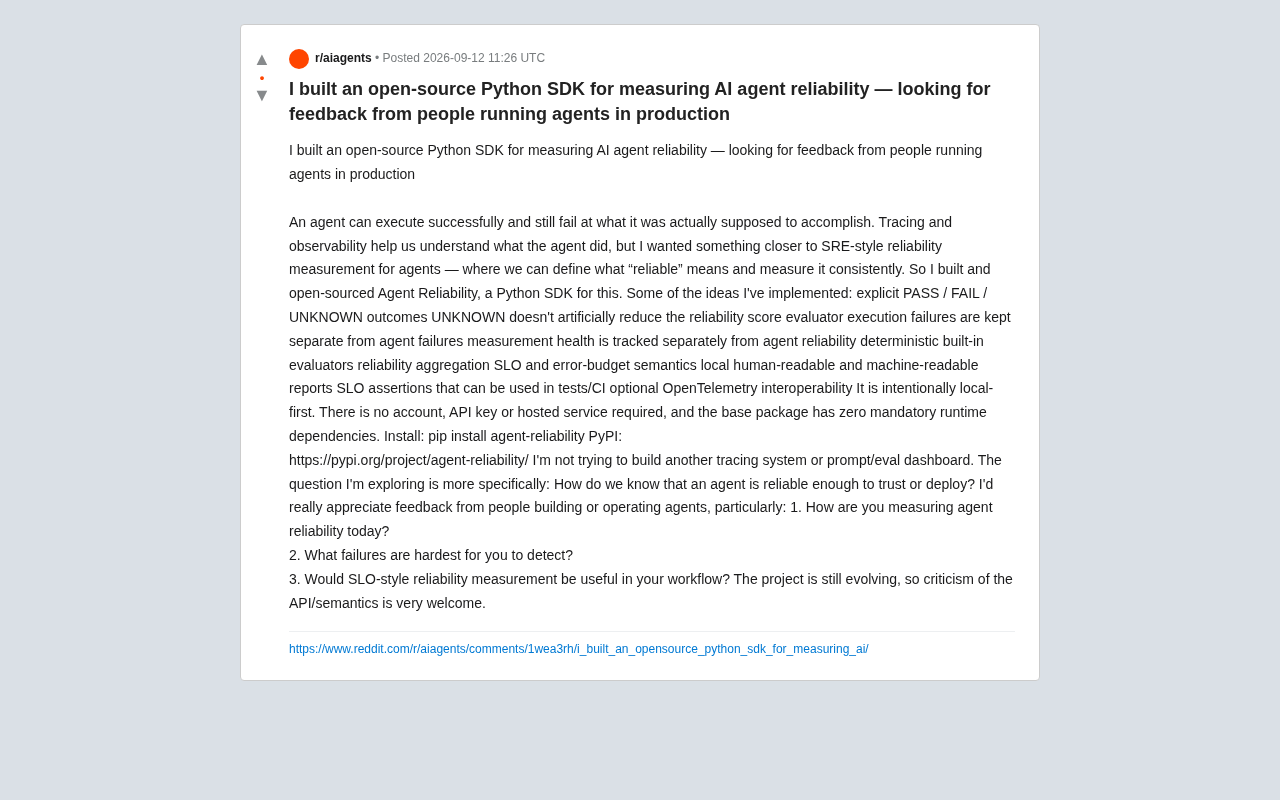
Open-Source Python SDK: Measuring AI Agent Reliability with SRE Principles
Agent Reliability is an open-source Python SDK that applies SRE's SLO and error budget concepts to AI Agent evaluation, with PASS/FAIL/UNKNOWN states, CI assertions, and zero forced dependencies.
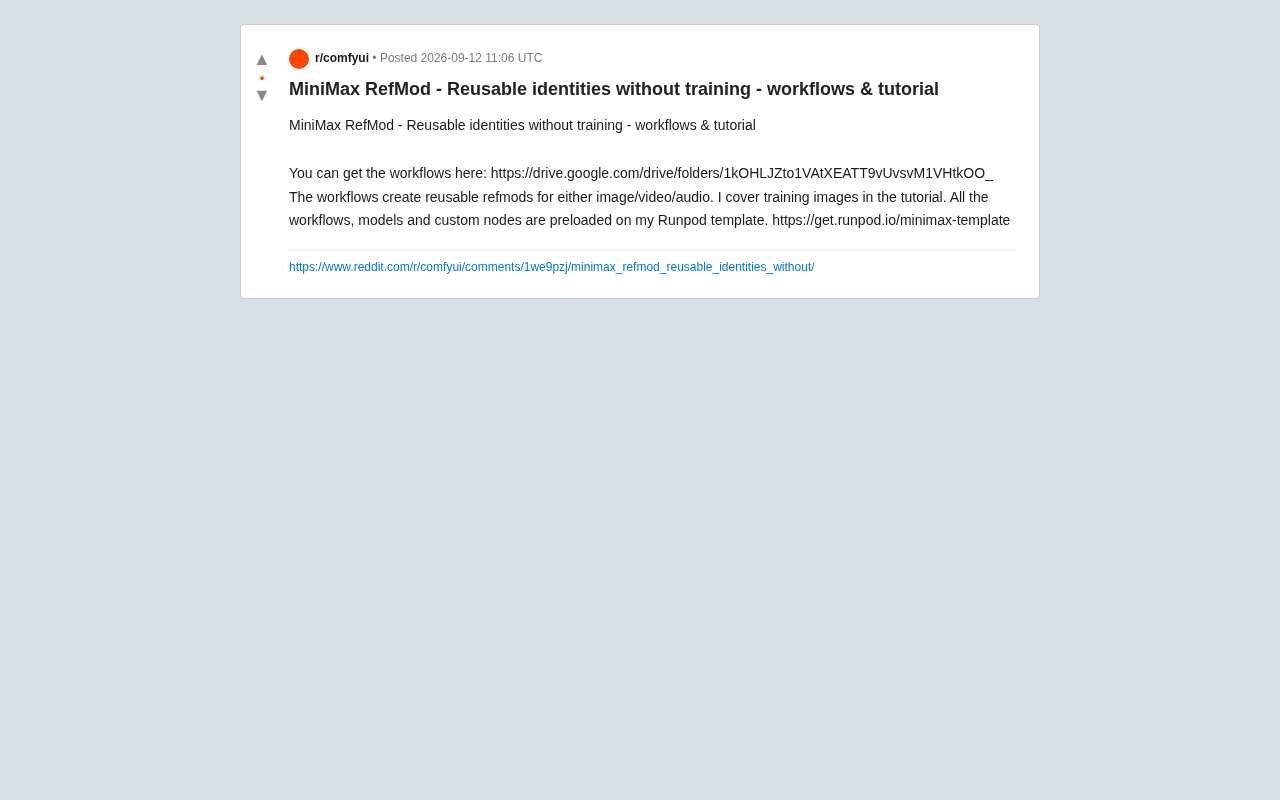
MiniMax RefMod: A Complete Guide to Training-Free Reusable Identity Workflows
MiniMax RefMod offers training-free reusable identity workflows for image, video, and audio generation. Includes Runpod template and tutorial for quick setup.