Anthropic Launches Developer Certification Program: A Three-Tier System Explained
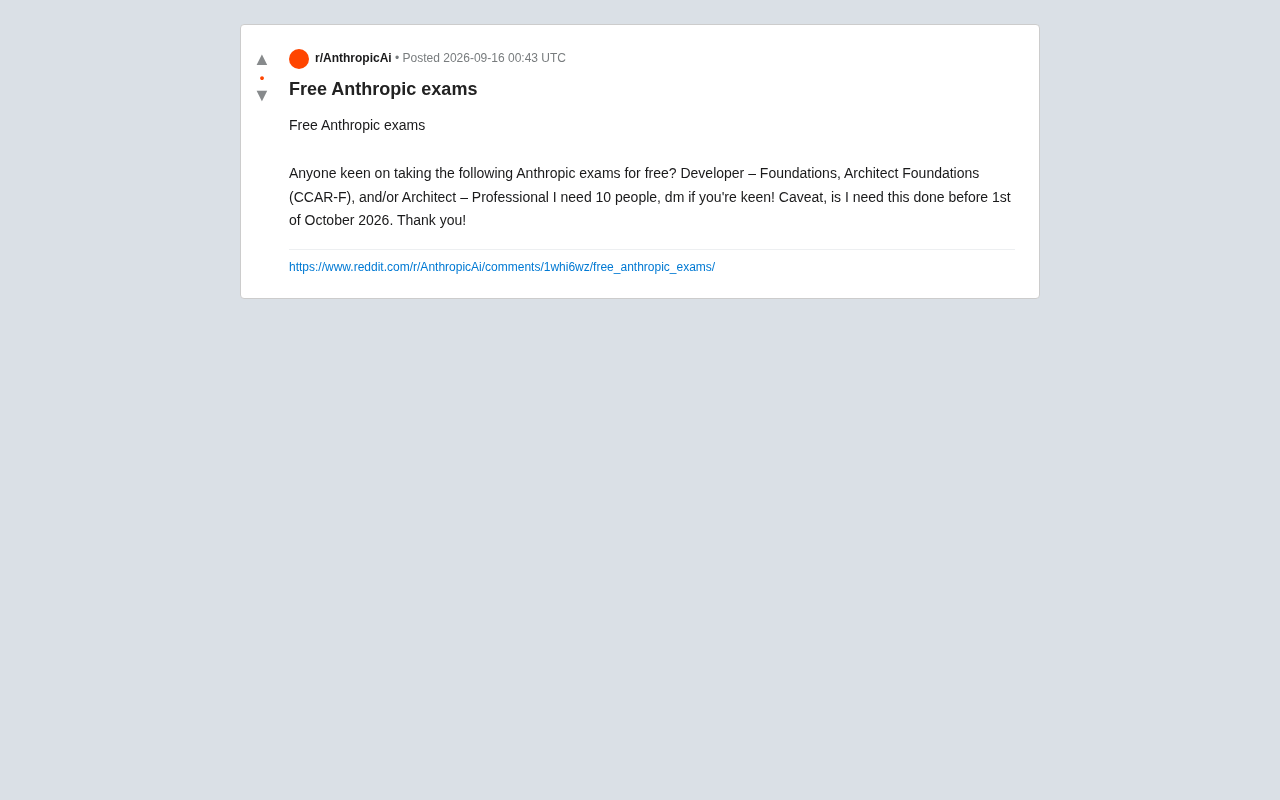
Anthropic's new three-tier developer certification signals AI development is entering a professional, standardized era.
A recent Reddit post revealed that Anthropic is building a tiered developer certification program covering Developer Foundations, Architect Foundations (CCAR-F), and Architect Professional. The structure closely mirrors cloud vendor certification paths from AWS and Google Cloud, reflecting a maturing market demand for standardized AI competency assessment. The post mentions an October 1st deadline that may represent a free promotional window, though the claims should be verified through official Anthropic channels. The article argues that the emergence of certification marks AI application development's transition from early exploration to large-scale deployment, offering job-market signal value — but no substitute for real project experience.
Anthropic's Certification Program Comes Into View
A recruitment post recently appeared on Reddit from a user looking for 10 participants to complete multiple Anthropic official certification exams together. What looks like a simple crowdsourced call for volunteers actually reveals a noteworthy industry development — Anthropic is building its own developer certification program.
From the post, this certification system currently covers at least three tiers: Developer – Foundations, Architect Foundations (code-named CCAR-F), and Architect – Professional. This tiered structure closely mirrors the certification paths we know from major cloud vendors (such as the laddered certifications from AWS, Google Cloud, and Azure), reflecting Anthropic's intent to build a standardized competency assessment framework for AI application development.
Why AI Vendors Are Getting Into Certification
The emergence of certification programs often signals that a technology has moved from early exploration into large-scale, production-ready deployment. As more enterprises begin building production-grade applications on top of large language models like Claude, the market has developed a clear need to identify who truly understands how to design and deploy these systems. Official certifications are a direct response to that demand.
Based on the three-tier naming, we can infer their intended scope:
- Developer – Foundations: Aimed at application developers, covering core skills like API usage, prompt engineering, and basic integrations
- Architect Foundations (CCAR-F): Aimed at solutions architects, covering system design, context management, and multi-component orchestration
- Architect – Professional: A higher-level architecture certification likely involving enterprise deployment, security and compliance, cost optimization, and complex workflow design
This graduated structure serves both individual developers looking for a career path and enterprises seeking benchmarks for hiring and team capability building. For a rapidly expanding field like AI engineering, an official certification is increasingly becoming a meaningful differentiator on a résumé.
Cloud vendor certification programs offer a proven template for AI certifications. AWS, for example, structures its certifications into four tiers — Cloud Practitioner, Associate, Professional, and Specialty — and since launching in 2013 has issued millions of certificates, creating a clear salary premium in the hiring market. Google Cloud and Azure have built similar tiered systems. The success of these cloud certifications proves a pattern: when a technology becomes a core component of enterprise infrastructure, official certifications become an important signaling mechanism in the labor market. Anthropic's move is essentially replicating a validated industry playbook — first define the boundaries of "professional competency" through certification, then use the spread of certified practitioners to standardize the broader tech ecosystem. The key difference is that the knowledge base for AI application development is still evolving rapidly, making the shelf life of certification content a variable that will need ongoing attention.
The Time Signal Behind the Recruitment Post
Worth noting is the deadline mentioned in the original post: all exams must be completed before October 1st. This timeline may indicate a free or discounted promotional window, or it could mark the end of a particular phase in the certification rollout.
Free certification opportunities typically appear during early promotional phases, where vendors aim to expand the pool of certified individuals, collect exam feedback, and establish an initial certified community. For developers, these windows represent a low-cost opportunity to obtain official credentials. That said, recruitment posts from individual Reddit users cannot be independently verified. Before participating, it's advisable to confirm the authenticity and sign-up process through Anthropic's official channels to avoid any risks to personal information or account security.
Prompt engineering is one of the core skills likely to be heavily tested in certifications like these. It refers to the practice of carefully crafting the text instructions fed to a large language model in order to guide it toward producing desired outputs. This skill spans both the Developer and Architect tiers: at the foundational level, it includes techniques like role assignment, few-shot examples, and Chain-of-Thought prompting; at the architectural level, it extends to prompt version management, cross-component prompt consistency, and how to dynamically construct context windows within Agent workflows. Unlike traditional software skills, prompt engineering currently lacks a unified industry standard. If Anthropic's official certification can establish a normalized evaluation framework in this area, that alone would carry significant industry reference value.
What This Means for AI Practitioners
As Claude continues to be applied more deeply in areas like coding, Agent development, and enterprise knowledge management, the value of mastering its best practices continues to rise. The establishment of an official certification program will, objectively, push the community toward more unified technical standards and a shared knowledge base.
Practitioners at different stages of their careers might consider the following:
- Engineers new to AI application development: Start with Developer Foundations to systematically build your knowledge of API usage and prompt engineering
- Experienced technical professionals: Architect Foundations helps establish a more structured, systems-level architectural mindset
- Senior architects and technical leads: The Professional-level certification aligns better with enterprise-scale solution design requirements
It's worth keeping things in perspective: certification is not a substitute for hands-on ability. Its value lies more in demonstrating a complete knowledge framework and serving as a signal during job searches. Real competitive advantage still comes from accumulated experience on actual projects.
Closing Thoughts
This brief Reddit recruitment post inadvertently offers us a window into the maturing AI industry. When large model vendors begin building tiered certification systems, it signals that the field is moving out of its "everyone's a beginner" phase of rapid, unstructured growth and into a new era of professionalization and standardization. For practitioners looking to build a long-term career in AI engineering, paying attention to and selectively pursuing these certifications may well be a smart way to stay ahead of industry trends. Readers who are interested are encouraged to visit the Anthropic official website directly for authoritative information on the certification program.
Related articles

AI Agent Earns $10K in One Week: 3 Key Upgrades Explained
A blogger shares how he earned $10K in a week with an AI Agent — not by adding more skills, but through verification, approval gates, and subagents to raise trust and enable true automation.
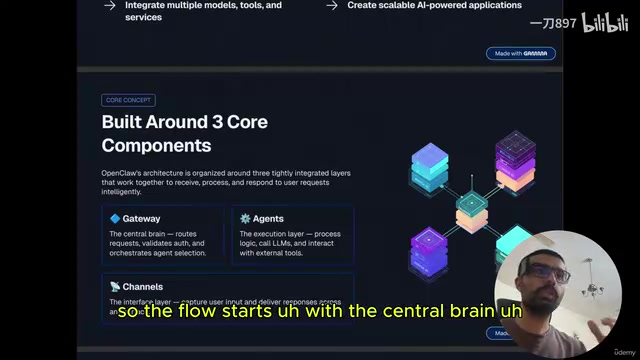
Getting Started with OpenClaw: Multi-Channel AI Agent Gateway and Automated Workflow Guide
OpenClaw is an open-source multi-channel AI agent gateway. This guide covers its three core components — gateway, agents, and channels — plus tool integration and memory mechanisms.
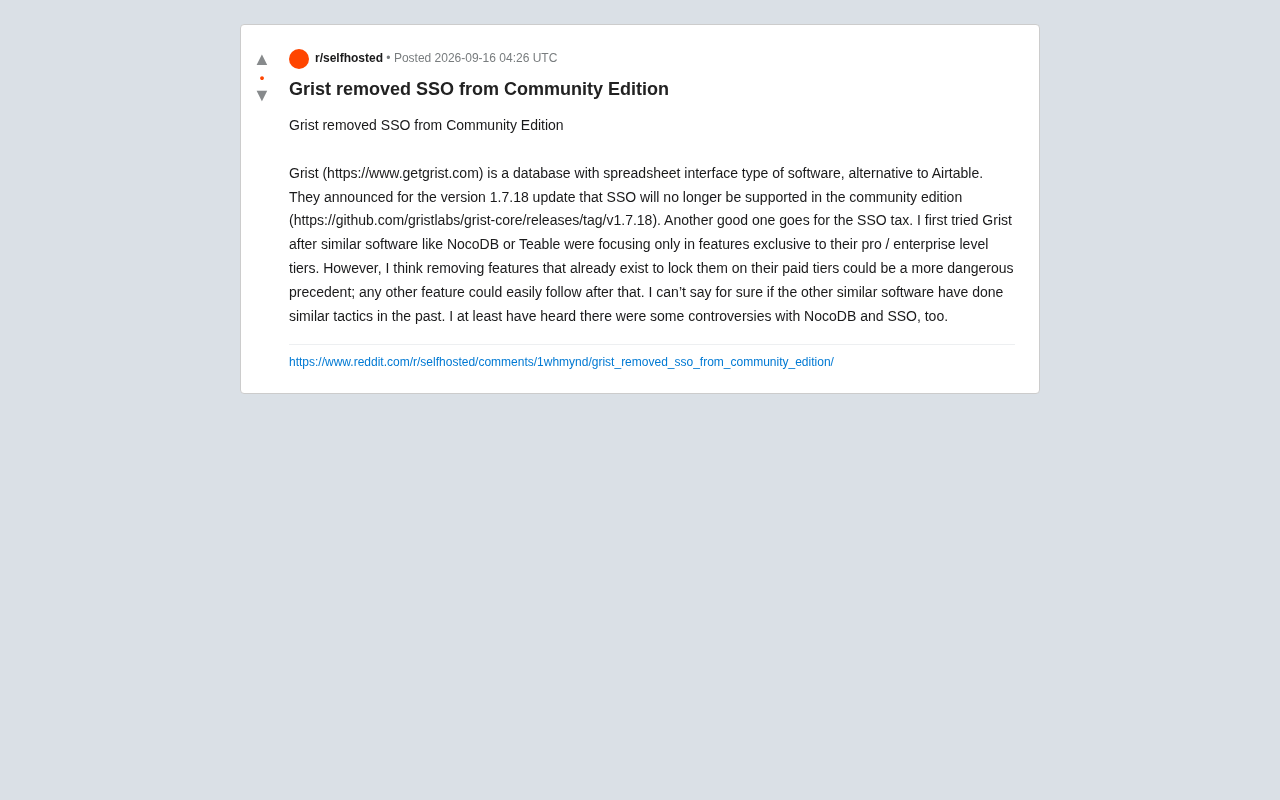
Grist Removes SSO from Community Edition: The 'SSO Tax' Debate Resurfaces
Grist v1.7.18 removed SSO from its Community Edition, locking it behind a paid tier and reigniting the 'SSO Tax' debate. We analyze the incident, open-source monetization tensions, and what it means for self-hosted users.