Apple TV Builds Sign Language Into the Player: Accessibility Evolves Again

Apple TV builds sign language interpretation into the player as an option, elevating accessibility to a core experience.
Apple TV has launched sign language interpretation that viewers can enable directly in the player for supported films, without switching apps or relying on external resources. The article explains that subtitles only convert sound to text, while sign language is a more native visual expression for deaf users who use it as a first language—advancing from "able to watch" to "able to understand." The built-in approach's core strengths are synchronization and consistency: aligned with the main timeline through pause, fast-forward, and rewind. For content providers, it requires accompanying interpretation versions and standardized integration. Currently limited to supported titles, this positioning places sign language alongside subtitles and audio description, potentially redefining the streaming accessibility baseline.
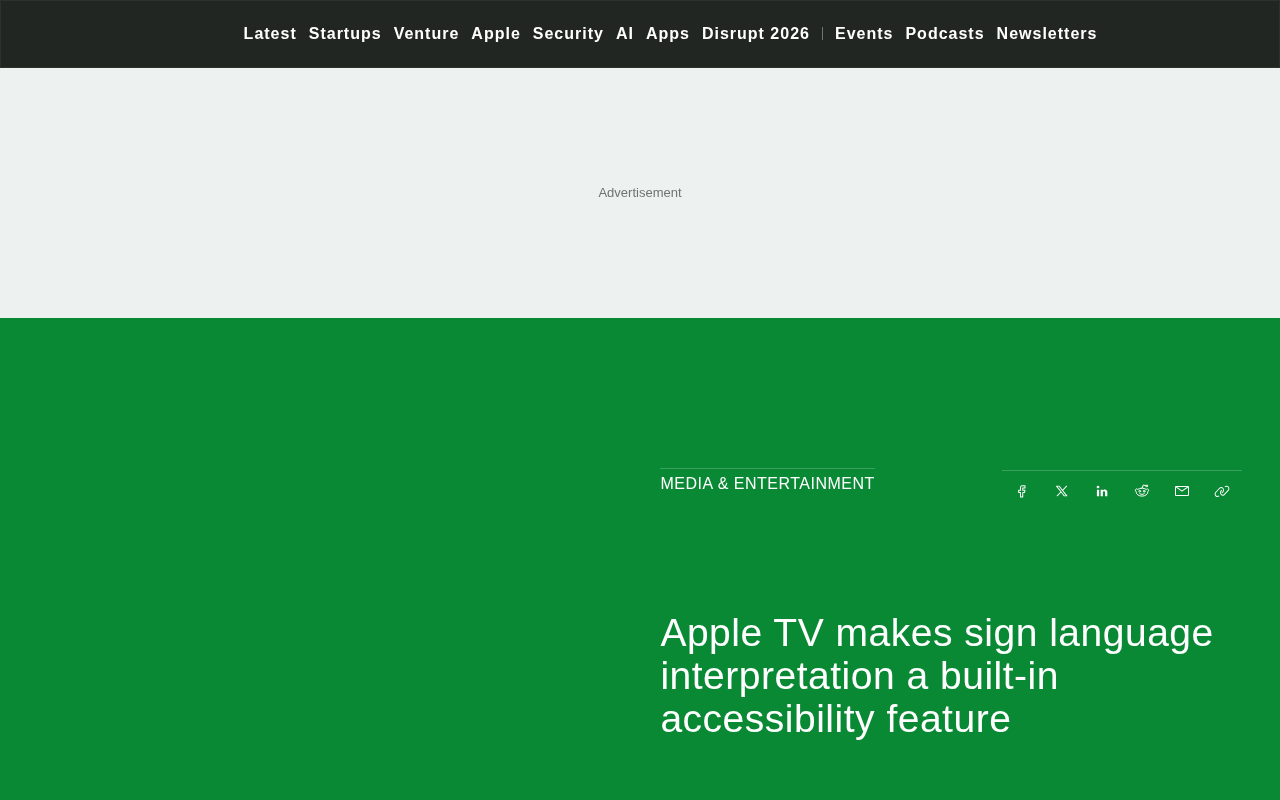
Apple TV recently rolled out a new accessibility capability: viewers can enable sign language interpretation directly within supported films, without switching to another app or hunting for external resources. According to an RSS source, the feature makes sign language interpretation a built-in player option, giving deaf and hard-of-hearing viewers a more natural way to access information while watching content.
From "Able to Watch" to "Able to Understand": Why Sign Language Interpretation Matters
Subtitles solve the problem of "turning sound into text," but for deaf and hard-of-hearing communities who use sign language as their first language, text is not always the most comfortable way to read. When sign language interpretation appears on screen, it means information delivery shifts from a one-way text conversion to a visual expression that is closer to native-language habits. By putting the toggle inside the player, Apple TV lowers the barrier to use—users don't need to dig through system settings or rely on third-party video sources.
From a product design perspective, this is a signal: accessibility is no longer an "add-on" but part of the player's core experience. Placing sign language interpretation alongside subtitles and audio description means the platform is beginning to consider users with different sensory needs within the same viewing interface.
Sign language is not a direct gestural translation of spoken language; it is a complete language system with its own grammar, syntax, and word-formation rules. American Sign Language (ASL), for example, conveys meaning through handshape, location, movement, palm orientation, and facial expressions together, and its word order differs from English. This means that for deaf people who use sign language as their first language, reading written subtitles amounts to continuous second-language cross-code switching, with a cognitive load noticeably higher than watching sign language. For this reason, many deaf individuals only gain full, accessible information input through sign language in childhood, and academia often uses the term "language deprivation" to describe the consequences of lacking an accessible language environment. The value of sign language interpretation lies in providing a native-language channel, not merely supplementing subtitles.
What "Built-In" Means: Changes to Both Experience and Ecosystem
Building the feature into the player and providing an external sign language video are two entirely different product approaches. The advantage of the built-in approach is synchronization and consistency: the sign language picture aligns with the main feature's timeline, staying in sync when pausing, fast-forwarding, or rewinding, so the viewing process is not interrupted. For feature films or series, this continuity directly affects willingness to watch.
For content providers, this also introduces new production requirements. Supported titles need accompanying sign language interpretation versions, and platforms need to provide a standardized integration method at the player level. Currently, the feature is only available in "supported films," indicating it is still in a gradual coverage phase rather than a full rollout. This cautious approach matches the usual pace of accessibility features—first establish technical standards, then expand the content pool.
There is a fundamental technical difference between built-in sign language video in a player and subtitles. Subtitles are usually independent text tracks in a streaming manifest (such as WebVTT or TTML format), rendered and overlaid by the player in real time; sign language interpretation requires a separate video stream, typically overlaid on the main video as picture-in-picture. This requires the encoding side to additionally handle the packaging and timestamp alignment of multiple video streams, and the player side to support synchronized decoding and overlay layout of multiple video tracks. The key to synchronization during fast-forward and rewind is having the sign language track share the same timeline and playback state machine as the main video, rather than treating it as an independent external window that can be paused separately. These engineering constraints determine its cost and the difficulty of promotion.
A New Focus for Accessibility Competition
Major streaming platforms have relatively mature investments in subtitles and audio description, while sign language interpretation remains a relatively blank area. By bringing this capability forward to the player layer, Apple TV is effectively defining a new accessibility baseline. Its significance goes beyond a single feature: it tells content producers and competitors that sign language interpretation can become an ordinary toggle in the viewing interface, just like subtitles.
From an industry perspective, the pace at which such features spread depends on two things: whether content supply can keep up, and whether users know the toggle exists. The former requires coordination in production workflows; the latter requires reasonable exposure in the product interface. Apple TV's currently disclosed information focuses on the feature itself, and the specific entry-point design and coverage scope remain to be seen.
Final Thoughts
Building sign language interpretation into the player is an understated but clearly directed improvement. It does not change the way content is watched; it expands the group of people who can watch content comfortably. For accessibility products, the best state is often "one more option, one less barrier." What Apple TV has done this time is move that barrier one step forward.
One-line Summary
Apple TV builds sign language interpretation into the player as an option, pushing accessibility into the core experience layer.
Paragraph Summary
Apple TV has launched a sign language interpretation feature that lets viewers enable sign language video directly within the player for supported films, without switching apps or relying on external resources. The article notes that subtitles merely convert sound into text, whereas for deaf users who use sign language as their first language, sign language is a visual expression closer to native-language habits—so this feature advances from "able to watch" to "able to understand." The core advantage of the built-in approach is synchronization and consistency: the sign language picture aligns with the main feature's timeline, staying in sync through pause, fast-forward, and rewind, with no interruption to viewing. For content providers, it means needing accompanying sign language interpretation versions and a standardized integration method. Currently, the feature covers only supported titles and is in a gradual rollout phase. The article argues that this positioning places sign language interpretation alongside subtitles and audio description, potentially redefining the streaming accessibility baseline.
Related articles

The 1.5 Million AI GPU Smuggling Mystery: The Chip Undercurrent Behind Jensen Huang's Departure
A Hacker News post speculates that the smuggling of 1.5 million AI GPUs caused Jensen Huang's departure, but lacks any sources or evidence. This article analyzes the magnitude doubts, the logical flaws in attributing executive changes, and the proliferation of rumors in the geopolitical context of AI chips, reminding readers to rely on verifiable signals.
Anthropic Model Benchmarking: Fable 5 vs 5.1 vs 5.2 Comparison
Based on Reddit community comparison material, this analyzes benchmark differences among Anthropic models Fable 5, 5.1, and 5.2, and discusses the practical implications of version iterations for developers and model selection advice.
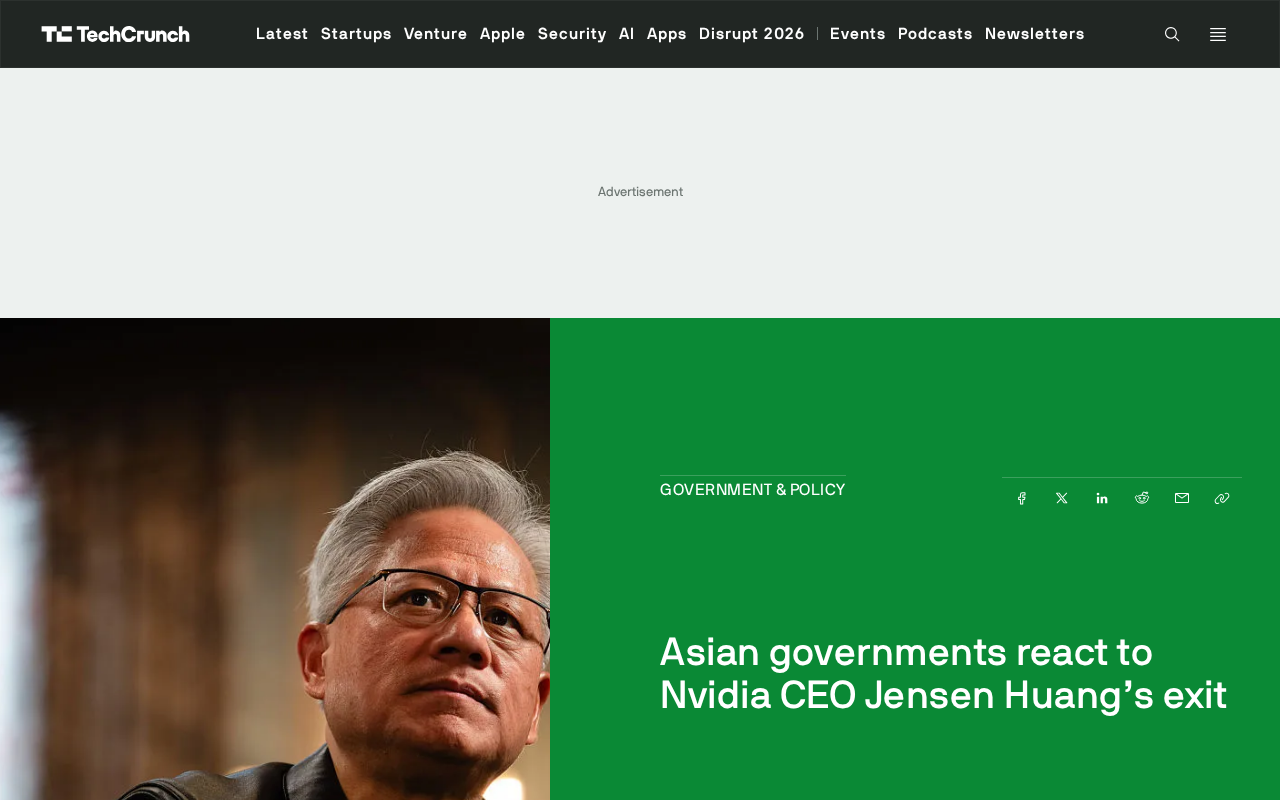
Jensen Huang Steps Down as Nvidia CEO, Asian Governments Scramble to Respond to Chip Supply Shifts
Jensen Huang's departure as Nvidia CEO triggers chain reactions across Asian governments: some confirm chip supply commitments, others monitor local AI project impacts and handle related investigations. This article analyzes supply chain stability, project risks, and compliance uncertainty.