Jensen Huang Steps Down as Nvidia CEO, Asian Governments Scramble to Respond to Chip Supply Shifts
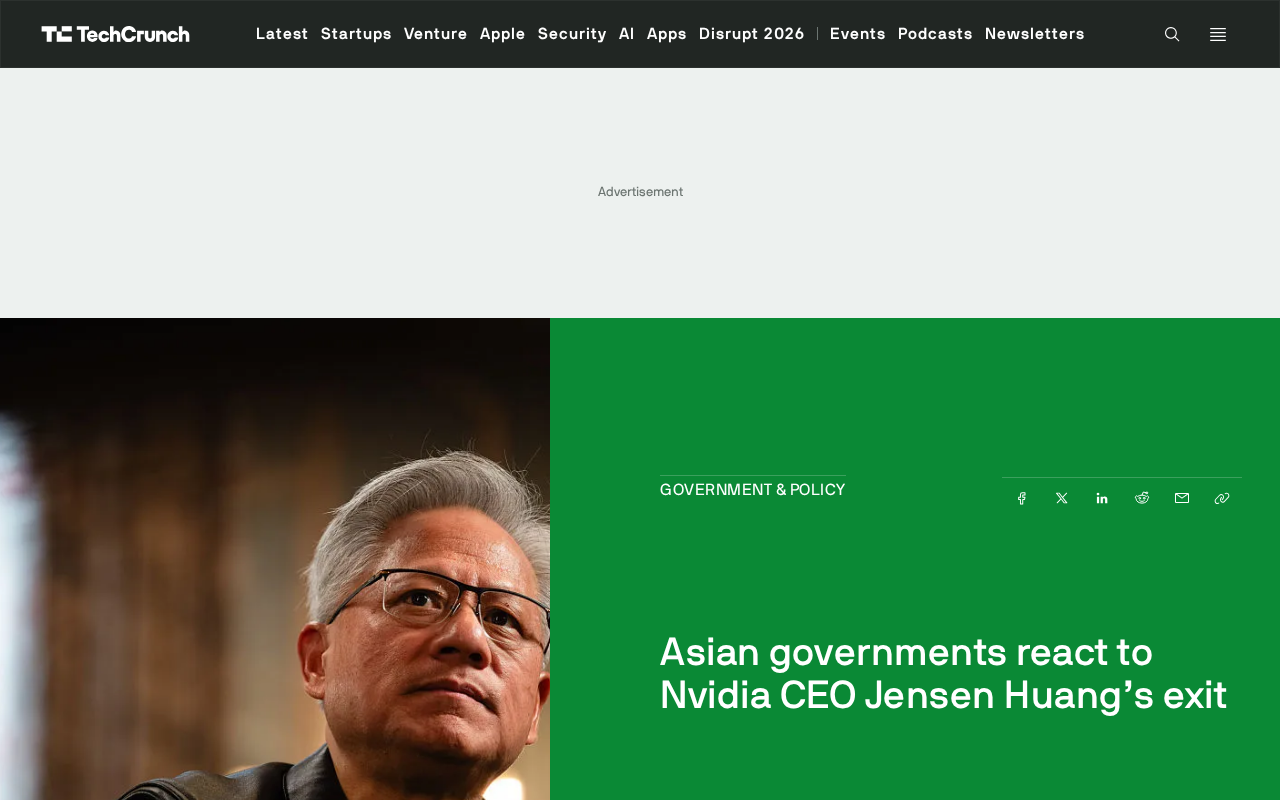
Jensen Huang's departure triggers divergent reactions from Asian governments, highlighting the political sensitivity and deep reliance of the AI chip supply chain.
Nvidia CEO Jensen Huang's departure has triggered a chain reaction in Asia, with governments reacting divergently: some quickly confirmed chip supply commitments to stabilize market expectations, while others are monitoring the impact on local AI projects or handling ongoing investigations related to Nvidia. Supply commitments mainly center on signed procurement agreements and long-term supply arrangements, reflecting the institutionalized nature of Nvidia's supply chain. Concerns about local projects focus on decision-making pace and continuity of cooperative relationships, while the unclear nature of the investigations makes compliance uncertainty a harder variable to predict. The event shows that computing power is now regarded by Asian economies as a strategic resource, with countries making realistic trade-offs between relying on Nvidia and seeking alternatives; the leadership transition period may create a window of opportunity for competitors and domestic chip companies.
Introduction
News of Nvidia CEO Jensen Huang's departure has triggered a chain reaction across Asia. According to RSS sources, some Asian governments moved quickly to confirm chip supply commitments, while others are closely monitoring the impact on local projects or initiating related investigations. The event underscores Nvidia's central role in the global AI chip supply chain and Asian economies' heavy reliance on computing infrastructure.
Mixed Reactions Across Asia: Supply Confirmations and Risk Monitoring in Parallel
Huang's exit is not merely a corporate personnel change. For Asian markets that rely heavily on Nvidia GPUs, it directly affects the continuity of AI infrastructure. Reports indicate that some governments have publicly or privately confirmed chip supply commitments in an attempt to stabilize market expectations, while others remain in observation mode, assessing whether local AI projects will be delayed or adjusted due to the leadership change.
This divergent response reflects each country's different position in the AI supply chain. Countries with high dependence on chip imports tend to prioritize ensuring supply stability, while economies with local chip industries or ongoing domestic substitution efforts may view the event as a window to accelerate self-sufficiency.
Nvidia GPUs (graphics processing units) have become the core of AI computing infrastructure because of the deep coupling between their parallel computing architecture and the CUDA software ecosystem. CUDA is a general-purpose parallel computing platform that Nvidia has built since 2006, allowing developers to invoke thousands of GPU cores to perform tasks such as matrix operations, which creates extremely high switching costs in deep learning training and inference. When many Asian countries build AI computing centers, procurement decisions often depend not only on hardware performance but also on the model code, toolchains, and talent pool accumulated around CUDA. Therefore, once supply expectations fluctuate, replacement costs far exceed the price of a single purchase—this is the technical root of why governments are highly sensitive to leadership changes.
Supply Chain Commitments: A Key Signal of Short-Term Stability
Multiple Asian governments have confirmed chip supply commitments, indicating that the cooperation frameworks between Nvidia and various countries are expected to continue after the CEO change. The reports mention that these commitments mainly center on signed procurement agreements and long-term supply arrangements. For countries building AI computing centers, supply continuity matters more than the leadership change itself.
You may not have noticed that Nvidia's supply chain management is highly institutionalized. While the CEO's personal style matters, production planning, foundry relationships, and distribution systems have formed a relatively stable structure. Therefore, government-level supply confirmations are more about soothing market sentiment than about actual warnings of supply disruption.
Nvidia operates a fabless model, focusing itself on chip design and software ecosystems, while long-term reliance on TSMC for advanced process manufacturing and capacity for advanced packaging such as CoWoS constitutes another key bottleneck. This division of labor means that supply capacity depends more on the coordination of foundry scheduling, packaging capacity, and distribution systems than on the CEO's personal decisions. The supply commitments confirmed by Asian governments are essentially endorsements of the continuity of existing procurement agreements and long-term supply arrangements, and their credibility rests on institutionalized production planning. Understanding this structure helps judge that leadership changes usually have limited impact on actual shipment cadence, and that market sentiment may fluctuate more than the supply chain itself.
Assessing Impact on Local Projects: Uncertainty Remains
Some governments are monitoring the specific impact of Huang's departure on local projects. These projects typically involve smart cities, AI research platforms, or enterprise-level computing procurement. The reports do not disclose specific project names but note that concerns center on decision-making pace and continuity of cooperative relationships.
For startups and research institutions that rely on the Nvidia ecosystem, a CEO change may mean slight adjustments in cooperation windows and resource allocation. However, Nvidia's product roadmap is usually driven by engineering and product teams, and the probability of drastic short-term changes is low. The real risk is that if the leadership change triggers a shift in strategic focus, Asia's position in Nvidia's global priorities may be reassessed.
Investigations and Compliance: Another Unresolved Variable
The reports also mention that some governments are handling ongoing investigations related to Nvidia. This wording suggests that Huang's departure may be related to regulatory or legal issues facing the company, but the original text does not provide the specific nature of the investigations or the countries involved.
For Asian market participants, compliance uncertainty may be harder to predict than supply issues. If the investigations involve export controls, antitrust, or business conduct, the response strategies of national regulators will directly affect Nvidia's local operating model. This also explains why some governments choose to wait and see rather than immediately take a stance.
In the AI chip sector, compliance uncertainty most often points to export controls. The United States has imposed export restrictions on advanced computing chips to China since 2022 and has repeatedly adjusted performance thresholds and licensing requirements, prompting Nvidia to launch special versions to comply. In addition, antitrust scrutiny is attracting increasing attention, with regulators in various countries focusing on GPU market concentration and bundling practices. If the relevant investigations involve such issues, Nvidia's product categories, customer structure, and pricing strategies in Asia may be forced to adjust. For local cloud service providers and AI companies, this means they must not only assess whether supply will continue but also anticipate which chip models can be purchased and the compliance costs—making wait-and-see a rational choice.
Implications for the AI Industry
The Jensen Huang departure incident reflects the political sensitivity of the AI chip supply chain. The rapid response of Asian governments shows that computing power is now regarded as a strategic resource rather than an ordinary commodity. Supply commitments, project monitoring, and compliance investigations proceed in parallel, indicating that governments have adopted a layered strategy: first stabilize supply, then assess projects, while observing regulatory trends.
From an industry perspective, Nvidia's competitive advantage is built on the CUDA ecosystem and continuous product iteration, which will not disappear immediately because of a CEO change. However, uncertainty during the leadership transition may create a window of opportunity for competitors and domestic chip companies in various countries. The divergent reactions of Asian governments precisely reflect their realistic trade-offs between "relying on Nvidia" and "seeking alternatives."
Conclusion
Jensen Huang's departure places Nvidia under global scrutiny, and the reactions of Asian governments are only the first wave. Whether supply commitments can be fulfilled, whether local projects will be adjusted, and how the investigations unfold will jointly determine the medium- and long-term impact of this event on Asia's AI industry. For practitioners focused on AI infrastructure, policy signals and supply chain developments in the coming weeks deserve close attention.
One-line Summary
Jensen Huang's departure triggers divergent reactions from Asian governments, highlighting the political sensitivity and deep reliance of the AI chip supply chain.
Paragraph Summary
Nvidia CEO Jensen Huang's departure has triggered a chain reaction in Asia, with governments reacting divergently: some quickly confirmed chip supply commitments to stabilize market expectations, while others are monitoring the impact on local AI projects or handling ongoing investigations related to Nvidia. Supply commitments mainly center on signed procurement agreements and long-term supply arrangements, reflecting the institutionalized nature of Nvidia's supply chain. Concerns about local projects focus on decision-making pace and continuity of cooperative relationships, while the unclear nature of the investigations makes compliance uncertainty a harder variable to predict. The event shows that computing power is now regarded by Asian economies as a strategic resource, with countries making realistic trade-offs between relying on Nvidia and seeking alternatives; the leadership transition period may create a window of opportunity for competitors and domestic chip companies.
Related articles
Anthropic Model Benchmarking: Fable 5 vs 5.1 vs 5.2 Comparison
Based on Reddit community comparison material, this analyzes benchmark differences among Anthropic models Fable 5, 5.1, and 5.2, and discusses the practical implications of version iterations for developers and model selection advice.
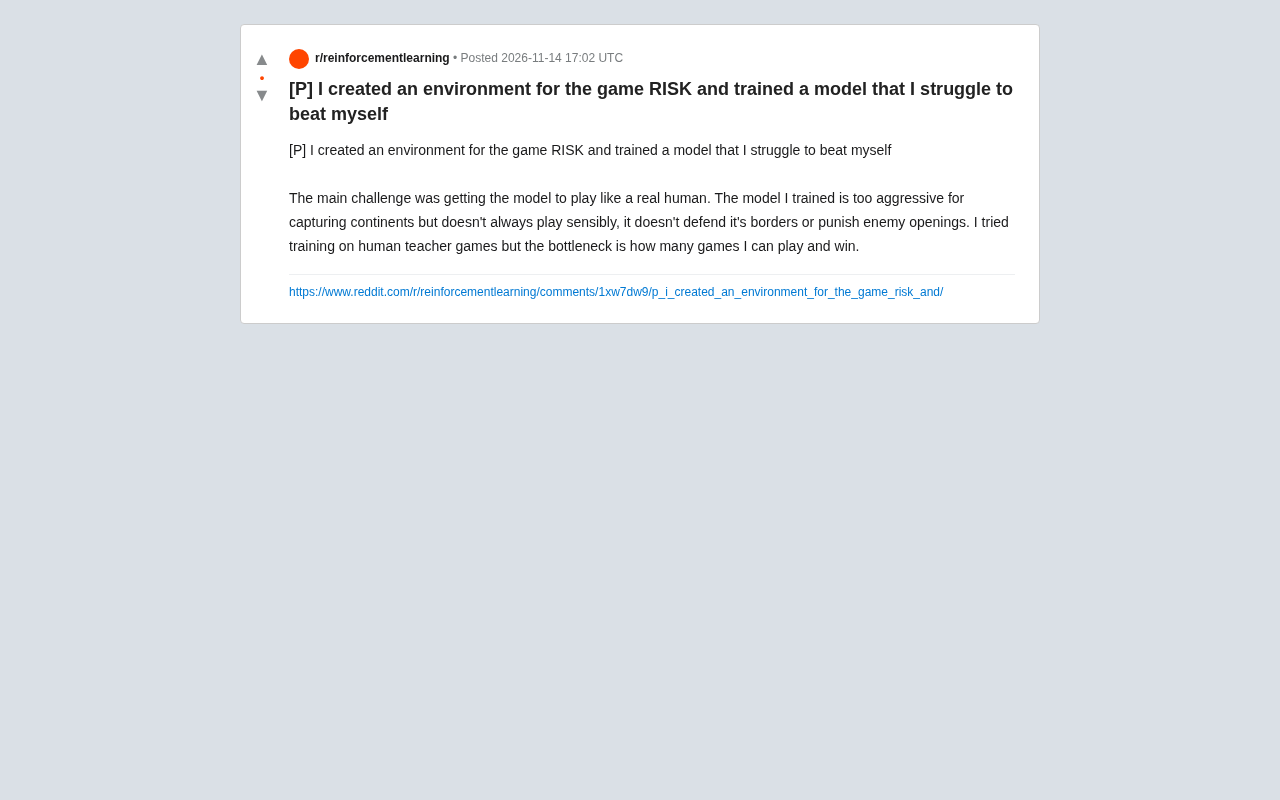
Reddit Player Builds RISK Game Environment and Trains an AI That's Nearly Impossible to Beat
Reddit player builds a RISK training environment and trains an aggressive AI model that's nearly unbeatable. Strong at expansion but weak at defense, the author hits a bottleneck trying human data training, revealing common game AI development challenges.
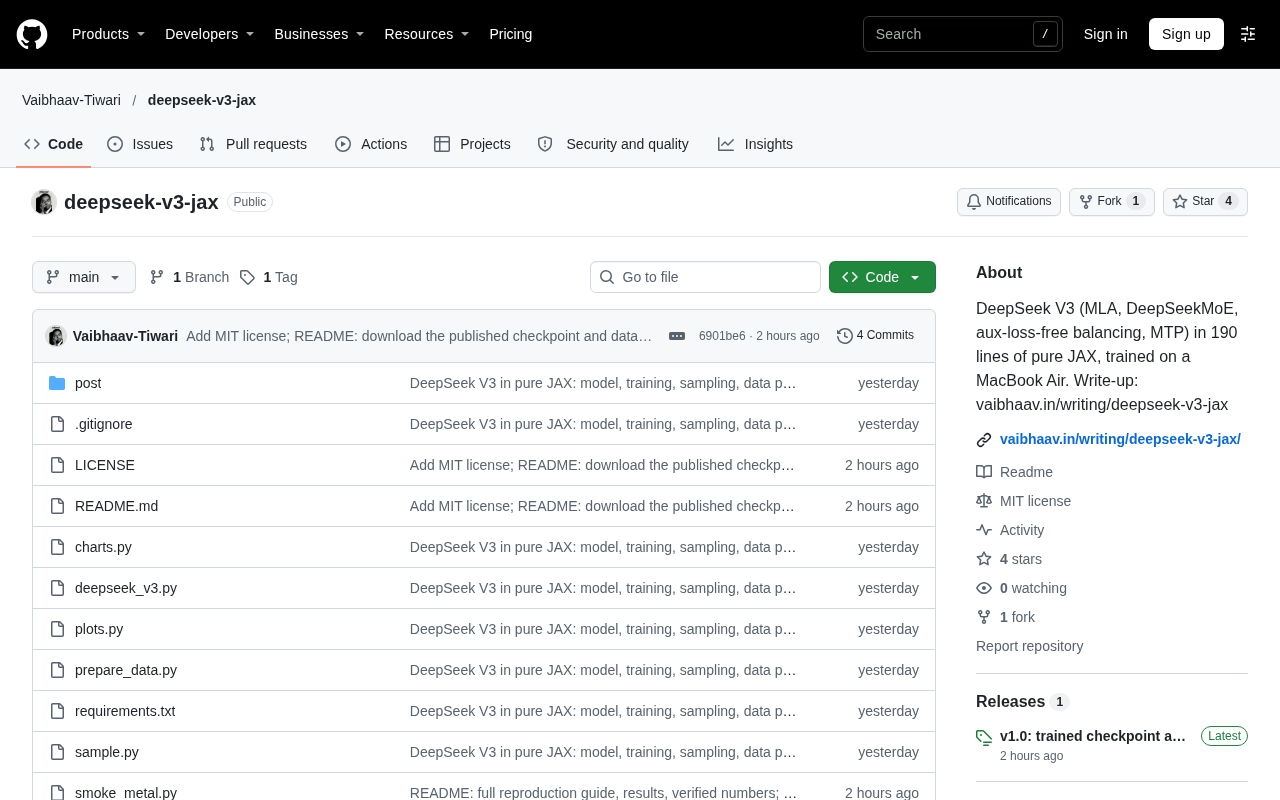
200 Lines of Pure Jax Reimplements DeepSeek V3: Minimalist Open-Source Project Hits HN
A Hacker News project reimplements DeepSeek V3 in ~200 lines of pure Jax, showcasing the model's core architecture in minimalist form for learners and researchers. This article analyzes its value and offers getting-started tips.