Are All-in-One AI Platforms Actually Worth It? A Practical Guide to Escaping Subscription Overload
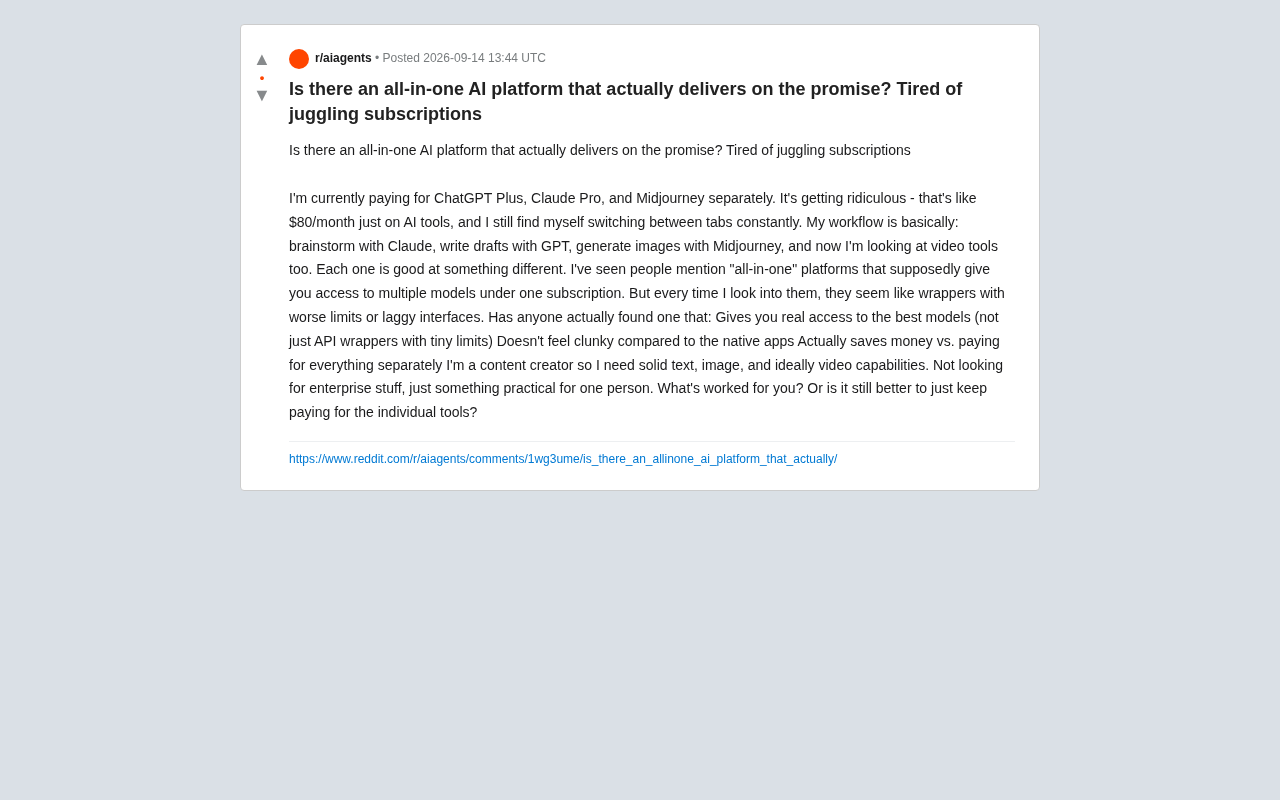
Spending $80/month on AI tools? All-in-one platforms can't yet replace a curated stack of specialized apps.
A content creator spending ~$80/month across ChatGPT Plus, Claude Pro, and Midjourney highlights a widespread pain point: no single tool excels at everything, forcing users into costly multi-subscription juggling acts. The article examines why all-in-one aggregator platforms fall short — limited API access means they can't replicate native features like long-context memory or deep tool integration — and often deliver a "savings illusion" with capped quotas and outdated models. The practical takeaway: identify your irreplaceable core tools, consolidate where there's real overlap, and stop chasing the myth of one subscription that does it all.
One Content Creator's Subscription Bill Problem
On Reddit, a content creator voiced a frustration that resonates with many: he was simultaneously subscribed to ChatGPT Plus, Claude Pro, and Midjourney, spending roughly $80 a month on AI tools alone — and constantly jumping between browser tabs just to get work done.
His typical workflow looked like this: brainstorm with Claude, draft with GPT, generate images with Midjourney, and now he wanted to add a video tool on top of all that. Every tool has its strengths, but stitching them together was becoming a problem both in cost and efficiency.
This frustration points to a broader pain point in today's AI tool ecosystem: model capabilities are highly specialized, no single tool excels in every dimension, and users are forced to juggle multiple subscriptions just to stay competitive.
Is the "All-in-One Platform" Concept a Myth?
The creator raised a pointed question: most platforms that claim to be "all-in-one" look like wrappers — either with ridiculously small usage quotas, sluggish interfaces, or experiences that fall well short of the native apps.
He laid out three hard requirements any all-in-one platform worth considering must meet:
- Genuine access to top-tier models — not just API wrappers with tiny call limits
- An experience on par with native apps — no lag, no bloat
- Actually cheaper than subscribing separately — otherwise, what's the point?
These three criteria cut right to the core weakness of aggregator platforms. Many offer "multi-model access" by routing through official APIs, but to keep costs under control, they often cap context length, throttle request frequency, or delay support for the latest model versions. The result: you think you're saving money, but you're actually sacrificing experience and capability.
The Real Trade-Offs of Aggregator Platforms
From a technical standpoint, aggregator platforms face an inescapable tension. Official apps like ChatGPT and Claude deliver smooth experiences because they're deeply optimized for their own models — memory, file handling, image understanding, and tool use are all natively integrated.
Third-party aggregators, on the other hand, generally only have access to base API endpoints and can't easily replicate those native features. That means even if a platform gives you both GPT and Claude, you may still lose the advanced capabilities each offers in its own app.
For power users like content creators, this gap is especially noticeable. Text creation depends on long context windows and consistent output quality. Image generation requires fine-grained parameter control. Video tools demand significant compute and fast iteration. A platform that tries to do everything rarely does any one thing exceptionally well.
Practical Advice for Content Creators
Drawing from the original thread discussion and the current tool landscape, here are a few grounded takeaways:
Streamline Around Your Core Workflow, Not Around "More Features"
Instead of searching for a magic all-in-one platform, audit what you actually use most. If Claude already covers most of your brainstorming and long-form writing needs, you might consider dropping the GPT subscription to eliminate redundant spending.
Evaluate Image and Video Tools Separately
Midjourney's quality advantage in image generation remains significant — built-in image features on aggregator platforms typically can't match it. Video tools are evolving so rapidly that standalone subscriptions actually give you faster access to the latest capabilities.
Watch Out for the "Savings Illusion"
Aggregator platforms may look cheap on paper, but if their quotas leave you constantly hitting limits and compromising your output, the real cost in time and creative quality can far outweigh the money saved on subscriptions. For creators who rely on AI as a production tool, capability ceiling matters more than monthly price.
Conclusion: No Silver Bullet, But You Can Optimize the Stack
As of now, no all-in-one platform fully delivers on all three criteria — top-tier model access, native-quality experience, and genuine cost savings. That's not a product failure; it's a structural constraint built into the underlying business and technical models.
For solo creators, the more realistic strategy is this: identify the irreplaceable tools in your stack (say, Midjourney for images and Claude for writing), consolidate where there's genuine overlap, and resist the allure of "one subscription to rule them all." Multiple subscriptions are a hassle, no question — but in a professional creative context, a curated combination of specialized tools almost always beats a jack-of-all-trades wrapper.
Related articles
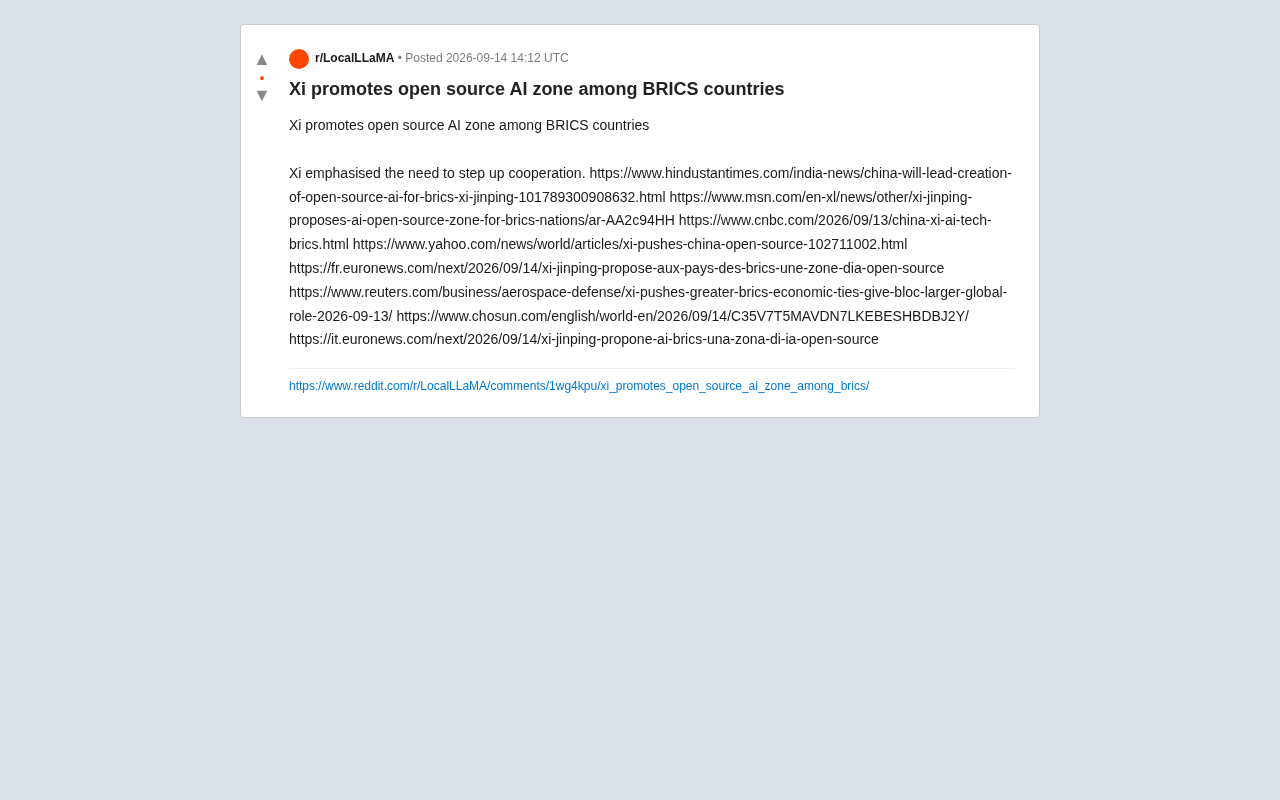
Xi Jinping Proposes Open Source AI Cooperation Zone Among BRICS Nations
Xi Jinping proposed an open source AI cooperation zone at the BRICS summit. Analyzing the strategic intent, open source rationale, and global AI governance implications.
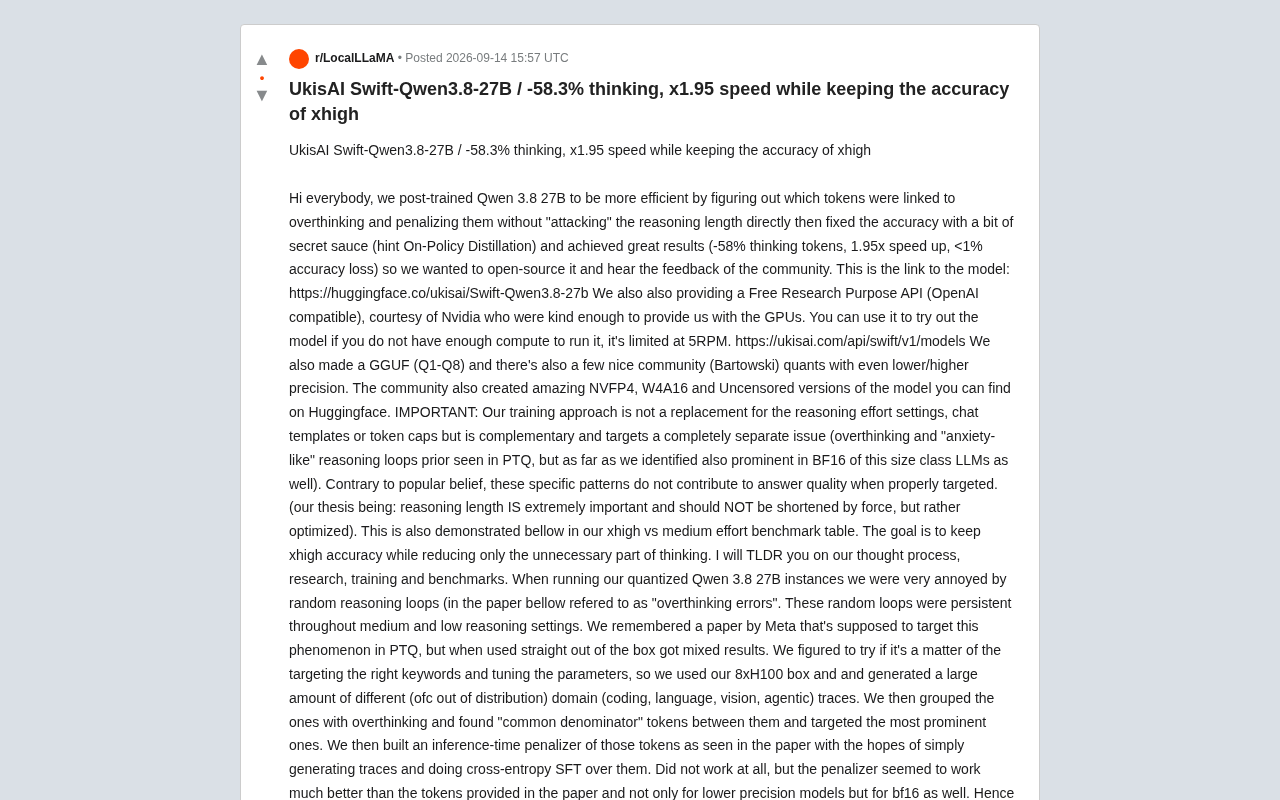
Swift-Qwen3.8-27B: 58% Fewer Thinking Tokens, Nearly 2x Faster Inference
UkisAI open-sources Swift-Qwen3.8-27B, cutting thinking tokens by 58% and boosting inference speed 1.95x via overthinking token penalties and on-policy distillation — with under 1% accuracy loss.
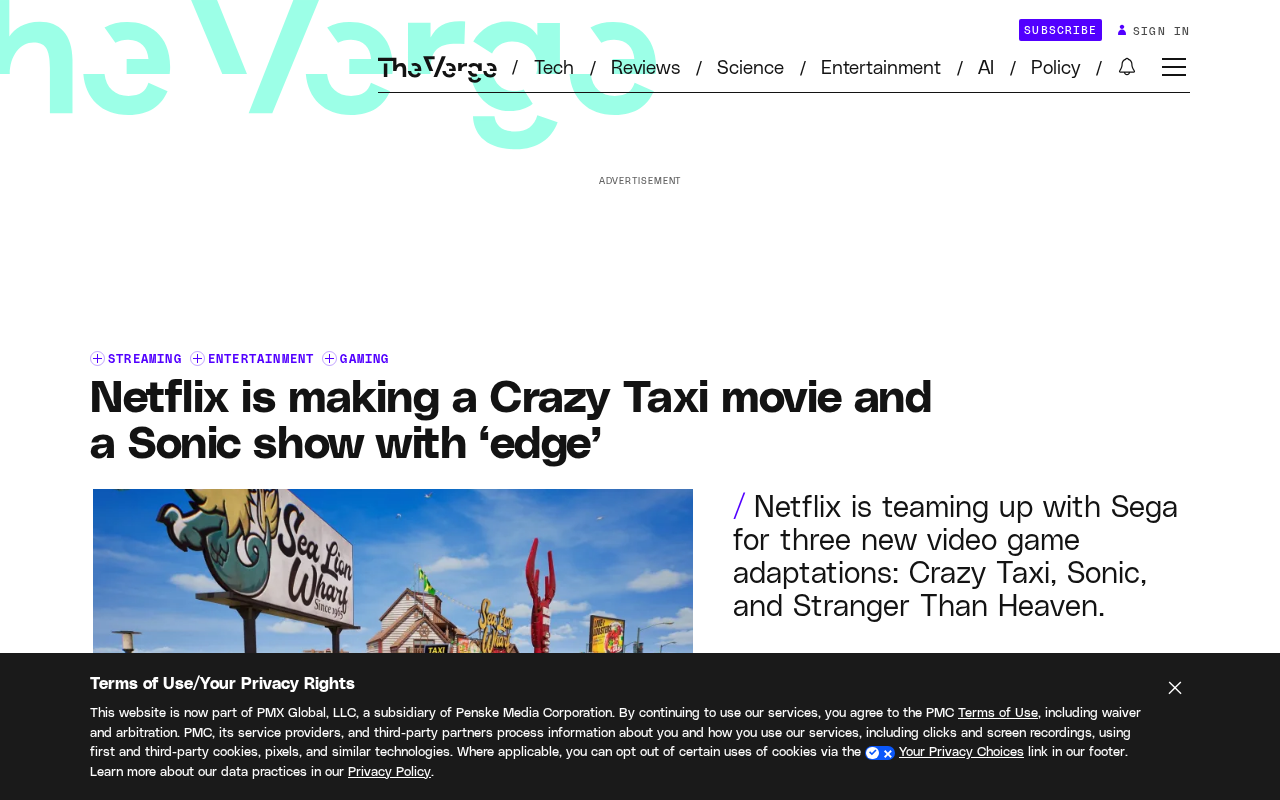
Netflix Partners with Sega: Crazy Taxi Movie and New Sonic Animated Series on the Way
Netflix announces three Sega game adaptations: a Crazy Taxi movie, a new Sonic animated series with edge, and a live-action film based on RGG Studio's Stranger Than Heaven.