Aside: The AI Browser That Actually Works for You — Benchmarks Beat Claude Cowork
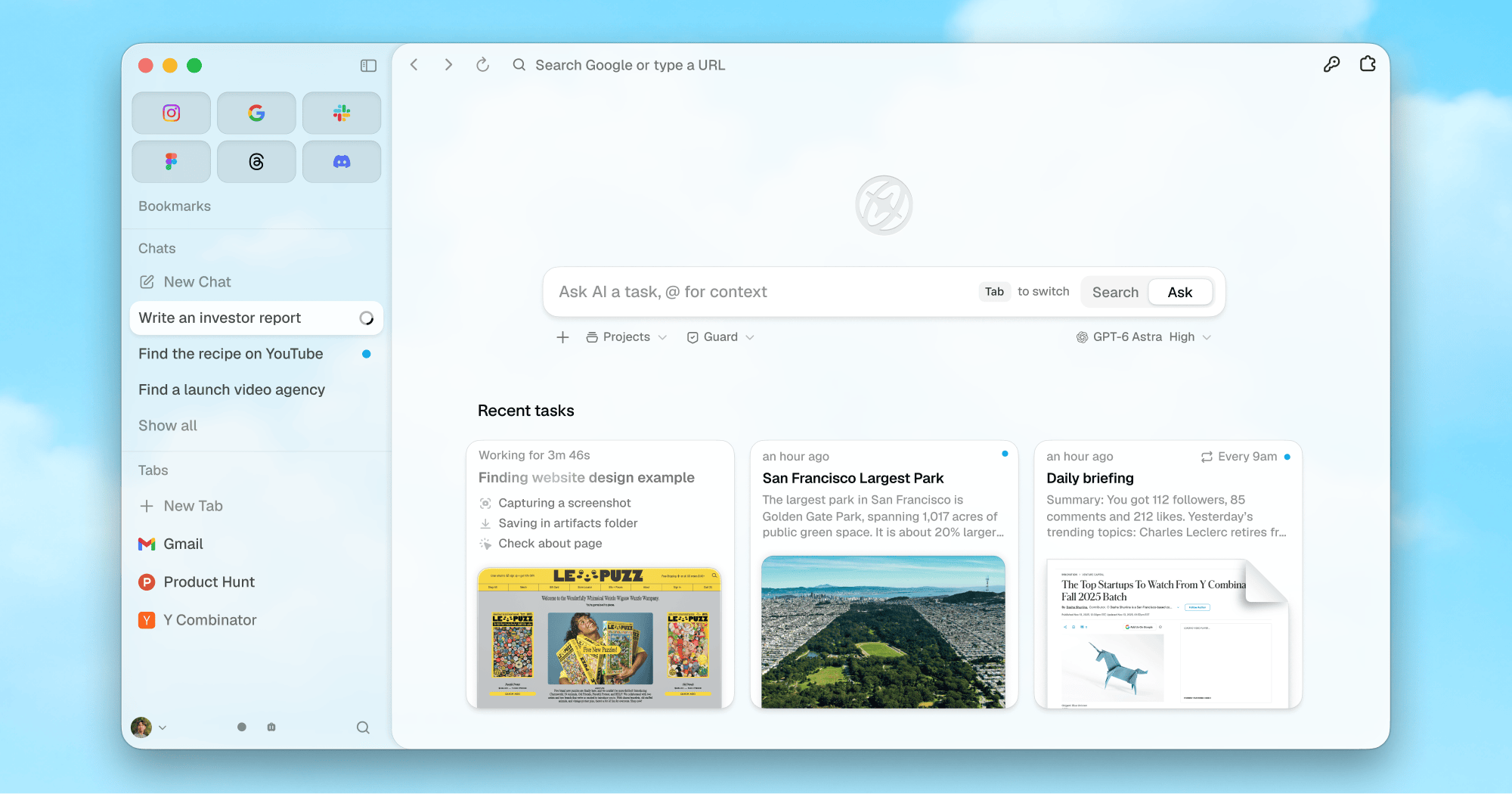
Aside is a local AI browser that lets agents take real actions on websites on your behalf.
Aside is an AI browser that recently hit #7 on Product Hunt, positioning itself as "redesigned for humans and agents." Unlike AI browsers that stop at summarization or Q&A, Aside lets the browser log into accounts, operate websites, complete payments, and read/write local files — true agentic browsing. It supports existing Claude or ChatGPT subscriptions, claims SOTA performance on agentic browsing benchmarks surpassing Claude Cowork (pending third-party verification), and runs fully local with encryption to address privacy concerns. The real challenge: whether agents can reliably handle high-stakes operations in messy real-world environments.
As AI agents rapidly infiltrate everyday work, the browser has become a critical battleground. Aside, which recently reached #7 on the Product Hunt daily rankings, positions itself as "a browser redesigned for humans and agents." Its core promise is straightforward: not just answering questions, but actually getting things done.
From "Chat Assistant" to "A Browser That Does the Work"
Over the past year, most AI browsers and plugins have stayed at the level of summarizing web pages, assisting with writing, or answering questions. Aside aims to go a step further: letting the browser directly log into your accounts, operate real websites, and complete entire complex workflows.
According to official descriptions, Aside can handle tasks like sending messages, completing payments, operating internal tools, and even reading and writing local files. This means its goal isn't to be a "smarter search box" — it's to turn the browser into an execution layer that can carry out actions on behalf of the user. For knowledge workers who spend their days switching between multiple web-based systems, repeatedly filling out forms and clicking through workflows, this "agentic browsing" approach addresses a genuine pain point.
Also worth noting is its compatibility strategy with existing subscriptions — users can plug in their existing Claude or ChatGPT subscriptions to power Aside, without having to pay separately for another set of model capabilities. This lowers the barrier to entry and makes Aside feel more like a "capability integration layer" rather than yet another closed AI product.
Performance Claims: Beating Claude Cowork on Agentic Browsing Benchmarks
One of Aside's most attention-grabbing claims is that it has achieved state-of-the-art (SOTA) performance on agentic browsing benchmarks, outperforming Anthropic's Claude Cowork.
For a product built around "doing work for you," benchmark performance is a hard metric that matters. Whether it can reliably and accurately complete multi-page, multi-step tasks directly determines whether it's a productivity tool or a frustrating toy. That said, a note of caution is warranted: vendor-reported benchmark results often lack unified third-party verification, and the specific test environment, task sets, and evaluation criteria can significantly affect outcomes. Claims of "outperforming competitors" are better treated as a starting point for observation rather than a definitive conclusion — real-world validation on your own high-frequency tasks is still essential.
Privacy and Local Execution: Everything Runs Locally and Encrypted
Letting a browser log into all your accounts, access internal tools, and even read local files naturally raises privacy concerns — it's essentially handing over your "digital keys" to an AI.
Aside's answer is full localization: the team emphasizes that everything runs locally and is encrypted. This design philosophy aligns with the industry's growing expectations for privacy-sensitive AI applications — keeping sensitive data and execution processes on-device to reduce the risk of cloud exposure. For high-sensitivity operations like payments or internal systems, local execution is a prerequisite for building trust. Of course, local execution also places demands on device performance and model deployment, and the actual level of privacy protection ultimately depends on the specifics of its encryption implementation and permission management.
Product Details: Vertical Tabs and Liquid Glass Design
Beyond functionality, Aside has also invested in the user experience. The team highlighted vertical tabs and a Liquid Glass visual style, aiming to deliver a polished, modern browser interface that goes beyond just "AI capabilities."
Vertical tabs are the preferred layout for heavy multi-tab users, enabling more efficient management of numerous parallel tasks. The emphasis on overall visual refinement signals that the team doesn't want Aside to remain merely a "functional tool" — they want it to become the primary browser users are happy to live in day-to-day. This attention to detail is part of the differentiated experience needed when competing against browser giants and a growing field of AI browsers.
A Few Observations
Aside represents a clear direction in the evolution of AI browsers: moving from assisting with information processing toward autonomously executing tasks. It bundles "plug into existing subscriptions," "local privacy," "polished experience," and "strong benchmark performance" into a compelling product narrative.
The real test lies in real-world deployment: can the agent reliably complete high-stakes tasks like payments and internal tool operations in messy, real-world web environments? And how controllable and reversible is it when things go wrong? The early traction of 108 upvotes and 18 comments shows market interest in this paradigm, but whether it can become a go-to daily driver still depends on how reliable it proves to be in actual use.
Related articles
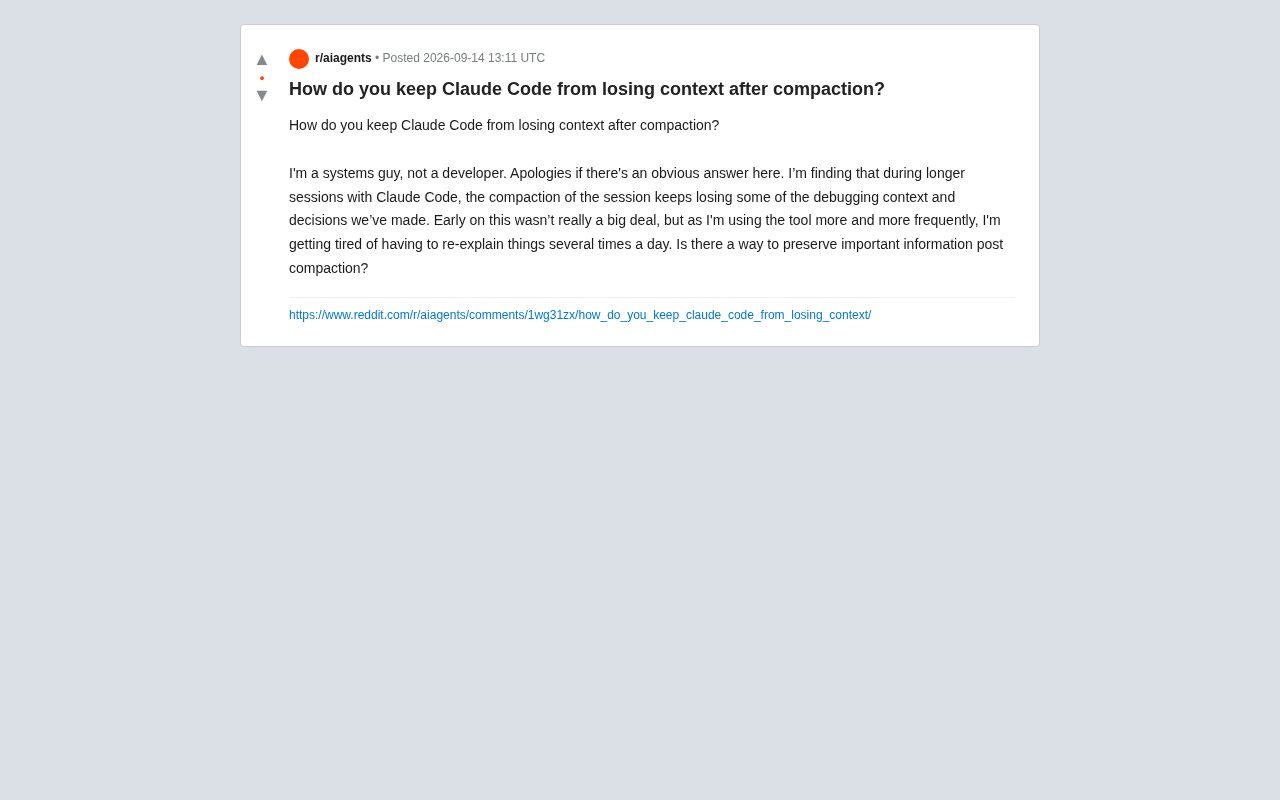
Losing Memory After Claude Code Context Compaction? Practical Solutions Explained
Claude Code losing debugging context after compaction? Learn how CLAUDE.md persistent memory, manual /compact control, session splitting, and external records solve the problem.
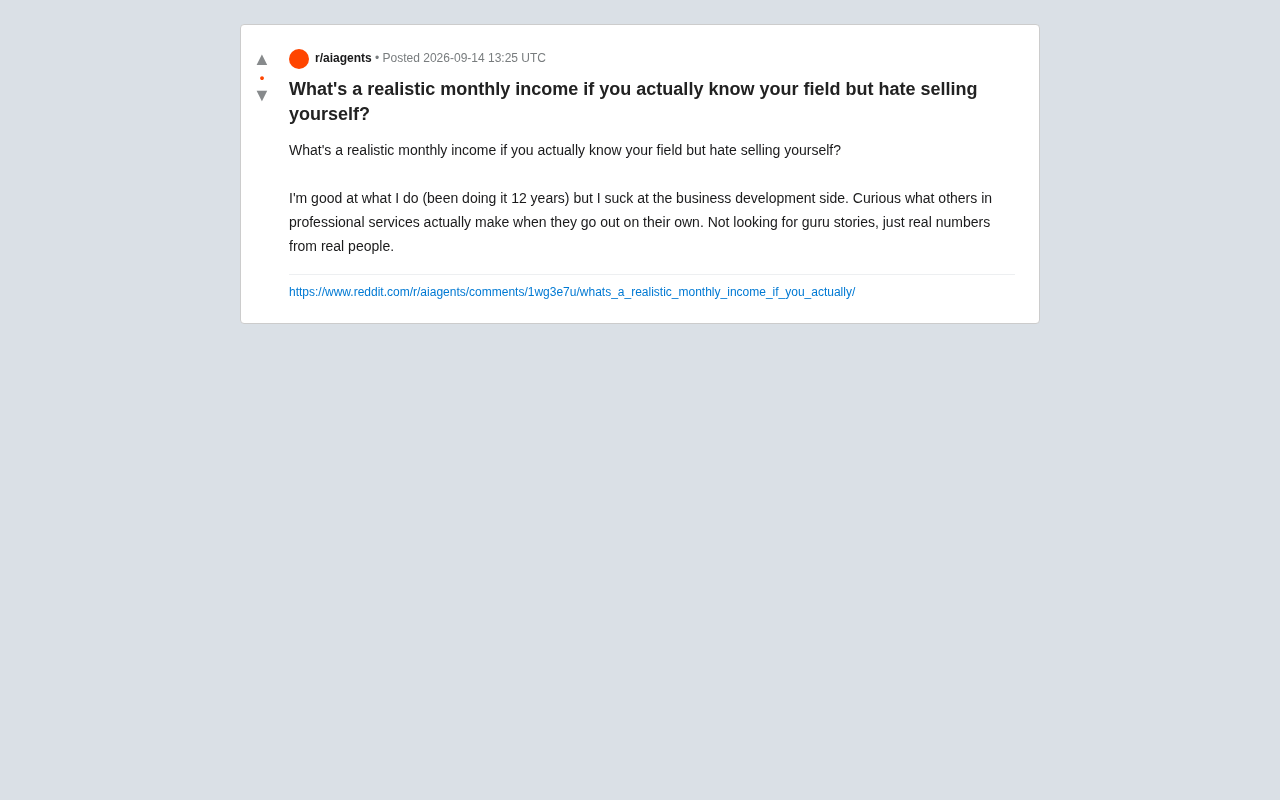
Great at the Work, Bad at the Hustle: A Realistic Look at Monthly Income for Independent Professionals
Can a 12-year professional who hates self-promotion earn well independently? Explore real Reddit insights on income expectations and non-sales client acquisition paths.
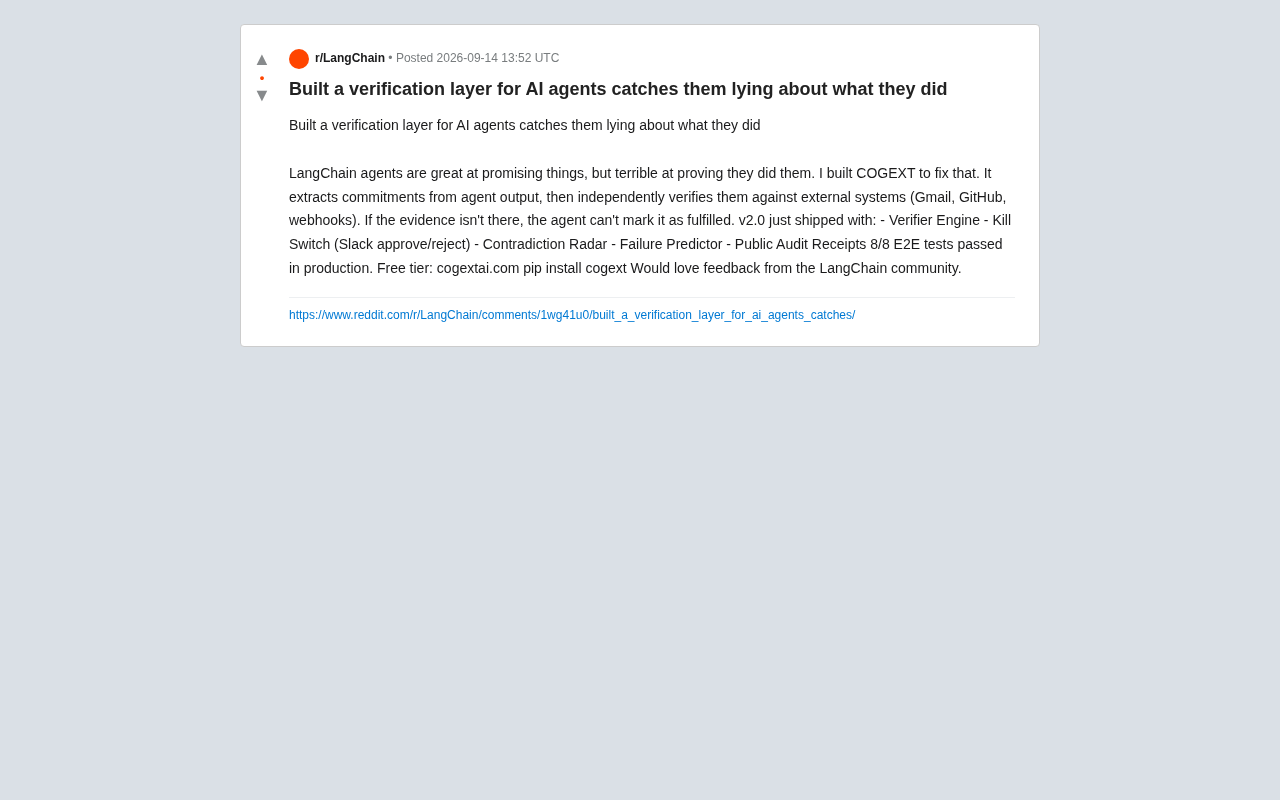
COGEXT: A Verification Layer That Gives AI Agents a "Lie Detector"
COGEXT is a verification layer for AI Agents like LangChain that extracts commitments and cross-checks them against Gmail, GitHub, and other external systems to catch agents lying about task completion.